Migraine Aura: A Complete Medical Overview

Migraine aura commonly causes visual symptoms such as flashing lights, zigzag lines, blind spots, or shimmering patterns. Aura can also affect sensation, speech, or movement, and it usually develops gradually over several minutes and resolves within an hour.
Key Takeaways
- Migraine aura commonly causes visual symptoms such as flashing lights, zigzag lines, blind spots, or shimmering patterns.
- Aura can also affect sensation, speech, or movement, and it usually develops gradually over several minutes and resolves within an hour.
- A doctor may recommend evaluation when aura is new, unusually prolonged, one-sided, or hard to distinguish from stroke-like symptoms.
- Treatment focuses on managing migraine attacks, reducing triggers, and preventing frequent episodes when needed.
- Healthy routines, stress management, sleep regularity, hydration, and avoiding personal triggers may help lower migraine frequency.
Migraine aura is a group of temporary neurological symptoms, most often visual changes, that may appear before or during a migraine attack. It is usually short-lived and reversible, but new or atypical aura symptoms should be evaluated to rule out other causes.
What migraine aura means
Migraine aura is a temporary disturbance in brain function that can happen before a migraine headache, during the headache itself, or sometimes without much headache at all. It most often affects vision, but it can also cause tingling, numbness, speech difficulty, or other short-lived neurological symptoms. In most people, aura develops gradually, lasts for a limited time, and then completely resolves.
Many people use the term “migraine” to mean a severe headache, but migraine is a neurological condition with a wider range of symptoms. Aura is one of the best-known patterns within this condition. A person with migraine aura may notice shimmering lights, jagged lines, or a spreading blind spot, followed by headache, nausea, or sensitivity to light and sound.
Because aura can resemble symptoms of other conditions, especially when it appears for the first time, medical assessment is important if the pattern is unfamiliar. Doctors usually distinguish migraine aura from emergencies by looking at how symptoms start, how they spread, how long they last, and whether there are other warning signs. If there is uncertainty, prompt evaluation is the safest approach.
How aura feels and what symptoms can occur
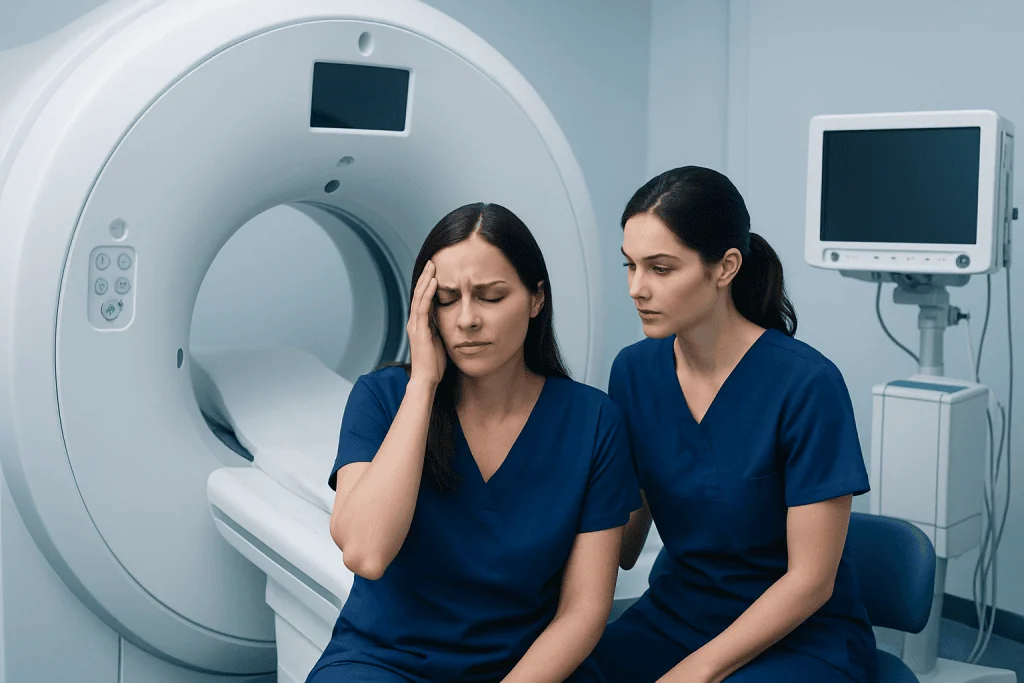
Visual symptoms are the most common form of migraine aura. People may see flashing lights, sparkling dots, zigzag lines, shimmering edges, tunnel vision, or a blind spot that slowly expands. These changes often affect both eyes, although they may seem stronger on one side of the visual field. The pattern usually builds over 5 to 20 minutes rather than appearing all at once.
Aura is not limited to vision. Some people experience sensory symptoms such as pins and needles, tingling that travels from the hand to the face, or temporary numbness. Others may have trouble finding words, speaking clearly, reading, or understanding language for a short time. Less commonly, weakness or problems with balance can occur, which needs careful medical evaluation because it can overlap with other neurological conditions.
Typical migraine aura symptoms usually last between about 5 and 60 minutes. A headache may follow immediately, begin later, or not appear at all. In some people, the aura phase is more distressing than the pain because it can interfere with driving, reading, screen use, work, and concentration.
- Visual: flashing lights, zigzags, blind spots, shimmering patterns
- Sensory: tingling, numbness, a spreading “pins and needles” feeling
- Speech and language: word-finding difficulty or temporary trouble speaking
- Less common: weakness, dizziness, or coordination changes
Why migraine aura happens

The exact mechanism of migraine aura is complex, but experts believe it relates to a wave of changing electrical activity that spreads across the brain, especially in areas that process vision and sensation. This process can temporarily alter how nerve cells and blood vessels function, leading to the characteristic symptoms of aura. Aura does not mean brain damage is occurring, but it does reflect a temporary change in neurological signaling.
Migraine tends to run in families, so genetics can play a role. Hormonal changes, particularly fluctuations in estrogen, may influence migraine patterns in some women. Stress, lack of sleep, dehydration, skipped meals, bright lights, alcohol, strong smells, certain foods, and changes in routine may also trigger attacks in susceptible people.
Not every trigger affects every person, and identifying patterns can take time. A migraine diary can be helpful for tracking symptoms, timing, menstrual cycles, sleep, meals, stress, and environmental exposures. This often helps doctors and patients see whether attacks fit a predictable pattern and whether prevention strategies are working.
How doctors diagnose migraine aura
Diagnosis usually begins with a careful history. A doctor will ask what the symptoms look or feel like, how quickly they start, how long they last, whether they spread from one area to another, and what follows afterward. The gradual progression and full recovery typical of migraine aura can help distinguish it from sudden-onset conditions such as stroke.
A neurological examination may be performed, especially if symptoms are new, changing, or atypical. Imaging or other tests are not always needed for a long-standing, classic migraine pattern, but they may be recommended when the presentation raises questions. For example, sudden weakness, very prolonged aura, first-time symptoms after midlife, or symptoms that do not fully resolve may prompt brain imaging or further testing.
Doctors may also consider other causes of similar symptoms, such as transient ischemic attack, seizures, retinal disorders, or other headache disorders. If eye-related symptoms seem limited to one eye, an ophthalmic evaluation may be needed because visual symptoms from migraine aura often arise from the brain’s visual pathways rather than from the eye itself. When necessary, specialists may use neurology evaluation and brain MRI to clarify the diagnosis.
Treatment approaches for migraine aura
Treatment depends on how often migraine aura occurs, how disabling it is, and whether headache follows. For many people, acute migraine treatment is aimed at reducing pain, nausea, and sensitivity to light or sound once the attack begins. A doctor may recommend over-the-counter options or prescription migraine medicines based on the person’s health history and symptom pattern.
Some people benefit from preventive treatment if attacks are frequent, prolonged, or significantly disruptive. Preventive strategies may include prescription medicines, management of sleep and stress, regular meals, hydration, and trigger reduction. The goal is not only to reduce headache days but also to lessen the frequency or intensity of aura symptoms.
When symptoms are unusual or severe, doctors may evaluate for other neurological conditions before confirming migraine with aura. People whose symptoms overlap with stroke warning signs need urgent assessment, especially if the symptoms begin suddenly or are unlike previous episodes. In selected cases, multidisciplinary care may also involve headache treatment planning or review by neurosurgery specialists if another structural cause needs to be excluded.
Daily management, prevention, and self-care
Living well with migraine aura often begins with consistency. Regular sleep, steady meal timing, good hydration, and balanced caffeine use can reduce fluctuations that trigger attacks in some people. It may also help to limit prolonged screen exposure, use sunglasses in bright environments when appropriate, and build in short breaks during visually demanding tasks.
Stress management is another important part of prevention. Relaxation training, breathing exercises, mindfulness, gentle physical activity, and realistic pacing of work and social commitments may help lower attack frequency. For some people, vigorous exercise can be a trigger, but regular moderate activity is often beneficial when introduced gradually.
A symptom diary can help identify patterns and support treatment decisions. Helpful notes include the time aura started, what symptoms occurred, how long they lasted, what was eaten, sleep quality, stress levels, menstrual timing, and whether a headache followed. People should discuss supplements, hormonal contraception, and smoking with their doctor, as these may affect migraine management and overall vascular risk in some individuals.
When to seek medical care
Medical care is appropriate for any new diagnosis of suspected migraine aura, especially if the symptoms are unfamiliar or the person has never had them before. A doctor should also review episodes that are becoming more frequent, more intense, or different from the usual pattern. This is particularly important if the aura lasts longer than expected, occurs without a known migraine history, or starts later in life.
Urgent medical attention is needed if symptoms begin suddenly rather than gradually, if there is new weakness on one side, confusion, fainting, severe dizziness, a “worst headache,” fever, or symptoms that do not fully go away. These features can suggest something other than migraine. It is safer not to assume that all visual or speech symptoms are migraine, even in someone who has had migraine before.
For people who need specialist support, Acibadem International’s multidisciplinary teams in JCI-accredited hospitals evaluate and treat neurological conditions for international patients. This may include assessment of migraine patterns and exclusion of conditions such as brain tumor or other neurological causes when symptoms are atypical.
Frequently asked questions
Is migraine aura always followed by a headache?
No. Some people experience aura before a headache, some during the headache, and some have aura with little or no headache. This is sometimes called a silent migraine or typical aura without headache.
How long does a migraine aura usually last?
A typical migraine aura often lasts between 5 and 60 minutes. Symptoms usually build gradually and then fade completely. If symptoms last longer or do not resolve, medical assessment is important.
Can migraine aura happen without visual symptoms?
Yes. Although visual changes are the most common type, aura can also cause tingling, numbness, or temporary speech and language difficulties. Less common symptoms, such as weakness, should be evaluated carefully.
How can a person tell migraine aura from a stroke?
Migraine aura often develops gradually and may spread over several minutes, while stroke symptoms are more likely to begin suddenly. However, it is not always easy to tell the difference. New, severe, or unusual neurological symptoms should be treated as urgent until a doctor has evaluated them.
What triggers migraine aura?
Triggers vary from person to person. Common examples include stress, poor sleep, dehydration, skipped meals, bright light, alcohol, hormonal changes, and changes in routine. Keeping a symptom diary can help identify personal triggers.
Does migraine aura mean there is a serious brain problem?
Usually, no. In many cases, aura is part of the migraine condition and resolves completely. Still, first-time or atypical symptoms should be checked so that other neurological or eye-related causes can be ruled out.
This article is for general information only and is not a substitute for professional medical advice. Please consult a qualified doctor about your individual situation.
Migraine in Turkey — costs, top hospitals & a free quote
JCI-accredited · board-certified surgeons · reply within 24h
Add us as a Preferred Source to see more of our trusted health content across Google Search, AI Overviews and Discover.

More from the Health Library

Gluten Free Donuts: An Evidence-Based Guide for Patients

Isosorbide Mononitrate: An Evidence-Based Guide for Patients

Fournier’s Gangrene: What Patients Need to Know

Nasal Cannula: A Complete Medical Overview

Prosthetic Leg — Explained by Medical Evidence, Not Myths