Lower Lip Twitches: An Evidence-Based Guide for Patients
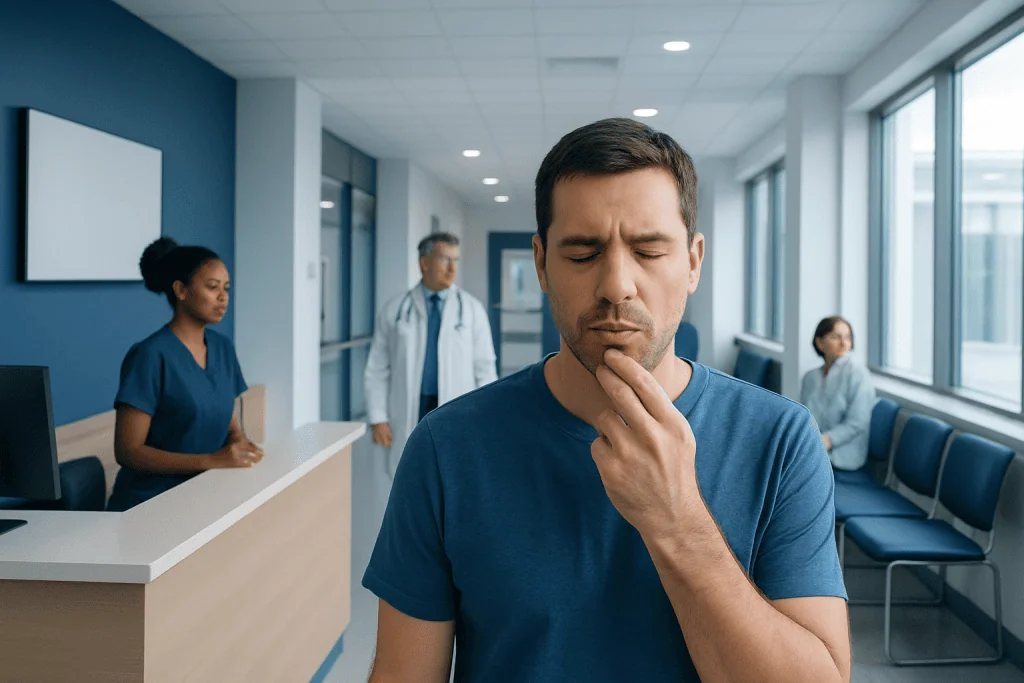
Most lower lip twitches are benign and short-lived. Common triggers include stress, lack of sleep, caffeine, nicotine, and muscle fatigue.
Key Takeaways
- Most lower lip twitches are benign and short-lived.
- Common triggers include stress, lack of sleep, caffeine, nicotine, and muscle fatigue.
- Persistent twitching or twitching with weakness, numbness, or facial drooping needs medical evaluation.
- Doctors diagnose the cause mainly through history, examination, and selected tests when needed.
- Self-care measures such as rest, hydration, and reducing stimulants may help mild cases.
Lower lip twitches are brief, involuntary movements of the lip muscles that are often temporary and harmless. In many people they relate to stress, tiredness, caffeine, or minor nerve irritation, though ongoing or worsening twitching should be assessed by a doctor.
Overview: What lower lip twitches usually mean
Lower lip twitches are small, involuntary contractions of the muscles around the mouth. For many people, these movements feel like a brief flutter, quiver, or pulsing sensation in one part of the lower lip. In most cases, they are temporary and not a sign of a serious illness.
The most common explanation is a minor disturbance in how the muscle or its nerve supply is firing. Everyday triggers such as emotional stress, tiredness, caffeine, dehydration, or overuse of facial muscles can make this more noticeable. Some people experience twitching after long periods of talking, dental irritation, or facial tension related to anxiety.
Although lower lip twitches are often harmless, context matters. Twitching that lasts for weeks, happens with other neurological symptoms, or starts after a new medicine may point to an underlying problem that deserves medical attention. A careful evaluation can help separate a simple muscle spasm from less common nerve, electrolyte, or movement-related conditions.
How lower lip twitches can feel
People describe lower lip twitches in different ways. It may feel like a vibration under the skin, a quick repetitive jump, or a visible movement noticed in the mirror. Sometimes the twitching comes in bursts that last seconds to minutes, while in other cases it appears on and off over several days.
The sensation may affect only one small area of the lower lip or involve nearby muscles around the chin or corner of the mouth. It can be more noticeable at rest, during stress, or at the end of the day. Some people also report a feeling of tightness or mild annoyance rather than pain.
Lower lip twitching is different from symptoms such as facial weakness, numbness, severe pain, or difficulty speaking. Those symptoms suggest that more than a simple isolated muscle spasm may be involved. If twitching occurs together with one-sided facial changes, clinicians may also consider conditions affecting the facial nerve, including facial paralysis, depending on the full pattern of symptoms.
- Brief fluttering or quivering of the lower lip
- Visible small muscle movements under the skin
- Episodes triggered by fatigue, stress, or caffeine
- Possible spread to nearby muscles around the mouth or chin
Common causes and risk factors

Benign twitching is often linked to temporary lifestyle factors. Stress and anxiety can increase muscle tension and make normal nerve firing feel more obvious. Poor sleep, physical exhaustion, and too much caffeine or energy drinks are also frequent contributors. Nicotine and some stimulant medications may have a similar effect.
In other cases, lower lip twitches may happen because the muscles or nerves are irritated. This can occur after dental work, lip biting, facial strain, or local inflammation. Dehydration and low levels of certain minerals such as magnesium, calcium, or potassium can sometimes contribute, although these are not the most common cause in otherwise healthy adults.
Less commonly, twitching may be related to a medication side effect, a movement disorder, or a neurological condition. Repetitive facial spasms can occasionally be part of a broader problem such as hemifacial spasm or other forms of abnormal involuntary movement. Doctors may also think about conditions affecting the brain and nerves if the twitching is persistent, progressive, or associated with other symptoms; in selected cases, related evaluations may overlap with conditions such as Parkinson's disease or seizure-related disorders, though these are much less common explanations for isolated lip twitching.
Risk factors that make twitching more likely include high stress levels, inadequate sleep, heavy caffeine intake, smoking, recent medication changes, and a history of neurological problems. Keeping track of when twitching happens can help identify patterns and triggers.
How doctors evaluate lower lip twitching
Diagnosis starts with a medical history and physical examination. A doctor will usually ask when the twitching began, how often it happens, how long it lasts, and whether it is getting worse. They may ask about sleep, stress, caffeine, alcohol, smoking, medicines, recent dental treatment, and any associated symptoms such as numbness, weakness, headache, facial pain, or trouble speaking.
During the examination, the doctor looks for visible twitching, muscle weakness, facial asymmetry, sensory changes, and signs involving other muscles. This helps determine whether the problem is likely to be a simple localized spasm or part of a broader nerve or muscle condition.
Many people do not need extensive testing. However, if symptoms are persistent, unexplained, or accompanied by red flags, blood tests may be ordered to check electrolytes, thyroid function, vitamin levels, or other metabolic factors. In some cases, imaging such as MRI scanning or tests that assess nerve and muscle activity, such as electromyography (EMG), may be recommended to look more closely at the nervous system.
Treatment options and symptom relief
Treatment depends on the cause. When lower lip twitches are related to lifestyle triggers, the focus is usually on reducing those triggers and monitoring symptoms. Simple changes such as improving sleep, cutting back on caffeine, staying hydrated, and managing stress are often enough for twitching to settle on its own.
If a medicine may be contributing, a doctor may review whether an adjustment is appropriate. People should not stop prescribed medication on their own without medical advice. When an underlying issue such as an electrolyte imbalance, thyroid disorder, or local irritation is found, treatment is directed at that specific problem.
For persistent or functionally bothersome facial spasms, specialist care may be helpful. Depending on the diagnosis, treatment may include neurological assessment, targeted therapies, or procedures used for selected movement or nerve disorders. If the twitching is part of a broader neurological picture, doctors may recommend a more detailed neurological rehabilitation plan or other condition-specific management.
Most importantly, treatment is individualized. A brief, isolated twitch in an otherwise well person is managed very differently from twitching that occurs with facial weakness, spread to other muscles, or recurrent episodes over a long period.
Self-care and prevention strategies
Because many cases are triggered by day-to-day factors, self-care can play a useful role. Restoring regular sleep and lowering stress often reduces the frequency of twitching. Gentle relaxation practices, adequate hydration, and balanced nutrition may also help support normal muscle and nerve function.
It can be useful to reduce or temporarily avoid common triggers. These include coffee, energy drinks, nicotine, and other stimulants, especially if twitching tends to happen after use. Some people benefit from keeping a symptom diary that notes sleep quality, stress, food and drink intake, medicines, and the timing of episodes.
People should also avoid repeatedly touching, biting, or straining the lip area. If there has been recent dental treatment or irritation inside the mouth, addressing that source may help. While supplements are sometimes discussed, they should not be taken routinely unless a deficiency or clinical need has been identified by a healthcare professional.
- Sleep regularly and aim for enough rest
- Limit caffeine, nicotine, and stimulant use
- Drink fluids regularly and eat balanced meals
- Practice stress-reduction methods such as breathing exercises or mindfulness
- Track symptoms to identify patterns and triggers
When to seek medical care
Medical review is a good idea if lower lip twitches continue for more than a few weeks, happen frequently without a clear trigger, or are becoming more noticeable over time. A doctor should also assess twitching that starts soon after beginning a new medicine or follows a head or facial injury.
Urgent assessment is important if twitching comes with facial weakness, drooping, numbness, trouble speaking, swallowing difficulty, severe headache, confusion, or twitching in many parts of the body. These features can suggest a condition that needs prompt evaluation rather than simple observation at home.
For international patients who need specialist input, Acibadem International’s multidisciplinary specialists and JCI-accredited hospitals evaluate and treat neurological and facial movement symptoms using modern diagnostic tools and coordinated care.
Frequently asked questions
Are lower lip twitches usually serious?
Most lower lip twitches are not serious. They are often linked to stress, fatigue, caffeine, or minor irritation and tend to improve once the trigger settles.
Can anxiety cause lower lip twitches?
Yes. Anxiety and stress can increase muscle tension and make small involuntary contractions more likely or more noticeable. Managing stress often helps reduce episodes.
How long should lower lip twitching last?
A short-lived twitch may last seconds, minutes, or come and go for a few days. If it continues for several weeks, becomes more frequent, or is associated with other symptoms, medical evaluation is sensible.
Can dehydration or low minerals cause lip twitching?
They can contribute in some people, especially if fluid intake is poor or there are underlying nutritional or metabolic issues. However, dehydration or mineral imbalance is not the only possible cause, so persistent symptoms should not be self-diagnosed.
What should a person avoid when the lower lip is twitching?
It may help to reduce caffeine, nicotine, and other stimulants for a period of time. People should also avoid lip biting, excessive facial strain, and stopping prescription medicines without speaking to a doctor.
When is lower lip twitching an emergency?
It needs urgent medical attention if it occurs with facial drooping, weakness, numbness, speech difficulty, trouble swallowing, severe headache, or confusion. These symptoms can point to a more important neurological problem that should be assessed quickly.
References
- National Institute of Neurological Disorders and Stroke
- Mayo Clinic
- MedlinePlus
- Cleveland Clinic
- American Academy of Neurology
This article is for general information only and is not a substitute for professional medical advice. Please consult a qualified doctor about your individual situation.
Explore treatments in Turkey — costs, top hospitals & a free quote
JCI-accredited · board-certified surgeons · reply within 24h
Add us as a Preferred Source to see more of our trusted health content across Google Search, AI Overviews and Discover.