

Gerontological Oral Health
Gerontological oral health focuses on dental prevention, diagnosis, and care for older adults, including gum health, dry mouth, dentures, implants, and age-related oral problems.
Quick answer
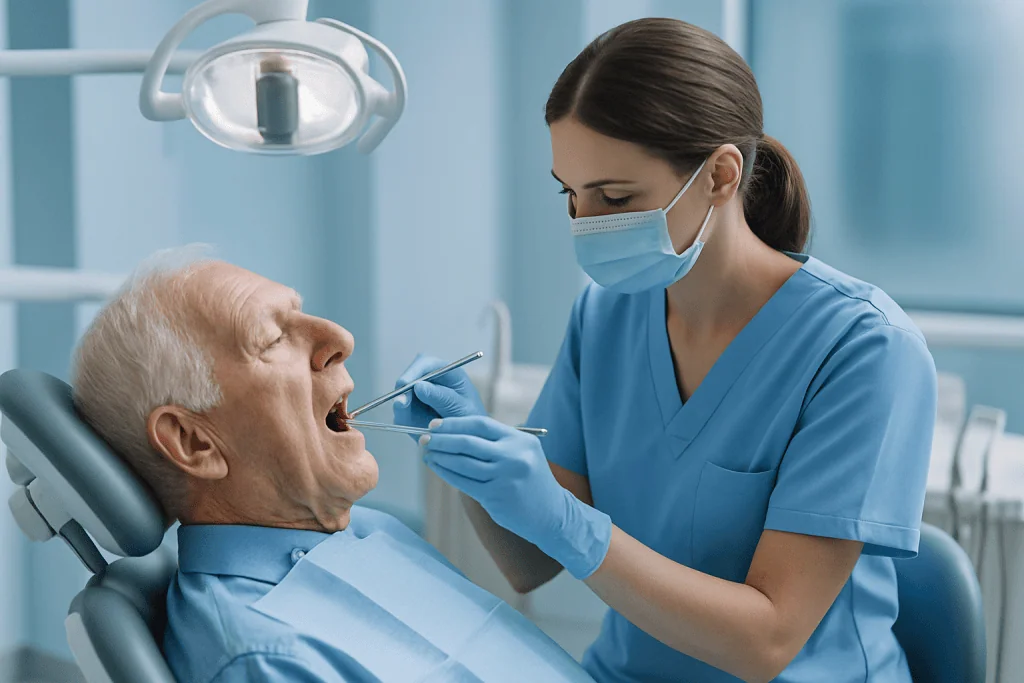
Gerontological oral health is dental care tailored to the needs of older adults, focusing on preventing, diagnosing, and treating age-related problems such as gum disease, tooth loss, dry mouth, ill-fitting dentures, and oral discomfort. At Acibadem in Turkey, this care is provided through comprehensive assessment and personalized treatment that may include hygiene support, restorative dentistry, denture adjustment, implants, and management…
Oral Health in Later Life: Protecting Comfort, Nutrition, Confidence and Overall Health
As people age, oral health becomes closely connected with everyday comfort and general wellbeing. Chewing, speaking, smiling, sleeping well and enjoying food all depend on a healthy mouth. For many older adults, however, dental needs become more complex over time. Gums may recede, teeth may become more vulnerable to decay, saliva flow may decrease, previous fillings or crowns may need replacement, and dentures that once fit comfortably may begin to feel loose or painful.
For patients and families, these changes can bring real concerns. A parent may stop eating certain foods because chewing hurts. A person living with diabetes may notice gum inflammation that does not settle. Someone taking several medications may develop persistent dry mouth. Others may feel embarrassed by missing teeth, unstable dentures, bad breath or changes in speech. These are not minor issues. Oral health in older age can affect nutrition, social confidence, infection risk, diabetes control, heart health and quality of life.
Gerontological oral health is the branch of dentistry focused on the prevention, diagnosis and treatment of oral conditions in older adults. It recognizes that aging patients may have medical conditions, medications, mobility limitations, cognitive changes or previous dental work that influence treatment planning. The goal is not only to treat teeth, but to preserve function, comfort and dignity in a way that is safe and realistic for each person.
At Acibadem, older adults are evaluated with attention to both dental findings and overall health. When needed, dental specialists coordinate with physicians, anesthesiology teams, nutrition specialists and other clinical departments. This approach is especially important for international patients who may be seeking a clear diagnosis, a second opinion, denture or implant planning, or coordinated treatment while traveling for care.
What Gerontological Oral Health Care Is
Gerontological oral health care includes preventive, restorative, prosthetic, periodontal and surgical dental services designed for older adults. It addresses common age-related oral problems such as gum disease, root cavities, tooth wear, missing teeth, dry mouth, oral infections, denture discomfort, jawbone changes and oral lesions. It also considers how general health conditions and medications affect dental decisions.
This type of care is not defined by age alone. A healthy 70-year-old who is active and medically stable may be treated very differently from a 70-year-old with advanced heart disease, diabetes, osteoporosis treatment, reduced manual dexterity or memory changes. Gerontological dental care adapts the treatment plan to the patient’s medical profile, oral condition, ability to maintain home care and personal goals.
For some patients, the priority is prevention: reducing future decay, improving gum health, managing dry mouth and keeping natural teeth stable. For others, the focus is restoring lost function through crowns, bridges, dentures or dental implants. In some cases, the most appropriate care is comfort-focused, aiming to relieve pain, control infection and support safe eating rather than pursuing complex reconstruction.
A gerontological oral health plan may include professional cleaning, periodontal treatment, fillings, root canal treatment, tooth extraction, denture adjustment, new dentures, implant assessment, oral cancer screening, saliva management, fluoride therapy, bite evaluation and education for caregivers. The plan is usually built in stages, beginning with urgent problems such as pain or infection, then moving toward long-term stability.
Modern dentistry for older adults also uses digital imaging, three-dimensional planning, intraoral scanning, laboratory-supported prosthetic design and minimally invasive techniques where appropriate. These tools help clinicians diagnose more precisely, plan safer procedures and create restorations or dentures that fit more accurately. Technology is most valuable when it supports careful clinical judgment and a treatment plan that fits the patient’s health and lifestyle.
Who May Need Gerontological Oral Health Care
Older adults may seek gerontological oral health care because of pain, chewing problems, loose teeth, bleeding gums, dry mouth, denture sores, missing teeth or changes in appearance. Sometimes the first sign is more subtle: avoiding meat, fresh fruits or vegetables; taking longer to finish meals; speaking less in social settings; or using only one side of the mouth to chew. Family members may notice weight loss, bad breath, facial changes or reluctance to wear dentures.
Typical symptoms that should prompt dental evaluation include tooth sensitivity, toothache, swollen or bleeding gums, gums pulling away from the teeth, pus around teeth, loose teeth, broken fillings, mouth ulcers that do not heal, burning sensations, persistent dryness, difficulty swallowing dry foods, clicking dentures, painful chewing, jaw discomfort and changes in the way the upper and lower teeth meet.
Diagnosis begins with a detailed consultation. The dentist reviews the patient’s dental history, medical conditions, medications, allergies and previous dental treatments. This is particularly important for patients using blood thinners, medications for osteoporosis, immunosuppressive drugs, heart medications, diabetes treatment or cancer therapies. Medication-related dry mouth, delayed healing risk and bleeding considerations can affect the timing and type of care.
The clinical examination includes assessment of teeth, gums, oral soft tissues, jaw joints, bite, existing restorations and dentures. Dental X-rays may be used to evaluate bone levels, hidden decay, root problems, infections and impacted or retained tooth roots. In selected cases, three-dimensional imaging may help assess jawbone anatomy before implant planning, complex extractions or surgical procedures. Oral cancer screening is also a routine part of evaluation, especially when there are persistent ulcers, color changes, lumps, unexplained bleeding or a history of tobacco or alcohol use.
Patients who wear dentures often benefit from a specific prosthetic assessment. Over time, the jawbone and gums change shape, while dentures remain the same. This can lead to looseness, sore spots, reduced chewing power and changes in facial support. A denture may need adjustment, relining or replacement. Some patients may also be candidates for implant-supported dentures, depending on bone quality, health status and personal preference.
Gerontological oral health care is also valuable for patients preparing for major medical treatment. People scheduled for heart valve procedures, organ transplantation, chemotherapy, radiotherapy to the head and neck, joint replacement or certain immune-modifying therapies may need dental infections treated beforehand. Removing oral sources of infection can be an important part of medical risk reduction.
Conditions and Indications Addressed
Gerontological oral health care covers a broad range of oral conditions that become more common or more complex with age. One of the most frequent is periodontal disease, also known as gum disease. This condition affects the tissues and bone that support the teeth. It may progress slowly and painlessly until teeth become loose or infected. Because gum inflammation can interact with systemic conditions such as diabetes, careful management is important.
Tooth decay in older adults often develops around existing fillings, crowns or exposed root surfaces. Root surfaces are softer than enamel and may be more vulnerable when gums recede. Dry mouth, frequent snacking, reduced brushing ability and certain medications can increase this risk. Early detection helps preserve tooth structure and avoid more extensive treatment.
Dry mouth, or xerostomia, is another common concern. It may be caused by medications, dehydration, salivary gland disease, diabetes, radiation therapy or other medical conditions. Saliva protects teeth, supports swallowing, helps taste and limits oral infections. When saliva flow is reduced, patients may experience burning, cracked lips, difficulty speaking, denture discomfort, increased cavities and fungal infections.
Tooth loss can affect more than appearance. It changes chewing efficiency, nutrition, speech and the distribution of forces across the remaining teeth. Missing teeth may be replaced with removable dentures, fixed bridges or dental implants, depending on the patient’s oral anatomy, health status and goals. In gerontological dentistry, the best option is not always the most complex one; it is the option that is safe, maintainable and meaningful for the patient.
Oral mucosal conditions also require careful evaluation. White or red patches, ulcers, fungal infections, traumatic denture sores, burning mouth symptoms and suspicious lesions should not be ignored. Many are benign and treatable, but persistent changes need professional assessment and, when indicated, biopsy or referral to an oral medicine or surgical specialist.
Other indications include worn teeth, bite collapse, jaw joint discomfort, difficulty cleaning around crowns or bridges, fractured teeth, failing implants, ill-fitting dentures, oral hygiene challenges related to arthritis or neurologic disease, and care needs associated with cognitive decline. The common thread is that treatment must respect the whole person, not just the tooth or denture in question.
How Gerontological Oral Health Care Is Performed
Care usually begins before the patient enters the dental chair. For older adults, preparation includes understanding the medical background, current medications and daily function. International patients are often asked to share recent dental X-rays, medical reports, medication lists and any information about previous surgeries or chronic diseases. This helps the clinical team plan the visit efficiently and identify whether coordination with another department is needed.
During the first appointment, the dentist discusses the patient’s main concerns: pain, chewing, appearance, dentures, bleeding gums, dryness or a desire for a second opinion. A full oral examination follows. The dentist checks the teeth, gums, tongue, cheeks, palate, bite, jaw movement and existing dental work. Gum measurements may be taken to evaluate periodontal disease. X-rays help identify decay under crowns, bone loss, infections or root problems that cannot be seen during the visual examination.
Digital diagnostic tools may be used to improve accuracy and comfort. Intraoral cameras can show patients areas of concern on a screen, making the diagnosis easier to understand. Digital radiography reduces waiting time and supports precise evaluation. Three-dimensional imaging may be recommended when planning implants, assessing bone anatomy, locating infection or preparing for complex extractions. Intraoral scanning may be used instead of traditional impressions for certain crowns, bridges, splints or prosthetic designs.
After diagnosis, the dentist prioritizes care. Urgent problems such as infection, swelling, severe pain or broken teeth are addressed first. If gum disease is present, treatment may begin with professional cleaning, scaling and root surface debridement to reduce bacterial buildup and inflammation. Patients receive individualized instruction on brushing, interdental cleaning, fluoride use, denture hygiene and dry mouth strategies. For patients with limited dexterity, electric toothbrushes, modified handles or caregiver-assisted routines may be recommended.
Restorative treatment may include fillings, replacement of failing restorations, crowns, root canal therapy or extraction of teeth that cannot be preserved. The decision depends on the tooth’s condition, bone support, infection risk, the patient’s medical status and how the tooth contributes to chewing. In older adults, a conservative approach is often preferred when it can provide durable function with lower burden.
Prosthetic treatment may involve adjusting current dentures, relining them to improve fit, making new partial or complete dentures, designing fixed bridges or evaluating dental implants. Denture planning considers facial support, speech, chewing, saliva, jawbone shape and the patient’s ability to place, remove and clean the appliance. If implants are considered, the team evaluates bone volume, gum health, medical conditions, healing capacity and long-term maintenance. Implant-supported dentures may help some patients who struggle with unstable lower dentures, but they are not appropriate for everyone.
Procedures are commonly performed under local anesthesia. For anxious patients or more complex procedures, sedation options may be discussed after medical evaluation. The aim is to keep treatment comfortable while maintaining safety, especially in patients with heart disease, respiratory conditions, neurologic conditions or multiple medications. Treatment duration varies widely. A preventive visit may take less than an hour, while denture fabrication may require several appointments. Implant planning and restoration usually take place in stages over several months, depending on healing and bone conditions.
Recovery depends on the type of treatment. After professional cleaning or fillings, most patients return to normal activities quickly. After extractions or implant surgery, mild swelling, soreness and dietary modifications may be expected for several days. Denture adjustment may require follow-up visits, because even well-made dentures often need fine tuning after the patient begins eating and speaking with them. For periodontal treatment, improvement is gradual and depends strongly on daily home care and maintenance visits.
Follow-up is a key part of gerontological oral health. Older adults with gum disease, dry mouth, many restorations, implants or dexterity limitations may need maintenance more often than younger patients. Regular monitoring allows small problems to be corrected before they become painful, expensive or medically significant.
Why Acting Early Matters
Dental problems in older adults may progress quietly. Gum disease can cause bone loss without much pain. Root cavities may spread quickly because exposed root surfaces are softer. A small denture sore may become a chronic ulcer if the appliance continues to rub. Dry mouth may lead to multiple cavities within a relatively short time. Acting early helps prevent these problems from becoming larger, more invasive and more difficult to treat.
Delay can also affect general health. Untreated oral infections may be a concern for patients with diabetes, heart conditions, immune suppression or upcoming medical procedures. Painful chewing can reduce intake of protein, fruits, vegetables and other nutritious foods. Missing teeth or unstable dentures may lead patients to choose softer, more processed foods, which can affect metabolic health and energy levels. Oral discomfort can also disturb sleep, mood and social participation.
There is also a practical reason to seek care early: treatment options are usually broader when problems are identified sooner. A tooth with early decay may need a simple restoration; a tooth with advanced decay and infection may need root canal treatment or extraction. A denture that is beginning to loosen may be relined; a severely worn or poorly adapted denture may need replacement. Early care can reduce the physical, emotional and financial burden of dental treatment over time.
Benefits of Gerontological Oral Health Care
The benefits of treatment extend beyond the mouth, supporting comfort, nutrition, communication and long-term health planning.
| Benefit | What It Means for You |
|---|---|
| Improved chewing and nutrition | Healthier teeth, gums or well-fitting dentures can make it easier to eat a wider range of foods and maintain adequate nutrition. |
| Reduced pain and infection risk | Treating decay, gum disease, denture sores or oral infections can relieve discomfort and lower the chance of more serious complications. |
| Better denture comfort and stability | Adjusted, relined or newly made dentures can improve speech, chewing and confidence in social settings. |
| Protection of remaining teeth | Preventive care and timely restorations help preserve natural teeth and reduce the need for more complex procedures later. |
| Support for medical care | Managing oral infection and inflammation may be important before certain surgeries, cancer treatments or immune-related therapies. |
| Greater confidence and quality of life | A comfortable, healthy mouth can make speaking, smiling, eating and daily interaction feel more natural again. |
Recovery and Follow-Up Timeline
Recovery varies according to the treatment performed, but most gerontological oral health plans include both short-term healing and long-term maintenance.
| Time Period | What Patients Can Expect |
|---|---|
| Day 1 | After examinations, cleanings or simple restorations, many patients resume normal routines. After extractions or surgery, soft foods, gentle oral hygiene and prescribed medications may be recommended. |
| First Week | Mild soreness after dental procedures usually improves. Denture sore spots, bite changes or discomfort should be reported so adjustments can be made. |
| First Month | Gum inflammation may begin to improve with periodontal care and better home hygiene. New dentures or restorations may require fine tuning as function adapts. |
| First Three to Six Months | Patients with gum disease, implants, dry mouth or extensive restorations often return for reassessment and maintenance. Implant cases may continue through staged healing and restoration. |
| Longer Term | Regular preventive visits, oral cancer screening, denture checks and home care support help maintain comfort and reduce future dental problems. |
Factors That Influence Outcomes
A good result in gerontological oral health depends on accurate diagnosis, realistic planning and consistent maintenance. The condition of the teeth, gums and jawbone is important, but it is only part of the picture. Medical history, medication use, saliva flow, manual dexterity, nutrition, smoking status, cognitive function and the ability to attend follow-up appointments all influence the outcome.
Gum health is one of the strongest foundations for long-term success. Restorations, dentures and implants perform better when inflammation is controlled and oral hygiene is effective. Patients with diabetes may need closer monitoring, because blood sugar control and gum health can affect each other. Patients who smoke may have slower healing and higher risk of periodontal and implant complications.
Saliva is another key factor. Dry mouth increases the risk of cavities, oral irritation and denture discomfort. Managing dry mouth may include reviewing medications with the patient’s physician when appropriate, increasing hydration, using saliva substitutes or stimulants, applying fluoride and adjusting diet. Good results often require daily prevention rather than a single dental procedure.
The design and maintainability of dental work also matter. A technically impressive restoration is not helpful if the patient cannot clean it or tolerate it comfortably. In older adults, simplicity, accessibility and repairability are often valuable. For example, a removable prosthesis may be a better choice for one patient, while a fixed or implant-supported solution may suit another. The right plan is individualized.
Caregiver involvement can be essential for patients with reduced vision, arthritis, neurologic disease or memory impairment. Dentists may provide practical guidance for caregivers on brushing techniques, denture cleaning, recognizing signs of pain and scheduling maintenance visits. When daily oral care becomes difficult, small adaptations can make a meaningful difference.
Finally, outcomes improve when patients understand the purpose of each step. Gerontological oral health is often a long-term partnership. Professional treatment can control disease and restore function, but daily care, nutrition, medication awareness and regular follow-up keep the result stable.
Why International Patients Choose Acibadem for Gerontological Oral Health
International patients seeking dental care for older adults often need more than an isolated dental appointment. They may need a careful review of medical conditions, a second opinion on whether teeth can be saved, denture or implant planning, or coordination with other treatments taking place in Turkey. Acibadem’s hospital-based environment allows dental care to be considered within the broader context of the patient’s health.
Acibadem hospitals are JCI-accredited, reflecting established systems for patient safety, quality processes and international care standards. For older adults, these systems are especially relevant because medical complexity can influence dental treatment. Patients who use blood thinners, have cardiovascular disease, diabetes, cancer history, osteoporosis treatment or immune-related conditions may require communication between dental specialists and physicians before certain procedures.
Care planning is individualized. Depending on the patient’s needs, evaluation may involve restorative dentists, periodontology specialists, prosthodontists, oral and maxillofacial surgeons, radiology teams, anesthesiology specialists or physicians from relevant departments. Complex cases can be reviewed through specialist collaboration, similar in principle to multidisciplinary boards used in other areas of medicine. This helps align dental treatment with the patient’s medical safety, functional goals and travel schedule.
Acibadem also uses modern diagnostic pathways and dental technologies that support precise planning. Digital imaging can help identify hidden infection, bone loss and root problems. Three-dimensional assessment may be used for implant planning or surgical evaluation. Intraoral scanning and digital design can improve communication between clinicians and dental laboratories and may reduce discomfort for patients who have difficulty tolerating traditional impressions. The focus is not technology for its own sake, but better diagnosis, clearer planning and more comfortable care.
For many international patients, communication and coordination are as important as clinical expertise. Acibadem International provides dedicated services for patients traveling from abroad, including assistance in more than 20 languages. Support may include appointment coordination, medical record transfer, interpretation, treatment scheduling and guidance during the care journey. This is particularly helpful for families arranging care for an older relative, or for patients who need several consultations during one trip.
Experienced physicians and dental specialists understand that older adults may have different priorities. Some patients want to preserve every possible tooth. Others want stable dentures, relief from pain or a practical plan that fits limited travel time. Some need dental clearance before medical treatment. A thoughtful consultation should clarify not only what is technically possible, but what is appropriate, safe and sustainable.
Patients also value the ability to receive care in a hospital network where dental treatment can be coordinated with broader health assessment when needed. If a medical concern arises during planning, referral and collaboration are more accessible than in a stand-alone dental setting. For older adults and medically complex patients, this integrated structure can be an important consideration.
Taking the Next Step
Oral health problems in later life are common, but they should not be accepted as an unavoidable part of aging. Pain, loose dentures, bleeding gums, dry mouth, missing teeth and difficulty chewing can often be improved with careful diagnosis and a treatment plan designed around the person’s medical needs and daily life.
If you or a family member is considering gerontological oral health care, a consultation can help clarify the condition of the teeth and gums, whether existing dentures or restorations can be improved, and which options are realistic. For international patients, a second opinion can be especially useful before committing to extractions, implants, full-mouth reconstruction or new dentures.
Acibadem offers older adults and their families a structured, medically informed approach to dental care, supported by multidisciplinary coordination, modern diagnostics and international patient services. The first step is a clear evaluation and an honest discussion of priorities: comfort, safety, function, appearance, time and long-term maintenance.
This information is general and is not a substitute for professional medical advice. Diagnosis and treatment recommendations should always be made by a qualified dental or medical professional after an individual evaluation.
Preparation
- Patients should bring a list of medications, chronic diseases, allergies, and any dental prostheses or implants. Existing dental X-rays or reports can help the dentist plan care. Blood thinners, diabetes, heart conditions, or mobility limitations should be discussed before the visit.
Aftercare
- After the assessment, patients receive a personalized oral hygiene, nutrition, and follow-up plan. Dentures, implants, and gums may need regular checks to prevent infection, pain, or chewing problems. Good daily cleaning and routine dental visits are important for maintaining oral health in older age.
Turkey vs UK, Germany & USA
Gerontological oral health care can range from prevention and gum treatment to dentures, implants, dry mouth management, and care for age-related oral conditions. Costs vary because older adults may need coordinated assessment, medical history review, imaging, laboratory work, and phased treatment planning.
International patients often compare destinations based on total treatment planning, clinical expertise, waiting times, travel support, and what is included in the care package.
| Factor | Turkey | UK | Germany | USA |
|---|---|---|---|---|
| Price drivers | Costs depend on diagnostics, gum treatment, prosthetics, implant needs, laboratory work, and package scope. | Costs may vary between public access and private dental care, with private prosthetic and implant care affecting the final fee. | Costs are influenced by specialist involvement, materials, laboratory standards, and the extent of restorative work. | Costs are often shaped by provider setting, insurance arrangements, specialist fees, materials, and staged treatment plans. |
| Hospital and dentist factors | Large private hospital groups may offer dental specialists, imaging, medical coordination, and international patient teams in one pathway. | Care may be delivered through general dental practices, private clinics, or hospital-based services depending on complexity. | Care may involve general dentists, prosthodontic or periodontal specialists, and dental laboratories with structured documentation. | Care may involve private practices, academic centers, or specialist clinics, with fees varying by provider and location. |
| Accreditation and quality | International patients may choose hospitals with international accreditation such as JCI and established safety protocols. | Quality oversight depends on national regulation, clinic standards, and professional registration. | Quality is supported by regulated clinical practice, documentation, and established dental laboratory processes. | Quality oversight depends on state regulation, professional licensing, clinic protocols, and accreditation where applicable. |
| Typical waiting times | Private appointments for consultation, imaging, and treatment planning may be arranged with relatively flexible scheduling. | Public pathways may involve waiting, while private care can be faster depending on provider availability. | Scheduling is usually planned in advance, especially for specialist or prosthetic treatment. | Private access can be prompt, but specialist availability and insurance approvals may affect timing. |
| Travel and language logistics | International patient departments may assist with appointments, translation, airport transfers, accommodation guidance, and follow-up coordination. | Travel is simpler for local residents; international patients may need to organise accommodation and clinic communication separately. | International patients may need advance planning for language support, treatment records, and staged visits. | Travel planning, insurance communication, and follow-up arrangements may be more complex for international patients. |
| Package inclusions | Packages may include consultation, oral examination, imaging, treatment plan, selected procedures, temporary solutions, and coordination services. | Private quotes may separate consultation, imaging, laboratory work, treatment, and follow-up. | Quotes may be itemised by diagnostics, clinical procedures, prosthetic design, laboratory work, and reviews. | Quotes often separate provider fees, imaging, laboratory charges, sedation if needed, and follow-up visits. |
What affects your final cost
- Overall oral health, gum condition, bone support, and number of teeth requiring care.
- Need for preventive care, periodontal treatment, fillings, extractions, dentures, crowns, bridges, or implants.
- Type and quality of prosthetic materials, implant systems, and dental laboratory work.
- Medical conditions, medications, dry mouth, and the need for coordination with other specialists.
- Complexity of imaging, treatment planning, sedation, temporary teeth, and follow-up visits.
- Whether travel, translation, accommodation support, and international patient coordination are included.
Compare your options
Gerontological oral health care is personalised to the patient’s medical history, oral condition, comfort, function, and expectations. Suitability for any option is decided by a dental specialist after examination and assessment.
| Option | What it is | Typical use | Key considerations |
|---|---|---|---|
| Preventive dental care | Regular oral examination, professional cleaning, fluoride support, hygiene instruction, and monitoring. | Used to reduce decay, gum disease, denture problems, and oral discomfort in older adults. | May need to be adapted for dry mouth, reduced dexterity, medical conditions, and medication use. |
| Periodontal care | Diagnosis and treatment of gum inflammation, periodontal pockets, and supporting tissue problems. | Used when bleeding gums, loose teeth, bone loss, or chronic gum infection are present. | Often requires maintenance visits and good home care; medical history and healing capacity are important. |
| Dry mouth management | Assessment of saliva-related symptoms and supportive care such as hydration advice, saliva substitutes, and decay prevention. | Used when medications, systemic disease, or ageing-related factors contribute to oral dryness. | Dry mouth can increase decay, denture irritation, swallowing discomfort, and oral infection risk. |
| Denture care and replacement | Full or partial removable dentures, denture adjustment, relining, repair, or replacement. | Used to restore chewing, speech, facial support, and appearance when teeth are missing. | Fit, comfort, gum health, bone changes, cleaning ability, and adaptation time affect results. |
| Implant-supported solutions | Dental implants used to support crowns, bridges, or dentures. | May be considered when suitable bone support and general health allow more stable tooth replacement. | Requires specialist assessment, imaging, surgical planning, healing time, hygiene ability, and medical risk review. |
| Oral medicine and soft tissue assessment | Evaluation of ulcers, burning mouth, fungal infections, oral lesions, and medication-related changes. | Used when older adults have persistent discomfort, mucosal changes, or unexplained symptoms. | Early assessment is important; some findings may require biopsy, medical coordination, or ongoing monitoring. |
Trusted care for international patients
General information only — not medical or financial advice. Final costs depend on the factors above and your individual case; request a free, personalised quote.
Doctors Performing This Treatment

Assoc. Prof. Dr. Ferit Bayram
Oral & Dental HealthDr. Ali Riza Özdurmuş
Oral & Dental Health
Dr. Arzu Morçiçek
Oral & Dental Health
Dr. Bedii Ender Topçu
Oral & Dental HealthDr. Begüm Öykü Kesim
Oral & Dental Health
Dr. Ceyda Sabancı
Oral & Dental HealthDr. Deniz Turgut
Oral & Dental Health
Dr. Destina Suay Sarı
Oral & Dental Health
Dr. Emre Çengelli
Oral Dental & Maxillofacial Surgery
Dr. Eylül Türsen
Oral & Dental HealthDr. Ezgi Gülüm
Oral Dental & Maxillofacial Surgery
Dr. Halime Bayram
Oral & Dental Health
Dr. Havva Gölalan
Oral & Dental Health
Dr. Helin Kuşsever Topçu
Oral & Dental Health
Dr. Melike Zeynep Çapoğlu
Oral & Dental Health
Dr. Merve Ağartıoğlu
Oral & Dental Health
Dr. Metin Kınacı
Oral & Dental Health
Dr. Mücahit Güner
Oral & Dental Health
Dr. Pelin Açık
Oral & Dental Health
Dr. Sebiha Nihal Yılmaz
Oral Dental & Maxillofacial SurgeryDr. Seda Saygılı Özaydın
Oral & Dental Health
Dr. Uğur Önder
Oral & Dental Health
Dr. Zeynep Ekin Kılınç
Oral & Dental Health
Dr. Çağla Su Doğangün Ayduk
Oral & Dental HealthMedical Units
Available at These Hospitals












Frequently Asked Questions
What affects the cost of gerontological oral health care?
The final cost depends on the oral examination findings, gum health, number of missing or damaged teeth, imaging needs, denture or implant requirements, laboratory work, materials, and whether treatment must be coordinated with other medical conditions.
How can I get a personalised quote?
You can request a free consultation and share dental photographs, previous X-rays if available, medical history, medication list, and your main concerns. A dental specialist can then recommend an assessment pathway and prepare a personalised treatment plan and quote.
Are dentures usually less costly than implants?
Removable dentures are generally less complex than implant-supported options, but the best choice depends on comfort, chewing needs, bone support, gum health, and medical suitability. A specialist should decide which option is appropriate.
Can older adults with medical conditions have dental treatment abroad?
Many older adults can receive dental care abroad, but medical history, medications, healing capacity, and travel fitness must be reviewed before planning treatment. Coordination with physicians may be needed for safer care.
What is typically included in an international dental care package?
A package may include consultation, oral examination, imaging, treatment planning, selected dental procedures, temporary solutions when needed, translation support, appointment coordination, and follow-up guidance. Inclusions should always be confirmed in writing.