

Laser Dentistry
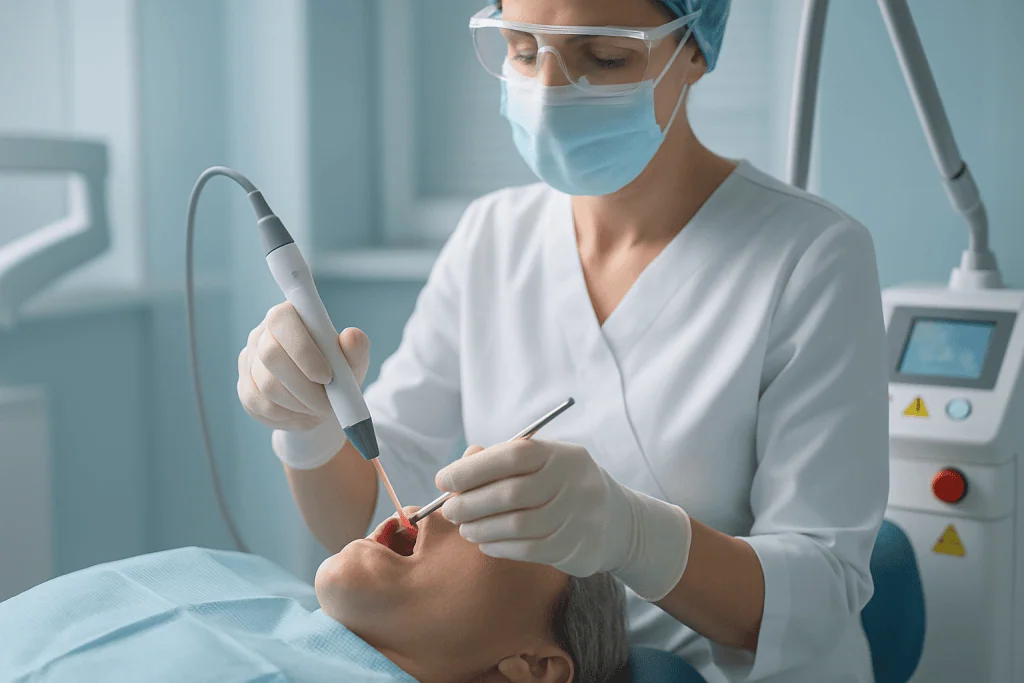
Laser dentistry uses focused light energy to treat gums, cavities, sensitivity, and cosmetic concerns with less bleeding and discomfort. It supports precise, minimally invasive dental care when suitable.
Quick answer
Laser dentistry uses focused light energy to treat selected dental and gum problems, including cavities, gum disease, tooth sensitivity, and some cosmetic concerns, with precise, minimally invasive care. At Acibadem in Turkey, dentists assess whether laser treatment is suitable and use it alone or alongside conventional methods to support accurate treatment, reduced bleeding, and greater comfort.
Considering Laser Dentistry When Comfort, Precision and Confidence Matter
Dental treatment often carries more emotional weight than patients expect. Many people delay care because they worry about pain, drilling sounds, bleeding, swelling, anesthesia, recovery time or how a procedure may affect their appearance. For international patients, these concerns can feel even larger: you may be comparing treatment options across countries, trying to understand whether a newer technique is appropriate, and looking for a dental team that can communicate clearly before you travel.
Laser dentistry offers a modern approach to selected dental and gum procedures by using concentrated light energy instead of, or in combination with, traditional dental instruments. When it is suitable, laser treatment can make certain procedures more precise and less invasive. It may reduce bleeding in soft-tissue treatments, limit discomfort, support faster early healing and help dentists preserve healthy tissue. For some patients, it can also reduce the need for sutures or extensive local anesthesia, depending on the procedure and individual sensitivity.
It is important to understand that laser dentistry is not a single treatment and it is not appropriate for every dental problem. It is a set of techniques that may be used for gum care, cavity preparation, dental sensitivity, cosmetic gum contouring, soft-tissue lesions, periodontal therapy and other indications. The best result depends on an accurate diagnosis, careful case selection and a clinician trained in using dental lasers safely. At Acibadem, laser dentistry is considered within a broader dental treatment plan, rather than as a standalone technology. The goal is to choose the method that is most appropriate for your oral health, comfort, function and long-term outcome.
What Is Laser Dentistry?
Laser dentistry is the use of focused light energy to treat dental tissues. The word laser refers to a beam of light with specific properties that allow it to interact with tissue in a controlled way. In dentistry, different types of lasers are used for different purposes. Some are designed mainly for soft tissues such as the gums, while others can be used for hard tissues such as enamel, dentin and bone. The dentist selects the laser settings according to the tissue being treated and the clinical objective.
In soft-tissue procedures, laser energy can cut, reshape or remove tissue while helping seal small blood vessels. This is why gum treatments performed with a laser may involve less bleeding than traditional techniques. In certain periodontal procedures, laser energy may also help reduce bacterial load within gum pockets as part of a broader cleaning and infection-control plan. In cosmetic dentistry, lasers can be used to refine the gum line and improve symmetry when the gum shape affects the appearance of the smile.
In selected hard-tissue applications, lasers may help prepare small cavities, remove decayed tooth structure or treat areas of tooth sensitivity. They can sometimes reduce vibration and pressure compared with conventional drilling, which some patients find more comfortable. However, lasers do not replace all dental instruments. For example, larger restorations, crowns, complex root canal procedures or certain surgical treatments may still require traditional techniques, or a combination of laser and conventional care.
Laser dentistry should be viewed as a precision tool. It is valuable when it improves safety, comfort, tissue preservation or clinical access. It is less useful when another method is more predictable or more efficient. A responsible dental evaluation will explain whether laser treatment is recommended, whether it will be combined with other techniques, and what you can realistically expect.
Who May Need Laser Dentistry?
Patients may consider laser dentistry for many reasons. Some are looking for a gentler approach because they have dental anxiety or a low tolerance for vibration and pressure. Others have gum inflammation, periodontal pockets, excess gum tissue, oral lesions, tooth sensitivity or small cavities. Many patients ask about lasers because they want treatment that is precise, conservative and aesthetically refined.
Typical symptoms or concerns that may lead to a laser dentistry consultation include bleeding gums, swollen or tender gum tissue, gum pockets caused by periodontal disease, sensitivity to cold or touch, visible gum unevenness, excess gum display when smiling, small cavities, recurring soft-tissue irritation, ulcers or lesions that require evaluation, and discomfort around orthodontic appliances or dental restorations. Some patients also explore laser treatment before cosmetic procedures such as veneers, bonding or smile design, especially when the gum line needs refinement.
Diagnosis begins with a detailed dental examination. Your dentist reviews your medical history, dental history, medications, allergies, previous procedures and current symptoms. A clinical examination evaluates the teeth, gums, bite, restorations, oral soft tissues and jaw function. For periodontal concerns, the dentist or periodontist measures gum pocket depths and checks for bleeding, recession, tooth mobility and bone support. For cavities or deeper dental problems, digital imaging may be used to assess tooth structure and surrounding bone. In cosmetic cases, photographs, digital smile assessment and bite evaluation may help plan the treatment.
International patients often send dental records, X-rays or photographs before travel. This can help the dental team provide an initial opinion, but a definitive treatment plan usually requires an in-person examination. The reason is simple: laser dentistry depends on tissue quality, access, depth, inflammation, tooth anatomy and other details that must be assessed directly. Once the diagnosis is complete, your clinician can explain whether laser treatment is the primary approach or part of a combined plan.
Conditions and Indications Laser Dentistry Can Address
Laser dentistry may be used in several areas of dental care. Its role varies by diagnosis, the type of laser available, the clinician’s training and the patient’s overall oral health. Common indications include gum disease support, gingival reshaping, treatment of excess gum tissue, management of soft-tissue lesions, cavity preparation in selected cases, tooth sensitivity therapy, frenectomy and assistance in cosmetic dental planning.
For gum disease, lasers may be used alongside periodontal cleaning to target inflamed tissue and bacteria inside gum pockets. This does not replace the need for mechanical removal of plaque and calculus, and it does not eliminate the importance of home care. However, in selected patients, laser-assisted periodontal therapy may help support tissue healing and reduce bleeding. The overall treatment plan may include scaling and root planing, maintenance visits, oral hygiene coaching and sometimes surgical periodontal care if disease is advanced.
For cosmetic gum contouring, lasers can reshape the gum margin with a high level of control. This may be appropriate for patients with an uneven gum line, small asymmetries, or excess gum tissue covering part of the teeth. In smile design, gum contouring may be coordinated with whitening, bonding, veneers, crowns or orthodontic treatment. The goal is not simply to remove tissue, but to create a balanced relationship between teeth, gums, lips and facial features.
Laser dentistry may also help with soft-tissue conditions such as fibromas, overgrowth around orthodontic brackets, minor gum enlargement, tongue-tie or lip-tie procedures in selected patients, and tissue correction around implants or restorations. Some lasers are used to provide relief for certain types of oral ulcers or sensitivity. In cavity treatment, lasers may be suitable for small to moderate areas depending on tooth location, depth of decay and restoration type. The dentist will determine whether laser preparation is appropriate or whether conventional instruments are necessary for the most durable restoration.
How Laser Dentistry Is Performed
Preparation and Treatment Planning
Your treatment begins with a consultation and diagnostic assessment. The dentist evaluates the reason for treatment, the condition of the teeth and gums, your bite, your oral hygiene pattern and any medical factors that may affect healing. Conditions such as diabetes, immune disorders, bleeding tendencies, use of blood-thinning medication, smoking or certain medications may influence the plan. If you have a history of heart valve disease, joint replacement or other medical conditions, your dentist may coordinate with your physician about whether special precautions are needed.
For international patients, preparation may begin before arrival. You may be asked to share recent dental X-rays, photographs, a list of medications and previous dental reports. A coordinator may help organize appointment timing, translation support and the sequence of care if you are combining laser dentistry with other dental procedures. If your treatment is part of cosmetic dentistry, your dentist may also review smile photographs, facial proportions and aesthetic goals.
Before the procedure, the dentist explains what will be done, which tissues will be treated, whether local anesthesia is recommended and what recovery is expected. Protective eyewear is used during laser procedures because the light must be kept away from the eyes. The treatment area is isolated and cleaned. If periodontal therapy is being performed, the laser may be used after or during professional cleaning steps. If gum contouring is planned, the dentist may mark or digitally plan the gum line to guide the procedure.
During the Procedure
Laser dental procedures are usually performed in an outpatient dental setting. Most patients remain awake. Local anesthesia may be used depending on the procedure, the tissue being treated and the patient’s sensitivity. Some very minor soft-tissue treatments may require little or no anesthesia, but comfort is always assessed individually. Patients who have significant dental anxiety can discuss additional comfort measures in advance.
The dentist directs the laser tip or handpiece toward the treatment area. The laser energy interacts with tissue in a controlled manner. In soft-tissue treatment, it may remove or reshape gum tissue while helping reduce bleeding. In periodontal applications, the laser may be passed within gum pockets as part of treatment to address diseased tissue and bacterial contamination. In hard-tissue care, the laser may assist with removal of selected areas of decay or surface preparation, depending on the case.
The technology used in laser dentistry is designed to deliver energy with high precision. Adjustable settings allow the clinician to tailor power, pulse duration and exposure to the tissue type. Some systems use water or air cooling to help protect the tooth and surrounding tissues. Magnification, digital imaging and intraoral cameras may be used to improve visualization. For complex cases, digital smile planning, periodontal charting and radiographic imaging help guide treatment decisions. The value of these technologies is not that they make care automatic; rather, they give the clinician better information and greater control.
Procedure time varies widely. A small soft-tissue adjustment may take only a short appointment. Laser-assisted periodontal therapy or cosmetic gum contouring involving several teeth may require a longer visit, and more advanced periodontal or restorative care may be staged over multiple appointments. Your dentist will explain the expected timing based on the number of areas treated and whether additional procedures are planned.
After the Procedure and Early Recovery
After laser dentistry, patients usually receive instructions for eating, oral hygiene and medication if needed. Mild tenderness, warmth, swelling or sensitivity can occur, particularly after gum procedures. Bleeding is often limited in soft-tissue laser care, but the treated area still needs time to heal. You may be advised to avoid spicy foods, very hot drinks, alcohol, smoking, vigorous rinsing or hard brushing for a short period. Soft foods may be recommended for the first day or two after more extensive gum treatment.
Oral hygiene remains important. Depending on the procedure, your dentist may recommend gentle brushing around the treated area, a prescribed mouth rinse, saltwater rinses or temporary changes in flossing. If periodontal disease is being treated, maintenance appointments and improved home care are central to the long-term result. Laser therapy can support periodontal healing, but it cannot compensate for persistent plaque buildup or missed maintenance.
Most patients return to normal daily activities quickly after minor laser dental procedures. More extensive periodontal or cosmetic gum procedures may involve several days of tenderness and a longer tissue maturation period. Gum tissue can continue to refine in appearance over weeks. If laser treatment is part of a larger smile design plan, the final aesthetic result may depend on subsequent restorations, whitening, orthodontic alignment or other planned steps.
Why Acting Early Matters
Dental and gum problems often progress quietly. A small cavity may not hurt at first, but it can deepen into the dentin, reach the nerve and eventually require root canal treatment or extraction. Gum inflammation may begin as occasional bleeding, then develop into periodontal pockets, bone loss, gum recession and tooth mobility. A minor soft-tissue overgrowth may become more difficult to manage if it remains chronically irritated. Early evaluation gives your dentist more conservative options.
Laser dentistry is often most valuable when disease is identified before extensive damage has occurred. In early gum disease, treatment may help reduce inflammation and support healthier tissue. In small cavities, conservative preparation may preserve more tooth structure. In cosmetic gum concerns, early planning can avoid unnecessary restorative changes and help coordinate the gum line with the final smile design. When treatment is delayed, the condition may require more complex procedures, longer recovery and a broader treatment plan.
Delay can also affect systemic health in some patients. Periodontal inflammation is associated with overall inflammatory burden and may be particularly important for people with diabetes, cardiovascular risk factors or immune concerns. While dental treatment is not a substitute for medical care, controlling oral infection and inflammation is part of responsible health management. If you notice persistent bleeding, swelling, gum recession, tooth sensitivity, loose teeth, pain or changes in the mouth, it is better to seek assessment rather than wait for symptoms to become severe.
Benefits of Laser Dentistry
When laser dentistry is appropriate for the diagnosis, patients may experience several practical and clinical advantages.
| Benefit | What It Means for You |
|---|---|
| Precise tissue treatment | The dentist can target selected areas while helping preserve surrounding healthy tissue, which is especially useful in gum contouring and selected periodontal procedures. |
| Less bleeding in many soft-tissue procedures | Laser energy can help seal small blood vessels during treatment, making some gum procedures cleaner and easier to tolerate. |
| Reduced vibration and pressure in selected hard-tissue care | Some patients find laser-assisted cavity preparation more comfortable than conventional drilling, when the case is suitable. |
| Potentially faster early soft-tissue healing | Because treatment can be conservative and controlled, the early recovery period may be easier for selected gum procedures. |
| Support for aesthetic dental planning | Laser gum reshaping can improve gum symmetry and help create better proportions before veneers, bonding, crowns or other smile design treatments. |
| Useful adjunct in periodontal care | Laser therapy may be combined with professional cleaning and maintenance to support infection control and tissue response in selected gum disease cases. |
Recovery Timeline After Laser Dentistry
Recovery depends on the type and extent of treatment, but many patients resume normal routines soon after minor laser dental procedures.
| Time Period | What Patients Can Expect |
|---|---|
| Day 1 | Mild tenderness, sensitivity or warmth in the treated area may occur. Soft foods and gentle oral hygiene are usually recommended, especially after gum treatment. |
| First Week | Most minor soft-tissue areas begin to feel more comfortable. Patients may need to avoid irritating foods, smoking and aggressive brushing while tissue heals. |
| First Month | Gum tissue continues to mature and settle. Periodontal patients may have follow-up assessments to check inflammation, pocket response and home care effectiveness. |
| Longer Term | Results depend on diagnosis, oral hygiene, maintenance visits, bite forces, smoking status and whether additional restorative or cosmetic treatment is needed. |
What Influences a Good Outcome?
A good outcome in laser dentistry begins with the right diagnosis. The same symptom can have different causes. Gum bleeding may come from plaque-related inflammation, periodontal disease, a poorly fitting restoration, hormonal changes, medication effects or systemic health issues. Tooth sensitivity may result from recession, enamel wear, cavities, cracks, whitening sensitivity or bite-related stress. Because laser treatment is only beneficial when it addresses the correct problem, careful evaluation is essential.
Case selection is equally important. Lasers are highly useful for some procedures and less appropriate for others. A small area of excess gum tissue may respond well to laser reshaping, while advanced periodontal disease with significant bone loss may require a broader plan involving deep cleaning, surgical periodontal treatment, regeneration techniques or long-term maintenance. A small cavity may be suitable for laser-assisted treatment, while a large restoration may require conventional preparation for strength and durability. The dentist’s responsibility is to recommend the method that best serves the patient, not simply the newest or most requested technique.
The clinician’s experience with dental lasers also matters. Effective laser treatment requires understanding of tissue interaction, energy settings, cooling, hand movement, anatomy and healing patterns. Too little energy may be ineffective; too much may cause unnecessary thermal injury or delayed healing. Proper training, careful technique and appropriate safety measures help reduce risk and improve predictability.
Your general health and oral habits influence healing. Smoking and vaping can slow gum healing and increase periodontal risk. Diabetes, especially if poorly controlled, may affect infection control and tissue repair. Certain medications can contribute to dry mouth, gum enlargement or bleeding tendency. Teeth grinding or clenching can place stress on restorations and gum tissues. A personalized plan considers these factors rather than treating the mouth in isolation.
Home care is one of the strongest determinants of long-term success. Laser periodontal treatment may reduce inflamed tissue and support healing, but daily plaque control is necessary to maintain results. Brushing technique, interdental cleaning, professional maintenance, diet and management of dry mouth all matter. Patients who return for recommended follow-up visits are more likely to detect recurrence early and preserve the benefits of treatment.
For cosmetic laser dentistry, success is not only about removing tissue. The gum line must be planned in relation to tooth shape, smile line, lip movement and facial proportions. Overcorrection can make teeth appear too long or expose areas that are difficult to maintain. Undercorrection may leave the smile asymmetrical. When cosmetic gum contouring is part of a larger smile plan, coordination between restorative dentists, periodontists and other specialists can improve the final aesthetic balance.
Why International Patients Choose Acibadem for Laser Dentistry
Patients traveling for dental care need more than a procedure. They need clear communication, careful planning, reliable diagnostics and a team that understands the practical concerns of receiving treatment abroad. At Acibadem, laser dentistry is offered within an established healthcare environment that supports coordinated dental and medical care when needed. This can be especially valuable for patients with medical conditions, complex dental histories or combined aesthetic and functional goals.
Acibadem Hospitals are JCI-accredited, reflecting structured standards for patient safety, quality processes and care coordination. For dental patients, this environment supports disciplined protocols, infection control, documentation and interdisciplinary communication. Laser dentistry is integrated into evidence-based dental planning, with the treatment method selected according to diagnosis, tissue condition and patient needs.
Multidisciplinary care is an important part of complex dental decision-making. Depending on your condition, your plan may involve restorative dentists, periodontists, oral and maxillofacial surgeons, endodontists, orthodontists, prosthodontists or medical specialists. For example, a patient with gum disease and missing teeth may need periodontal stabilization before implant planning. A patient seeking a smile makeover may need gum contouring coordinated with veneers or crowns. A patient with diabetes, bleeding risk or immune concerns may benefit from medical input before elective treatment. Specialist collaboration helps avoid fragmented care and supports a more coherent treatment sequence.
International patients often arrive with limited time in the country, so planning must be realistic. Some laser procedures can be completed in a single visit, while others require staged appointments, healing intervals or follow-up care. Acibadem International provides dedicated support for patients traveling from abroad, including assistance with appointment organization, medical document exchange, translation services in more than 20 languages and coordination around travel logistics. The purpose is to help patients understand the process before arrival and move through care with fewer uncertainties.
Technology also plays a practical role. Digital dental imaging, intraoral cameras, periodontal assessment tools, magnification and laser systems help clinicians diagnose accurately and treat with greater control. In cosmetic cases, digital photography and smile analysis may help align patient expectations with clinical possibilities. In periodontal cases, measurement and documentation allow the team to monitor response over time. The technology is valuable because it supports clinical judgment, communication and precision.
Patients also choose Acibadem because treatment planning is individualized. Laser dentistry may be recommended as the main approach, as an adjunct to conventional dental therapy or not recommended if another treatment is more appropriate. A patient with minor gum asymmetry may need a simple laser contouring procedure. A patient with advanced gum disease may need a periodontal program that includes deep cleaning, laser-assisted therapy, maintenance and risk-factor control. A patient with sensitivity may need evaluation for recession, enamel wear, bite trauma or cavities before choosing treatment. Personalized planning helps ensure that the procedure matches the underlying problem.
For many international patients, a second opinion is a helpful step. If you have been advised to have gum surgery, extensive restorative treatment, periodontal therapy or cosmetic gum reshaping, an additional evaluation can clarify whether laser dentistry may reduce invasiveness or improve the treatment sequence. A second opinion may also identify when laser care is not enough and when more comprehensive treatment is needed. The aim is clarity, not pressure.
Moving Forward With Clear Information and the Right Dental Plan
Laser dentistry can be an excellent option for selected dental and gum concerns. It may allow precise soft-tissue treatment, support periodontal care, improve gum aesthetics, assist with sensitivity management and make certain procedures more comfortable. Its value depends on proper diagnosis, the right type of laser, experienced technique and a treatment plan that considers your long-term oral health.
If you are considering laser dentistry abroad, the most important first step is a careful evaluation. Sharing your dental records, X-rays, photographs and treatment goals can help the team begin assessing your case before travel. An in-person consultation then confirms the diagnosis and determines whether laser treatment is appropriate, whether it should be combined with other procedures, and what recovery timeline you should expect.
Acibadem offers international patients a structured setting for dental assessment and treatment planning, with experienced physicians and dentists, advanced diagnostic pathways, multilingual patient support and multidisciplinary coordination when needed. Whether you are seeking treatment for gum disease, sensitivity, a cavity, a soft-tissue concern or cosmetic gum refinement, a consultation or second opinion can help you make an informed decision with confidence.
This information is general and is not a substitute for professional medical or dental advice. A qualified dentist or healthcare professional should evaluate your individual condition and recommend the most appropriate treatment plan.
Preparation
- A dentist evaluates your oral health, medical history, medications, and treatment goals before deciding whether laser dentistry is appropriate. Dental X-rays or photographs may be taken if needed. You may be advised to eat normally unless sedation is planned, and to inform the team about pregnancy, implants, or bleeding disorders.
Aftercare
- Mild sensitivity, swelling, or gum tenderness can occur and usually improves quickly. Follow oral hygiene instructions, avoid very hot or spicy foods for the first day if gums were treated, and take prescribed medicines as directed. Attend any recommended follow-up visit to monitor healing and treatment results.
Turkey vs UK, Germany & USA
Laser dentistry can support precise, minimally invasive dental care for selected gum, cavity, sensitivity and cosmetic concerns. Costs and patient experience vary by the indication, technology used, clinician expertise and the overall care pathway.
The comparison below highlights common cost and experience factors for patients considering laser dentistry in different healthcare settings.
| Factor | Turkey | UK | Germany | USA |
|---|---|---|---|---|
| Price drivers | Often influenced by private clinic pricing, laser type, case complexity and whether dental imaging or other treatments are included. | Costs vary between public access and private dental care; cosmetic or advanced laser procedures are commonly private. | Pricing depends on private practice fees, technology level, laboratory needs and whether insurance contributes. | Highly variable private fees; costs may rise with specialist involvement, facility overheads and insurance limitations. |
| Hospital and dentist factors | International hospitals and dental centers may offer coordinated treatment planning, specialist input and multilingual patient services. | General dentists and specialists may provide laser services depending on training and equipment availability. | Care may be provided in dental practices or specialist centers with structured diagnostics and detailed planning. | Wide range of providers, from general practices to specialist dental centers, with broad variation in fees and protocols. |
| Accreditation and quality | Patients may choose JCI-accredited hospital groups such as Acibadem, alongside licensed dental professionals and modern technology. | Quality is regulated through national professional standards and clinical governance systems. | Quality oversight is supported by professional regulation, strong clinical documentation and established dental standards. | Quality depends on provider credentials, state regulation, facility standards and professional board certification where relevant. |
| Waiting times | Private scheduling can often be arranged around travel plans, subject to specialist availability and treatment complexity. | Private appointments may be faster than public pathways; availability depends on location and provider demand. | Appointments are generally scheduled through private or insured pathways, with timing influenced by diagnostics and specialist access. | Access can be prompt in private settings, but timing varies by region, insurance approval and specialist availability. |
| Travel and language logistics | International patient teams may assist with appointments, translation, travel coordination and follow-up planning. | Convenient for local patients; international patients may need to arrange travel, accommodation and aftercare separately. | International patients may need language support depending on the clinic and city; follow-up logistics should be planned in advance. | Travel, accommodation, insurance administration and follow-up can add complexity for international patients. |
| Typical package content | Packages may include consultation, dental assessment, imaging when needed, laser procedure, medication guidance and care coordination. | Services are commonly billed by consultation and procedure, with imaging, hygiene care or restorations itemised separately. | Treatment plans often separate diagnostics, procedure fees, materials and follow-up visits. | Quotes may itemise consultation, imaging, anesthesia, procedure, materials and follow-up, depending on provider policy. |
- What affects your final cost:
- The dental problem being treated, such as gum disease, cavities, sensitivity or cosmetic reshaping.
- The type of laser and whether soft tissue, hard tissue or combined treatment is required.
- The dentist or specialist’s experience and the clinical setting.
- Need for imaging, cleaning, fillings, periodontal therapy, restorations or additional cosmetic dentistry.
- Anesthesia or sedation requirements, if appropriate.
- Follow-up care, travel planning, accommodation and language support for international patients.
Compare your options
Laser dentistry includes several clinical approaches. Suitability is decided by a dental specialist after examination, diagnosis and discussion of alternatives.
| Option | What it is | Typical use | Key considerations |
|---|---|---|---|
| Soft tissue laser treatment | Focused light energy used on gum and other soft tissues. | Gum contouring, frenectomy, managing excess gum tissue and selected periodontal procedures. | May reduce bleeding and support precise tissue shaping, but healing response and gum health must be assessed. |
| Hard tissue laser treatment | Laser energy used on tooth structure in selected cases. | Small cavity preparation, enamel modification and minimally invasive tooth treatment when suitable. | Not every cavity or tooth condition is appropriate; conventional drilling or restorative care may still be needed. |
| Laser assisted periodontal care | Laser used alongside cleaning and periodontal therapy to target inflamed or infected gum pockets. | Selected gum disease cases as part of a broader periodontal plan. | Usually combined with professional cleaning, home care improvement and ongoing maintenance visits. |
| Laser treatment for sensitivity | Laser energy applied to help seal or reduce sensitivity pathways in selected teeth. | Tooth sensitivity related to exposed dentin or gum recession, when appropriate. | The cause of sensitivity must be diagnosed, as decay, cracks, bite issues or gum disease may require different care. |
| Laser supported cosmetic dentistry | Laser use as part of smile design or aesthetic dental care. | Gum reshaping, aesthetic gum symmetry and support for selected whitening protocols. | Results depend on gum position, tooth proportions, oral health and whether veneers, bonding or orthodontics are also needed. |
Trusted care for international patients
General information only — not medical or financial advice. Final costs depend on the factors above and your individual case; request a free, personalised quote.
Doctors Performing This Treatment

Assoc. Prof. Dr. Ferit Bayram
Oral & Dental HealthDr. Ali Riza Özdurmuş
Oral & Dental Health
Dr. Arzu Morçiçek
Oral & Dental Health
Dr. Bedii Ender Topçu
Oral & Dental Health
Dr. Begüm Öykü Kesim
Oral & Dental Health
Dr. Ceyda Sabancı
Oral & Dental HealthDr. Deniz Turgut
Oral & Dental Health
Dr. Destina Suay Sarı
Oral & Dental Health
Dr. Emre Çengelli
Oral Dental & Maxillofacial Surgery
Dr. Eylül Türsen
Oral & Dental Health
Dr. Ezgi Gülüm
Oral Dental & Maxillofacial Surgery
Dr. Halime Bayram
Oral & Dental Health
Dr. Havva Gölalan
Oral & Dental Health
Dr. Helin Kuşsever Topçu
Oral & Dental Health
Dr. Melike Zeynep Çapoğlu
Oral & Dental Health
Dr. Merve Ağartıoğlu
Oral & Dental Health
Dr. Metin Kınacı
Oral & Dental Health
Dr. Mücahit Güner
Oral & Dental Health
Dr. Pelin Açık
Oral & Dental Health
Dr. Sebiha Nihal Yılmaz
Oral Dental & Maxillofacial SurgeryDr. Seda Saygılı Özaydın
Oral & Dental Health
Dr. Uğur Önder
Oral & Dental Health
Dr. Zeynep Ekin Kılınç
Oral & Dental Health
Dr. Çağla Su Doğangün Ayduk
Oral & Dental HealthMedical Units
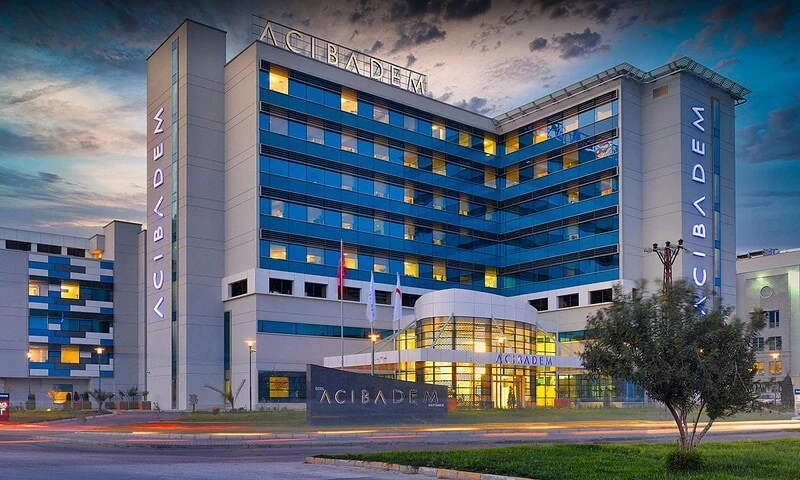
Available at These Hospitals










Guides for This Treatment
Frequently Asked Questions
What affects the cost of laser dentistry?
The main factors are the condition being treated, the laser technique used, treatment complexity, dentist or specialist expertise, diagnostic imaging, anesthesia needs and whether additional dental procedures are required.
How can I get a personalised quote from Acibadem?
You can request a free consultation by sharing your dental concern, recent dental records or images if available, and your treatment goals. A clinical team can review your case and provide a personalised treatment plan and quote.
Is laser dentistry always more cost effective than conventional dental treatment?
Not necessarily. Laser dentistry may offer benefits such as precision and reduced bleeding in suitable cases, but the most appropriate and cost effective option depends on your diagnosis, oral health and treatment goals.
Does a laser dentistry quote include travel and accommodation?
This depends on the package. Dental care quotes usually focus on clinical services, while travel, accommodation, transfers and translation support may be arranged separately or included depending on the international patient service plan.
Will I need follow-up after laser dental treatment?
Follow-up needs depend on the procedure and your healing response. Your dentist may recommend review visits, periodontal maintenance, oral hygiene guidance or coordination with your local dentist after you return home.