

Teeth Veneers
Teeth veneers are thin porcelain or composite shells bonded to the front of teeth to improve color, shape, size, and alignment. They are part of aesthetic smile design.
Quick answer
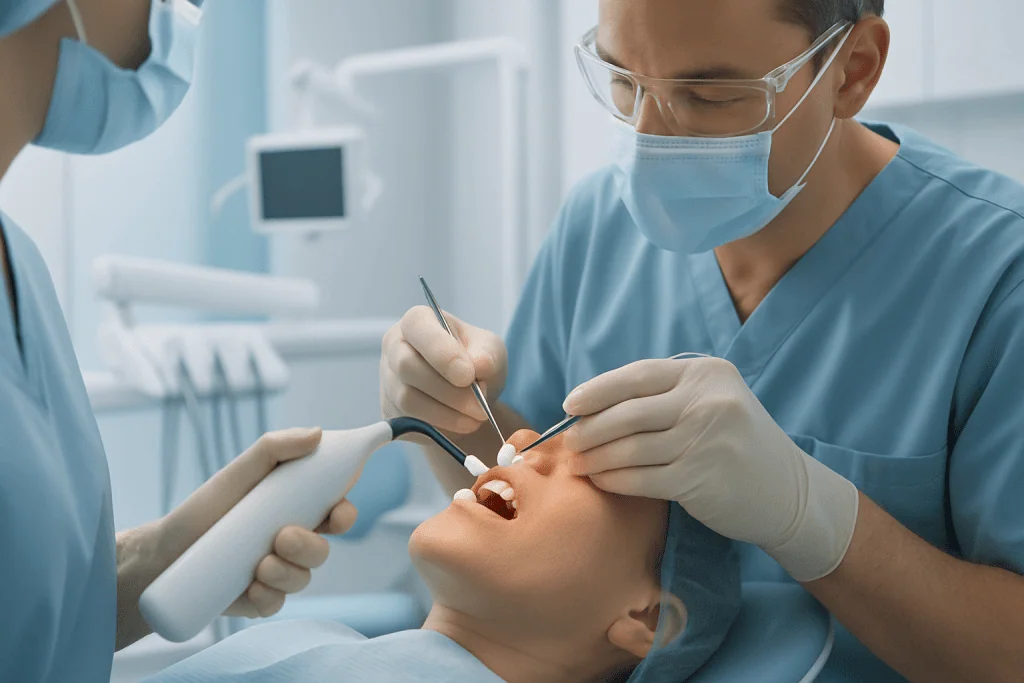
Teeth veneers are thin porcelain or composite shells bonded to the front surface of teeth to improve color, shape, size, and the appearance of minor misalignment as part of smile design. At Acibadem in Turkey, veneer treatment is planned after a dental assessment and imaging, then the teeth are prepared as needed and custom veneers are placed to create a…
Considering Teeth Veneers: A Personal Decision About Your Smile
Choosing teeth veneers is often about more than wanting a brighter smile. Many patients arrive at this decision after years of feeling self-conscious about staining, small gaps, worn edges, uneven tooth shape, or teeth that do not look as balanced as they would like in photographs or daily life. For international patients, the decision can feel even more complex: you may be comparing treatment options, evaluating safety and quality abroad, and trying to understand what is realistic for your teeth, your facial features, and your long-term oral health.
Veneers can be a highly effective part of aesthetic smile design when they are planned carefully and placed on healthy teeth and gums. They are not simply “covers” for teeth. A well-designed veneer treatment considers the way your teeth fit together, the proportions of your face, your lip line, your gum contours, your speech, and how your smile looks in motion. The goal is to create a natural, balanced result that feels comfortable and functions well, not an artificial smile that looks the same on every person.
It is also normal to have questions. Will the veneers look natural? Will the teeth need to be shaved? Is the treatment painful? How long will the result last? What happens if a veneer breaks in the future? A careful consultation should answer these questions honestly, including the limitations of treatment and any dental problems that should be addressed first. Veneers can produce a refined cosmetic change, but their success depends on diagnosis, planning, material selection, precise bonding, and ongoing care.
At Acibadem, veneer treatment is approached as a personalized dental and aesthetic procedure. The process may involve aesthetic dentists, prosthodontic expertise, periodontic evaluation when gum health or gum line aesthetics are involved, and coordinated planning for international patients who need an efficient treatment schedule. This careful preparation helps ensure that the final smile is not only attractive, but also compatible with your oral health and daily function.
What Are Teeth Veneers?
Teeth veneers are thin, custom-made shells that are bonded to the visible front surface of teeth. They are used to improve the appearance of tooth color, shape, size, length, symmetry, and minor alignment issues. Veneers are most commonly placed on the upper front teeth, although they may also be used on lower teeth or additional visible teeth depending on the smile design.
There are two main categories of veneers: porcelain veneers and composite veneers. Porcelain veneers are crafted outside the mouth, usually in a dental laboratory or through digital dental workflows, and then bonded to the teeth. They are valued for their translucency, color stability, and resistance to staining. Composite veneers are made from tooth-colored resin material that may be applied directly to the tooth in the dental chair or fabricated indirectly. Composite treatment can sometimes be completed more quickly and may require less tooth preparation, but it may be more prone to staining and wear over time compared with porcelain.
Veneers are part of aesthetic smile design, but they are still a dental treatment. The tooth surface must be suitable for bonding, the gums must be healthy, and the bite must allow the veneers to withstand normal chewing forces. In some cases, whitening, orthodontic treatment, gum contouring, replacement of old restorations, or treatment for grinding may be recommended before veneers. This is why a thorough assessment is essential before deciding on the final treatment plan.
Veneers can be made to look very natural. The design may include subtle differences in shade, translucency, edge shape, and surface texture so the teeth reflect light like natural enamel. For some patients, the desired result is a brighter and more uniform smile. For others, the best result is a discreet improvement that looks like their own teeth at their healthiest and most balanced.
Who May Need Teeth Veneers?
Teeth veneers may be appropriate for adults who are unhappy with the visible appearance of their teeth and have sufficient oral health to support cosmetic restorative treatment. Patients often seek veneers because their teeth are stained, chipped, worn, uneven, slightly spaced, or different in size. Veneers may also help when previous bonding has discolored or when teeth do not respond well enough to whitening.
Common concerns that lead patients to ask about veneers include deep discoloration from old dental trauma, medication-related staining, enamel defects, minor cracks, small gaps between teeth, shortened teeth from wear, and irregular tooth contours. Some patients have naturally small teeth or lateral incisors that appear too narrow. Others have had years of erosion, clenching, or grinding that changed the shape of their smile.
Diagnosis begins with a detailed dental examination. Your dentist evaluates the teeth, gums, existing fillings or crowns, bite relationship, jaw function, and signs of clenching or grinding. Dental photographs are commonly taken to assess smile proportions, tooth display, midline, gum symmetry, and how the smile relates to the lips and face. Digital scans or impressions may be used to create models of the teeth. X-rays may be needed to check tooth roots, bone support, old restorations, cavities, and hidden dental disease.
A good candidate for veneers generally has healthy gums, teeth free of active decay, enough enamel for reliable bonding, and realistic expectations about what veneers can and cannot correct. Veneers can improve mild irregularities, but they are not a substitute for orthodontic treatment when teeth are significantly crowded, rotated, or misaligned. They are also not the best solution if a tooth is structurally weak, heavily filled, or needs full coverage; in that situation, a crown or another restoration may be more appropriate.
Patients who grind or clench their teeth may still be candidates, but the treatment plan must address that risk. A night guard may be recommended after veneers to protect the restorations. If gum disease, cavities, bite instability, or severe enamel erosion is present, these problems should be treated first. Placing veneers over untreated dental disease can shorten the life of the result and may lead to discomfort or future complications.
Conditions and Cosmetic Indications Veneers Can Address
Veneers are most often used for cosmetic enhancement, but they can also restore the visible surface of teeth affected by wear or enamel irregularities. The indications vary from a subtle correction of one or two teeth to a comprehensive smile design involving multiple teeth in the aesthetic zone.
- Discolored teeth: Veneers can cover stains that do not improve adequately with whitening, including certain internal discolorations or old trauma-related darkening.
- Chipped or worn edges: Veneers can rebuild the visible shape of teeth that have minor chips, uneven edges, or worn tips.
- Small gaps: Veneers can close limited spaces between front teeth when the bite and tooth proportions allow it.
- Uneven tooth size or shape: Veneers can create better harmony when teeth are naturally narrow, short, pointed, or asymmetrical.
- Mild alignment concerns: Veneers may visually improve slight crowding or rotations, although orthodontics may be more appropriate for larger alignment problems.
- Enamel defects: Some patients have surface defects, developmental irregularities, or texture problems that can be masked with veneers.
- Old cosmetic bonding: Veneers may replace aging composite bonding that has stained, chipped, or lost its original appearance.
Veneers are not appropriate for every cosmetic concern. Active gum disease, untreated cavities, insufficient enamel, severe tooth wear, uncontrolled bruxism, or unrealistic expectations may lead the dentist to recommend another approach. In some cases, a combination of treatments produces the best outcome, such as whitening the natural teeth before selecting a veneer shade, aligning the teeth with clear aligners before veneers, or improving gum contours to create a balanced frame for the smile.
How Teeth Veneer Treatment Is Performed
Consultation and Smile Analysis
The process begins with a consultation focused on your goals and your dental health. You may be asked what you like and dislike about your current smile, whether you prefer a very natural or brighter appearance, and whether there are specific features you want to preserve. This conversation is important because an attractive veneer result is highly personal. A smile that is ideal for one person may not suit another person’s face, age, personality, or professional image.
The dentist evaluates facial proportions, tooth display at rest and while smiling, gum levels, tooth color, and the relationship between the upper and lower teeth. Digital photography and intraoral scanning can help document the starting point and support planning. In some cases, a digital smile design or diagnostic wax-up may be created to preview proposed changes in tooth length, width, shape, and alignment. This planning stage helps reduce uncertainty and allows you to discuss the design before irreversible tooth preparation is performed.
Preparation Before Veneers
Before veneers are placed, the mouth must be healthy. Any cavities, leaking fillings, gum inflammation, or infections should be treated first. Professional cleaning may be recommended to reduce inflammation and improve the accuracy of shade selection. If teeth whitening is planned, it is usually completed before veneers are made because veneer color does not whiten after bonding. Once the final shade is selected, it should harmonize with the surrounding natural teeth.
For international patients, preparation may include sharing dental photographs, X-rays, and prior treatment records before traveling. This allows the dental team to make an initial assessment and estimate the number of visits required. However, the final plan is confirmed only after an in-person examination, because details such as enamel thickness, gum health, and bite forces must be assessed directly.
Tooth Preparation and Impressions
Veneer preparation depends on the case. Some patients may be suitable for minimal-preparation veneers, while others need a small amount of enamel reshaping so the veneer can fit naturally without making the tooth look bulky. The amount of preparation is planned conservatively, with the aim of preserving healthy tooth structure whenever possible. Local anesthesia may be used to keep the appointment comfortable.
After preparation, the dentist takes a digital scan or impression of the teeth. This record is used to create custom veneers that fit the prepared teeth precisely. The dental laboratory or digital production team uses the dentist’s instructions regarding shade, shape, translucency, and surface texture. If needed, temporary veneers may be placed to protect the teeth and provide a preview of the planned appearance while the final veneers are being made.
How Porcelain Veneers Are Made
Porcelain veneers are designed to match the treatment plan and the patient’s smile. Modern dental ceramics can be layered or milled depending on the material and clinical needs. The dentist and technician consider how light passes through the restoration, how the edges will look, how much opacity is needed to mask discoloration, and how the veneer will meet the gum line. These details influence whether the result appears natural in different lighting conditions.
The fit of each veneer is checked before bonding. The dentist evaluates the margins, contact points, color, shape, and how the veneers sit in relation to the lips and opposing teeth. Sometimes small adjustments are made before final placement. Patients should be involved in approving the appearance at this stage, especially when multiple front teeth are being treated.
Bonding the Veneers
Bonding is one of the most important steps in veneer treatment. The tooth surface and the inner surface of the veneer are prepared with specific dental materials to create a strong adhesive connection. The veneer is positioned carefully with resin cement, and a curing light is used to harden the cement. Excess material is removed, and the margins are polished. The dentist then checks the bite to make sure there are no high spots or harmful contacts that could stress the veneers.
For composite veneers, the process may differ. Direct composite veneers are sculpted onto the tooth in layers, shaped, hardened with a curing light, and polished during the same appointment. Indirect composite veneers are made outside the mouth and bonded in a process more similar to porcelain veneers. The choice between porcelain and composite depends on goals, budget considerations, time, tooth condition, and the desired longevity and finish.
Technology Used in Veneer Planning and Placement
Technology supports precision, communication, and patient understanding throughout veneer treatment. Digital photography helps analyze the smile and communicate details to the laboratory. Intraoral scanners can create accurate digital models without traditional impression trays in many cases. Digital smile design tools may help show how changes in tooth length, width, and shape could affect the overall appearance. Dental radiographs or three-dimensional imaging may be used when there are concerns about roots, bone, old restorations, or surgical planning related to gums or implants.
Computer-aided design and manufacturing may be used in some veneer workflows to create restorations with consistent fit and shape. Even with advanced digital tools, the clinical judgment of the dentist remains central. Technology can support planning, but the final result depends on diagnosis, material selection, artistry, bonding technique, and careful adjustment of the bite.
Typical Duration and Appointment Schedule
The timing of veneer treatment depends on the number of teeth, the type of veneer, the need for preliminary care, and the production workflow. Composite veneers may sometimes be completed in a single appointment or a short series of visits. Porcelain veneers usually require at least two main clinical appointments: one for preparation and impressions or scanning, and another for try-in and bonding. Additional visits may be needed for consultation, cleaning, whitening, gum treatment, design approval, or bite adjustment.
International patients often ask whether veneers can be completed during one trip. In many cases, treatment can be organized within a defined travel window, but the schedule should allow time for careful planning, laboratory work, try-in, and final adjustments. Rushing cosmetic dental treatment can increase the risk of compromises in fit, shade, or comfort. A responsible plan balances efficiency with clinical quality.
Recovery After Veneers
Recovery after veneer placement is usually manageable. Some patients experience temporary sensitivity to cold or mild gum tenderness, especially if tooth preparation or gum contouring was performed. This typically improves as the teeth and gums settle. You may be advised to avoid very hard or sticky foods for a short period, particularly while wearing temporary veneers or immediately after bonding.
Once final veneers are bonded, you can usually return to normal daily activities quickly. Eating, speaking, and smiling may feel slightly different at first as your tongue and lips adapt to the new tooth contours. Follow-up is important so the dentist can check the bite, polish any rough areas, and confirm that the gums are responding well. Long-term care includes brushing, flossing, regular dental cleanings, and avoiding habits such as biting pens, opening packages with teeth, or chewing ice.
Why Acting Early Matters
If you are considering veneers, early evaluation can help identify the most conservative and durable path. Many cosmetic concerns become more complicated when underlying dental issues are left untreated. Small chips can enlarge, minor wear can progress, gum inflammation can worsen, and old fillings can weaken the visible tooth structure. Treating these issues before they advance may preserve more natural tooth and expand your treatment options.
Delaying care may also affect the final aesthetic result. For example, untreated grinding can continue shortening teeth and may place future veneers at higher risk. Gum disease can change the gum line and create spaces or recession that are harder to mask cosmetically. Cavities or cracks can progress to the point where a veneer is no longer sufficient and a crown, root canal treatment, or extraction may become necessary.
Early consultation does not mean you must proceed immediately with veneers. It gives you information. You can learn whether whitening, orthodontics, bonding, gum treatment, or veneers are most appropriate. You can also understand the condition of your teeth before making travel plans. For patients researching dental care abroad, this is especially valuable because it helps reduce surprises and supports a realistic timeline.
Benefits of Teeth Veneers
When planned and maintained properly, veneers can offer several aesthetic and functional advantages for suitable patients.
| Benefit | What It Means for You |
|---|---|
| Improved tooth color | Veneers can cover discoloration that does not respond well to whitening and can create a brighter, more consistent smile shade. |
| Enhanced shape and proportion | Teeth that appear short, narrow, chipped, or uneven can be redesigned to better match your facial features and smile line. |
| Natural-looking aesthetics | Porcelain and carefully polished composite materials can be designed with translucency, texture, and contour that resemble natural enamel. |
| Conservative treatment in selected cases | Compared with full crowns, veneers may preserve more natural tooth structure when the teeth are otherwise healthy and suitable for bonding. |
| Stain resistance with porcelain | Porcelain veneers are less prone to staining than natural enamel or composite resin, although good hygiene and regular care remain important. |
| Personalized smile design | The treatment can be planned around your lip movement, gum display, facial proportions, and preferences rather than using a standard template. |
Recovery Timeline After Teeth Veneers
Most patients return to normal routines quickly, although the teeth and gums may need a short period to adapt.
| Time Period | What Patients Can Expect |
|---|---|
| Day 1 | Mild sensitivity, gum tenderness, or awareness of the new tooth shape may occur. If temporary veneers are in place, extra care with chewing is usually advised. |
| First Week | Speech, biting, and lip movement typically begin to feel more natural. Any temporary sensitivity often improves. A bite adjustment may be performed if needed. |
| First Month | The gums usually adapt to the veneer margins. Patients become more comfortable with eating and smiling. Oral hygiene routines should be consistent and gentle. |
| Longer Term | Regular dental checkups, professional cleanings, and protective measures such as a night guard when recommended help maintain the veneers and surrounding teeth. |
What Influences a Good Veneer Result?
A good veneer result depends on a combination of clinical, technical, and personal factors. One of the most important is case selection. Veneers perform best when the underlying teeth are strong, the gums are healthy, and the bite is stable. If a tooth is severely damaged or heavily restored, a veneer may not provide enough protection. If the gums are inflamed, the final margins may be difficult to place accurately and the appearance may change as swelling improves.
The amount and quality of enamel also matter. Veneers bond most predictably to enamel. When there is limited enamel because of erosion, old restorations, or aggressive prior dental work, the dentist may need to modify the plan. The goal is to choose a restoration that is both beautiful and appropriate for the tooth’s long-term health.
Bite forces are another major factor. Patients who clench or grind their teeth place higher stress on veneers. This does not automatically exclude treatment, but it may influence material choice, design, tooth preparation, and the need for a protective night guard. The edges of the veneers should be designed so they do not receive excessive force during chewing or jaw movement.
Material selection affects the appearance and durability of the result. Porcelain is often preferred when patients want excellent color stability and a highly refined finish. Composite may be suitable for smaller corrections, younger patients, repair situations, or cases where a less involved approach is desired. Each material has advantages and limitations, and the best choice should be explained clearly.
The skill of the dentist and the quality of the laboratory work are central. Veneers require precision at a small scale: margins must be smooth, contacts must allow flossing, the bite must be balanced, and the shape must look natural from several angles. The final smile should also suit the patient’s face, not just look attractive on a model.
Patient habits play an equally important role after treatment. Veneers should be cared for like natural teeth. Brushing twice daily, flossing, attending regular checkups, and wearing a night guard if advised can help protect the investment. Avoiding very hard biting habits is important. Veneers are strong, but they are not indestructible. They can chip, debond, or require replacement over time, particularly if placed under excessive stress.
Expectations should also be realistic. Veneers can make a significant cosmetic difference, but they cannot change every aspect of the mouth or face. The most satisfying outcomes usually occur when the patient and dentist agree on a natural-looking goal, understand the limitations, and make decisions based on both aesthetics and oral health.
Why International Patients Choose Acibadem for Teeth Veneers
For patients traveling from the United States or other countries, dental treatment abroad requires trust in both the clinical team and the overall care process. Veneer treatment is elective in many cases, which means patients have time to compare providers, ask detailed questions, and choose a center that emphasizes planning, safety, and individualized care.
Acibadem Hospitals are JCI-accredited, reflecting established standards for patient safety and quality systems across the hospital environment. For dental and aesthetic care, this broader clinical infrastructure can be meaningful, especially for patients who may have medical conditions, complex dental histories, or a need for coordinated care with other specialists. Treatment planning can be supported by modern diagnostic pathways, digital imaging, and multidisciplinary evaluation when appropriate.
Veneer care at Acibadem is designed around the individual patient rather than a standard smile package. The dental team considers oral health, facial features, tooth proportions, gum condition, bite function, and the patient’s desired level of brightness or naturalness. When gum aesthetics, orthodontic considerations, implant history, jaw problems, or extensive restorative needs are present, additional specialists may be involved. This collaborative approach helps ensure that cosmetic decisions do not compromise long-term dental health.
Advanced dental technologies may be used to support diagnosis and communication, including digital photography, intraoral scanning, digital smile planning, radiographic imaging, and computer-assisted restoration design. These tools help patients visualize options, allow more precise records, and support communication between the dentist and dental laboratory. Technology is most valuable when paired with experienced clinical judgment and careful attention to detail.
International patient services are an important part of the experience. Patients traveling for veneers often need help understanding appointment timing, documentation, language support, and coordination between consultations, dental procedures, and follow-up. Acibadem International provides assistance in more than 20 languages, helping patients communicate with the care team and navigate practical arrangements. For many patients, this support makes the process easier to manage while still allowing the clinical plan to remain the priority.
Another reason international patients seek care at Acibadem is the emphasis on personalized treatment planning. Some patients may be ideal candidates for porcelain veneers. Others may achieve a better result with whitening and bonding, orthodontic alignment before veneers, gum contouring, or a combination of restorative options. A responsible consultation should not push every patient toward the same treatment. It should explain alternatives, risks, expected maintenance, and the likely timeline in clear terms.
Follow-up planning is also important for patients who live abroad. Before returning home, patients should understand how to care for veneers, what symptoms require attention, and how future dental cleanings should be performed. The dental team may provide documentation about materials used, tooth numbers treated, and any protective devices recommended. This information can be useful for your dentist at home and for long-term maintenance.
Moving Forward With Confidence
Teeth veneers can be an excellent option for improving the color, shape, and balance of the smile when they are chosen for the right reasons and planned with care. The best results begin with a complete understanding of your teeth, gums, bite, and personal goals. A beautiful smile should feel natural, function comfortably, and support your oral health over time.
If you are considering veneers abroad, a consultation or second opinion can help you understand whether this treatment is suitable for you, how many teeth may need to be treated, which material may be appropriate, and what timeline is realistic for your travel plans. Bringing or sending recent dental X-rays, photographs, and a summary of previous dental work can help the care team begin the evaluation process.
Acibadem’s international patient services can help coordinate the next steps, including appointment planning and communication with the dental team. The decision to proceed should be made after a professional examination, a clear treatment plan, and a careful discussion of benefits, limitations, alternatives, and maintenance.
This information is general and is not a substitute for professional medical or dental advice. A qualified dentist must evaluate your individual condition before recommending any treatment.
Preparation
- Your dentist evaluates oral health, bite, tooth color, and smile goals before planning veneers. X-rays or digital scans may be taken, and any gum disease or tooth decay should be treated first. A small amount of enamel may be prepared depending on the veneer type.
Aftercare
- Mild tooth sensitivity or gum tenderness can occur for a few days after veneer placement. Avoid very hard foods, biting nails, and using teeth as tools to protect the veneers. Maintain regular brushing, flossing, and dental check-ups for long-term results.
Turkey vs UK, Germany & USA
Teeth veneer costs and treatment journeys vary by material, case complexity, clinic setting, and the level of aesthetic planning required. Comparing destinations can help patients understand how clinical quality, logistics, and included services may affect the overall experience.
The table below compares common cost and patient experience factors for teeth veneers in Turkey, the United Kingdom, Germany, and the United States.
| Factor | Turkey | UK | Germany | USA |
|---|---|---|---|---|
| Price drivers | Material choice, smile design planning, laboratory work, and international patient package inclusions | Private clinic fees, dentist experience, laboratory quality, and location | Specialist fees, laboratory standards, diagnostic planning, and clinic setting | Provider fees, location, laboratory work, technology used, and insurance limitations for cosmetic care |
| Hospital or clinic setting | May be offered within hospital based dental centers or aesthetic dentistry clinics with coordinated care | Commonly provided in private dental practices or specialist cosmetic clinics | Often delivered in dental practices or multidisciplinary clinics with structured diagnostics | Commonly available in private cosmetic dentistry practices and dental centers |
| Dentist and laboratory factors | Cost may vary with cosmetic dentistry expertise, digital smile design, and ceramic laboratory quality | Fees often reflect practitioner reputation, clinic location, and laboratory selection | Emphasis may be placed on detailed planning, precision laboratory work, and material selection | Fees can vary widely by dentist profile, metropolitan location, and premium ceramic systems |
| Accreditation and quality | International hospitals may provide structured protocols, multilingual coordination, and JCI accredited care pathways where applicable | Regulated dental care with emphasis on professional registration and clinical governance | Regulated dental care with strong focus on documentation, diagnostics, and technical standards | Regulated provider environment with practice standards varying by state and clinic model |
| Typical waiting times | Appointments may be coordinated for international patients, depending on dentist and laboratory availability | Private cosmetic appointments may depend on clinic demand and laboratory scheduling | Planning and treatment timing may be structured around consultations and laboratory stages | Access may vary by location, provider demand, and cosmetic dentistry scheduling |
| Travel and language logistics | International patient teams may assist with appointment planning, translation, hotel guidance, and transfers | Usually straightforward for local patients; international visitors may arrange logistics independently | International patients may need to plan translation, travel, and follow up arrangements | Travel distances and local transport can affect convenience and overall expenses |
| Package inclusions | Packages may include consultation, imaging, smile design, treatment planning, temporary restorations when needed, and coordination services | Quotes may separate consultation, diagnostics, mock ups, temporaries, and final veneers | Quotes may itemize diagnostics, laboratory fabrication, bonding, and follow up visits | Quotes often vary in how they include imaging, smile design, provisional work, and aftercare |
What affects your final cost
- Number of teeth included in the smile design
- Choice between porcelain and composite materials
- Need for gum treatment, whitening, orthodontic alignment, or bite correction before veneers
- Complexity of color matching, shape design, and symmetry goals
- Use of digital smile design, mock ups, temporary veneers, and premium laboratory work
- Dentist experience, clinic setting, accreditation, and international patient support services
- Travel, accommodation, translation, and follow up planning for international patients
Compare your options
Several veneer and smile design options may be considered depending on tooth structure, bite, enamel condition, aesthetic goals, and oral health. Suitability is decided by a specialist after clinical examination and diagnostic planning.
| Option | What it is | Typical use | Key considerations |
|---|---|---|---|
| Porcelain veneers | Thin ceramic shells bonded to the visible surface of the teeth | Used for long lasting changes in color, shape, size, and smile symmetry | Usually requires careful tooth preparation and laboratory fabrication; shade and shape planning are important |
| Composite veneers | Tooth colored resin shaped directly on the tooth or made indirectly | Used for smaller cosmetic changes, repairs, or a more conservative approach in selected cases | May be easier to adjust or repair, but can be more prone to staining or wear than ceramic materials |
| Minimal preparation veneers | Very thin veneers designed with little or limited enamel reduction in suitable cases | Used when tooth position, shape, and enamel allow a conservative aesthetic improvement | Not suitable for every smile; bulky results can occur if case selection is not appropriate |
| Smile design with mock up | A planning process using digital or physical previews before final veneers | Used to evaluate tooth shape, proportions, bite, and patient expectations before treatment | Helps communication but final results depend on biology, materials, and clinical execution |
| Teeth whitening before veneers | Professional lightening of natural teeth before selecting veneer shade | Used when only some teeth will receive veneers or when a brighter overall smile is desired | Timing and shade stability should be planned before bonding the final restorations |
| Crowns instead of veneers | Restorations that cover more of the tooth than veneers | Used when teeth are heavily restored, weakened, cracked, or require more structural support | More tooth reduction is typically involved; the specialist decides whether a crown or veneer is more appropriate |
Trusted care for international patients
General information only — not medical or financial advice. Final costs depend on the factors above and your individual case; request a free, personalised quote.
Doctors Performing This Treatment

Assoc. Prof. Dr. Ferit Bayram
Oral & Dental HealthDr. Ali Riza Özdurmuş
Oral & Dental Health
Dr. Arzu Morçiçek
Oral & Dental Health
Dr. Bedii Ender Topçu
Oral & Dental HealthDr. Begüm Öykü Kesim
Oral & Dental Health
Dr. Ceyda Sabancı
Oral & Dental HealthDr. Deniz Turgut
Oral & Dental Health
Dr. Destina Suay Sarı
Oral & Dental Health
Dr. Emre Çengelli
Oral Dental & Maxillofacial Surgery
Dr. Eylül Türsen
Oral & Dental HealthDr. Ezgi Gülüm
Oral Dental & Maxillofacial Surgery
Dr. Halime Bayram
Oral & Dental Health
Dr. Havva Gölalan
Oral & Dental Health
Dr. Helin Kuşsever Topçu
Oral & Dental Health
Dr. Melike Zeynep Çapoğlu
Oral & Dental Health
Dr. Merve Ağartıoğlu
Oral & Dental Health
Dr. Metin Kınacı
Oral & Dental Health
Dr. Mücahit Güner
Oral & Dental Health
Dr. Pelin Açık
Oral & Dental Health
Dr. Sebiha Nihal Yılmaz
Oral Dental & Maxillofacial SurgeryDr. Seda Saygılı Özaydın
Oral & Dental Health
Dr. Uğur Önder
Oral & Dental Health
Dr. Zeynep Ekin Kılınç
Oral & Dental Health
Dr. Çağla Su Doğangün Ayduk
Oral & Dental HealthMedical Units
Available at These Hospitals












Frequently Asked Questions
What affects the cost of teeth veneers?
The final cost depends on the material used, the number of teeth treated, the complexity of smile design, laboratory work, dentist experience, diagnostic imaging, temporary restorations, and whether additional treatments such as whitening, gum care, or bite adjustment are needed.
How can I get a personalised veneer quote from Acibadem?
You can request a free consultation by sharing smile photos, dental records if available, and your aesthetic goals. A dental specialist reviews your case and the international patient team can explain the proposed plan, inclusions, timing, and travel related arrangements.
Are porcelain veneers more expensive than composite veneers?
Porcelain veneers generally involve custom laboratory fabrication and detailed bonding procedures, which can make them a higher investment than composite options. The best choice depends on your teeth, expectations, bite, and the specialist’s assessment.
What is usually included in a veneer treatment package?
A package may include consultation, dental imaging, smile design planning, shade selection, tooth preparation when required, temporary restorations when appropriate, final bonding, and coordination support. Inclusions vary, so they should be confirmed in the written treatment plan.
Can travel costs change the overall budget?
Yes. Flights, accommodation, transfers, translation support, time away from work, and possible follow up visits can affect the total patient budget. International patient coordinators can help clarify which services are included and which are arranged separately.
Is this information medical or financial advice?
No. This is general educational information only. A personalised clinical evaluation and written quote are needed to understand your suitability, treatment options, package details, and expected costs.