Nasal Cannula: A Complete Medical Overview

A nasal cannula delivers low-flow supplemental oxygen through the nose. It is commonly used for short-term or long-term oxygen therapy when a person can breathe on their own.
Key Takeaways
- A nasal cannula delivers low-flow supplemental oxygen through the nose.
- It is commonly used for short-term or long-term oxygen therapy when a person can breathe on their own.
- Correct fit, skin care, and equipment hygiene help improve comfort and reduce irritation.
- It treats low oxygen levels but does not cure the underlying cause of breathing problems.
- Medical review is important if breathing worsens, oxygen levels drop, or the cannula becomes difficult to tolerate.
A nasal cannula is a common device used to deliver supplemental oxygen through small prongs placed in the nostrils. It is often used in hospitals and at home to support people whose blood oxygen levels are lower than normal or who need extra help breathing comfortably.
Overview: what a nasal cannula is and what it does
A nasal cannula is a thin, flexible tube with two small prongs that sit just inside the nostrils. It connects to an oxygen source and delivers supplemental oxygen to help increase the amount of oxygen a person breathes in. This can make breathing easier and support the body’s organs when oxygen levels are lower than expected.
It is one of the most widely used oxygen-delivery devices because it is simple, lightweight, and usually more comfortable than a face mask. A person can often talk, eat, and drink while wearing it, which makes it practical for both hospital care and home use.
A nasal cannula does not force air into the lungs. Instead, it adds oxygen to the air a person is already breathing. For that reason, it is generally used when someone is breathing on their own but needs extra oxygen, rather than when more advanced breathing support is required.
When a nasal cannula may be used
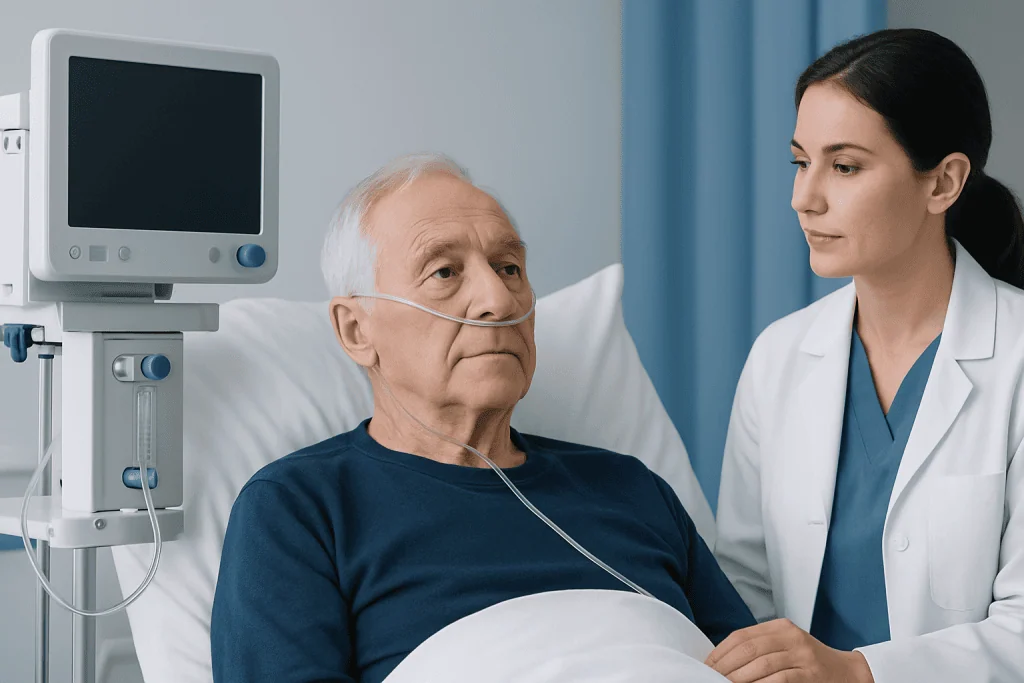
Doctors use a nasal cannula in many clinical situations where mild to moderate oxygen support is needed. It may be recommended during recovery from illness, after surgery, or in long-term lung or heart conditions that reduce oxygen levels in the blood.
Common examples include chronic obstructive pulmonary disease, pneumonia, asthma flare-ups, sleep-related breathing problems, heart failure, and recovery after certain procedures. It may also be used temporarily during infections or other illnesses that make breathing more difficult. In some cases, evaluation for lung cancer or other serious lung conditions is part of the broader assessment when oxygen levels are persistently low.
In healthcare settings, a nasal cannula may also be used during tests, transport within the hospital, or sedation to help maintain oxygen levels. Some people use oxygen only for limited periods, while others may need it during sleep, physical activity, or throughout the day.
- Short-term use during acute illness or recovery
- Support for chronic lung disease
- Oxygen during sleep or exercise
- Postoperative or procedural recovery
How it works and the main types

The device works by carrying oxygen from a tank, concentrator, or wall supply through tubing into the nose. The added oxygen mixes with room air and helps improve oxygen saturation. The exact amount of oxygen reaching the lungs can vary depending on the oxygen flow, breathing pattern, and whether the person is breathing through the nose or mouth.
Standard nasal cannulas are most often used for low-flow oxygen delivery. They are suitable for many patients who need modest oxygen support. In some settings, a humidifier bottle may be added if oxygen is being used for longer periods or if the nose becomes dry.
There is also a high-flow nasal cannula system, which is different from the simple cannula used in routine care. High-flow systems deliver warmed, humidified oxygen at much higher flow rates and are typically used in monitored medical settings for more significant respiratory support. A specialist may also consider broader respiratory evaluation or treatments such as bronchoscopy if there is concern about airway blockage, infection, or another lung problem contributing to low oxygen levels.
Benefits, limits, and possible side effects
The main benefit of a nasal cannula is comfort. Compared with many oxygen masks, it is less intrusive and allows easier communication, eating, and movement. It is often well tolerated by children and adults, and it can be used in hospital rooms, ambulances, outpatient settings, and at home.
However, it also has limits. A standard nasal cannula may not provide enough oxygen for someone with severe breathing distress, very low oxygen saturation, or fast-changing respiratory needs. In these cases, doctors may use a face mask, high-flow oxygen system, or other breathing support depending on the person’s condition.
Side effects are usually mild and related to dryness or friction. Some people notice a dry nose, mild nosebleeds, irritation inside the nostrils, or soreness around the ears and cheeks where the tubing rests. Rarely, skin pressure marks can develop if the tubing is too tight or used continuously without adjustment. Oxygen therapy should always be used as prescribed because both too little and too much oxygen can be harmful in certain medical conditions.
Fitting, daily care, and safe use at home
A well-fitted nasal cannula improves both comfort and effectiveness. The prongs should curve gently into the nostrils, and the tubing should rest securely over the ears and under the chin without being overly tight. If the fit is uncomfortable, a clinician can suggest a different size, soft ear protectors, or changes in positioning.
Routine care matters because oxygen can dry the nasal passages and because tubing can collect dust or germs over time. Patients are usually advised to keep the device clean, replace tubing and cannulas as directed, and wash their hands before handling equipment. If dryness is a problem, a clinician may recommend humidification or a water-based nasal moisturizer; oil-based products should be avoided unless specifically advised.
Home oxygen also requires attention to fire safety. Oxygen itself is not flammable, but it helps fire burn more easily. People should keep oxygen equipment away from smoking, candles, gas stoves, and other open flames. If a person has an underlying chest condition that may need imaging or specialist treatment, their care plan may also include tests or procedures such as chest diseases treatment or lung cancer treatment where clinically appropriate.
- Keep the cannula and tubing clean and dry
- Check for kinks or disconnections regularly
- Protect the skin around the ears and nostrils
- Follow the prescribed oxygen flow exactly
- Store oxygen equipment safely away from heat and flames
How doctors assess the need for oxygen therapy
A nasal cannula is not prescribed based on symptoms alone. Doctors usually assess oxygen needs by checking oxygen saturation with a pulse oximeter and, in some cases, measuring blood gases for a more detailed picture. They also consider the person’s medical history, lung and heart function, medications, and the likely cause of low oxygen levels.
Because low oxygen can result from many different problems, diagnosis focuses on the underlying condition as well as the oxygen level itself. Tests may include chest imaging, lung function tests, blood tests, heart evaluation, and sleep studies. If doctors suspect a structural problem in the chest, more specialized investigations or surgery such as thoracic surgery may be part of the wider care pathway, depending on the diagnosis.
Oxygen prescriptions are individualized. A healthcare professional sets the flow rate and advises when oxygen should be used, such as only during activity, only overnight, or continuously. People should not increase or decrease the flow on their own unless they have been clearly instructed to do so.
When to seek medical care
Medical review is important if a person using a nasal cannula becomes more short of breath, feels confused, develops chest pain, or notices their lips or fingertips looking blue or gray. These can be signs that oxygen levels are too low or that the underlying illness is worsening. Sudden breathing difficulty is an urgent problem and should not be managed by simply turning up the oxygen without medical advice.
A doctor should also be contacted if the nose becomes very dry or bleeds repeatedly, if the skin under the tubing breaks down, or if the equipment appears damaged or unreliable. Ongoing fatigue, poor sleep, headaches on waking, or reduced exercise tolerance may suggest that oxygen needs have changed or that another condition requires assessment.
For people with persistent respiratory symptoms, specialist evaluation can help clarify the cause and guide treatment. Acibadem International’s multidisciplinary specialists in JCI-accredited hospitals diagnose and treat respiratory conditions for international patients, including assessment of oxygen needs and related lung disease.
Frequently asked questions
What is a nasal cannula used for?
A nasal cannula is used to deliver supplemental oxygen to people who need help maintaining healthy oxygen levels. It is commonly used when a person can still breathe independently but needs extra oxygen because of illness, recovery, or a chronic medical condition.
Is a nasal cannula the same as a ventilator?
No. A nasal cannula provides added oxygen but does not breathe for the patient. A ventilator is a more advanced machine that helps move air in and out of the lungs when a person cannot breathe adequately on their own.
Can someone eat and talk while wearing a nasal cannula?
Yes, in most cases. One advantage of a nasal cannula is that it usually allows speaking, eating, and drinking more easily than many oxygen masks. If breathing becomes difficult during meals, a clinician should be informed.
Why can a nasal cannula make the nose dry?
Oxygen flow can dry the lining of the nose, especially during long periods of use. This may cause irritation, crusting, or mild nosebleeds. Humidification or a clinician-approved water-based moisturizer may help if dryness is persistent.
How do doctors know how much oxygen to give?
Doctors use oxygen saturation readings, symptoms, and the underlying diagnosis to determine the right oxygen flow. In some cases, blood gas testing and further heart or lung evaluation are also needed. The goal is to provide enough oxygen without giving more than necessary.
Is it safe to adjust oxygen flow at home without advice?
It is generally not recommended. Oxygen is a medical treatment, and changing the flow without guidance may be unsafe, especially in certain lung conditions. Any concerns about breathing or low oxygen readings should be discussed with a qualified healthcare professional.
This article is for general information only and is not a substitute for professional medical advice. Please consult a qualified doctor about your individual situation.
Explore treatments in Turkey — costs, top hospitals & a free quote
JCI-accredited · board-certified surgeons · reply within 24h
Add us as a Preferred Source to see more of our trusted health content across Google Search, AI Overviews and Discover.

More from the Health Library

Sparkling Water: An Evidence-Based Guide for Patients

Progesterone Hypersensitivity — Explained by Medical Evidence, Not Myths

Jump Rope Benefits: What Patients Need to Know

Weighted Sit Ups: An Evidence-Based Guide for Patients

Myasthenia Gravis: An Evidence-Based Guide for Patients