

Ovarian Cyst
Ovarian cyst treatment evaluates and manages fluid-filled sacs on the ovary, using observation, medication, or minimally invasive surgery depending on symptoms, cyst type, size, and fertility goals.
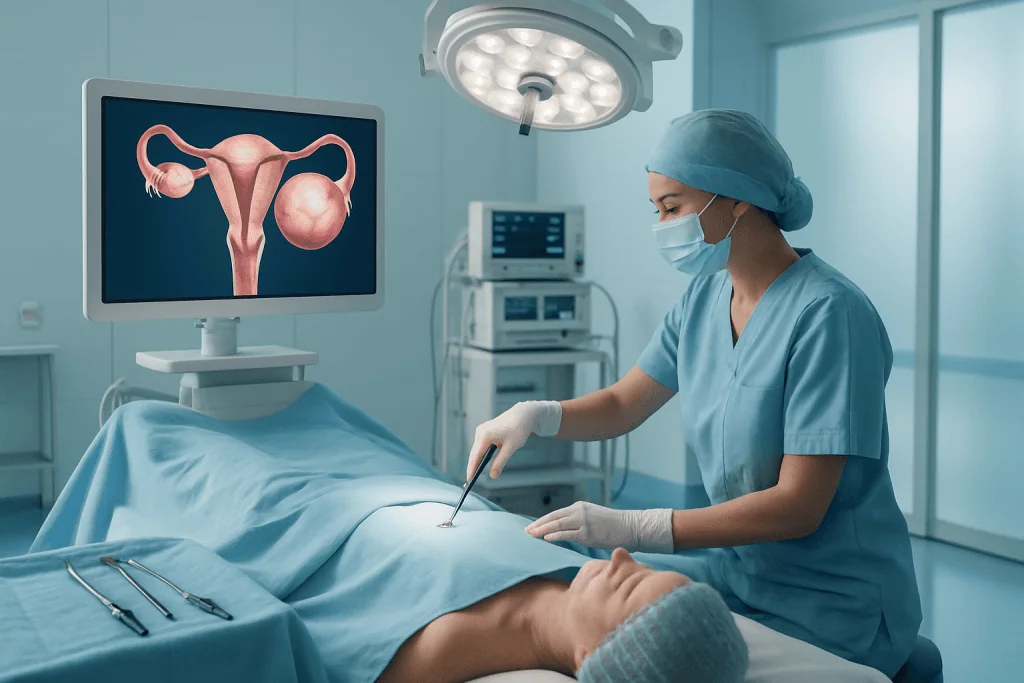
Quick answer
Ovarian cyst treatment manages fluid-filled sacs on or in the ovary with monitoring, medication, or surgery depending on the cyst’s type, size, symptoms, and effect on fertility. At Acibadem in Turkey, care begins with gynecologic evaluation and imaging, then may involve observation for simple cysts or minimally invasive procedures such as laparoscopy when removal is needed.
Understanding Ovarian Cysts and the Decision to Seek Treatment
Being told you have an ovarian cyst can be unsettling, especially if the diagnosis was unexpected during a routine pelvic ultrasound or after an emergency visit for pain. Many ovarian cysts are benign and resolve on their own, but some require careful follow-up, medication, or surgery. For international patients considering care abroad, the central questions are often practical and emotional at the same time: Is this dangerous? Could it affect fertility? Do I need surgery? How quickly should I act? Will I be able to travel safely?
An ovarian cyst is a fluid-filled sac that forms in or on an ovary. Cysts are common during the reproductive years and are often related to normal ovulation. However, not every cyst behaves the same way. Some are simple and functional, meaning they develop as part of the menstrual cycle. Others may be associated with endometriosis, benign tumors, infection, pregnancy-related conditions, or, less commonly, ovarian cancer. The right treatment depends on the cyst’s appearance, size, symptoms, your age, your menopausal status, your hormone profile, your fertility plans, and whether there are any signs of complication.
Ovarian cyst treatment is not a single procedure. It is a structured approach to evaluation and management. In many cases, treatment means observation with repeat imaging. In others, it may involve medication to control symptoms or reduce recurrence. When surgery is needed, minimally invasive techniques are often used to remove the cyst while preserving as much healthy ovarian tissue as possible, especially for patients who wish to have children in the future.
At a high-level gynecology center, the goal is not simply to “remove a cyst.” It is to understand what type of cyst it is, whether it is safe to monitor, whether it poses a risk to the ovary, and how treatment may affect fertility, hormonal function, comfort, and long-term health. For patients traveling from abroad, this careful planning is particularly important because diagnosis, treatment, recovery time, and safe return travel should be coordinated thoughtfully.
What Ovarian Cyst Treatment Is
Ovarian cyst treatment refers to the medical evaluation, monitoring, and management of cysts that develop on the ovaries. Treatment may be conservative, medical, or surgical. The decision is individualized after a gynecologist reviews your symptoms, ultrasound findings, laboratory results, medical history, and personal goals.
Observation is often appropriate for simple cysts that appear benign, especially in premenopausal patients. Functional cysts may disappear over one or more menstrual cycles. In these cases, your physician may recommend repeat ultrasound after a defined interval to confirm that the cyst has reduced in size or resolved. Observation is active medical management, not neglect; it requires accurate imaging, appropriate timing, and clear instructions about warning symptoms.
Medication may be used to manage pain, regulate menstrual cycles, or reduce the likelihood of new functional cysts in selected patients. Hormonal contraceptives do not usually make an existing cyst disappear faster, but they may help prevent some ovulation-related cysts from recurring. Pain relief medication may be prescribed when symptoms are mild and the cyst has no concerning features.
Surgical treatment may be recommended when a cyst is large, persistent, painful, complex in appearance, growing over time, associated with torsion or rupture, or concerning for malignancy. The most common surgical approach is laparoscopic surgery, also known as minimally invasive surgery. Through small incisions, the surgeon uses a camera and fine instruments to remove the cyst, repair the ovary when possible, and send tissue for pathology. In specific cases, an ovary may need to be removed, particularly if it is severely damaged, if the patient is postmenopausal, or if cancer is suspected. If imaging or laboratory findings suggest a higher risk of cancer, treatment planning may involve gynecologic oncology expertise from the start.
The best treatment is the one that addresses the cyst safely while respecting the patient’s life stage. A teenager with a functional cyst, a patient with endometriosis who wishes to conceive, a pregnant patient with a persistent adnexal mass, and a postmenopausal patient with a complex cyst all require different clinical pathways.
Who May Need Ovarian Cyst Treatment
Many ovarian cysts cause no symptoms and are discovered incidentally. Others produce discomfort that may come and go with the menstrual cycle. Some cause sudden, severe symptoms when complications occur. A medical assessment is important when symptoms are persistent, intense, recurrent, or accompanied by signs that suggest bleeding, infection, torsion, or another urgent condition.
Typical symptoms that may lead a patient to seek evaluation include pelvic pain on one side, bloating, a feeling of pressure or heaviness in the lower abdomen, pain during intercourse, menstrual irregularity, pain before or during menstruation, urinary frequency, difficulty emptying the bladder, constipation, nausea, or unexplained abdominal enlargement. Sudden severe pelvic pain, especially with vomiting, faintness, fever, or shoulder-tip pain, should be assessed urgently because it may indicate ovarian torsion, cyst rupture, internal bleeding, or another emergency.
Diagnosis usually begins with a detailed medical history and pelvic examination, followed by imaging. Transvaginal ultrasound is the main diagnostic tool for most ovarian cysts because it shows the cyst’s size, structure, wall thickness, internal fluid, septations, solid areas, and blood flow patterns. In some patients, abdominal ultrasound may also be used, particularly when the cyst is large or when transvaginal ultrasound is not appropriate.
Additional tests may be recommended depending on the situation. A pregnancy test is important in reproductive-age patients because ectopic pregnancy can mimic ovarian cyst symptoms. Blood tests may include a complete blood count, inflammatory markers, hormone levels, or tumor markers such as CA-125 in selected cases. CA-125 is not a screening test for all ovarian cysts and can be elevated in benign conditions such as endometriosis, fibroids, pelvic inflammatory disease, or menstruation. Its value is interpreted alongside imaging, age, menopausal status, and clinical findings. For complex masses, magnetic resonance imaging may help clarify anatomy and support surgical planning.
Patients who may need treatment include those with cysts that persist on follow-up, cysts that are increasing in size, cysts causing significant symptoms, cysts with complex ultrasound characteristics, cysts associated with endometriosis, cysts that may interfere with fertility treatment, and cysts detected after menopause. Patients with a family history of ovarian or breast cancer, known hereditary cancer syndromes, or previous gynecologic cancer may need more specialized evaluation.
Conditions and Indications Addressed by Ovarian Cyst Treatment
Ovarian cyst treatment covers several different types of cysts and cyst-like ovarian masses. Identifying the likely cyst type is essential because treatment decisions vary considerably.
- Functional cysts: These include follicular cysts and corpus luteum cysts related to ovulation. They are common, usually benign, and often resolve without surgery.
- Hemorrhagic cysts: These occur when bleeding develops inside a cyst. Many resolve, but painful or persistent cases may require monitoring or intervention.
- Endometriomas: Sometimes called “chocolate cysts,” these are associated with endometriosis. They may cause pain, inflammation, adhesions, and fertility challenges.
- Dermoid cysts: Also known as mature cystic teratomas, these benign tumors may contain tissue such as fat or hair. They can grow slowly and may increase the risk of torsion.
- Cystadenomas: These benign ovarian tumors may become large and cause pressure symptoms. Surgical removal may be advised depending on size and features.
- Polycystic ovaries: In polycystic ovary syndrome, the ovaries may contain many small follicles. Treatment focuses on hormonal balance, metabolic health, cycle regulation, and fertility goals rather than removal of individual cysts.
- Ovarian cysts in pregnancy: Many are benign and monitored, but persistent, large, or suspicious cysts require careful timing and planning to protect both mother and baby.
- Postmenopausal ovarian cysts: These require particular attention because the risk profile differs after menopause. Simple small cysts may be monitored, but complex cysts often need more detailed assessment.
- Suspicious ovarian masses: When imaging or laboratory findings raise concern for cancer, management should involve gynecologic oncology and appropriate surgical staging if needed.
Because the word “cyst” can describe a wide range of findings, the treatment plan should be based on the cyst’s behavior and characteristics, not on the label alone. This is where experienced imaging review, gynecologic assessment, and, when appropriate, multidisciplinary discussion are valuable.
How Ovarian Cyst Treatment Is Performed
The treatment process begins with a clear diagnostic pathway. Before recommending observation, medication, or surgery, your physician reviews the cyst’s appearance, your symptoms, your reproductive plans, and any risk factors. For international patients, records can often be reviewed before travel, including ultrasound reports, MRI images, blood test results, prior surgical notes, and pathology reports if available. This allows the medical team to estimate whether additional diagnostics, same-trip surgery, or follow-up planning may be needed.
Preparation and Evaluation
Your evaluation may include a consultation with a gynecologist, pelvic examination, ultrasound imaging, and blood tests. If surgery is being considered, preoperative assessment may include anesthesia review, evaluation of general health, medication review, and instructions about fasting, blood-thinning medications, and travel planning. Patients with fertility goals may also benefit from consultation about ovarian reserve, future pregnancy planning, and whether fertility preservation should be discussed before surgery.
Preparation also includes setting expectations. If a cyst appears benign and small, observation may be recommended even when the patient feels anxious. If a cyst is complex or large, surgery may be advised even when symptoms are minimal. The decision is based on risk, not only discomfort.
Observation and Medical Management
When observation is selected, the physician schedules follow-up imaging to assess whether the cyst is shrinking, stable, or growing. You will receive guidance on symptoms that should prompt urgent care, such as sudden severe pain, vomiting, fever, fainting, or heavy bleeding. Medication may be used to control pain or regulate cycles. For patients with recurrent functional cysts, hormonal suppression may be considered if it is medically appropriate and aligned with fertility plans.
For endometriosis-related cysts, medication can help manage pain and suppress disease activity, but it may not remove an established endometrioma. The decision to operate on an endometrioma is nuanced because surgery can improve symptoms and remove disease, but it may also affect ovarian reserve. This is why fertility goals, ovarian reserve testing, cyst size, pain severity, and prior surgical history are all considered.
Minimally Invasive Surgery
If surgery is recommended, laparoscopy is commonly used for benign-appearing cysts. The procedure is performed under general anesthesia. The surgeon makes small incisions, usually in the abdomen, and inserts a narrow camera to view the pelvis on a high-resolution monitor. Fine instruments are used to separate the cyst from the ovary, control bleeding, and reconstruct the ovarian tissue when feasible.
The preferred fertility-sparing operation is often an ovarian cystectomy, which removes the cyst while preserving the ovary. In some situations, an oophorectomy, or removal of the ovary, may be safer or more appropriate. This may be considered if the ovary is largely replaced by the cyst, if blood supply has been lost after torsion, if the patient is postmenopausal, or if there is concern for malignancy. When cancer is suspected, the surgical plan may change to include staging procedures, and involvement of a gynecologic oncologist is important.
Modern gynecologic surgery uses imaging, laparoscopic visualization, energy-based instruments for precise bleeding control, and careful specimen retrieval techniques to reduce tissue trauma and support recovery. The aim is to remove the cyst completely when needed, limit spillage when clinically important, protect healthy ovarian tissue where possible, and obtain a reliable pathology diagnosis.
When Open Surgery May Be Needed
Open surgery through a larger incision is less common for routine benign cysts but may be recommended for very large cysts, extensive adhesions, suspected cancer, or situations where safe removal cannot be achieved laparoscopically. The choice of approach is not a measure of surgical quality; it is a safety decision based on anatomy, risk, and the treatment objective.
Typical Duration and Immediate Recovery
Laparoscopic ovarian cyst surgery often takes one to two hours, though timing varies with cyst size, adhesions, endometriosis, prior surgeries, and whether additional procedures are needed. Many patients return home the same day or after an overnight stay. Open surgery usually requires a longer hospital stay and a longer recovery period.
After surgery, patients are monitored as anesthesia wears off. Mild abdominal discomfort, shoulder-tip pain from the gas used during laparoscopy, bloating, light vaginal bleeding, and fatigue are common. Pain is usually managed with prescribed medication. Walking is encouraged early to reduce the risk of blood clots and support bowel recovery. Your care team will explain wound care, bathing, activity limits, medication use, pathology follow-up, and when it is safe to fly.
Pathology results are an important part of treatment. Even when a cyst appears benign, tissue analysis confirms the diagnosis and guides any further care. If the result shows endometriosis, borderline tumor, or malignancy, additional consultation and planning may be needed.
Why Acting Early Matters
Not every ovarian cyst needs urgent treatment, but timely evaluation matters. Delaying assessment can allow a cyst to grow, cause increasing pain, or raise the risk of complications. A larger cyst may be more likely to twist the ovary, a condition known as ovarian torsion. Torsion can interrupt blood flow and may threaten the function of the ovary if not treated promptly.
A cyst can also rupture, causing sudden pain and sometimes internal bleeding. While many ruptures are managed conservatively, some require emergency care. Persistent cysts may also cause pressure on the bladder or bowel, worsening bloating, urinary symptoms, constipation, or discomfort during daily activities and intimacy.
Early evaluation is particularly important after menopause, when ovarian cysts have a different risk profile. It is also important for patients with complex cysts, elevated tumor markers, family history of ovarian cancer, or symptoms such as unexplained weight loss, persistent abdominal swelling, early fullness when eating, or new pelvic pain. These findings do not automatically mean cancer, but they deserve careful assessment.
For patients planning pregnancy or fertility treatment, timing can also be important. A cyst may interfere with ovarian stimulation, egg retrieval access, or interpretation of symptoms during treatment. At the same time, unnecessary surgery can affect ovarian reserve. Acting early allows time for a balanced decision rather than a rushed response to pain or complications.
Benefits of Ovarian Cyst Treatment
The benefits of ovarian cyst treatment depend on the diagnosis and treatment method, but appropriate care can reduce symptoms, clarify risk, and protect future health.
| Benefit | What It Means for You |
|---|---|
| Accurate diagnosis | Imaging, laboratory testing, and pathology when needed help distinguish functional cysts from endometriomas, benign tumors, and suspicious masses. |
| Relief of pain and pressure | Treatment can reduce pelvic pain, bloating, urinary pressure, painful intercourse, and activity limitations caused by symptomatic cysts. |
| Lower risk of complications | Managing persistent or large cysts may reduce the risk of torsion, rupture, emergency surgery, or progressive symptoms. |
| Fertility-conscious planning | When pregnancy is a goal, the plan can focus on preserving ovarian tissue and avoiding unnecessary intervention. |
| Clearer long-term follow-up | After treatment, you and your physician can plan monitoring, hormonal management, endometriosis care, or oncology referral if indicated. |
Recovery Timeline After Ovarian Cyst Treatment
Recovery varies depending on whether you are monitored, treated with medication, or undergo surgery, but many patients can plan around the following general timeline after minimally invasive surgery.
| Time Period | What Patients Can Expect |
|---|---|
| Day 1 | Most patients feel tired and may have mild to moderate abdominal discomfort, bloating, or shoulder pain. Walking short distances is usually encouraged. |
| First Week | Pain typically improves. Patients often resume light daily activities, avoid heavy lifting, and follow wound-care instructions. Some may return to desk-based work if they feel well. |
| First Month | Energy and mobility continue to improve. Follow-up may include pathology review, ultrasound planning, medication adjustment, or discussion of fertility and endometriosis management. |
| Longer Term | Most patients return to normal routines after recovery. Ongoing care may be recommended for recurrent cysts, endometriosis, hormonal conditions, or postmenopausal monitoring. |
Factors That Influence Outcomes and a Good Result
A good outcome in ovarian cyst treatment is not defined only by removing the cyst. It includes accurate diagnosis, symptom improvement, ovarian preservation when appropriate, avoidance of unnecessary surgery, safe management of suspicious findings, and a follow-up plan that fits the patient’s life.
Several factors influence results. The first is the type of cyst. Functional cysts often resolve, while dermoid cysts, cystadenomas, and endometriomas are less likely to disappear spontaneously. Endometriomas may recur, especially when underlying endometriosis remains active. Complex or suspicious cysts require a more cautious pathway.
The second factor is age and menopausal status. In premenopausal patients, many cysts are benign and related to ovulation. In postmenopausal patients, physicians assess ovarian cysts more carefully because the balance of risk changes. This does not mean every postmenopausal cyst is cancerous, but it does mean evaluation should be precise.
The third factor is fertility goals. If you hope to become pregnant, the surgeon may prioritize cystectomy and ovarian tissue preservation when medically safe. The team may review ovarian reserve tests, prior fertility history, and whether assisted reproductive treatment is planned. For patients who do not desire future pregnancy, treatment priorities may differ, particularly if the cyst is recurrent or the ovary is no longer functioning normally.
The fourth factor is surgical complexity. Prior abdominal surgery, pelvic infection, severe endometriosis, adhesions, obesity, very large cysts, and suspected malignancy can make surgery more complex. In these cases, careful preoperative planning and appropriate specialist involvement are essential.
The fifth factor is pathology and follow-up. Final pathology confirms the diagnosis. A benign functional cyst, dermoid cyst, endometrioma, borderline tumor, and malignant tumor all require different follow-up. Patients benefit from clear written instructions, pathology review, and a plan for future surveillance or additional treatment when needed.
Patient participation also matters. Following instructions about activity, medication, wound care, warning signs, and follow-up appointments supports recovery. If you are traveling internationally, your team should also discuss flight timing, mobility during travel, clot prevention when relevant, and how to access care after returning home.
Why International Patients Choose Acibadem for Ovarian Cyst Care
For an international patient, choosing where to receive ovarian cyst treatment involves more than selecting a hospital. It means trusting a medical team to interpret your diagnosis accurately, recommend the right level of treatment, protect your future health, and coordinate care across languages, borders, and time zones.
Acibadem Hospitals in Turkey provide ovarian cyst evaluation and treatment within JCI-accredited hospital settings, with gynecology teams experienced in both conservative management and minimally invasive surgery. Care is organized around evidence-based medical practice and individualized decision-making. When findings are complex, cases may be reviewed with relevant specialists, including gynecologic oncology, radiology, reproductive medicine, pathology, anesthesiology, and other disciplines as needed.
This multidisciplinary approach is particularly important for ovarian cysts because the diagnosis can change the treatment plan. A simple cyst may need observation. An endometrioma may require fertility-conscious planning. A postmenopausal complex cyst may require gynecologic oncology input. A large cyst may need advanced surgical planning. By aligning the right specialists early, patients can avoid both undertreatment and unnecessary procedures.
Advanced diagnostic pathways support decision-making. High-quality ultrasound, cross-sectional imaging when indicated, laboratory testing, anesthesia evaluation, and pathology review all contribute to a clear treatment plan. In surgery, minimally invasive gynecologic techniques can reduce incision size, support faster recovery, and allow careful handling of ovarian tissue. The specific technology used depends on the patient’s diagnosis and the hospital location, but the purpose is consistent: precise visualization, controlled dissection, safe tissue removal, and reliable diagnosis.
Acibadem International supports patients traveling from abroad with services in more than 20 languages. This can include assistance with appointment scheduling, medical record transfer, interpretation, hospital admission processes, and coordination of follow-up information. For patients from the United States and other countries, this structure can make care abroad more understandable and manageable, especially when decisions must be made quickly.
Personalized treatment planning is central to ovarian cyst care. Some patients arrive expecting surgery and learn that monitoring is safer. Others arrive with repeated pain and discover that minimally invasive treatment may be appropriate. Some need fertility consultation before deciding. Others need oncology assessment because of imaging findings or menopausal status. A responsible treatment plan explains not only what is recommended, but why it is recommended and what alternatives exist.
International patients also often value clear communication about recovery and travel. Before treatment, the team can discuss how long you may need to stay in Turkey, whether a companion is advisable, what level of activity is expected after surgery, when follow-up results will be available, and what information should be shared with your physician at home. This is especially important when pathology results, endometriosis management, fertility planning, or postmenopausal monitoring may affect future care.
Moving Forward With Clarity and Confidence
An ovarian cyst diagnosis can create uncertainty, but uncertainty does not have to lead to rushed decisions. With careful evaluation, many cysts can be monitored safely. When treatment is needed, modern gynecologic care can often address the cyst with attention to comfort, ovarian function, fertility goals, and long-term health. The most important step is obtaining a precise diagnosis and a plan that matches your individual situation.
If you have been told you have an ovarian cyst, have ongoing pelvic pain, are planning fertility treatment, or want a second opinion about whether surgery is necessary, a specialist review can help clarify your options. International patients may request an evaluation with Acibadem by sharing existing ultrasound images, reports, laboratory results, and medical history so the care team can advise on the most appropriate next steps.
This information is general and is not a substitute for professional medical advice. Diagnosis and treatment decisions should always be made with a qualified physician who can evaluate your individual medical condition.
Preparation
- Before ovarian cyst surgery, patients usually have a pelvic examination, ultrasound, blood tests, and anesthesia assessment. Your doctor may advise stopping certain medications and fasting for several hours before the procedure. Pregnancy status, fertility plans, and cancer risk factors are reviewed to plan the safest approach.
Aftercare
- After laparoscopic ovarian cyst removal, patients are encouraged to walk early and avoid heavy lifting until cleared by the doctor. Mild pelvic discomfort, bloating, or spotting may occur for a few days. Follow-up visits review pathology results, healing, menstrual changes, and any need for further treatment.
Turkey vs UK, Germany & USA
Ovarian cyst treatment costs and patient experience can vary depending on whether monitoring, medication, or surgery is needed. International patients usually compare not only hospital fees, but also access to specialists, imaging, pathology, travel logistics, and follow-up arrangements.
The comparison below focuses on practical factors that may influence cost and the overall treatment journey for ovarian cyst evaluation and management.
| Factor | Turkey | UK | Germany | USA |
|---|---|---|---|---|
| Cost structure | Private care packages are often bundled for international patients, with clearer coordination of consultation, tests, and procedure planning. | Private care is available, while public pathways may involve referral steps; private self-pay costs depend on hospital and consultant fees. | Costs may be structured around hospital category, specialist fees, diagnostics, and inpatient needs. | Costs can vary widely due to separate billing for facility, physician, anaesthesia, imaging, pathology, and medications. |
| Hospital and surgeon factors | Final cost depends on gynaecologist experience, minimally invasive surgery capability, operating room use, and hospital category. | Consultant expertise, private hospital choice, and whether surgery is inpatient or day-case affect cost. | Specialist centre reputation, surgeon experience, and hospital infrastructure influence pricing. | Surgeon network status, hospital system, anaesthesia group, and pathology provider can all affect billing. |
| Accreditation and quality | Internationally accredited hospitals, including JCI-accredited options such as Acibadem, may offer standardised safety and international patient processes. | Quality oversight is well established, with private and public providers operating under national regulatory frameworks. | Hospitals generally follow strict national healthcare standards and specialist clinical protocols. | Accreditation and quality processes vary by hospital system, insurer network, and state regulation. |
| Waiting time and access | Private international patient pathways may allow relatively prompt consultation, imaging, and surgery scheduling when clinically appropriate. | Public pathways can involve waiting, while private care may offer faster access depending on availability. | Specialist appointments and surgery dates depend on the centre, referral pathway, and case urgency. | Access can be fast in private systems, but insurance authorisation and provider availability may affect timing. |
| Travel and language logistics | International patient departments commonly assist with interpreters, airport transfers, accommodation guidance, and appointment coordination. | Language support is generally easier for English speakers, while overseas patients may need to arrange travel and accommodation independently. | Interpreter services may be needed; travel planning depends on the clinic and city. | English-language care is standard, but travel, accommodation, and billing coordination can be complex for international patients. |
| Typical package inclusions | Packages may include specialist consultation, pelvic ultrasound or other imaging, laboratory tests, surgery if needed, hospital stay, pathology, and follow-up planning. | Private packages may include consultation and procedure fees, but diagnostics, pathology, or anaesthesia may be itemised. | Packages may vary by hospital and may separate diagnostics, surgery, hospital stay, and pathology. | Billing is often itemised across multiple providers, so inclusions should be confirmed carefully before treatment. |
What affects your final cost
- Cyst type, size, location, and whether it appears functional, endometriotic, dermoid, or suspicious.
- Symptoms such as pain, bleeding, torsion concern, or pressure effects.
- Need for observation, medication, laparoscopy, open surgery, or additional procedures.
- Fertility goals and whether ovarian tissue preservation is a priority.
- Required imaging, blood tests, tumour marker assessment, anaesthesia, pathology, and hospital stay.
- Surgeon experience, hospital accreditation, interpreter support, travel arrangements, and follow-up needs.
Compare your options
Ovarian cyst management is individualised. Suitability for any option is decided by a gynaecology specialist after examination, imaging, medical history review, and discussion of fertility goals.
| Option | What it is | Typical use | Key considerations |
|---|---|---|---|
| Observation and follow-up | Monitoring the cyst with clinical review and repeat ultrasound when appropriate. | Common for simple, functional, or symptom-free cysts that appear low risk. | Requires adherence to follow-up; urgent reassessment is needed if severe pain, fever, fainting, or sudden symptoms occur. |
| Medication and symptom control | Use of pain relief, hormonal treatment, or other medication depending on the suspected cyst type and symptoms. | May be considered for cycle-related symptoms, recurrent functional cysts, or associated conditions such as endometriosis. | Medication may not remove an existing cyst; choice depends on age, medical history, fertility plans, and contraindications. |
| Laparoscopic ovarian cystectomy | Minimally invasive removal of the cyst while aiming to preserve healthy ovarian tissue. | Often used for persistent, symptomatic, enlarging, or complex cysts when preservation of ovarian function is important. | Requires anaesthesia and pathology assessment; surgical planning considers cyst type, fertility goals, and risk of recurrence. |
| Laparoscopic oophorectomy or adnexal surgery | Minimally invasive removal of an ovary, or ovary and tube, when clinically necessary. | May be considered when the cyst has significantly affected the ovary, recurs, is large or complex, or when malignancy risk must be managed. | Potential impact on fertility and hormonal function must be discussed carefully with the specialist. |
| Open surgery | Surgery through an abdominal incision rather than keyhole access. | Reserved for selected cases, such as very complex cysts, extensive adhesions, emergency situations, or suspected malignancy. | Usually involves a longer recovery than laparoscopy; planning may involve gynaecologic oncology input if cancer risk is suspected. |
Trusted care for international patients
General information only — not medical or financial advice. Final costs depend on the factors above and your individual case; request a free, personalised quote.
Doctors Performing This Treatment

Prof. Dr. A. Taner Usta
Gynecology & Obstetrics
Prof. Dr. Ahmet Cem Batukan
Gynecology & Obstetrics
Prof. Dr. Ahmet Tayyar
Gynecology & Obstetrics
Prof. Dr. Belgin Selam
Gynecology & Obstetrics
Prof. Dr. Bülent Tıraş
Gynecology & Obstetrics
Prof. Dr. Bülent Özçelik
Gynecology & Obstetrics
Prof. Dr. Cem Demirel
Gynecology & Obstetrics
Prof. Dr. Cem Fiçicioğlu
Gynecology & Obstetrics
Prof. Dr. Deniz Ulaş Uğur
Gynecology & Obstetrics
Prof. Dr. Derya Eroğlu
Gynecology & Obstetrics
Prof. Dr. Erdoğan Ertüngealp
Gynecology & Obstetrics
Prof. Dr. Faruk Abike
Gynecology & Obstetrics
Prof. Dr. Faruk Buyru
Gynecology & Obstetrics
Prof. Dr. Faruk Suat Dede
Gynecology & Obstetrics
Prof. Dr. Fuat Demirci
Gynecology & Obstetrics
Prof. Dr. Fuat Demirkıran
Gynecology & Obstetrics
Prof. Dr. Hale Göksever Çelik
Gynecology & Obstetrics
Prof. Dr. Hülya Dede
Gynecology & Obstetrics
Prof. Dr. Hüsnü Görgen
Gynecology & Obstetrics
Prof. Dr. İbrahim Bildirici
Gynecology & Obstetrics
Prof. Dr. İlkan Dünder
Gynecology & Obstetrics
Prof. Dr. İsmail Mete İtil
Gynecology & Obstetrics
Prof. Dr. İsmail Çepni
Gynecology & Obstetrics
Assoc. Prof. Dr. Alpay Yılmaz
Gynecologic OncologyMedical Units
Available at These Hospitals












Frequently Asked Questions
What affects the cost of ovarian cyst treatment?
Cost depends on the cyst type, symptoms, imaging requirements, blood tests, whether surgery is needed, the surgical approach, anaesthesia, pathology, hospital stay, surgeon experience, and follow-up plan. A personalised quote is only possible after specialist assessment.
How can I get a personalised quote from Acibadem?
You can request a free consultation by sharing your medical history, recent ultrasound or imaging reports, laboratory results, symptoms, and any previous treatment details. The international patient team can then guide you on the likely pathway and provide a personalised estimate.
Is laparoscopic surgery always required for an ovarian cyst?
No. Some cysts can be monitored or managed with medication, while others may need surgery. The decision depends on symptoms, cyst appearance, fertility goals, medical history, and specialist evaluation.
What is typically included in an international patient package?
Packages may include gynaecology consultation, imaging, laboratory tests, surgery if needed, anaesthesia, hospital stay, pathology, interpreter support, and follow-up planning. Inclusions vary, so the written quote should be reviewed carefully.
Will treatment choice affect future fertility?
It can. Many treatment plans aim to preserve ovarian tissue when medically appropriate, especially in patients who wish to conceive. Fertility goals should be discussed before choosing observation, medication, cystectomy, or ovary removal.