How to Grow Eyelashes? Causes, Explanations, and Next Steps

Eyelashes grow slowly in cycles, so visible improvement usually takes weeks to months rather than days. Avoiding rubbing, harsh makeup removal, and poorly tolerated lash products can reduce breakage and irritation.
Key Takeaways
- Eyelashes grow slowly in cycles, so visible improvement usually takes weeks to months rather than days.
- Avoiding rubbing, harsh makeup removal, and poorly tolerated lash products can reduce breakage and irritation.
- Nutritional supplements do not reliably improve eyelashes unless a person has a confirmed nutrient deficiency.
- Prescription bimatoprost can increase eyelash growth for suitable patients but requires medical guidance because it may cause eye-area side effects.
- Sudden, patchy, painful, or inflamed eyelash loss should be assessed by an eye doctor or dermatologist.
Most people with thinner or shorter eyelashes do not have a serious medical problem, and lashes may gradually recover after irritation, breakage, or changes in cosmetics are addressed. Learning how to grow eyelashes safely starts with gentle eyelid care, realistic expectations about growth cycles, and medical assessment when loss is sudden, patchy, or accompanied by eye symptoms.
How to Grow Eyelashes Safely
For most people, the safest answer to how to grow eyelashes is to protect the lashes that are already present, avoid products that irritate the eyelids, and allow time for the normal growth cycle to work. Lashes grow more slowly than scalp hair, and meaningful changes commonly take several weeks or months. If thinning followed rubbing, an allergic reaction, frequent false-lash use, or aggressive makeup removal, removing the trigger may allow regrowth.
There is no proven over-the-counter product that rapidly creates long eyelashes in everyone. Conditioning products can make lashes look shinier or less brittle, but they do not necessarily change follicle growth. A prescription medicine called bimatoprost may help selected adults grow longer, thicker, and darker lashes; however, it should be discussed with a qualified clinician because it can cause side effects around the eyes.
Although lash shedding is often harmless, medical review is important when loss is sudden, patchy, persistent, or associated with redness, pain, itching, crusting, vision changes, or hair loss elsewhere. These features can point to eyelid inflammation, an infection, a skin condition, an autoimmune condition, or an underlying health issue that needs specific care.
Understanding the Eyelash Growth Cycle
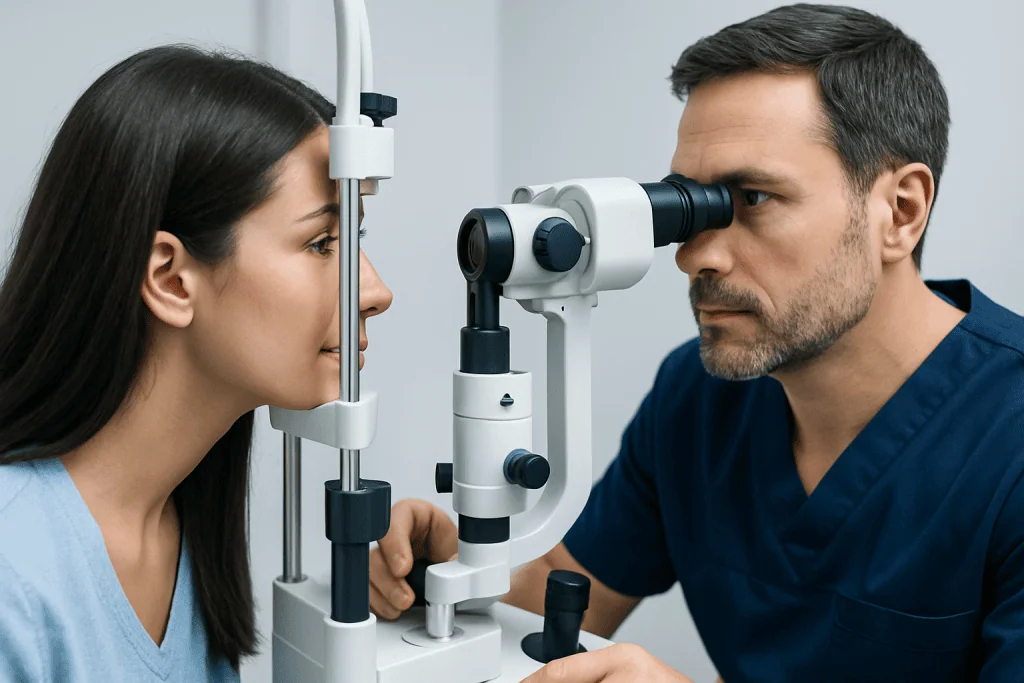
Each eyelash develops from a small follicle at the edge of the eyelid. Like other hairs, lashes move through a growth phase, a transition phase, and a resting phase before eventually shedding. It is normal to lose a few lashes over time, and the replacement lash grows gradually from the same follicle.
The active growth phase for eyelashes is relatively short compared with scalp hair. This helps explain why eyelashes remain a limited length and why they do not continue growing indefinitely. Genetics, age, hormones, overall health, eyelid health, and repeated physical damage can all influence how full or long the lashes appear.
A lash that has been pulled out or broken may take several months to look fully restored. If the follicle remains healthy, regrowth is often possible. Repeated trauma or inflammation, however, may interfere with normal growth, so identifying the cause of ongoing loss is more useful than repeatedly changing cosmetic products.
Why Eyelashes May Become Thin, Short, or Sparse

Common everyday causes include frequent rubbing of the eyes, sleeping in eye makeup, forceful use of eyelash curlers, and repeated application or removal of false lashes or lash extensions. Waterproof mascara and strong cleansers may require extra rubbing to remove, which can increase breakage. Some people also develop irritation or contact allergy from mascara, adhesives, eye creams, or lash-enhancing serums.
Eyelid conditions can affect the lash line. Blepharitis, a common inflammation around the eyelid margins, may cause itching, burning, flakes or crusting at the lash roots, and lashes that fall out more easily. Styes, dermatitis, rosacea, and some infections may also affect the eyelids. An ophthalmologist can assess persistent eyelid symptoms and recommend appropriate treatment.
Less commonly, lash loss may be linked to alopecia areata, thyroid disease, iron deficiency, other nutritional deficiencies, medication effects, or scarring skin disorders. Chemotherapy and some other medical treatments can cause temporary loss of scalp hair, brows, and lashes. A clinician may consider these possibilities based on the pattern of hair loss, medical history, symptoms, and examination findings.
Age-related changes are also common. With time, lashes may become lighter, finer, and less dense. This can be frustrating cosmetically, but it is not automatically a sign of illness. A gradual change without eye discomfort or other symptoms can often be managed with gentle care and, if desired, clinician-guided cosmetic or medical options.
Practical Care That Helps Protect Eyelashes
Gentle eyelid care is a useful foundation for healthier-looking lashes. Eye makeup should be removed carefully at the end of the day using a product tolerated by the skin, without pulling or scrubbing. A soft pad held briefly against closed eyes can loosen makeup before it is wiped away. People should avoid sharing eye cosmetics and replace old products regularly to reduce the chance of irritation or infection.
It may help to take a break from false lashes, extensions, adhesives, and lash lifts if lashes are thinning or the eyelids feel sore or itchy. Adhesives can trigger allergy, while the weight and removal process can contribute to traction and breakage. If these cosmetic treatments are used again, professional application, patch testing where appropriate, and prompt discontinuation after a reaction are sensible precautions.
Eating a varied diet that provides enough protein, iron, zinc, and essential vitamins supports general hair health. However, biotin and other hair-growth supplements are not a guaranteed solution for sparse lashes and may be unnecessary when there is no deficiency. High-dose supplements can cause side effects or interfere with some laboratory test results, so it is best to discuss them with a healthcare professional.
People should avoid applying oils, essential oils, or non-sterile homemade mixtures close to the eyes. These products can enter the eye and cause irritation, blurred vision, or allergic reactions. Products marketed as lash serums should be used cautiously, especially by people with sensitive eyes, contact dermatitis, glaucoma, or a history of eye surgery.
Medical and Cosmetic Options for Eyelash Growth
Bimatoprost is a prescription treatment approved in some countries for inadequate eyelash growth, also called eyelash hypotrichosis. Applied carefully to the upper eyelid margin as directed by a clinician, it can increase eyelash length, thickness, and darkness in some users. Results are gradual, and benefits generally lessen after the medicine is stopped.
Potential side effects include redness, itching, darkening of eyelid skin, and unwanted hair growth where the product repeatedly contacts skin. Rarely, changes in iris color may occur, particularly if the medicine enters the eye; this color change can be permanent. People with glaucoma, eye inflammation, or certain eye conditions should seek ophthalmology advice before using a prostaglandin-related lash treatment.
Cosmetic options such as mascara, eyeliner, strip lashes, or carefully applied extensions can create the appearance of fuller lashes without changing follicle growth. These approaches may be appropriate for some people, but they should not be used over an irritated or infected eyelid. If a person has ongoing loss, treatment should focus first on the underlying reason rather than concealing symptoms.
For persistent or unexplained eyelash thinning, an ophthalmologist, dermatologist, or primary care clinician can help determine whether a medical treatment is appropriate. Acibadem International’s multidisciplinary specialists and JCI-accredited hospitals diagnose and treat eye, skin, and hair-related concerns for international patients.
How Doctors Assess Eyelash Loss
A medical assessment begins with questions about when the change started, whether it is gradual or sudden, and whether the person has itching, discharge, pain, or visual symptoms. The clinician may ask about new cosmetics, extensions, skin-care products, medications, recent illness, weight changes, dietary restrictions, stress, and hair loss on the scalp or eyebrows.
Examination usually includes the eyelid margins, eyelashes, surrounding skin, and eyes. The clinician looks for broken lashes, inflammation, scaling, blocked oil glands, infection, scars, and patterns of patchy loss. Depending on the findings, assessment may involve an ophthalmologist for an eye examination or a dermatologist for skin and hair evaluation.
Blood tests are not needed for everyone. They may be considered when symptoms or medical history suggest thyroid dysfunction, anemia, iron deficiency, another nutritional concern, or systemic illness. When a contact allergy is suspected, avoiding the likely trigger is often the first step; selected patients may benefit from formal allergy evaluation.
When to Seek Medical Care
Medical care should be arranged promptly if eyelash loss is sudden, occurs in distinct patches, continues despite stopping irritating products, or happens together with scalp or eyebrow hair loss. An appointment is also appropriate for persistent itching, flaky skin, eyelid swelling, recurrent styes, or a rash around the eyes. Early evaluation can help protect the eyelid margin and identify treatable causes.
Urgent eye assessment is needed for eye pain, marked redness, light sensitivity, pus-like discharge, a change in vision, significant swelling, or injury to the eye area. These symptoms are not typical of simple cosmetic lash thinning and should not be managed with lash serums or makeup alone.
People considering prescription eyelash treatments should first discuss their eye history and current medicines with a clinician. This is particularly important for anyone using glaucoma drops, living with an eye disease, pregnant or breastfeeding, or recovering from an eye procedure. Individual advice helps balance cosmetic goals with eye safety.
Frequently asked questions
How long does it take for eyelashes to grow back?
Eyelash regrowth is gradual and may take several weeks to a few months, depending on the cause and whether the follicle is healthy. A lash that was broken may look better sooner than one that was pulled out. Continued rubbing, inflammation, or use of irritating products can delay recovery.
Does castor oil make eyelashes grow?
There is not strong clinical evidence that castor oil makes eyelashes grow longer or thicker. Applying oils close to the eyes can cause irritation, allergy, or blurred vision if the product enters the eye. It is safer to focus on gentle eyelid care and seek medical advice for persistent thinning.
Can mascara damage eyelashes?
Mascara itself does not usually cause permanent lash loss, but irritation, allergy, sleeping in makeup, and forceful removal can damage or pull out lashes. Waterproof formulas may require more rubbing to remove. Stopping a product is sensible if it causes itching, redness, or swelling.
Are eyelash growth serums safe?
Safety depends on the ingredients and the person's eye health. Some cosmetic serums mainly condition lashes, while products containing prostaglandin-like ingredients may have stronger effects and more potential side effects around the eyes. A doctor or ophthalmologist can advise on prescription treatments and on whether a product is suitable.
Can stress cause eyelash loss?
Major physical or emotional stress can affect hair shedding in some people, although eyelash loss has many possible causes. Stress-related changes are usually considered after other explanations, such as eyelid inflammation, cosmetic irritation, or autoimmune hair loss, have been assessed. Persistent or patchy loss should be medically reviewed.
When is eyelash loss a sign of a health problem?
Eyelash loss may need investigation when it is sudden, patchy, persistent, or accompanied by eyelid inflammation, eye discomfort, or hair loss elsewhere. Conditions affecting the skin, thyroid, immune system, or nutrition can sometimes contribute. A clinician can determine whether testing or specialist care is needed.
This article is for general information only and is not a substitute for professional medical advice. Please consult a qualified doctor about your individual situation.
Explore treatments in Turkey — costs, top hospitals & a free quote
JCI-accredited · board-certified surgeons · reply within 24h
Add us as a Preferred Source to see more of our trusted health content across Google Search, AI Overviews and Discover.

More from the Health Library

Can I Take Ibuprofen with Dayquil? Here Is What the Evidence Says

Are Cashews Poisonous? Causes, Explanations, and Next Steps

High Pain Tolerance: Possible Causes and When to Seek Care

How to Increase Milk Supply? Causes, Explanations, and Next Steps

How to Strengthen Ankles? Here Is What the Evidence Says