Duodenal Cancer: Early Signs, Risk Factors, and How It Is Treated

Warning signs include persistent upper abdominal pain, nausea or vomiting, early fullness, unexplained iron-deficiency anemia, black stools, jaundice, or unintentional weight loss. Risk factors include older age, smoking, inflammatory bowel conditions, and inherited syndromes such as FAP or Lynch syndrome. See a doctor if such symptoms persist or worsen, so testing can begin promptly.
Key Takeaways
- Duodenal cancer is uncommon and most often refers to adenocarcinoma arising from the lining of the duodenum.
- Early symptoms may be nonspecific and can include upper abdominal discomfort, nausea, fatigue from anemia, and changes in appetite.
- Endoscopy with biopsy is central to diagnosis, while imaging helps determine the cancer’s extent and guide treatment planning.
- Surgery is the main potentially curative treatment for localized disease; chemotherapy, targeted therapy, immunotherapy, or supportive care may also be appropriate.
- Certain inherited conditions, inflammatory bowel disease, smoking, and some dietary or lifestyle factors may increase risk, but many people have no clear risk factor.
Have you had stomach discomfort that just won’t settle, or been told your iron levels are low without a clear reason? Most of the time, the cause turns out to be something common. But sometimes it isn’t.
Duodenal cancer is a rare cancer that starts in the duodenum, the first section of the small intestine. Its symptoms can be vague. Still, persistent digestive changes, unexplained anemia, jaundice, or weight loss should be assessed so that appropriate testing and treatment can begin promptly.
Overview: what is duodenal cancer?
The duodenum is the first and shortest part of the small intestine, and duodenal cancer is cancer that begins there. The duodenum sits just beyond the stomach and receives digestive juices from the pancreas and liver. Because of its location, a tumor in this area may affect digestion or, in some cases, the flow of bile.
Most duodenal cancers are adenocarcinomas, meaning they develop from gland-forming cells in the inner lining of the bowel. Less commonly, tumors in the duodenum may be neuroendocrine tumors, lymphomas, gastrointestinal stromal tumors, or other rare types. Knowing exactly which tumor type you have matters, because it shapes the tests you need, the treatment plan, and the outlook.
Duodenal adenocarcinoma is considered a type of small bowel cancer, although it has important clinical differences from cancers farther along in the small intestine. It may also need to be distinguished from cancers arising in the pancreas, bile duct, stomach, or ampulla, a small opening where the bile and pancreatic ducts enter the intestine. A specialist team can pin down where the cancer actually started and plan your care from there.
Possible early signs and symptoms
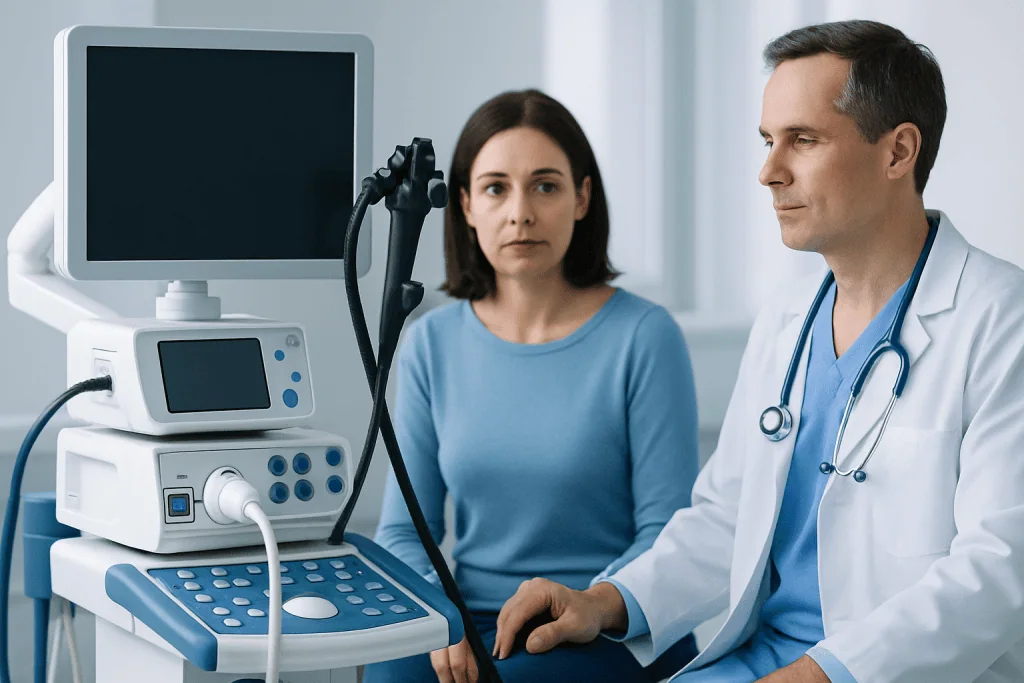
Duodenal cancer does not always cause noticeable symptoms at an early stage. When symptoms occur, they can resemble common digestive conditions such as indigestion, ulcers, gallbladder disease, or medication-related irritation. Having these symptoms does not mean a person has cancer, but symptoms that are persistent, progressive, or unexplained deserve medical review.
Possible symptoms include upper abdominal pain or discomfort, feeling full soon after starting a meal, nausea, vomiting, reduced appetite, bloating, and unintentional weight loss. A tumor may partially narrow the bowel, causing vomiting after eating or difficulty keeping food down. Some people notice changes in their bowel habits, although these are not specific to duodenal cancer.
Slow bleeding from a tumor can lead to iron-deficiency anemia. This may cause tiredness, shortness of breath with usual activity, dizziness, paler skin, or reduced exercise tolerance. Bleeding can occasionally cause black, tar-like stools or visible blood in vomit or stool. If the tumor blocks bile flow, jaundice may develop, causing yellowing of the skin or eyes, dark urine, pale stools, or itchiness.
- Persistent or worsening upper abdominal pain
- Unexplained iron-deficiency anemia or fatigue
- Ongoing nausea, vomiting, or early fullness
- Black stools, vomiting blood, or unexplained weight loss
- Jaundice or new dark urine and pale stools
Why it develops: causes and risk factors
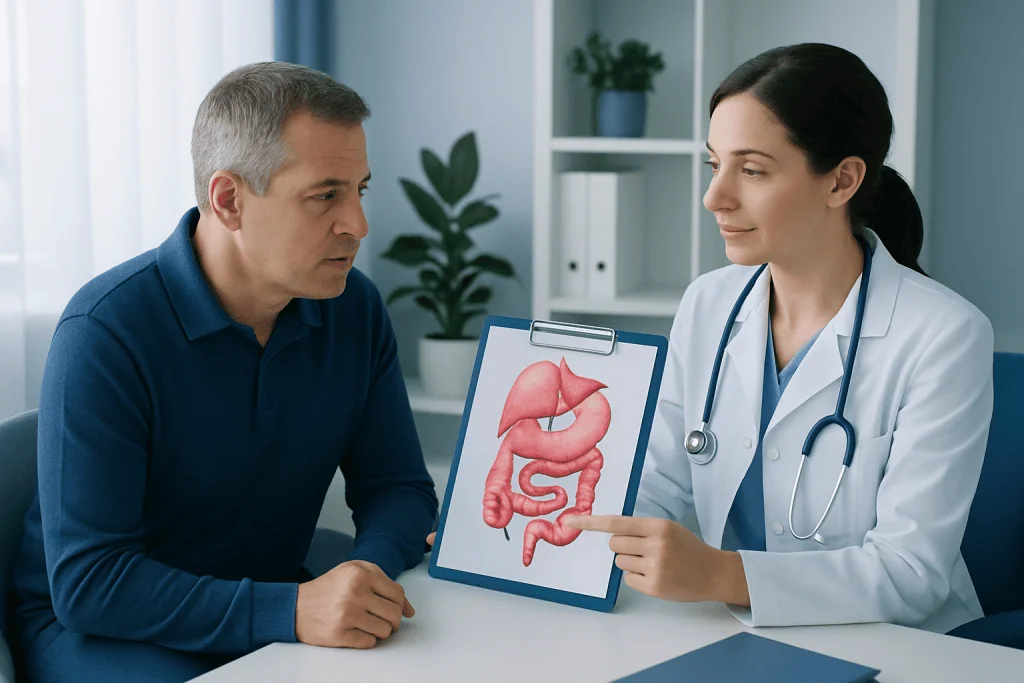
In most cases, doctors cannot identify one direct cause of duodenal cancer. Cancer develops when cells acquire genetic changes that allow them to grow and divide abnormally. These changes build up over time, and they are not usually the result of anything you did or failed to do.
Some factors are associated with a higher chance of small bowel or duodenal adenocarcinoma. These include older age, smoking, heavy alcohol use, obesity, and diets high in processed or red meat. Long-standing inflammation in the digestive tract, including Crohn’s disease and celiac disease, may also increase risk. Having one of these risk factors does not mean you will develop cancer.
Inherited conditions can be especially relevant. Familial adenomatous polyposis (FAP), Lynch syndrome, Peutz-Jeghers syndrome, and certain other inherited cancer predisposition syndromes can raise the likelihood of polyps and cancers in the small bowel. People with these conditions may be offered planned surveillance. A personal history of colorectal cancer, polyps, or other digestive cancers may also prompt doctors to consider an individualized assessment of risk.
How doctors diagnose and stage duodenal cancer
The diagnostic process begins with a medical history, physical examination, and blood tests. Blood tests can check for anemia, liver function changes, nutritional concerns, and general health before possible procedures. They cannot confirm duodenal cancer on their own, and tumor-marker blood tests are not sufficiently accurate to diagnose this cancer by themselves.
An upper gastrointestinal endoscopy is often the key test. During this procedure, a clinician passes a flexible camera through the mouth into the stomach and duodenum. It allows direct examination of the area and enables tissue samples, called biopsies, to be taken. A pathologist studies the samples under a microscope to identify the tumor type and may perform molecular testing that can help guide treatment.
After cancer is confirmed, imaging such as contrast-enhanced CT, MRI, or sometimes PET-CT helps show the size and location of the tumor and whether it has spread to lymph nodes or other organs. In selected situations, endoscopic ultrasound, specialized endoscopy, or exploratory surgery may be needed. This process is called staging and helps the multidisciplinary team decide whether surgery is appropriate and whether additional treatment is likely to be helpful.
Treatment options and care planning
Treatment depends on the cancer type, its exact position in the duodenum, stage, molecular features, the person’s overall health, and their preferences. Care is commonly planned by a multidisciplinary team that may include gastroenterologists, surgical oncologists, medical oncologists, radiologists, pathologists, dietitians, and supportive-care clinicians.
For localized duodenal adenocarcinoma, surgery offers the main chance of removing the cancer completely. Depending on where the tumor is located and how deeply it has grown, an operation may remove a segment of the duodenum or involve a pancreaticoduodenectomy, also called a Whipple procedure. This more extensive operation removes the head of the pancreas, duodenum, gallbladder, and part of the bile duct, with reconstruction to restore digestion. Your surgeon will weigh the options carefully, because these are complex operations.
Chemotherapy may be recommended after surgery when there is a higher risk of recurrence, or before surgery in selected cases to help control or shrink a tumor. If cancer has spread or cannot be removed surgically, systemic treatments may include chemotherapy and, for certain tumors, targeted medicines or immunotherapy based on molecular test results. Radiotherapy is used less often than in some other digestive cancers, but may be considered in particular circumstances. Treatment also includes management of symptoms, nutrition, anemia, pain, nausea, and emotional wellbeing.
For international patients, Acibadem International’s multidisciplinary specialists and JCI-accredited hospitals can assess and treat duodenal cancer, with care plans tailored to the tumor findings and the individual’s needs.
Living well during treatment and follow-up
Nutrition can be challenging before and during treatment because the duodenum plays an important role in digestion. Reduced appetite, nausea, early fullness, weight loss, and changes in bowel habits should be discussed early with the care team. A dietitian can help a person choose nutrient-dense foods, adjust meal size and timing, and address specific needs following surgery or chemotherapy.
After treatment, follow-up appointments usually include a review of symptoms, physical examination, blood tests when appropriate, and scheduled imaging or endoscopy based on the original cancer and treatment. Follow-up plans vary, so patients should ask which symptoms to report and when their next surveillance tests are due. Keeping a record of treatments, pathology results, and test dates can be useful, particularly when care is shared between locations.
General measures that support health include avoiding tobacco, limiting alcohol, maintaining activity within personal ability, and aiming for a balanced diet. These steps cannot guarantee that cancer will not return, but they can support recovery, cardiovascular health, strength, and quality of life. It is important to discuss supplements, herbal preparations, and major diet changes with the oncology team, as some can interfere with treatment or recovery.
When to seek medical care
A person should arrange a medical appointment for persistent upper abdominal symptoms, unexplained weight loss, loss of appetite, ongoing nausea or vomiting, or fatigue that does not improve. New iron-deficiency anemia, especially in an adult without an obvious cause, should be investigated. A doctor can assess common explanations as well as less common conditions such as duodenal cancer.
Urgent medical attention is needed for vomiting blood, black tar-like stools, fainting, severe or worsening abdominal pain, repeated vomiting that prevents fluid intake, or signs of jaundice. These symptoms can have several causes, but they need prompt assessment. People with a known inherited cancer syndrome or a strong family history of relevant cancers should ask their doctor whether genetic counseling or surveillance is appropriate.
If you have questions about your diagnosis, ask them. Patients may find it helpful to ask about the tumor type, stage, whether it can be removed surgically, the purpose and possible effects of each treatment, nutritional support, and the planned follow-up schedule. Seeking a second opinion from a specialist center can also be appropriate when a complex operation or treatment decision is being considered.
Frequently asked questions
Is duodenal cancer the same as pancreatic cancer?
No. Duodenal cancer starts in the first part of the small intestine, while pancreatic cancer begins in the pancreas. These organs are very close together, and their symptoms and operations can overlap, so detailed scans and biopsy findings are important for identifying where the cancer began.
How common is duodenal cancer?
Duodenal cancer is rare compared with cancers of the colon, stomach, pancreas, or breast. Adenocarcinoma is the most common cancer type arising in the duodenum, but several other rare tumor types can occur there. A specialist pathology review helps clarify the diagnosis.
Can an endoscopy detect duodenal cancer?
Yes. Upper gastrointestinal endoscopy can allow the doctor to view much of the duodenum and take biopsies from an abnormal area. A biopsy is needed to confirm cancer, while scans are used to assess how far it has spread and to plan treatment.
Is duodenal cancer curable?
When duodenal cancer is found at a localized stage and can be completely removed, treatment may be given with curative intent. The outlook varies according to stage, tumor biology, surgical results, response to treatment, and overall health. The treating team can explain what the findings mean for an individual person.
What is the first treatment for duodenal cancer?
There is no single first treatment for every person. Surgery is commonly the main treatment for localized adenocarcinoma that can be removed safely, while chemotherapy may be used before or after surgery in selected situations. Advanced disease is often treated with systemic therapy chosen according to the cancer’s characteristics and the person’s health.
Can duodenal cancer be prevented?
There is no guaranteed way to prevent duodenal cancer because many cases have no identifiable cause. Avoiding tobacco, limiting alcohol, maintaining a healthy weight, and addressing long-term digestive conditions may support overall risk reduction. People with inherited syndromes should follow their specialist’s recommended screening plan.
This article is for general information only and is not a substitute for professional medical advice. Please consult a qualified doctor about your individual situation.
Medical weight-loss options in Turkey — costs & eligibility
7 JCI-accredited hospitals · board-certified surgeons · reply within 24h
Add us as a Preferred Source to see more of our trusted health content across Google Search, AI Overviews and Discover.

Medically reviewed by the Acıbadem International Medical Board — August 24, 2026
See our medical review board →
References (1)
- Small Intestine Cancer Treatment (PDQ) - NCI — www.cancer.gov
Gastroenterology
Diagnosis and treatment of the digestive system and liver, with advanced endoscopy.
43 specialists in this unitGastroenterology Specialists at Acibadem





Related Treatments
Related Conditions
More from the Health Library

A Contracted Gallbladder Is Often Just a Recent Meal
Dysbiosis Means the Body’s Microbial Balance Has Shifted
Fit Test vs Colonoscopy: Differences Explained

Stomach Growling Is Usually Normal Digestion at Work
Microscopic Colitis: Symptoms, Causes, and Treatment Options