

Pediatric Retina
Pediatric retina care diagnoses and treats retinal disorders in infants, children, and adolescents, including premature birth-related and inherited retinal problems, using child-focused eye examinations and treatments.

Quick answer
Pediatric retina care focuses on diagnosing and treating retinal disorders in infants, children, and adolescents, including conditions linked to prematurity, developmental problems, and inherited eye disease. At Acibadem in Turkey, evaluation is tailored to children and may include specialized retinal imaging, examinations under appropriate support, and treatment with laser, injections, surgery, or ongoing monitoring depending on the condition.
When Your Child Needs Specialized Retina Care
Learning that your baby or child may have a retinal condition can feel frightening. The retina is the delicate layer of nerve tissue at the back of the eye that receives light and sends visual signals to the brain. In a newborn, infant, child, or teenager, retinal disease can affect not only sight today, but also visual development, learning, mobility, and confidence as the child grows.
Parents often arrive with urgent questions. Will my premature baby be able to see? Why does my child not follow objects or make eye contact as expected? Is a white reflex in a photograph dangerous? Could poor vision be inherited? Does my child need laser treatment, an injection, or surgery? Will the examination hurt? Will anesthesia be needed? These concerns are understandable, especially when the child is too young to describe symptoms clearly.
Pediatric retina care focuses on diagnosing and treating retinal disorders in infants, children, and adolescents. It requires more than adult retina expertise adapted to a smaller eye. Children have developing visual systems, different disease patterns, and different examination needs. Some retinal conditions progress quickly and require urgent treatment; others are lifelong conditions that need careful monitoring, genetic evaluation, visual rehabilitation, and family counseling.
At Acibadem, pediatric retina care is provided through child-focused eye examinations, modern retinal imaging, and multidisciplinary planning when needed. The aim is to identify the problem accurately, protect useful vision wherever possible, and support the child and family through each stage of care with clear communication.
What Pediatric Retina Care Is
Pediatric retina care is a specialized area of ophthalmology that evaluates and treats diseases affecting the retina, macula, retinal blood vessels, and vitreous in children. The macula is the central part of the retina responsible for detailed vision, while the vitreous is the gel-like substance inside the eye. In children, disorders in these structures may be present at birth, develop after premature birth, arise from inherited genetic changes, follow trauma or inflammation, or appear during childhood for reasons that require careful investigation.
Unlike a routine vision screening, a pediatric retina evaluation looks directly at the back of the eye and often uses advanced imaging to assess retinal structure and blood flow. Because young children may not cooperate with standard testing, examinations are adapted to age, developmental level, and medical condition. Some children can be examined while awake with drops that dilate the pupils. Others, particularly premature infants, very young children, or children needing detailed imaging or treatment, may require sedation or general anesthesia for comfort and safety.
Treatment depends on the diagnosis. Options may include close observation, laser treatment, intravitreal medication injection, cryotherapy in selected cases, retinal surgery, management of associated inflammation or systemic disease, genetic testing, low-vision support, and long-term follow-up. In some children, the goal is to prevent avoidable vision loss. In others, care focuses on stabilizing disease, improving visual function, detecting complications early, and helping the child use available vision as effectively as possible.
Because pediatric retinal disorders can be linked with premature birth, genetic syndromes, neurologic disease, metabolic disease, eye tumors, or systemic inflammatory conditions, care may involve pediatric ophthalmologists, retina specialists, neonatologists, pediatricians, geneticists, oncologists, neurologists, anesthesiologists, and rehabilitation specialists. This coordinated approach is especially important for international families seeking a complete evaluation and a practical care plan.
Who May Need Pediatric Retina Evaluation
A child may need pediatric retina evaluation after an abnormal newborn eye screening, a failed vision test, concerns raised by a pediatrician or ophthalmologist, or visible signs noticed at home. Some children are referred urgently; others are evaluated because of slow visual development, family history, or unexplained reduced vision.
In premature infants, the most common reason for retinal screening is the risk of retinopathy of prematurity, often called ROP. This condition affects the developing retinal blood vessels in babies born early or with very low birth weight. ROP can improve on its own in mild cases, but more advanced disease may progress rapidly and can lead to retinal detachment if not treated at the correct time. Screening schedules are based on gestational age, birth weight, oxygen exposure, and neonatal risk factors.
In older infants and children, symptoms may be subtle. A baby may not fix and follow faces or lights as expected. A toddler may bump into objects, sit very close to screens, avoid dim environments, or show unusual eye movements. A school-age child may struggle with reading, complain of blurred vision, or have difficulty with sports. Teenagers may describe floaters, flashes of light, a shadow in the vision, central distortion, or sudden vision loss, particularly after trauma or inflammation.
Parents may also notice signs in photographs. A white, yellow, or asymmetric reflection from the pupil can be associated with serious eye conditions, including retinal detachment, retinal tumors, cataract, or abnormal retinal development. While not every abnormal photograph indicates a dangerous condition, a persistent white reflex should be assessed promptly by an eye specialist.
Diagnosis typically begins with a detailed history. The physician may ask about pregnancy and birth history, neonatal intensive care treatment, oxygen use, family history of childhood blindness or retinal disease, developmental milestones, eye trauma, infections, medications, and systemic illness. A dilated retinal examination is then performed. Depending on the child’s age and the suspected condition, additional tests may be recommended.
- Dilated retinal examination: Eye drops widen the pupils so the specialist can examine the retina and optic nerve.
- Retinal photography: Wide-field images document retinal findings and help compare changes over time.
- Optical coherence tomography: This noninvasive scan provides detailed cross-sectional images of the retina and macula.
- Fluorescein angiography: A dye study may be used to assess retinal blood vessel development, leakage, or abnormal circulation.
- Ultrasound: Sound-wave imaging helps evaluate the eye when the view to the retina is blocked, or when tumors or detachments are suspected.
- Electrophysiology: Tests such as electroretinography may evaluate how well the retina responds to light, especially in inherited retinal conditions.
- Genetic testing and counseling: These may be recommended when inherited retinal disease is suspected or when family planning questions are important.
Conditions Pediatric Retina Care Addresses
Pediatric retina specialists diagnose and treat a wide range of disorders. Some are urgent and time-sensitive; others require careful monitoring over months or years. The main conditions include premature birth-related retinal disease, inherited retinal disorders, retinal vascular abnormalities, inflammatory retinal disease, trauma-related problems, and retinal detachments.
Retinopathy of prematurity is one of the most important pediatric retinal conditions. It occurs when retinal blood vessels develop abnormally in premature infants. Screening and timely treatment are central because advanced ROP can threaten vision in both eyes. Treatment may include laser therapy, intravitreal medication, surgery for retinal detachment, or a combination depending on disease stage and location.
Inherited retinal diseases include conditions such as retinitis pigmentosa, Leber congenital amaurosis, Stargardt disease, cone-rod dystrophy, achromatopsia, congenital stationary night blindness, and other genetic retinal disorders. These conditions can cause poor vision from birth, night blindness, light sensitivity, reduced central vision, color vision changes, or progressive visual decline. Diagnosis often combines examination, imaging, electrophysiology, and genetic testing.
Familial exudative vitreoretinopathy, also known as FEVR, is a genetic condition affecting retinal blood vessel development. It may be mild and discovered during family screening, or severe with retinal traction, bleeding, and detachment. Because family members may be affected differently, relatives may also need examination.
Coats disease is a retinal vascular disorder in which abnormal blood vessels leak fluid and lipid into the retina. It usually affects one eye and may cause reduced vision, eye misalignment, or an abnormal pupil reflection. Treatment may involve laser, cryotherapy, injections, or surgery depending on severity.
Retinal detachment in children may occur after trauma, high myopia, genetic vitreoretinal disorders, previous eye surgery, inflammation, or advanced ROP. Pediatric detachments can be complex because the retina may be more scarred or the child may not report symptoms early. Surgery may involve vitrectomy, scleral buckle, laser, gas, or silicone oil, depending on the case.
Inflammatory and infectious retinal disease may occur with uveitis, toxoplasmosis, viral infections, autoimmune disease, or systemic inflammatory conditions. Treatment often requires collaboration between ophthalmology, pediatrics, infectious disease, rheumatology, and sometimes neurology.
Retinal trauma can follow blunt or penetrating eye injury, sports injuries, falls, or accidents. Retinal tears, bleeding, macular injury, or detachment may require urgent assessment. Children with eye injuries should be evaluated promptly, even if they initially appear comfortable.
Retinal tumors and tumor-like conditions, including retinoblastoma, require rapid specialist evaluation. A white pupil reflex, new eye crossing, or unexplained poor vision in a young child should not be ignored. When an eye tumor is suspected, care is coordinated with ocular oncology and pediatric oncology teams.
How Pediatric Retina Care Is Performed
Pediatric retina care begins with preparation that respects both medical accuracy and the child’s comfort. For international families, the process often starts with a review of medical records before travel. This may include neonatal records, previous eye examination notes, imaging, genetic test results, medication lists, and photographs or videos showing visual behavior. When possible, prior information helps the care team plan the most appropriate appointment type and determine whether imaging, anesthesia, or urgent treatment may be needed.
Before the Examination
At the hospital, the team confirms the child’s history and the reason for referral. Parents are asked about pregnancy, birth weight and gestational age, neonatal intensive care, oxygen support, developmental milestones, family history, symptoms, and previous treatments. For premature infants, screening timing is particularly important. For children with suspected inherited retinal disease, details about relatives with vision problems can be very helpful.
Most children receive dilating eye drops. These drops temporarily enlarge the pupils and may blur near vision for several hours. In babies, the examination may be performed with special instruments while the child is held securely. In older children, the specialist may use a slit lamp, lenses, imaging devices, and visual testing adapted to the child’s age. If a child cannot cooperate sufficiently, or if detailed imaging or treatment is required, examination under anesthesia may be recommended. Pediatric anesthesia teams help determine the safest approach, especially for premature infants or children with other medical conditions.
During Diagnostic Testing
The retinal specialist examines the peripheral retina, macula, optic nerve, and blood vessels. Wide-field retinal imaging can capture large areas of the retina and is particularly useful in ROP, FEVR, Coats disease, and retinal vascular disorders. Optical coherence tomography can show swelling, thinning, scarring, or structural changes in the macula. Fluorescein angiography may be used when blood vessel leakage, non-perfused retina, or abnormal vessel growth must be mapped precisely. Ultrasound can help when cataract, bleeding, or corneal opacity prevents a clear view into the eye.
For suspected inherited retinal disease, additional testing may be arranged. Electrophysiology measures retinal function and can help distinguish between different forms of retinal dystrophy. Genetic testing may identify the gene involved, clarify inheritance patterns, guide family counseling, and determine whether the child may be eligible for current or future gene-specific therapies or clinical research pathways. Genetic results must be interpreted carefully, ideally with counseling, because not every genetic finding has immediate treatment implications.
When Treatment Is Needed
Treatment is selected according to the diagnosis, severity, the child’s age, and whether one or both eyes are affected. Some children require observation with scheduled follow-up. Others need treatment quickly, sometimes the same day or within a short window, particularly in aggressive ROP, retinal detachment, intraocular infection, or suspected tumor.
Laser photocoagulation uses focused light energy to treat abnormal or underdeveloped areas of the retina. In ROP, laser may reduce the drive for abnormal blood vessel growth. In vascular diseases, it can help seal or control leaking vessels. In children, laser treatment is commonly performed under sedation or general anesthesia to ensure accuracy and comfort.
Intravitreal injections place medication inside the eye through a very fine needle. In selected cases of ROP or retinal vascular disease, medicines that reduce abnormal vessel activity may be used. These treatments require careful follow-up because retinal vascular development and recurrence risk must be monitored over time.
Cryotherapy uses controlled freezing to treat abnormal peripheral retina or leaking vessels. It is less commonly used than laser in many settings but remains useful in selected cases, particularly when laser access is limited by the retinal location or media clarity.
Vitreoretinal surgery may be needed for retinal detachment, severe traction, non-clearing vitreous bleeding, traumatic retinal injury, or advanced complications of ROP and other disorders. Surgical approaches may include vitrectomy, removal of scar tissue, repair of retinal tears, laser treatment, scleral buckle placement, and use of gas or silicone oil to support the retina as it heals. Pediatric retinal surgery is often more complex than adult surgery because the eye is smaller, tissues may behave differently, and the disease may be related to abnormal development.
Medical treatment may be used when retinal disease is caused by inflammation, infection, or systemic illness. This can include antimicrobial therapy, anti-inflammatory medication, immune-modulating treatment, or coordination with pediatric subspecialists.
Typical Duration and Immediate Recovery
A diagnostic visit may take several hours because dilating drops need time to work, imaging may be required, and children may need breaks. An examination under anesthesia or retinal treatment is usually planned as a day procedure, although premature infants, medically fragile children, and children undergoing complex surgery may require longer observation or hospitalization. Surgical duration varies widely depending on the condition and complexity.
After examination or treatment, children may be sleepy if anesthesia or sedation was used. The eye may be red, watery, or light-sensitive. After laser or injections, discomfort is usually monitored closely and managed with medication when appropriate. After surgery, the child may need eye drops, an eye shield, activity restrictions, and specific positioning if gas or silicone oil is used. The care team explains warning signs, follow-up timing, and travel considerations before discharge.
Why Acting Early Matters
Timing is one of the most important factors in pediatric retina care. The visual system develops rapidly in infancy and childhood. When the retina does not send a clear signal to the brain, the brain may not develop normal visual pathways. This is why some retinal conditions can cause permanent visual limitation even if the eye later appears structurally improved. Early diagnosis gives the child the best opportunity for useful visual development and appropriate support.
In premature infants, delayed ROP screening or missed follow-up can allow the disease to progress from a treatable stage to retinal detachment. Once detachment occurs, surgery may still help in selected cases, but visual outcomes are generally less predictable. In Coats disease and other leaking vascular disorders, untreated fluid can damage the macula. In retinal detachment, delay may increase scarring and reduce the chance of restoring retinal anatomy. In inflammatory or infectious retinal disease, early treatment may prevent wider retinal damage.
Some warning signs deserve urgent evaluation: a white pupil reflex, sudden vision loss, new eye misalignment, eye injury, flashes or floaters with a curtain-like shadow, severe eye pain, or a premature infant who has missed ROP screening. Even when treatment is not immediately required, early assessment can prevent uncertainty and establish a safe monitoring plan.
For inherited retinal diseases, early diagnosis may not always change the underlying condition immediately, but it can still be very valuable. It helps families understand the cause, anticipate future needs, identify associated systemic conditions when present, arrange visual development support, and consider genetic counseling. Early intervention with low-vision services, educational accommodations, and protective strategies can make a meaningful difference in daily life.
Benefits of Pediatric Retina Treatment
The benefits depend on the child’s diagnosis and severity, but timely pediatric retina care can provide important medical and developmental advantages.
| Benefit | What It Means for You |
|---|---|
| Earlier, more accurate diagnosis | Your child’s symptoms can be linked to a specific retinal condition, helping the family avoid uncertainty and plan care appropriately. |
| Protection of developing vision | When treatable disease is found early, intervention may reduce the risk of avoidable vision loss and support normal visual development where possible. |
| Child-adapted examinations | Testing is adjusted for age, cooperation, and medical needs, including the option of examination under anesthesia when necessary. |
| Targeted treatment planning | Laser, injections, surgery, medication, observation, or genetic evaluation can be selected according to the specific condition rather than using a one-size approach. |
| Long-term monitoring | Children with chronic or inherited retinal disorders can be followed over time so complications are detected and managed earlier. |
| Family guidance | Parents receive clearer information about prognosis, warning signs, follow-up schedules, school support, and whether relatives may need examination. |
Recovery Timeline After Pediatric Retina Treatment
Recovery varies according to the procedure, the child’s age, and the retinal condition, but the following timeline reflects what many families can expect after common pediatric retina treatments.
| Time Period | What Patients Can Expect |
|---|---|
| Day 1 | The child may be sleepy after sedation or anesthesia. Mild redness, watering, light sensitivity, or irritability can occur. Parents receive instructions for drops, eye protection, feeding, comfort care, and warning signs. |
| First Week | Follow-up may be scheduled to check healing, retinal response, eye pressure, and signs of recurrence or inflammation. Activity may be limited after surgery, especially if positioning is required. |
| First Month | The retina is monitored for treatment response. Additional imaging or treatment may be needed in some conditions, particularly ROP, vascular disorders, or retinal detachment repair. |
| Longer Term | Children may need periodic examinations for months or years. Visual development, glasses, amblyopia treatment, low-vision support, school needs, and genetic counseling may become part of ongoing care. |
Factors That Influence Outcomes
Parents naturally want to know how successful pediatric retina treatment can be. The answer depends on the condition, timing, severity, and whether the macula and optic nerve are involved. In many treatable pediatric retinal diseases, earlier diagnosis and timely intervention are associated with better anatomic and functional results. However, pediatric retinal outcomes can be variable, especially when disease is advanced, inherited, bilateral, or associated with prematurity or systemic illness.
One major factor is stage at diagnosis. ROP treated at the appropriate stage often has a better chance of preventing severe structural complications than ROP discovered after retinal detachment. Coats disease managed before extensive macular damage may have a better visual outlook than advanced disease with long-standing fluid. Retinal detachment repaired before prolonged macular involvement may have more favorable visual potential.
Macular involvement is another critical issue. The macula provides central detailed vision for reading, recognizing faces, and schoolwork. If the macula is swollen, scarred, detached, underdeveloped, or affected by inherited degeneration, visual recovery may be limited even when the rest of the retina is stabilized.
The child’s age and visual development also matter. In infants and young children, the brain is still learning to see. If one eye has poor image quality for a long period, amblyopia, often called lazy eye, may develop. Glasses, patching, or other pediatric ophthalmology treatments may be needed alongside retinal care to help the brain use the eye.
Underlying diagnosis strongly influences prognosis. Some retinal vascular conditions are highly treatable when found early. Some inherited retinal diseases are progressive and do not yet have disease-specific therapy for every genetic type. In these cases, the value of care lies in accurate diagnosis, monitoring, complication management, visual support, and access to evolving treatment options when appropriate.
Follow-up adherence is essential. Pediatric retinal conditions can change after treatment. ROP may recur or require monitoring until retinal vessels mature. Intravitreal medication requires extended follow-up. Retinal detachment surgery may need additional procedures. Families traveling internationally should receive a clear follow-up plan that can be coordinated with physicians in their home country when ongoing visits are needed.
General health may also affect care. Premature infants may have lung, heart, neurologic, or feeding concerns. Children with syndromic retinal disease may need other specialists. Safe anesthesia planning, medication choices, and follow-up schedules must consider the whole child, not the eye alone.
Why International Patients Choose Acibadem for Pediatric Retina Care
International families seeking pediatric retina care often need more than a single appointment. They need an accurate diagnosis, a realistic treatment plan, careful coordination, and communication they can trust. Acibadem Hospitals provide pediatric retina services within JCI-accredited hospitals, with experienced ophthalmologists and access to multidisciplinary care when a child’s condition extends beyond the eye.
The care pathway is designed around detailed evaluation. Children may be assessed by pediatric ophthalmology and retina specialists, supported by imaging teams familiar with pediatric examinations. When conditions such as ROP, inherited retinal disease, retinal tumors, inflammatory disease, or trauma require broader input, cases can be discussed with related specialties. Multidisciplinary boards or specialist consultations may involve neonatology, pediatrics, genetics, oncology, neurology, rheumatology, infectious disease, or anesthesiology depending on the diagnosis.
Modern diagnostic technology helps physicians see details that may not be visible in a standard examination. Wide-field retinal imaging can document the far periphery of the retina, which is important in premature infants and vascular disorders. OCT can reveal fine macular changes. Angiographic imaging can show abnormal blood vessel growth or leakage. Ultrasound can provide information when the retina cannot be seen directly. These tools support more precise planning and make it easier to compare findings over time.
For treatment, Acibadem’s ophthalmology teams use established international approaches tailored to the child’s diagnosis. This may include laser therapy, intravitreal medication, retinal surgery, medical treatment, or structured observation. Pediatric anesthesia support is available when procedures or detailed examinations require sedation or general anesthesia. For families, this is particularly important because a child’s comfort and safety affect both the quality of the examination and the experience of care.
International patient services are an important part of the process. Acibadem International assists patients and families traveling from abroad with appointment planning, medical record coordination, interpretation services in more than 20 languages, hospital navigation, and communication with care teams. This support can be especially valuable for parents managing a child’s medical travel while also coping with uncertainty about vision.
Personalized treatment planning is central. A premature baby with urgent ROP, a toddler with suspected inherited retinal dystrophy, a teenager with retinal detachment after trauma, and a child with Coats disease do not need the same pathway. The evaluation, urgency, testing, anesthesia planning, treatment choice, follow-up schedule, and family counseling must all be adapted. Families receive recommendations based on the child’s condition and available evidence, including whether treatment should occur immediately, whether observation is safer, and what follow-up should happen after returning home.
For many international patients, a second opinion is also valuable. Pediatric retina diagnoses can be complex, and parents may want confirmation before a laser procedure, injection, surgery, genetic test, or long-term treatment plan. A second opinion can review the diagnosis, stage of disease, treatment options, timing, and expected follow-up needs. It may confirm the original plan, refine it, or identify additional tests that would help clarify the child’s condition.
Moving Forward With Clarity and Care
A child’s retinal diagnosis can change the way a family thinks about the future. Some conditions require urgent intervention; others require observation, genetic understanding, and long-term support. In every situation, clear information matters. The right pediatric retina evaluation can help explain what is happening inside the eye, what treatment options are reasonable, how quickly decisions need to be made, and what kind of follow-up your child will need.
If your child has been referred for pediatric retina care, has missed ROP screening, has an abnormal pupil reflection, has unexplained poor vision, or has a known inherited retinal condition, seeking specialist assessment is an important step. Acibadem can review medical records, arrange an in-person consultation, or provide a second opinion to help your family understand the diagnosis and next steps.
This information is general and is not a substitute for professional medical advice. Diagnosis and treatment decisions should be made after consultation with a qualified physician who can evaluate your child’s individual condition.
Preparation
- Children usually need a detailed eye examination, pupil dilation, and retinal imaging when possible. Parents should share birth history, previous eye reports, medications, allergies, and any genetic or systemic conditions. If anesthesia is planned, fasting instructions and pediatric anesthesia assessment are provided before the procedure.
Aftercare
- After treatment, children may need eye drops, protective eye care, and activity limits for a short period. Follow-up visits are important to monitor retinal healing, vision development, and the need for additional treatment. Parents should seek urgent care for increasing pain, redness, discharge, or sudden vision changes.
Turkey vs UK, Germany & USA
Pediatric retina care may involve detailed child-friendly diagnostics, monitoring, and timely treatment for conditions such as prematurity-related retinal disease and inherited retinal disorders. Costs and patient experience can vary by country, hospital setting, specialist expertise, and the type of care required.
The comparison below highlights practical factors that may influence the overall cost and experience of pediatric retina care for international families.
| Factor | Turkey | UK | Germany | USA |
|---|---|---|---|---|
| Cost structure | Often offered through private hospital packages with coordinated diagnostics, specialist visits, and treatment planning. | Public and private pathways differ; private care may involve separate fees for consultations, imaging, procedures, and follow-up. | Costs may be itemised across examinations, imaging, hospital services, anaesthesia, and treatment. | Costs are often highly itemised and may vary widely by hospital, insurance status, anaesthesia, and facility fees. |
| Hospital and specialist factors | Final cost may depend on pediatric retina expertise, operating room needs, neonatal or pediatric support, and hospital accreditation such as JCI. | Costs and access may depend on whether care is public or private, consultant availability, and pediatric ophthalmology resources. | University and specialist eye centres may offer advanced diagnostics; pricing can vary by facility type and care pathway. | Specialist children’s hospitals and retina centres may provide advanced care, with costs influenced by facility level and provider network. |
| Waiting times | International patient departments may help coordinate appointments and treatment scheduling, especially for time-sensitive cases. | Public referrals may involve triage and waiting; private appointments may be arranged more quickly depending on availability. | Scheduling is generally organised through specialist clinics, with timing depending on urgency and centre capacity. | Access can be rapid in some private settings, but availability may depend on insurance approval, provider network, and location. |
| Travel and family logistics | Travel planning, airport support, translation, and family coordination may be included or arranged by international patient services. | Language is usually straightforward for English-speaking families; travel and accommodation are generally arranged independently. | Interpreter support may be needed for some families; travel planning depends on the chosen city and clinic. | Long-distance travel, accommodation, and insurance administration can add complexity for international families. |
| Package inclusions | Packages may include consultation, imaging, treatment plan, hospital coordination, interpreter support, and follow-up guidance. | Inclusions vary by provider; diagnostics, procedures, anaesthesia, and follow-up may be billed separately in private care. | Packages may be less common; services are often structured by clinic, hospital, and procedure components. | Bundled pricing is not always available; separate charges may apply for physician, hospital, anaesthesia, imaging, and medications. |
What affects your final cost
- The child’s diagnosis and urgency of treatment.
- Whether care involves monitoring, laser treatment, injections, surgery, or genetic assessment.
- The need for sedation, anaesthesia, neonatal support, or pediatric operating room resources.
- The type and frequency of retinal imaging and examinations.
- The number of specialist visits and follow-up appointments required.
- Travel, accommodation, interpreter support, and medical report translation needs.
Compare your options
Pediatric retina care is tailored to the child’s condition, age, cooperation level, and urgency. Suitability for any option is decided by a pediatric retina specialist after examination and review of medical history.
| Option | What it is | Typical use | Key considerations |
|---|---|---|---|
| Child-focused retinal examination | A specialist eye assessment using age-appropriate techniques, pupil dilation, and retinal viewing tools. | Used to diagnose retinal disease, monitor development, and decide whether treatment is needed. | Young children may need extra time, special positioning, or examination under sedation depending on cooperation and urgency. |
| Retinal imaging | Photographs and scans of the retina, sometimes including wide-field imaging or optical coherence tomography when appropriate. | Helps document retinal findings, track progression, and support treatment planning. | Image quality depends on the child’s age, cooperation, media clarity, and available pediatric imaging equipment. |
| Prematurity-related retina screening and treatment | Assessment and treatment for retinal changes associated with premature birth, including laser or medication when indicated. | Used for infants at risk of retinopathy of prematurity or related retinal complications. | Timing is important, and care may require coordination with neonatology, anaesthesia, and pediatric specialists. |
| Intravitreal medication | Medication delivered into the eye by a retina specialist under sterile conditions. | May be considered for selected vascular or prematurity-related retinal conditions. | Requires careful selection, parental counselling, follow-up monitoring, and attention to systemic and eye-related safety factors. |
| Retinal laser treatment | A focused light treatment applied to specific areas of the retina. | May be used for selected retinal vascular problems, retinal tears, or prematurity-related disease. | May require sedation or anaesthesia in children; follow-up is needed to assess response and healing. |
| Pediatric vitreoretinal surgery | Microsurgery inside the eye performed by a retinal surgeon, sometimes with pediatric anaesthesia support. | Used for complex retinal detachment, trauma, severe scarring, or selected congenital retinal problems. | Cost and planning are influenced by complexity, operating room time, anaesthesia, hospital stay, and follow-up care. |
| Genetic testing and counselling | Evaluation for inherited retinal disorders using genetic analysis and specialist counselling when appropriate. | Used when symptoms, family history, or examination findings suggest an inherited retinal condition. | Results may guide prognosis, family counselling, monitoring, and eligibility for future therapies or research pathways. |
Trusted care for international patients
General information only — not medical or financial advice. Final costs depend on the factors above and your individual case; request a free, personalised quote.
Doctors Performing This Treatment

Prof. Dr. Altan Göktaş
Ophthalmology
Prof. Dr. Ayşe Öner
Ophthalmology
Prof. Dr. Banu Coşar
Ophthalmology
Prof. Dr. Berna Özkan
Ophthalmology
Prof. Dr. Dilaver Erşanlı
Ophthalmology
Prof. Dr. Dilek Güven
Ophthalmology
Prof. Dr. G. Ertuğrul Mirza
Ophthalmology
Prof. Dr. Gökhan Pekel
Ophthalmology
Prof. Dr. Haluk Esgin
Ophthalmology
Prof. Dr. Mehdi S. Öğüt
Ophthalmology
Prof. Dr. Muhsin Eraslan
Ophthalmology
Prof. Dr. Müslime Akbaba
Ophthalmology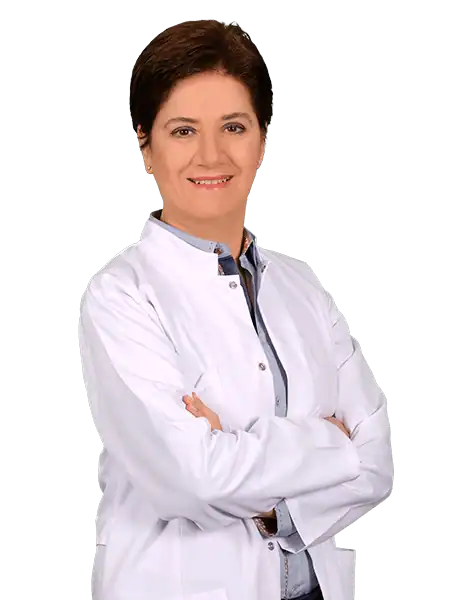
Prof. Dr. Nazan Bengüdeniz Erda
Ophthalmology
Prof. Dr. Sarper Karaküçük
Ophthalmology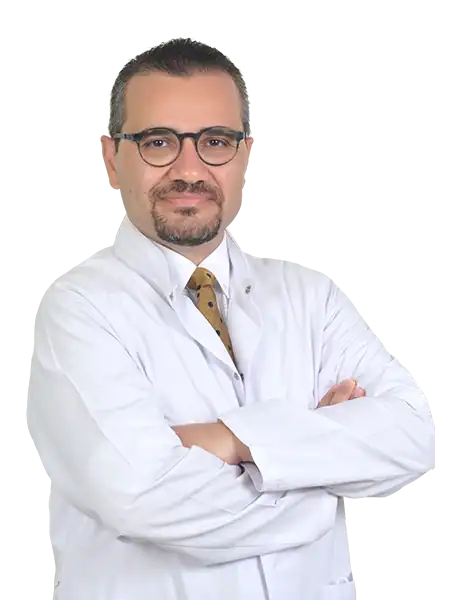
Prof. Dr. Selçuk Sızmaz
Ophthalmology
Prof. Dr. Seyhan Topbaş
Ophthalmology
Prof. Dr. Solmaz Balcı Akar
Ophthalmology
Prof. Dr. Özgül Altıntaş
Ophthalmology
Prof. Dr. Özlem Şahin
Ophthalmology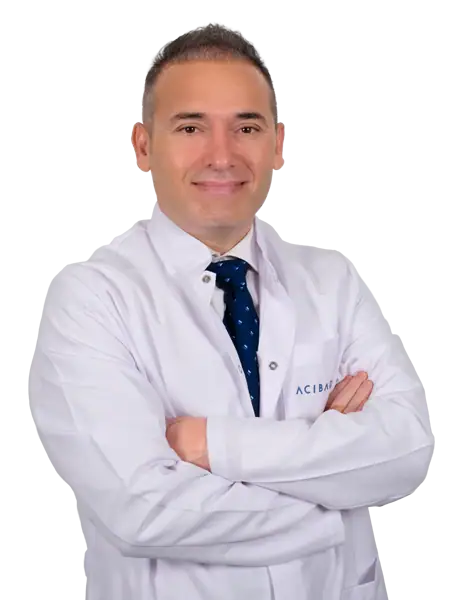
Assoc. Prof. Dr. Özgür Çakıcı
Ophthalmology
Dr. Akın Banaz
Ophthalmology
Dr. Alpaslan Koç
Ophthalmology
Dr. Buket Ayoğlu
Ophthalmology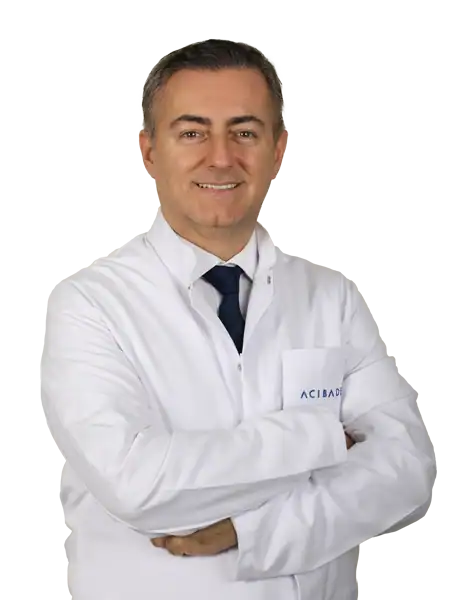
Dr. Ercan Paşaoğlu
OphthalmologyMedical Units
Available at These Hospitals












Frequently Asked Questions
What affects the cost of pediatric retina care?
The main factors are the child’s diagnosis, the urgency of care, the examinations and imaging required, whether treatment or surgery is needed, anaesthesia needs, hospital setting, and follow-up plan. Travel, accommodation, and interpreter support can also affect the overall budget for international families.
How can my family get a personalised quote from Acibadem?
You can request a free consultation and share the child’s medical reports, eye examination notes, imaging, birth history when relevant, and current symptoms. The international patient team can coordinate review by the appropriate specialist and provide a personalised estimate based on the recommended care plan.
Are pediatric retina packages all-inclusive?
Package content varies according to the diagnosis and planned treatment. A package may include consultation, selected imaging, treatment planning, interpreter support, and coordination services, while anaesthesia, surgery, medications, hospital stay, or additional tests may be listed separately depending on the case.
Why might the quote change after arrival?
A quote may change if the in-person examination finds a different level of disease, if additional imaging is needed, if the child requires sedation or anaesthesia, or if the treatment plan changes. Pediatric retina conditions can be time-sensitive, so specialists may update the plan after direct assessment.
Is it better to travel for pediatric retina care or stay locally?
This depends on urgency, the child’s medical stability, available local expertise, and the type of retinal problem. Some conditions need immediate local care, while others may allow planned travel for specialist assessment. This information is general and should not replace medical advice from a qualified specialist.