Understanding Common Skin Issues and Their Causes

Skin issues are symptoms or conditions with many possible causes, so appearance alone does not always identify the problem. A gentle routine, sun protection, and avoiding known irritants support the skin barrier and may prevent some flare-ups.
Key Takeaways
- Skin issues are symptoms or conditions with many possible causes, so appearance alone does not always identify the problem.
- A gentle routine, sun protection, and avoiding known irritants support the skin barrier and may prevent some flare-ups.
- Not all rashes are allergies, and not all acne is caused by poor hygiene; medical assessment can clarify the cause.
- New, rapidly changing, painful, blistering, infected-looking, or widespread skin changes need timely medical advice.
- Treatment depends on the diagnosis and may include skin-care changes, topical medicines, oral medicines, or procedures.
Skin issues are common and may appear as dryness, itching, redness, acne, rashes, pigment changes, or unusual growths. Many are mild and manageable, but persistent, severe, rapidly changing, or painful symptoms should be assessed by a qualified healthcare professional.
Skin issues: what they are and why evidence matters
Skin issues describe a wide range of changes affecting the skin, including dryness, itching, redness, scaling, spots, acne, eczema-like patches, color changes, sores, and lumps. They can arise when the skin barrier is disrupted, the immune system causes inflammation, oil glands become blocked, germs infect the skin, or the skin reacts to a substance in the environment. Because several conditions can look similar, a diagnosis should be based on the full pattern of symptoms rather than on a photograph or a single assumption.
Medical evidence is useful because popular skin-care advice can be misleading. For example, cleansing more often or using harsh exfoliants does not necessarily improve acne and can worsen irritation. Similarly, “natural” products can still cause allergic reactions. A practical approach is to notice when symptoms began, where they occur, what makes them better or worse, and whether there have been new medicines, products, illnesses, travel, or exposures.
The skin is also an important protective organ. It helps retain moisture, regulates temperature, provides sensation, and acts as a barrier against irritants and infection. Supporting this barrier with gentle care is helpful for many people, but ongoing or unusual skin issues deserve professional evaluation rather than self-treatment alone.
Common patterns of skin symptoms
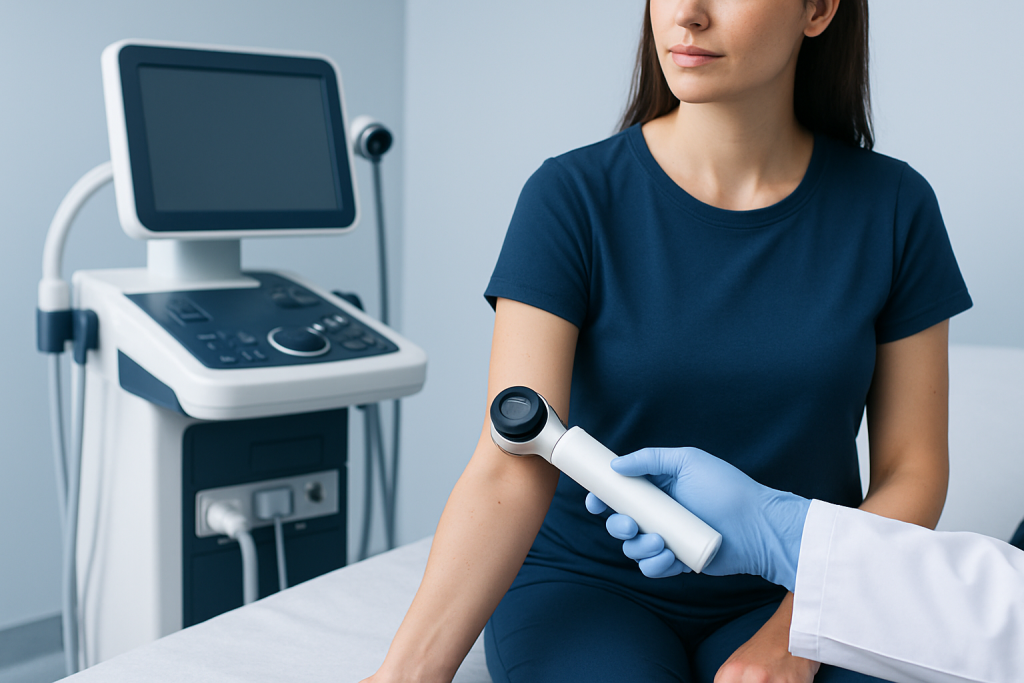
Dry, itchy, flaky skin often reflects reduced skin-barrier function. It may be related to cold or dry weather, frequent washing, hot showers, aging, eczema, or irritating products. Red, inflamed, itchy patches may occur with eczema, contact dermatitis, hives, psoriasis, fungal infection, or other inflammatory conditions. The location and timing can provide useful clues: a rash limited to an area touching jewelry, fragrance, gloves, or cosmetics may suggest contact dermatitis, while a rash in skin folds may have different causes.
Acne commonly appears as blackheads, whiteheads, inflamed bumps, or deeper painful nodules, especially on the face, chest, back, or shoulders. It develops through a combination of blocked pores, oil production, inflammation, and the activity of normal skin bacteria. Acne is not a sign that a person is unclean, and aggressive scrubbing may make it worse. Hormonal changes, some medicines, and occlusive products may contribute in some people.
Changes in skin color can include darkened areas after inflammation, pale patches, redness, or yellowing. Bruising, tiny red-purple spots, persistent ulcers, and new or changing moles also need careful attention. Although many marks are harmless, changes in size, shape, color, symptoms, or healing should be reviewed by a clinician.
- Itching without a visible rash can occur with dry skin, medicines, nerve-related conditions, or internal health problems.
- Blisters may result from friction, burns, viral infections, allergic reactions, or autoimmune conditions.
- Crusting, warmth, tenderness, pus, or rapidly spreading redness can indicate infection.
What can cause skin issues?

Many skin issues are triggered by everyday exposures. Soaps, detergents, fragrances, preservatives, hair dyes, metals, rubber, and certain plants may irritate the skin or cause allergic contact dermatitis. Heat, sweating, friction, tight clothing, shaving, and repeated handwashing can also compromise the skin barrier. A person may develop sensitivity to a product they have used before, so “I have always used it” does not fully rule out a reaction.
Inflammatory skin conditions may be influenced by genetics and immune activity. Eczema, psoriasis, rosacea, and some forms of hair loss are not contagious and are not caused by poor hygiene. Their symptoms can fluctuate over time. Stress, sleep disruption, infections, weather changes, alcohol, smoking, or specific products may worsen symptoms for some people, but triggers vary greatly between individuals.
Infections are another possible cause. Fungi can lead to ring-shaped, scaly, or itchy rashes and may affect the feet, groin, scalp, or nails. Bacteria may cause painful, warm, crusted, or pus-filled lesions. Viruses can cause warts, cold sores, or shingles. Appropriate treatment differs by cause, which is why using leftover antibiotics, strong steroid creams, or antifungal products without guidance may delay the correct diagnosis.
Some medicines and medical conditions can affect the skin. For instance, a new rash may be a drug reaction, while slow wound healing, recurrent infections, or persistent itching can sometimes be associated with underlying health concerns. A healthcare professional can consider these possibilities in the context of a person’s overall health and medication history.
How clinicians assess skin concerns
Diagnosis usually begins with a medical history and a close examination of the skin, hair, nails, and sometimes the mouth or eyes. A clinician may ask about the duration of symptoms, itch or pain, recent illnesses, personal or family history of skin conditions, new cosmetics or detergents, work exposures, travel, pets, and medicines. Clear information about what has already been tried, including over-the-counter creams and supplements, is also valuable.
Many skin conditions can be identified clinically. When the cause remains uncertain, testing may be useful. This can include a skin swab for infection, a gentle scraping to look for fungus, patch testing for delayed contact allergies, blood tests in selected situations, or a small skin biopsy. A biopsy involves taking a tiny sample after numbing the area and examining it under a microscope.
Photographs may help document changes over time, particularly when symptoms come and go. However, online images and self-diagnosis tools cannot reliably distinguish all benign from serious conditions. In-person examination is particularly important for a changing mole, unexplained persistent rash, a non-healing wound, or symptoms that do not respond as expected to basic care.
Evidence-based treatment options
Treatment for skin issues depends on the cause, severity, body area involved, age, medical history, and personal preferences. Simple measures may be enough for mild dryness or irritant reactions: using fragrance-free products, avoiding the suspected trigger, taking shorter lukewarm showers, and applying a plain moisturizer regularly. Thick creams or ointments generally provide more barrier support than thin lotions for very dry skin.
Clinicians may recommend medicated topical treatments, such as anti-inflammatory creams, acne therapies, antifungal medicines, or medicines that help regulate skin-cell turnover. Some conditions require oral medication, light-based treatment, injections, or procedures. These options should be selected and monitored by a qualified clinician, especially when symptoms are widespread, recurrent, affecting the face or genitals, or associated with pregnancy, childhood, or other medical conditions.
It is important to use prescribed treatments exactly as advised. Strong topical steroids, for example, can be very useful for appropriate short-term treatment of certain inflammatory conditions, but unsuitable use may thin the skin or mask infection. Antibiotics do not treat fungal infections or most viral rashes, and they should not be used unnecessarily. A clinician can explain expected benefits, possible side effects, and how long treatment may take to work.
For patients seeking coordinated assessment, Acibadem International’s multidisciplinary specialists and JCI-accredited hospitals diagnose and treat a wide range of skin concerns for international patients. The appropriate pathway may involve dermatology and, when needed, allergy, infectious disease, endocrinology, or other specialties.
Daily skin care and prevention
A consistent, uncomplicated skin-care routine is often more beneficial than using many active products at once. Gentle cleansing once or twice daily, followed by a moisturizer suited to the person’s skin type, can help protect the skin barrier. Products labeled fragrance-free may be preferable for sensitive or eczema-prone skin; “unscented” products can still contain fragrance-masking ingredients. New products are best introduced one at a time so that a reaction is easier to identify.
Sun protection is part of everyday skin health. Broad-spectrum sunscreen, protective clothing, shade, and avoiding intentional tanning help reduce sunburn, premature skin aging, and the risk of skin cancer. Sunscreen should be selected for comfort and regular use, with a formulation appropriate for the face or body. People with acne-prone skin may prefer non-comedogenic products, while those with sensitive skin may need simpler formulations.
Other helpful habits include avoiding very hot water, not picking or squeezing acne lesions, using clean shaving tools, changing out of sweaty clothing, and wearing protective gloves for wet work or harsh chemicals. Keeping nails short may reduce skin damage from scratching. If a product repeatedly stings, burns, or causes a rash, stopping it is usually sensible until a clinician can advise further.
Diet and hydration support overall health, but there is no single food or supplement that reliably cures all skin conditions. Eliminating multiple food groups without professional advice can create nutritional problems. When a specific food seems to trigger recurrent hives or eczema flares, an allergy or dermatology assessment can help determine whether testing or dietary changes are appropriate.
When to seek medical care
Medical advice is appropriate for skin symptoms that persist, recur frequently, interfere with sleep or daily life, spread despite basic care, or remain unclear. A dermatologist or other qualified clinician can assess whether a rash is inflammatory, allergic, infectious, medication-related, or linked to another health condition. Early assessment may also reduce the chance of scarring from severe acne or ongoing inflammation.
Prompt medical evaluation is especially important for a rapidly spreading rash, fever with a rash, painful blisters, swelling of the lips or face, trouble breathing, skin that is hot and tender, pus, red streaks, or a wound that is not healing. Emergency care is needed if a severe allergic reaction is suspected, including difficulty breathing, throat tightness, fainting, or widespread hives with swelling.
A new mole or spot should be checked if it changes in size, shape, color, or sensation; bleeds; crusts repeatedly; or does not heal. People should also seek advice for a rash occurring soon after starting a new medicine, particularly if it involves fever, mouth sores, eye irritation, facial swelling, or blistering. These symptoms do not always indicate a serious condition, but they should not be managed by home care alone.
Frequently asked questions
Are skin issues usually serious?
Most skin issues are not dangerous and may improve with gentle skin care or targeted treatment. However, the appearance of a rash alone cannot confirm its cause. Persistent, painful, infected-looking, rapidly spreading, or changing skin symptoms should be assessed by a healthcare professional.
Can stress cause skin problems?
Stress does not cause every skin condition, but it can worsen some conditions, including acne, eczema, psoriasis, hives, and rosacea. Stress may affect sleep, immune signaling, scratching behavior, and daily routines. Stress-management strategies can support treatment but do not replace medical care when symptoms are significant.
Is acne caused by poor hygiene?
No. Acne is mainly related to blocked pores, oil production, inflammation, hormones, and normal skin bacteria. Overwashing or scrubbing the skin can cause irritation and may make acne appear worse. Gentle cleansing and appropriate treatment are usually more helpful than harsh products.
Should a person stop using all skin-care products if a rash develops?
Stopping a new or clearly irritating product is often reasonable. Using a simple, fragrance-free cleanser and moisturizer may help while the skin settles. If the rash is severe, widespread, blistering, painful, or does not improve, medical assessment is important before trying multiple treatments.
Can fungal skin infections be treated with steroid cream?
Steroid creams can reduce redness and itching but do not treat fungal infections. In some cases, they can change the appearance of a fungal rash and make diagnosis more difficult. A clinician or pharmacist can help identify whether an antifungal treatment or another approach is appropriate.
How often should moles be checked?
People can become familiar with their own skin by noticing new or changing spots during routine activities such as dressing or bathing. A clinician should examine any lesion that changes, bleeds, itches persistently, crusts, or fails to heal. Those with a personal or strong family history of skin cancer may need individualized follow-up advice.
References
- American Academy of Dermatology Association
- National Institute of Arthritis and Musculoskeletal and Skin Diseases
- National Health Service
- Centers for Disease Control and Prevention
- World Health Organization
This article is for general information only and is not a substitute for professional medical advice. Please consult a qualified doctor about your individual situation.
Explore treatments in Turkey — costs, top hospitals & a free quote
JCI-accredited · board-certified surgeons · reply within 24h
Add us as a Preferred Source to see more of our trusted health content across Google Search, AI Overviews and Discover.

More from the Health Library

Chamomile Tea for Stomach Acid — Explained by Medical Evidence, Not Myths

Elbow Puffy: A Complete Medical Overview

Sertraline Withdrawal: A Complete Medical Overview

Smart Popcorn: A Complete Medical Overview

Golden Milk: An Evidence-Based Guide for Patients