Is Anemia Genetic? Here Is What the Evidence Says

Some forms of anemia are inherited, including sickle cell disease and thalassemia. Iron deficiency is a common non-genetic cause of anemia and should not automatically be attributed to family history.
Key Takeaways
- Some forms of anemia are inherited, including sickle cell disease and thalassemia.
- Iron deficiency is a common non-genetic cause of anemia and should not automatically be attributed to family history.
- Symptoms such as tiredness, shortness of breath, dizziness, and paleness deserve medical assessment if persistent or worsening.
- Doctors use a complete blood count and targeted tests to determine the type and cause of anemia.
- Genetic counseling and family testing may be helpful when an inherited anemia is suspected.
Anemia can be genetic, but many cases are acquired and related to iron deficiency, blood loss, chronic disease, vitamin deficiencies, or other treatable causes. A blood test can confirm anemia, and further testing helps identify whether an inherited condition may be involved.
Is anemia genetic? The short answer
Yes, anemia can be genetic, but it is not always inherited. Some people are born with gene changes that affect how red blood cells are made, shaped, or broken down. These inherited conditions can cause anemia from childhood or may be identified later through routine testing, pregnancy screening, or investigation of symptoms.
Many cases of anemia are not genetic. They can develop because the body lacks iron, loses blood, has low vitamin B12 or folate levels, or is affected by inflammation, kidney disease, infections, medications, or bone marrow conditions. In many people, anemia is mild and treatable once the underlying cause is found.
A family history of anemia can be useful information, but it does not confirm a genetic disorder. Relatives may share dietary patterns, menstrual bleeding concerns, health conditions, or ancestry-linked risk factors as well as genes. A clinician can distinguish among these possibilities with blood tests and, when appropriate, genetic testing.
How inherited anemia differs from acquired anemia
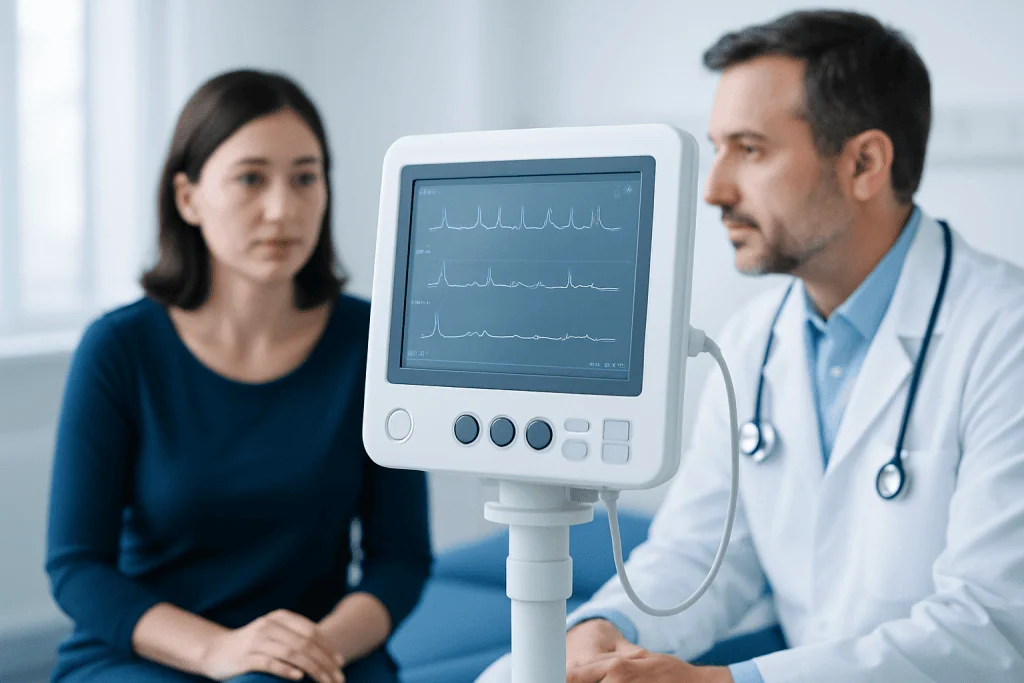
Anemia means there are too few healthy red blood cells, or too little hemoglobin within them, to carry oxygen efficiently around the body. Hemoglobin is the oxygen-carrying protein that gives blood its red color. The effect on health depends on how low the blood count is, how quickly it changed, and what is causing it.
Inherited anemias result from genetic variants passed through one or both parents. They may affect hemoglobin production, red blood cell membranes, enzymes needed for red cell survival, or the production of red blood cells. Symptoms can begin in infancy or childhood, although milder forms may cause few symptoms until adulthood.
Acquired anemia develops after birth. Iron deficiency is among the most common causes and may occur with increased iron needs, limited dietary intake, heavy menstrual bleeding, pregnancy, or bleeding from the digestive tract. Chronic medical conditions can also reduce red blood cell production or alter how the body uses iron.
- Inherited causes: thalassemia, sickle cell disease, hereditary spherocytosis, glucose-6-phosphate dehydrogenase (G6PD) deficiency, and some rare bone marrow disorders.
- Acquired causes: iron deficiency, vitamin B12 or folate deficiency, bleeding, chronic inflammation, kidney disease, and medication-related effects.
Genetic conditions that can cause anemia

Thalassemia is an inherited condition in which the body makes reduced amounts of certain hemoglobin chains. Its severity varies widely. A person may carry a thalassemia trait with little or no illness, while others have more significant anemia requiring regular specialist care. Thalassemia is more common in people with family origins in the Mediterranean, Middle East, South Asia, Southeast Asia, and parts of Africa, but it can occur in any population.
Sickle cell disease is another inherited hemoglobin disorder. It changes the shape and behavior of red blood cells under certain conditions, which can lead to anemia and other complications. A person usually develops sickle cell disease only after inheriting the relevant gene variant from both parents. Someone with sickle cell trait generally does not have sickle cell disease, though medical guidance may still be useful in particular situations.
Other inherited conditions can make red blood cells more fragile or less able to cope with certain stresses. For example, hereditary spherocytosis affects the red cell membrane, while G6PD deficiency can lead to red cell breakdown after exposure to particular medicines, foods, or infections. These conditions require individualized advice because triggers and treatment needs differ.
Not every inherited blood finding causes symptoms or needs treatment. Identifying a trait can still be important for family planning, interpreting blood tests correctly, and avoiding unnecessary iron treatment when iron levels are normal.
Symptoms and signs that deserve attention
Symptoms of anemia are often gradual and may be mild, especially when anemia develops slowly. Common symptoms include fatigue, reduced exercise tolerance, weakness, headaches, dizziness, feeling unusually cold, pale skin or gums, and shortness of breath with activity. These symptoms are not specific to anemia, so testing is needed rather than self-diagnosis.
Inherited anemia may be considered when anemia is persistent, begins early in life, affects several relatives, or does not improve as expected with appropriate treatment for iron deficiency. Some people may also notice jaundice, dark urine, episodes of pain, an enlarged spleen, or a history of gallstones, depending on the underlying condition.
Symptoms can overlap with those of nutritional deficiencies, thyroid disorders, sleep problems, anxiety, infections, and heart or lung conditions. For this reason, it is safer not to assume tiredness is simply due to a busy lifestyle or a family tendency toward “low blood.” A healthcare professional can assess symptoms in the context of a complete medical history and examination.
When to seek medical care
Medical review is appropriate for persistent fatigue, unexplained paleness, breathlessness, dizziness, palpitations, or reduced ability to manage usual activities. It is also important to arrange an appointment if there is a known family history of thalassemia, sickle cell disease, unexplained anemia, repeated blood transfusions, or early gallstones.
Urgent assessment is needed for chest pain, fainting, severe shortness of breath, confusion, a rapid heartbeat at rest, black or bloody stools, vomiting blood, or heavy bleeding. These symptoms can indicate severe anemia or active bleeding and should not be managed at home.
People who are pregnant, planning pregnancy, or considering having children may benefit from discussing carrier screening when they or their partner have a family history or ancestry associated with inherited blood disorders. Screening can clarify reproductive risks and support informed decisions without assuming that a child will necessarily be affected.
How doctors diagnose the cause of anemia
The first step is usually a complete blood count (CBC), which measures hemoglobin, hematocrit, red blood cell number, and red blood cell size. The pattern of results can provide valuable clues. For example, small red blood cells may occur in iron deficiency or thalassemia, so further tests are needed to tell these causes apart.
A clinician may request iron studies, including ferritin, as well as vitamin B12, folate, kidney function, markers of inflammation, and tests for red cell breakdown. A reticulocyte count shows whether the bone marrow is producing red blood cells appropriately. Depending on symptoms, age, and bleeding risk, evaluation may also include tests for blood loss.
Hemoglobin analysis can identify many hemoglobin disorders, including sickle cell disease and forms of thalassemia. Genetic testing may be offered when results are unclear, when a specific inherited disorder is suspected, or for carrier and family planning assessment. Genetic counseling can help patients understand what results mean for them and their relatives.
It is important not to start iron supplements solely because a blood count suggests anemia. Iron is helpful when deficiency is confirmed or strongly suspected by a clinician, but it does not treat every form of anemia and may delay recognition of an inherited condition or another cause.
Treatment and everyday care
Treatment depends on the cause, severity, symptoms, and a person’s overall health. Iron deficiency anemia may improve with treatment to replace iron and address the reason for iron loss. Vitamin-related anemia may require nutritional changes or replacement therapy. When bleeding is responsible, identifying and treating the source is essential.
Inherited anemias are managed according to the specific disorder. Some people need monitoring only, while others may benefit from specialist treatment, medicines, transfusions, prevention of infection, or procedures for complications. Care plans are individualized and may change over time, particularly during childhood, pregnancy, illness, or surgery.
A balanced diet supports blood health, but diet alone cannot correct all types of anemia. Foods containing iron, vitamin B12, folate, and protein can be helpful as part of general nutrition. People with a suspected genetic anemia should avoid using supplements, herbal products, or restrictive diets as a substitute for medical assessment.
Acibadem International’s multidisciplinary specialists and JCI-accredited hospitals can assess anemia and coordinate diagnostic and treatment planning for international patients. The appropriate pathway may involve primary care, hematology, obstetrics, gastroenterology, genetics, or nutrition services depending on the findings.
Can inherited anemia be prevented?
Genetic anemia cannot usually be prevented after a person has inherited the relevant gene changes. However, early recognition can reduce avoidable complications, support appropriate monitoring, and help people understand which symptoms or triggers require attention. Keeping scheduled follow-up appointments and sharing the diagnosis with relevant healthcare professionals can improve continuity of care.
Carrier screening and genetic counseling may be considered before pregnancy or early in pregnancy, especially when there is a known family history. If both partners carry variants associated with the same inherited blood disorder, a genetics professional can explain the possible outcomes and available testing options in a clear, non-directive way.
For acquired anemia, prevention may include maintaining adequate nutrition, treating heavy menstrual bleeding, managing chronic conditions, and seeking advice about persistent digestive symptoms or unexplained weight loss. Regular health checks can be particularly useful for people with prior anemia, chronic disease, pregnancy, or an increased risk of nutritional deficiency.
Frequently asked questions
Can anemia run in families?
Yes. Certain forms of anemia, including thalassemia, sickle cell disease, hereditary spherocytosis, and G6PD deficiency, can run in families. However, a family history of anemia does not always mean the cause is genetic, since shared lifestyle factors and common medical conditions can also contribute.
Is iron deficiency anemia genetic?
Iron deficiency itself is usually not inherited. It most often develops because of blood loss, increased iron requirements, reduced iron intake, or difficulty absorbing iron. Some families may have shared risk factors, and rare inherited conditions can affect iron handling, so a clinician should assess persistent or recurrent deficiency.
How can someone know whether anemia is inherited?
A doctor will consider the person’s symptoms, family history, ancestry, and blood test pattern. Tests may include a complete blood count, iron studies, hemoglobin analysis, and sometimes genetic testing. The diagnosis should not be based on symptoms or family history alone.
Can a person be a carrier of genetic anemia without being ill?
Yes. Carriers of some conditions, such as thalassemia traits or sickle cell trait, may have no symptoms or only mild changes on blood tests. Knowing carrier status can be helpful for family planning and for ensuring that blood test results are interpreted accurately.
Should a person take iron if anemia runs in the family?
Not without medical advice. Iron can be appropriate for confirmed iron deficiency, but inherited anemias do not necessarily improve with iron. Blood tests can show whether iron stores are low and help prevent unnecessary supplementation.
Can genetic anemia appear for the first time in adulthood?
The genetic change is present from birth, but mild forms may not be detected until adulthood. Testing may first occur during a routine health check, pregnancy screening, or evaluation for fatigue or another health concern. More severe inherited anemias are often recognized earlier in life.
This article is for general information only and is not a substitute for professional medical advice. Please consult a qualified doctor about your individual situation.
Anemia in Turkey — costs, top hospitals & a free quote
JCI-accredited · board-certified surgeons · reply within 24h
Add us as a Preferred Source to see more of our trusted health content across Google Search, AI Overviews and Discover.

More from the Health Library

What Is the Sweetest Fruit? Causes, Explanations, and Next Steps

Can You Gargle with Hydrogen Peroxide? A Doctor-Reviewed Answer

Is Eating Ice Bad for You? Causes, Explanations, and Next Steps

Does Pooping Help You Lose Weight? Causes, Explanations, and Next Steps

Does Yogurt Cause Constipation? Causes, Explanations, and Next Steps