

CoolSculpting
CoolSculpting is a non-surgical body contouring treatment that uses controlled cooling to reduce stubborn fat pockets. It is designed for localized fat reduction, not weight loss.
Quick answer
CoolSculpting is a non-surgical body contouring treatment that uses controlled cooling to target and gradually reduce stubborn localized fat without surgery. At Acibadem in Turkey, it is used for selected areas after medical assessment, with treatment planned to fit body contours and follow-up focused on expected changes over time.
Considering CoolSculpting When Stubborn Fat Does Not Respond to Diet and Exercise
Many people who consider CoolSculpting are already attentive to their health. They may exercise consistently, eat carefully and maintain a stable weight, yet still notice areas of fat that do not change in the way they expected. These pockets may appear at the abdomen, flanks, thighs, upper arms, back or under the chin. They can affect how clothing fits, how balanced the body looks and how comfortable a person feels in photographs or social settings.
For international patients, the decision to have a body contouring treatment abroad often brings additional questions. Is the treatment appropriate for my body? How much downtime should I expect? Will I look natural? How do I know the medical team will evaluate me honestly rather than simply perform a procedure? These are reasonable concerns. CoolSculpting is not a weight-loss treatment and it is not a substitute for healthy habits. It is a non-surgical fat reduction procedure designed for selected people who want to reduce localized, pinchable fat deposits without incisions, anesthesia or the recovery time associated with surgery.
The most important first step is a careful assessment. A skilled clinician should evaluate whether the area is caused by subcutaneous fat, loose skin, muscle separation, swelling, posture, visceral fat or another factor. In some cases, CoolSculpting can be a sensible option. In others, a different treatment plan may be safer or more effective. At Acibadem, the focus is on matching the treatment to the individual patient, using a medical evaluation, body contour analysis and realistic planning before any procedure is recommended.
What Is CoolSculpting?
CoolSculpting is a non-surgical body contouring treatment that uses a medical process called cryolipolysis. Cryolipolysis means controlled cooling of fat tissue. Fat cells are more sensitive to cold than many surrounding tissues. During treatment, a specialized applicator delivers carefully regulated cooling to the targeted fat layer beneath the skin. This cooling injures selected fat cells, which are then gradually processed and removed by the body over time.
The goal is not immediate weight reduction. Instead, CoolSculpting aims to create a gradual decrease in localized fat thickness and a more refined contour in the treated area. Because the body removes the affected fat cells slowly, results typically develop over several weeks and may continue to become more visible over a few months. The final appearance depends on the treated area, the amount and quality of fat, skin elasticity, body composition and lifestyle after treatment.
CoolSculpting does not involve surgical cuts, liposuction cannulas, general anesthesia or stitches. Most patients can return to usual daily activities shortly after the session. This makes it appealing for people who want a medical aesthetic treatment with minimal interruption to work, travel or family responsibilities. However, it still requires appropriate patient selection and should be performed by trained professionals who understand anatomy, device settings, applicator placement, safety protocols and the limits of the procedure.
It is also important to understand what CoolSculpting does not do. It does not treat obesity. It does not remove deep internal fat around the organs. It is not primarily a skin-tightening procedure. It does not correct significant muscle laxity or abdominal separation after pregnancy. It may improve the contour of an area, but it should be considered part of a broader body-shaping plan rather than a complete replacement for medical weight management, surgery or lifestyle care when those are needed.
Who May Need CoolSculpting?
CoolSculpting may be suitable for adults who are close to their desired weight but have localized fat deposits that remain despite diet and exercise. The best candidates often describe a specific area they can point to or pinch, rather than a general desire to lose weight all over. They usually have stable body weight, realistic expectations and enough skin elasticity for the treated area to settle smoothly as fat volume decreases.
Common concerns that lead patients to ask about CoolSculpting include fullness at the lower abdomen, “love handles” at the sides of the waist, fat at the inner or outer thighs, small bulges at the bra line or back, fullness under the chin, or upper arm fullness that does not respond to exercise alone. Some patients seek treatment after pregnancy, weight fluctuation or aging-related changes in body fat distribution. Others have always had a genetic tendency to store fat in a particular area.
The diagnosis and treatment plan begin with a consultation. The clinician reviews your medical history, current medications, previous surgeries, weight history, pregnancy plans, skin quality and expectations. The area is examined while standing and, when appropriate, in different positions. This helps distinguish fat from loose skin, muscle bulging or deeper abdominal fullness. Standardized photographs may be taken to support planning and to help compare changes over time.
CoolSculpting may not be appropriate for everyone. People with certain cold-related medical conditions, such as cryoglobulinemia, cold agglutinin disease or paroxysmal cold hemoglobinuria, should not undergo cryolipolysis. Patients with active skin disease, open wounds, significant hernia in the treatment zone, severe nerve sensitivity, certain circulatory problems or recent surgery in the area may need to delay treatment or choose another option. Pregnancy is also generally not a time for elective body contouring procedures.
A responsible evaluation also includes discussing alternatives. If the main concern is substantial loose skin, a surgical procedure may offer a more predictable improvement. If the issue is overall body weight, a medically supervised weight management plan may be more appropriate before body contouring. If there is cellulite, CoolSculpting alone may not address the dimpled texture. The right recommendation depends on the anatomy behind the concern.
Conditions and Indications CoolSculpting Addresses
CoolSculpting is used for localized subcutaneous fat reduction. Subcutaneous fat is the layer of fat located beneath the skin and above the muscle. It is different from visceral fat, which lies deeper in the abdomen around internal organs. Visceral fat is influenced mainly by overall metabolic health, nutrition, exercise, genetics and medical factors; it is not treated with external cooling applicators.
The areas commonly considered for CoolSculpting include:
- Abdomen: small to moderate fat bulges in the upper or lower abdomen, especially when the fat is pinchable.
- Flanks: fullness at the sides of the waist, often described as love handles.
- Thighs: localized fullness at the inner thighs, outer thighs or other selected thigh areas, depending on anatomy.
- Upper arms: fat fullness that remains despite toning exercises, when skin quality is suitable.
- Submental area: fullness under the chin in appropriate candidates.
- Back and bra-line areas: small localized bulges that affect clothing fit.
- Below the buttocks: selected fat pockets in the banana-roll region, when appropriate for the patient’s anatomy.
CoolSculpting can be useful for patients who want a gradual, natural-looking change without the recovery period associated with surgery. It may also be considered for patients who are not ready for liposuction or who do not need the degree of fat removal that surgery can provide. In some cases, more than one treatment session is planned for the same area or for several areas, depending on the desired level of refinement.
The indication must be precise. A patient who says, “I want a flatter abdomen,” may have several different reasons for abdominal fullness: subcutaneous fat, visceral fat, loose skin, bloating, posture, muscle separation or a combination of these. CoolSculpting can only address the component related to treatable subcutaneous fat. This is why evaluation by an experienced medical aesthetic team is essential.
How CoolSculpting Is Performed
Preparation and Treatment Planning
Preparation begins with a medical and aesthetic consultation. The clinician asks about your goals, health history, allergies, medications, previous body contouring treatments and any sensitivity to cold. If you are traveling internationally, it is helpful to share recent medical information in advance, including relevant diagnoses and medications. This allows the team to identify potential contraindications before you make travel plans.
During the body assessment, the treatment area is examined and measured. The provider determines whether the fat can be safely drawn into an applicator or treated with an applicator suited to the area. The number of applicator placements is planned according to body shape, the size of the fat pocket and symmetry. In many cases, photographs are taken before treatment. These images are not simply cosmetic; they support objective follow-up and help align expectations between patient and clinician.
Patients are usually advised to arrive in comfortable clothing. No fasting is generally required for CoolSculpting because anesthesia is not typically used. Some patients choose to bring something to read or listen to during the session. If the abdomen or flanks are treated, wearing loose clothing afterward may feel more comfortable.
During the Procedure
On the day of treatment, the skin is cleansed and the treatment site is marked. A protective gel pad or liner is placed over the skin to help protect the surface tissues. The applicator is then positioned over the target fat pocket. Depending on the applicator type and treatment area, the device may use suction to draw the tissue into the applicator cup, or it may rest against the area with controlled contact cooling.
At the beginning of cooling, patients often feel intense cold, pressure, pulling or tugging. These sensations usually become less noticeable as the area becomes numb. Many patients are able to read, watch a program, answer emails or rest during the session. The clinical team monitors comfort, applicator position and device function throughout the treatment.
The technology used in cryolipolysis is designed to deliver controlled cooling within defined treatment parameters. Modern systems use applicators of different shapes and sizes to match various body areas. Integrated sensors help monitor temperature and tissue contact so that cooling remains consistent. The aim is to affect the selected fat layer while reducing risk to the skin and surrounding structures. The skill of the provider is still important: accurate placement, appropriate applicator choice and careful treatment mapping influence both safety and contour outcome.
The length of a CoolSculpting session depends on the area treated, the number of applicator placements and the treatment plan. A single placement may take less than an hour, while treating multiple areas or both sides of the body can take longer. Your team will explain the expected schedule before treatment so you can plan your day and, if needed, your travel itinerary.
Immediately After Treatment
When the applicator is removed, the treated area may appear firm, raised, red or very cold. The clinician typically massages the area for a short period. This massage can feel uncomfortable, but it is part of the treatment process and helps the cooled tissue begin to soften. Sensations such as tingling, stinging, aching, cramping or numbness may occur as the area warms.
Most patients can walk out after the session and return to routine activities the same day. Exercise can often be resumed quickly, although some patients prefer to wait a day or two if the area feels tender. There are no incisions to care for and no stitches to remove. The body’s fat-clearing process, however, takes time. Visible change usually develops gradually, rather than immediately.
Recovery Process and Follow-Up
After CoolSculpting, the treated area may feel swollen, bruised, tender, itchy or numb. These effects are usually temporary. Some patients experience delayed soreness several days after treatment, especially in abdominal areas. This can feel like a deep ache, tingling or sensitivity when clothing touches the skin. The care team may recommend simple comfort measures and will advise you when to contact them if symptoms seem unusual.
Follow-up is typically scheduled after enough time has passed for the body to show early contour changes. Photographs may be repeated to compare the area with baseline images. Some patients are satisfied after one treatment cycle; others choose additional sessions for further refinement. A good treatment plan allows enough time between sessions to assess response accurately.
Why Acting Early Matters and the Risks of Delay
CoolSculpting is elective, so “acting early” does not have the same urgency as treatment for a serious disease. However, timely evaluation can still matter. Many people spend months or years trying to correct a localized fat pocket with increasingly restrictive dieting or excessive exercise, even when the area is largely influenced by genetics and fat distribution. A medical assessment can clarify whether the concern is treatable with non-surgical contouring or whether another approach would be more appropriate.
Delaying evaluation may also lead to frustration, unrealistic expectations or unnecessary spending on treatments that do not address the underlying anatomy. For example, if abdominal fullness is mainly caused by visceral fat or muscle separation, CoolSculpting would not be the right primary treatment. If the issue is loose skin, fat reduction alone could be disappointing. Identifying these factors early helps you choose a plan that is medically sound and better aligned with your goals.
For patients planning treatment around a wedding, professional event, vacation or return home from international travel, timing is especially important. CoolSculpting results develop gradually. Scheduling treatment too close to an important event may not allow enough time for swelling to settle or for contour changes to become visible. Early planning also gives the care team time to review medical history, confirm suitability and coordinate appointments for patients traveling from abroad.
There are also safety reasons to avoid rushing into treatment without proper assessment. Rare but important risks, such as paradoxical adipose hyperplasia, should be discussed before treatment. This condition involves enlargement or firming of fat in the treated area rather than reduction, and it may require surgical correction. It is uncommon, but patients deserve to understand it as part of informed consent. Thoughtful evaluation and clear counseling are part of responsible care.
Benefits of CoolSculpting
For appropriately selected patients, CoolSculpting can offer several practical and aesthetic advantages.
| Benefit | What It Means for You |
|---|---|
| Non-surgical fat reduction | No incisions, stitches or general anesthesia are typically required, which reduces the recovery demands compared with surgical body contouring. |
| Targets localized fat pockets | The treatment can be planned for specific areas such as the abdomen, flanks, thighs, upper arms or under the chin when the fat is suitable for cryolipolysis. |
| Minimal interruption to daily life | Most patients return to routine activities shortly after treatment, making it practical for people with work, travel or family commitments. |
| Gradual-looking change | Because the body clears treated fat cells over time, the improvement usually appears progressively rather than suddenly. |
| Personalized treatment mapping | Applicator placement and session planning can be adapted to your anatomy, symmetry and aesthetic goals. |
| Can complement healthy habits | When weight is stable, CoolSculpting may help refine areas that have not responded fully to nutrition and exercise. |
Recovery Timeline After CoolSculpting
Recovery varies by treatment area and individual sensitivity, but many patients follow a general pattern.
| Time Period | What Patients Can Expect |
|---|---|
| Day 1 | The treated area may look red, feel cold, firm, swollen or tender. Numbness, tingling, pulling sensations and mild bruising can occur. Most patients resume normal daily activities. |
| First Week | Swelling, tenderness, itching or altered sensation may continue. Some patients notice delayed soreness, especially after abdominal treatment. Light activity is usually possible. |
| First Month | Early contour changes may begin to appear as the body processes affected fat cells. Numbness or sensitivity usually improves gradually. |
| Two to Three Months | Results often become more noticeable. Follow-up photographs may help compare changes with the starting point and guide decisions about additional treatment. |
| Longer Term | Treated fat cells that have been cleared do not return, but remaining fat cells can enlarge with weight gain. Stable weight and healthy habits help maintain the contour. |
Factors That Influence Outcomes and a Good Result
A good CoolSculpting result begins with correct patient selection. The treatment works best when the concern is a defined area of subcutaneous fat that can be safely and effectively treated with available applicators. If the area is too broad, too firm, too small, mostly loose skin or mainly visceral fat, results may be limited. The consultation should therefore focus not only on what the patient wants changed, but on what the anatomy can realistically achieve.
Skin quality also matters. After fat volume decreases, the skin must adapt to the new contour. Younger patients or those with good elasticity may see smoother settling. Patients with significant skin laxity, stretch marks or previous major weight loss may still benefit from fat reduction, but they may also notice looseness that requires a different treatment approach. This is especially relevant for the abdomen, upper arms and inner thighs.
Weight stability is another major factor. CoolSculpting reduces selected fat cells in the treated area, but it does not prevent future weight gain. Remaining fat cells can enlarge if calorie intake, hormones, medications or lifestyle changes lead to weight increase. Patients who maintain a stable weight after treatment are more likely to preserve their contour improvement over time.
The number of treatment cycles affects the degree of change. Some patients want subtle refinement; others need staged sessions to address the same area or multiple areas. Planning should be individualized rather than based on a fixed package. Over-treating can create contour irregularities, while under-treating may produce a change that is too subtle for the patient’s expectations. Balanced planning is essential.
Provider experience is also important. Cryolipolysis may appear simple because it is non-surgical, but the details influence results. The clinician must select the correct applicator, place it accurately, protect the skin, monitor the tissue response and plan symmetrical treatment. For areas such as the flanks, thighs, chin or upper arms, small differences in placement can affect the final contour. Consistent photography and follow-up help evaluate whether the treatment has achieved the intended effect.
Medical factors can influence healing and comfort. Conditions that affect circulation, nerve sensitivity, lymphatic drainage or skin health may change the risk profile. Certain medications or recent procedures may also affect timing. Patients traveling from another country should disclose their full medical history, including prior aesthetic treatments, injections, surgeries and any history of unusual reactions to cold.
Finally, expectations shape satisfaction. CoolSculpting can refine body shape, but it cannot create the same degree of fat removal as liposuction in every case. It does not replace weight loss, muscle strengthening or skin tightening when those are the primary needs. Patients who understand the gradual nature of results, the possibility of needing more than one session and the limitations of the treatment are better prepared for a satisfying experience.
Why International Patients Choose Acibadem for CoolSculpting
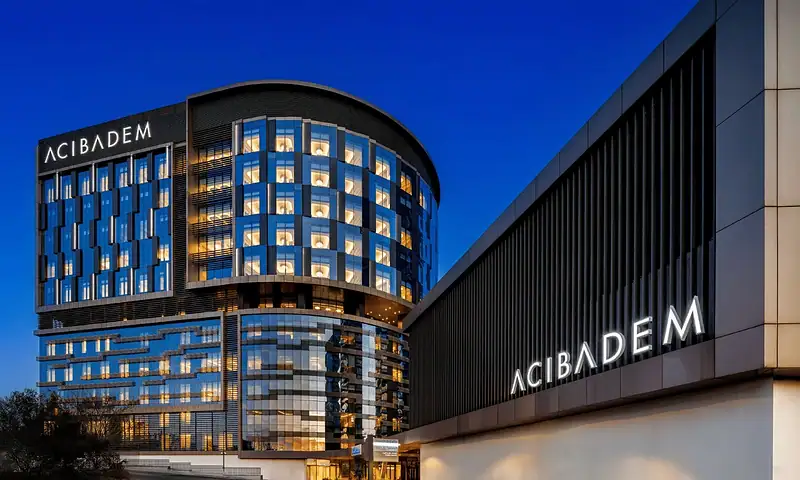
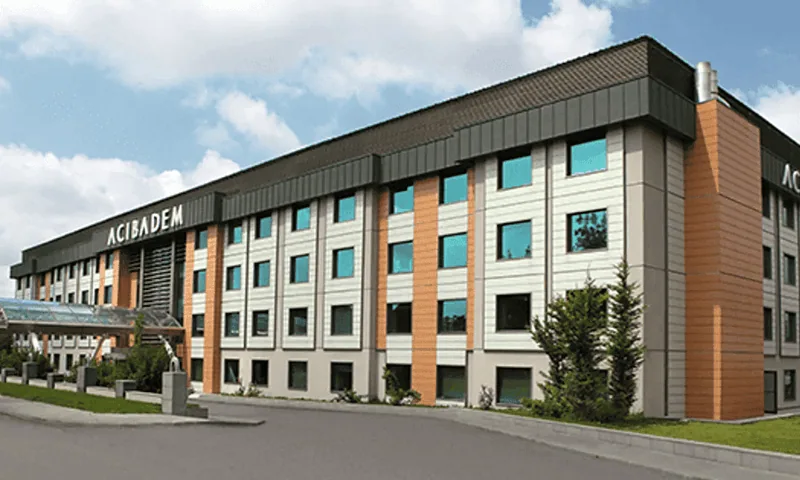
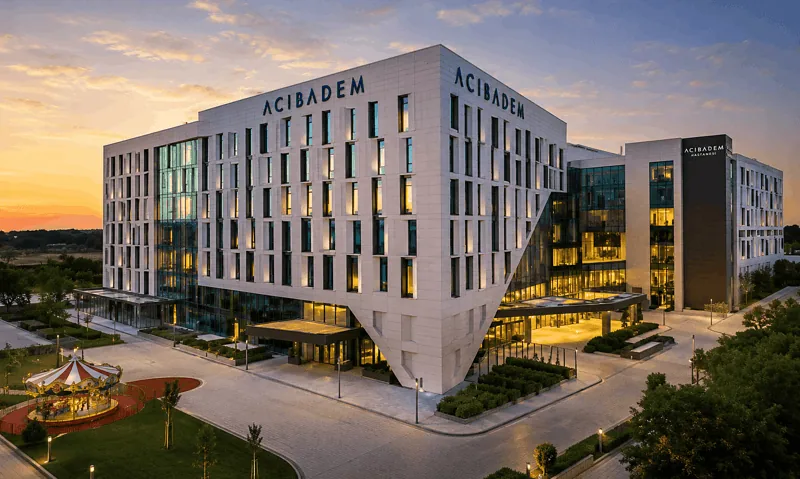
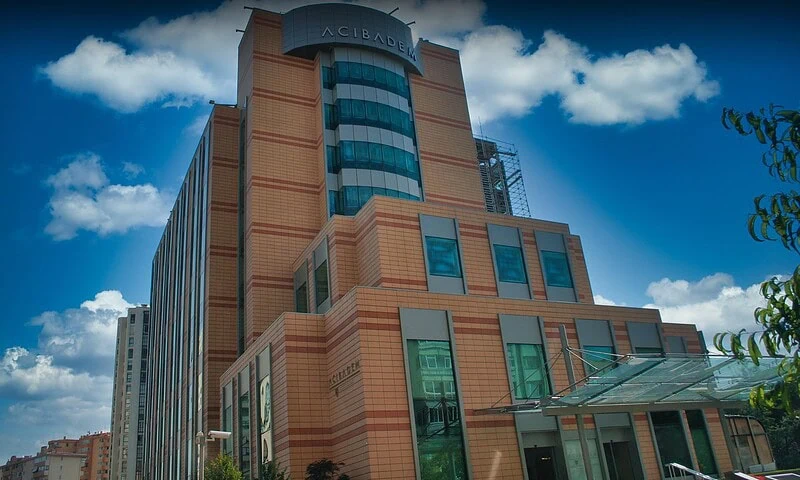
International patients considering CoolSculpting often want more than a device-based treatment. They want a medically responsible evaluation, clear communication and a care environment that understands the practical needs of traveling for healthcare. Acibadem Hospitals in Turkey care for patients from many countries and have developed international patient services to support this process before, during and after the visit.
Acibadem’s hospitals are JCI-accredited, reflecting a commitment to recognized standards in patient safety and quality systems. For a non-surgical aesthetic procedure, this matters because safety is not only about the treatment itself. It includes medical screening, infection prevention, documentation, informed consent, staff training, emergency readiness and follow-up processes. Patients traveling from abroad benefit from knowing that their care takes place within a structured hospital environment rather than an isolated aesthetic setting.
The consultation approach is personalized. Physicians and trained medical aesthetic teams evaluate body shape, fat distribution, skin quality and health history before recommending CoolSculpting. When a concern falls outside the scope of cryolipolysis, patients can be guided toward other specialties or treatment options. In a hospital group with broad medical expertise, collaboration is available when needed, including dermatology, plastic surgery, endocrinology, nutrition or other relevant fields. This multidisciplinary perspective helps ensure that a body contouring concern is not treated in isolation from the patient’s overall health.
Acibadem also uses modern diagnostic and treatment pathways to support planning. In body contouring, this may include standardized photography, careful measurement, treatment mapping and appropriate use of applicators designed for different anatomical areas. The technology is valuable because it delivers controlled cooling in a defined way, but the clinical judgment behind its use remains central. The aim is to treat the right patient, in the right area, with a plan that respects anatomy and safety.
For patients coming from the United States, Europe, the Middle East or other regions, communication is often as important as the procedure. Acibadem International provides coordination services in more than 20 languages, helping with appointment scheduling, medical record transfer, interpretation and practical planning. This support can make the experience more manageable for patients who are comparing options across countries and time zones.
Many international patients also appreciate that CoolSculpting can often be incorporated into a short medical travel schedule, provided they are appropriate candidates and do not require additional evaluation. Because there is typically minimal downtime, patients may be able to resume travel and daily activities quickly. Even so, responsible planning remains important. The team can advise how long to stay, what symptoms are expected after treatment and when follow-up can be performed in person or remotely.
Choosing where to have CoolSculpting should not be based only on convenience or cost. The quality of assessment, transparency about limitations, safety protocols and follow-up care are all part of the decision. At Acibadem, the goal is to provide a medically grounded body contouring experience in which patients understand what the treatment can do, what it cannot do and how it fits into their broader aesthetic and health goals.
Taking the Next Step
If you are considering CoolSculpting, the most useful next step is a professional evaluation. A consultation can determine whether your area of concern is suitable for cryolipolysis, how many treatment cycles may be appropriate and whether another option would better match your anatomy and expectations. This is especially important if you are traveling from another country and want to make informed decisions before arranging your visit.
You may wish to prepare by noting your weight history, previous aesthetic procedures, medical conditions, medications and the specific areas you want assessed. Photographs may be helpful for preliminary discussion, although an in-person evaluation is often needed before final treatment planning. The care team can also explain what to expect before, during and after treatment, including possible side effects and the timeline for visible change.
CoolSculpting can be a thoughtful option for localized fat reduction when it is chosen for the right reasons and performed with careful planning. For many patients, it offers a way to refine body contours without surgery and with limited disruption to daily life. The key is to approach it as a medical aesthetic procedure: individualized, evidence-aware and guided by clinicians who prioritize suitability and safety.
To learn more, you can request a consultation or a second opinion with Acibadem’s medical aesthetic team. They can review your goals, assess whether CoolSculpting is appropriate for you and help you understand the treatment pathway from initial planning to follow-up.
This information is general and is not a substitute for professional medical advice, diagnosis or treatment. A qualified healthcare professional should evaluate your individual condition and recommend the most appropriate care plan.
Preparation
- A consultation assesses your target areas, medical history, expectations, and suitability for cryolipolysis. Patients are usually advised to maintain a stable weight and avoid applying lotions or oils on treatment areas before the session. No fasting or anesthesia preparation is typically required.
Aftercare
- Most patients return to normal activities immediately after CoolSculpting. Temporary redness, swelling, bruising, tenderness, or numbness may occur in the treated area. Staying hydrated, light movement, and follow-up visits help monitor gradual fat reduction over the following weeks.
Turkey vs UK, Germany & USA
CoolSculpting is a non-surgical body contouring option for localized fat pockets rather than weight loss. Costs and experience can vary by country, provider setting, treatment plan, and what is included in the service package.
The comparison below highlights practical factors that may influence cost and patient experience when considering CoolSculpting abroad or at home.
| Factor | Turkey | UK | Germany | USA |
|---|---|---|---|---|
| Price drivers | Self-funded packages may be structured for international patients; cost depends on treatment areas, applicator use, and clinic setting. | Usually self-funded in private clinics; pricing may vary by city, provider profile, and body area. | Usually self-funded in dermatology, aesthetic, or private medical settings; pricing varies by clinic and treatment plan. | Usually self-funded; pricing may vary widely by location, clinic brand, and provider expertise. |
| Hospital and provider factors | International hospitals and aesthetic units may offer coordinated assessment, treatment planning, and follow-up guidance. | Often provided in private aesthetic clinics or medical aesthetic practices; experience depends on practitioner training and supervision. | Often provided in medical aesthetic or dermatology-led settings; emphasis may be placed on clinical evaluation and documentation. | Often available through medical spas, dermatology clinics, and plastic surgery practices; provider credentials can vary. |
| Accreditation and quality | Some hospital groups, including JCI-accredited providers, offer structured safety and patient-care processes. | Quality is influenced by clinic regulation, practitioner training, device authenticity, and aftercare standards. | Quality is influenced by medical governance, device standards, practitioner qualifications, and clinic protocols. | Quality is influenced by state rules, practitioner credentials, device use, and clinic oversight. |
| Typical waiting times | International patient teams may help coordinate consultations and appointments with relatively flexible scheduling. | Private appointments may be available, while cosmetic body contouring is generally not part of routine public care. | Private scheduling is common, with availability depending on the clinic and specialist. | Availability depends on region, clinic demand, and provider schedule. |
| Travel and language logistics | International patient services may support airport transfers, hotel coordination, interpreters, and appointment planning. | Usually simpler for local residents; international patients may need to arrange travel and accommodation independently. | International patients may need translation support depending on the clinic; travel planning is usually arranged separately. | Travel distances and accommodation needs can vary significantly; language support depends on the provider. |
| What a package may include | Consultation, body assessment, treatment plan, CoolSculpting session, guidance for aftercare, and coordination support may be bundled. | Often includes consultation and treatment, while follow-up and additional sessions may be billed or arranged separately. | Often includes consultation, treatment planning, and treatment visit, with follow-up varying by provider. | Package details vary; consultation, treatment, follow-up, and add-on services may be separated. |
What affects your final cost
- Treatment area and the amount of localized fat being addressed.
- Applicator selection and the extent of the treatment plan.
- Whether more than one visit is recommended for the desired contour.
- Provider experience, medical supervision, and clinic or hospital setting.
- Use of an original CoolSculpting device and approved protocols.
- Included services such as consultation, follow-up, interpreter support, transfers, or accommodation coordination.
Compare your options
Several body-contouring options may be discussed depending on the patient’s anatomy, goals, skin quality, and medical history. Suitability is decided by a specialist after an individual assessment.
| Option | What it is | Typical use | Key considerations |
|---|---|---|---|
| CoolSculpting | A non-surgical treatment that uses controlled cooling to target localized fat cells. | Stubborn fat pockets in areas such as the abdomen, flanks, thighs, upper arms, or under the chin. | Not a weight-loss treatment; results develop gradually, and temporary redness, numbness, swelling, or sensitivity may occur. |
| Other non-surgical fat reduction | Energy-based or injectable approaches that aim to reduce localized fat without surgery. | Patients seeking minimal downtime and modest contour improvement. | Technology, mechanism, comfort, recovery, and evidence base differ; specialist assessment is important. |
| Liposuction | A surgical procedure that removes fat through small incisions using suction-assisted techniques. | Larger or more defined contouring needs where surgery is appropriate. | Requires anaesthesia planning and recovery time; surgical risks, skin quality, and expectations must be reviewed. |
| Skin tightening treatments | Non-surgical or surgical methods intended to improve laxity rather than remove fat. | Patients whose main concern is loose skin or reduced firmness. | May be combined with fat reduction in selected cases; the right approach depends on skin elasticity and goals. |
| Lifestyle and weight management | Nutrition, activity, and medical weight-management support where appropriate. | Patients whose goal is overall weight reduction or health improvement. | CoolSculpting is not a substitute for weight loss; stable weight helps maintain contouring results. |
Trusted care for international patients
General information only — not medical or financial advice. Final costs depend on the factors above and your individual case; request a free, personalised quote.
Doctors Performing This Treatment

Prof. Dr. Bülent Saçak
Aesthetic Plastic & Reconstructive Surgery
Prof. Dr. Ersin Ülkür
Aesthetic Plastic & Reconstructive Surgery
Prof. Dr. Hakan Ağır
Aesthetic Plastic & Reconstructive Surgery
Prof. Dr. Mehmet Veli Karaaltın
Aesthetic Plastic & Reconstructive Surgery
Prof. Dr. Çiğdem Ünal Gülmeden
Aesthetic Plastic & Reconstructive Surgery
Prof. Dr. Şükrü Yazar
Aesthetic Plastic & Reconstructive Surgery
Assoc. Prof. Dr. Ahmet Küçükçelebi
Aesthetic Plastic & Reconstructive Surgery
Assoc. Prof. Dr. Erdem Güven (m)
Aesthetic Plastic & Reconstructive Surgery
Assoc. Prof. Dr. Mehmet Altiparmak
Aesthetic Plastic & Reconstructive Surgery
Assoc. Prof. Dr. Mehmet Sağır
Aesthetic Plastic & Reconstructive Surgery
Asst. Prof. Dr. Berkhan Yilmaz
Aesthetic Plastic & Reconstructive Surgery
Dr. Abdullah Etöz
Aesthetic Plastic & Reconstructive Surgery
Dr. Ayşe İrem İskenderoğlu
Aesthetic Plastic & Reconstructive Surgery
Dr. Burak Sercan Erçin
Aesthetic Plastic & Reconstructive Surgery
Dr. Cem Öz
Aesthetic Plastic & Reconstructive Surgery
Dr. Mahmut Özyilmaz
Aesthetic Plastic & Reconstructive Surgery
Dr. Mehmet Severcan
Aesthetic Plastic & Reconstructive Surgery
Dr. Mithat Ulay
Aesthetic Plastic & Reconstructive Surgery
Dr. Mustafa Mert Okumuş (m)
Aesthetic Plastic & Reconstructive Surgery
Dr. Mutluhan Temizsoy
Aesthetic Plastic & Reconstructive Surgery
Dr. Münür Selçuk Kendir
Aesthetic Plastic & Reconstructive Surgery
Dr. Nargiz Ibrahimli
Aesthetic Plastic & Reconstructive Surgery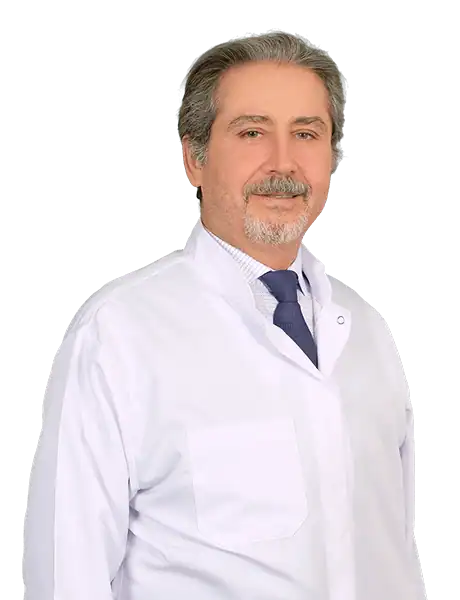
Dr. Nezail Demircler
Aesthetic Plastic & Reconstructive Surgery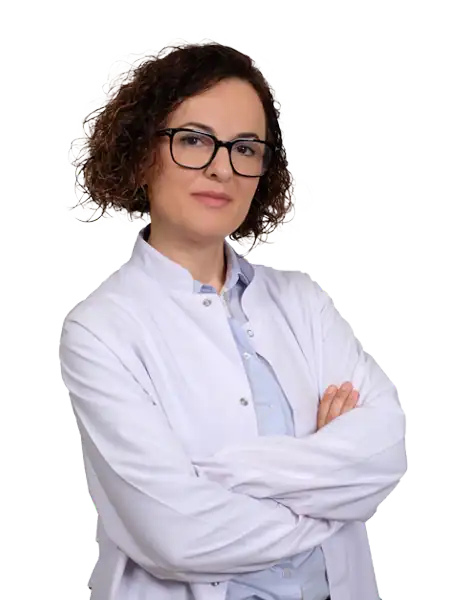
Dr. Nihal Üstün
Aesthetic Plastic & Reconstructive SurgeryMedical Units
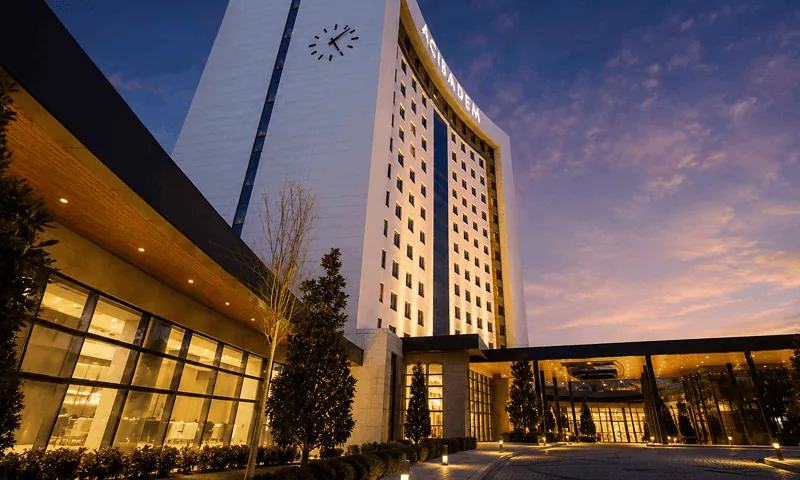
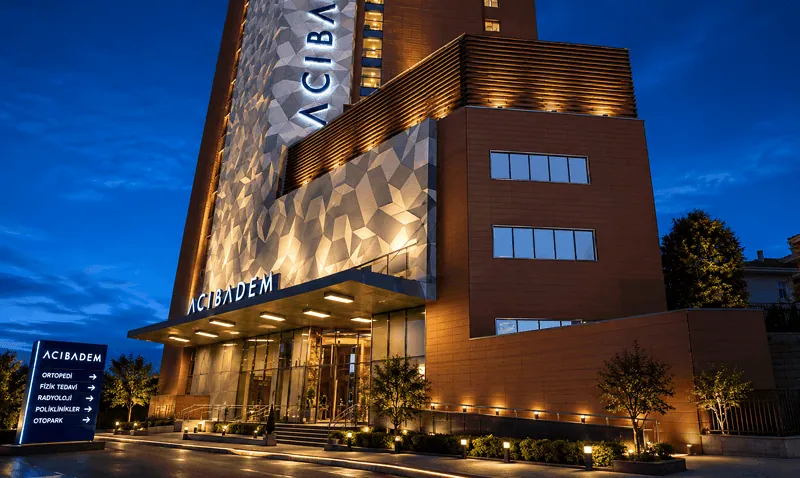
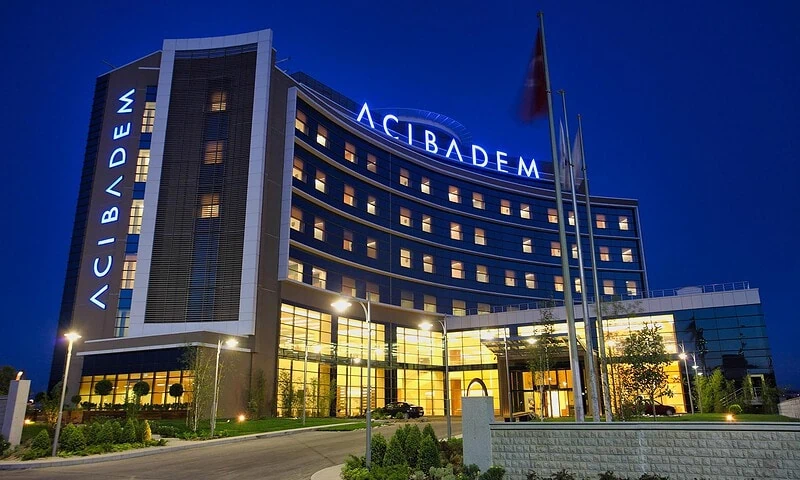
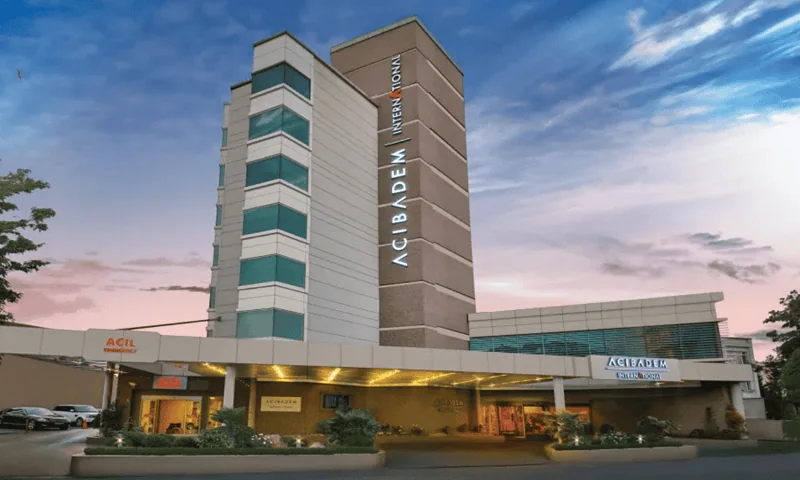
Available at These Hospitals

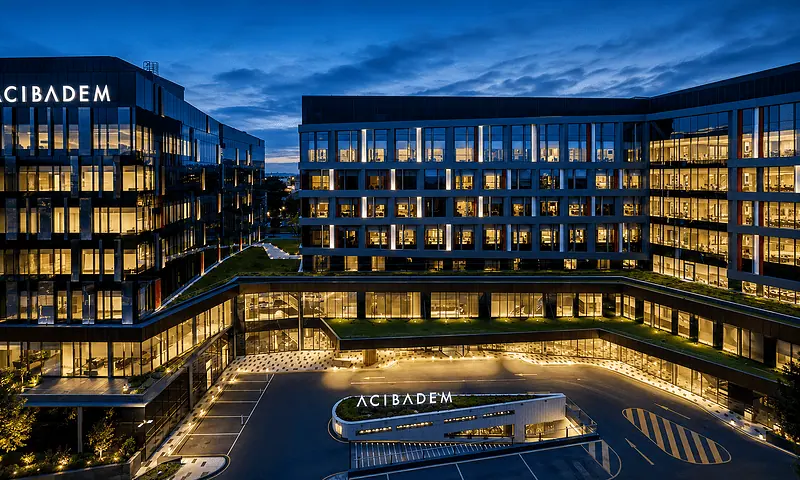
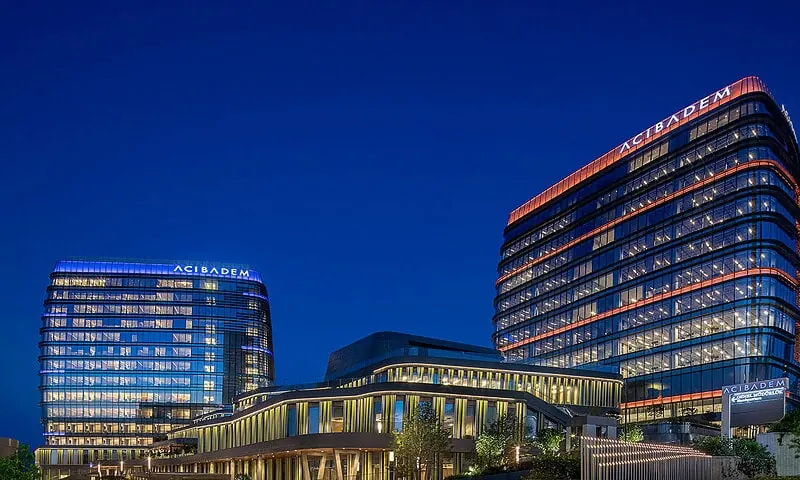

Frequently Asked Questions
What affects the cost of CoolSculpting?
The main factors are the treatment area, the extent of fat reduction desired, applicator planning, whether additional visits are recommended, provider experience, clinic setting, and what is included in the care package.
How can I get a personalised quote?
A personalised quote usually requires photos or an in-person assessment, a review of your goals, and confirmation that CoolSculpting is suitable for you. You can request a free consultation to receive a treatment plan and package details.
Is CoolSculpting priced like a weight-loss treatment?
No. CoolSculpting is designed for localized fat reduction and body contouring, not overall weight loss. The quote is based on the areas treated and the treatment plan rather than body weight alone.
What is typically included in an international patient package in Turkey?
Depending on the provider, a package may include consultation, body assessment, treatment planning, the CoolSculpting session, aftercare guidance, interpreter support, and help with travel logistics. Inclusions should always be confirmed before booking.
Will I need more than one CoolSculpting visit?
Some patients may benefit from additional visits depending on their anatomy and goals, while others may have a more limited plan. A specialist decides this after assessing the treatment area and expected outcome.
Does a lower package cost mean lower quality?
Not necessarily, but patients should compare more than price. Important factors include provider qualifications, medical supervision, use of an authentic device, clinic safety standards, follow-up arrangements, and clear communication about what is included.