

Ethnic Rhinoplasty
Ethnic rhinoplasty reshapes the nose while respecting facial proportions and cultural identity. It may refine the bridge, tip, nostrils, or airway function with a personalized surgical plan.

Quick answer
Ethnic rhinoplasty is nose reshaping surgery designed to refine the bridge, tip, nostrils, or breathing function while preserving facial balance and ethnic features. At Acibadem in Turkey, it is planned individually after detailed assessment and performed with techniques tailored to the patient’s anatomy, goals, and cultural identity.
Considering Ethnic Rhinoplasty With Confidence and Clarity
Choosing rhinoplasty is often a deeply personal decision. For many patients, the goal is not to erase ethnic features or create a standard “ideal” nose. It is to refine the nose in a way that feels natural, balanced and authentic to the face. Ethnic rhinoplasty focuses on this distinction. It addresses shape, proportion and function while respecting the facial characteristics, heritage and identity that make each patient unique.
International patients frequently come to this decision after years of feeling that their nose does not match the rest of their face, or after noticing breathing problems that affect sleep, exercise or daily comfort. Some are concerned about a low or high bridge, a wide nasal base, a drooping or under-projected tip, asymmetry, nostril shape, a visible hump, or the results of a previous nose surgery. Others worry that surgery may make them look “different” rather than simply more harmonious.
These concerns are important and legitimate. Ethnic rhinoplasty requires a more individualized approach than simply reducing or reshaping the nose. The surgeon must understand skin thickness, cartilage strength, nasal bone structure, facial proportions and cultural aesthetic preferences. The aim is to create a nose that fits the patient’s face from the front, profile and three-quarter view, while also preserving or improving nasal breathing whenever possible.
At Acibadem, patients are assessed through a careful medical and aesthetic evaluation. The process considers not only the visible nose but also the airway, skin quality, facial balance, surgical history, expectations and recovery needs. For patients traveling from abroad, this level of planning is especially important. A well-designed surgical plan helps reduce uncertainty, supports safer decision-making and allows the patient to understand what can realistically be achieved.
What Is Ethnic Rhinoplasty?
Ethnic rhinoplasty is a specialized form of nose reshaping surgery that takes into account the patient’s ethnic background, facial anatomy and personal goals. It may involve modifying the nasal bridge, tip, nostrils, nasal width, profile, or internal structures that affect breathing. Unlike a one-size-fits-all rhinoplasty, ethnic rhinoplasty is based on preserving the features that belong naturally to the patient’s face while improving proportions and function.
The term “ethnic rhinoplasty” can apply to patients of many backgrounds, including Middle Eastern, African, Asian, Hispanic, Mediterranean, South Asian and mixed-heritage patients. Each group can present with different nasal characteristics, but there is also significant variation from person to person. For this reason, the consultation is not based on assumptions. It is based on anatomy, facial measurements, physical examination, medical history and the patient’s own preferences.
Some patients may want to increase the height of a low nasal bridge. Others may wish to reduce a prominent bridge, refine a broad or rounded nasal tip, narrow the nostrils, correct asymmetry, improve projection, or support weak cartilage. In many cases, the procedure combines aesthetic refinement with functional correction, such as septoplasty for a deviated septum or turbinate reduction when enlarged internal nasal structures contribute to obstruction.
Ethnic rhinoplasty may be performed using an open or closed surgical approach. In an open rhinoplasty, a small incision is made across the tissue between the nostrils, allowing the surgeon to lift the skin and view the nasal framework directly. This is often useful when complex reshaping, grafting or revision work is needed. In a closed rhinoplasty, incisions are placed inside the nostrils, which may be appropriate for selected patients requiring more limited modifications. The best approach depends on the anatomy and surgical goals.
Because many ethnic rhinoplasty patients have thicker skin, softer cartilage, or a nasal structure that requires support rather than reduction alone, cartilage grafting may be part of the plan. Cartilage may be taken from the septum, ear or, in selected cases, rib. These grafts can help define the tip, strengthen the bridge, improve projection and support long-term shape. The procedure is therefore both artistic and reconstructive, requiring detailed planning and careful technique.
Who May Need Ethnic Rhinoplasty?
Patients may consider ethnic rhinoplasty for aesthetic reasons, functional reasons, or both. Aesthetic concerns often relate to how the nose fits the rest of the face. Functional concerns usually involve airflow through the nasal passages. Many patients have lived with nasal obstruction for years and only discover during evaluation that internal structural issues can be addressed at the same time as cosmetic refinement.
Common reasons for seeking ethnic rhinoplasty include dissatisfaction with the nasal bridge, a wide or flat appearance, a bulbous or poorly defined tip, nostrils that appear wide or flared, a drooping tip, a hump on the bridge, asymmetry after injury, or lack of harmony between the nose, chin, forehead and cheeks. Some patients also seek revision surgery after a previous rhinoplasty produced results that feel unnatural, unstable or culturally mismatched.
Breathing-related symptoms may include difficulty breathing through one or both sides of the nose, mouth breathing, snoring, reduced exercise tolerance, nasal congestion that does not fully improve with medication, or a sensation of blockage when lying down. Not all breathing symptoms are caused by structural problems, so careful diagnosis is essential.
Diagnosis begins with a detailed consultation. The surgeon evaluates the external nose, facial proportions, skin thickness, cartilage strength and nasal symmetry. Internal examination may assess the septum, turbinates, nasal valves and mucosal lining. When needed, endoscopic nasal evaluation or imaging may be used to better understand the airway, previous trauma, sinus disease or complex revision anatomy.
A good candidate is generally in stable physical health, has completed facial growth, does not smoke or is willing to stop before and after surgery, and has realistic expectations. Patients with certain medical conditions, bleeding disorders, active infections, uncontrolled chronic disease, or unrealistic goals may need additional evaluation before surgery is considered. The consultation is also an opportunity to discuss emotional readiness, because rhinoplasty changes a central facial feature and requires patience during healing.
For international patients, remote pre-assessment can often help determine whether travel for consultation and treatment is appropriate. Photographs, medical history, prior operative reports and imaging, if available, may be reviewed before an in-person examination. Final surgical decisions are made after direct evaluation, because skin quality, airway anatomy and tissue behavior cannot be fully assessed from images alone.
Conditions and Concerns Ethnic Rhinoplasty Can Address
Ethnic rhinoplasty can address a wide range of aesthetic and functional concerns. The exact plan is tailored to the individual, and not every feature needs to be changed. In fact, one of the most important parts of ethnic rhinoplasty is deciding what should be preserved.
- Low or under-projected nasal bridge: Some patients benefit from bridge augmentation using cartilage or other medically appropriate materials to create better profile balance.
- High bridge or dorsal hump: A prominent bridge may be refined to create a smoother profile while maintaining ethnic facial harmony.
- Broad nasal width: The bony upper nose or the lower nostril base may be narrowed carefully when width is disproportionate to the face.
- Bulbous or rounded tip: Tip cartilage can be reshaped, supported or refined to improve definition without creating an overly pinched appearance.
- Drooping tip: Tip rotation and support may help the nose appear more balanced, especially when the tip descends during smiling.
- Wide or flared nostrils: Alar base modification can reduce nostril width or flare while preserving natural nostril shape.
- Facial imbalance: The nose may be adjusted in relation to the chin, cheeks, forehead and lips to improve overall proportion.
- Breathing obstruction: Septal deviation, turbinate enlargement, nasal valve collapse or other internal issues may be corrected during functional rhinoplasty.
- Post-traumatic deformity: Injury-related asymmetry, crookedness or airway compromise can often be improved with structural correction.
- Revision rhinoplasty concerns: Patients dissatisfied with a prior operation may need reconstruction, support grafting, scar tissue management or airway repair.
In some cases, rhinoplasty is combined with other procedures, such as chin augmentation or facial contouring, when the main issue is overall facial proportion rather than the nose alone. This is discussed carefully and only when medically and aesthetically appropriate.
How Ethnic Rhinoplasty Is Performed
Preparation and Planning
The process begins with a detailed consultation that includes medical history, nasal examination, facial analysis and a discussion of goals. Patients are encouraged to describe what bothers them, what they want to preserve and what kind of result would feel natural to them. Photographs are typically taken from multiple angles to support planning and communication. Digital planning tools may be used to discuss possible changes, although image simulations are educational guides rather than exact predictions.
Before surgery, the medical team reviews medications, supplements, allergies, prior surgeries, breathing symptoms and any history of nasal trauma. Patients may be asked to stop smoking and avoid certain medications or supplements that can increase bleeding risk. If functional nasal concerns are present, additional assessment may be recommended. For patients traveling internationally, coordination includes scheduling, preoperative instructions, expected length of stay and post-discharge communication.
Laboratory tests, anesthesia assessment and other preoperative evaluations are arranged according to the patient’s health status and the planned procedure. If the surgery is a revision case, prior surgical records and previous imaging can be helpful. Revision rhinoplasty often requires more complex planning because scar tissue, altered anatomy and limited septal cartilage can affect the surgical options.
The Surgical Procedure
Ethnic rhinoplasty is usually performed under general anesthesia. The operation may take several hours, depending on complexity, whether functional correction is included, and whether cartilage grafting or revision work is needed. The surgeon may use an open or closed approach based on the planned changes.
During surgery, the nasal framework is carefully exposed and reshaped. If the bridge needs refinement, bone and cartilage may be modified in a controlled manner. If the bridge requires support or augmentation, grafts may be placed to create structure and proportion. Tip refinement may involve reshaping the lower lateral cartilages, placing sutures for definition, adding support grafts, or adjusting projection and rotation.
When nostril width or flare is a concern, alar base modification may be performed with small incisions placed in natural creases around the nostrils. This step requires precision because excessive narrowing can create an unnatural appearance or affect airflow. The goal is proportionate refinement rather than overcorrection.
If breathing correction is part of the plan, the surgeon may straighten the septum, reduce enlarged turbinates, repair nasal valve weakness or improve internal support. Functional work is not secondary; it is central to a successful outcome when airway symptoms are present. A nose that looks refined but breathes poorly is not a good result.
Modern rhinoplasty uses fine surgical instruments, magnification when appropriate, high-quality imaging for selected diagnostic questions and careful anesthesia monitoring. In some patients, powered or ultrasonic bone-shaping tools may be used to refine the nasal bones with controlled precision. Endoscopic visualization may help evaluate internal nasal structures. The specific technology matters less than how it is applied to the patient’s anatomy and treatment goals.
Immediately After Surgery
After the procedure, patients are monitored as they wake from anesthesia. A splint is usually placed on the outside of the nose to protect the new shape during early healing. Internal splints or soft packing may be used in selected cases, especially when septal work is performed. Swelling, bruising around the eyes, nasal congestion and a feeling of pressure are common during the first days.
Most patients are able to return to their hotel or recovery accommodation after appropriate observation, although some may stay overnight depending on the extent of surgery and the medical plan. Pain is usually manageable with prescribed medication. Patients are instructed to keep the head elevated, avoid pressure on the nose, use cold compresses as directed and follow specific cleaning or saline spray instructions.
Recovery and Follow-Up
Early follow-up is important. The surgical team checks healing, removes or adjusts splints when appropriate and reviews care instructions. Many patients feel comfortable being seen in public after the first one to two weeks, although residual swelling may remain. Bruising varies by patient and technique. Thick skin may hold swelling longer, especially in the nasal tip, so final definition can take many months to develop.
Patients generally avoid strenuous exercise, heavy lifting, swimming, saunas and contact sports during the early healing period. Glasses may need to be managed carefully to avoid pressure on the nasal bridge. Long-haul travel is planned in coordination with the surgeon, taking into account swelling, follow-up visits and the patient’s overall health.
Rhinoplasty healing is gradual. The bridge often settles earlier, while the tip may take longer, particularly in ethnic rhinoplasty patients with thicker skin or extensive tip work. It is normal for swelling to fluctuate, especially in the morning or after travel, heat, alcohol intake or high-sodium meals. A mature result is assessed over time, not in the first few weeks.
Why Acting Early Matters and the Risks of Delay
Ethnic rhinoplasty is usually an elective procedure, so timing should be thoughtful rather than rushed. However, delaying evaluation can prolong physical discomfort and emotional distress, especially when nasal obstruction affects sleep, exercise or daily function. Patients who have trouble breathing through the nose may develop compensatory mouth breathing, dry mouth, reduced sleep quality or persistent congestion. If structural issues are present, medication may provide only partial relief.
For patients with previous nasal trauma, early assessment can be useful because untreated structural changes may become more difficult to correct over time. Crooked nasal bones, septal deviation and scar tissue can contribute to both appearance and airflow problems. While many issues remain treatable later, complex deformity or revision surgery may require more extensive reconstruction.
In aesthetic cases, the risk of delay is often less medical and more personal. Patients may continue to avoid photographs, feel self-conscious in professional or social settings, or spend years considering surgery without receiving an expert opinion about what is realistic. A consultation does not obligate a patient to proceed. It can clarify options, limitations, risks and timing.
Acting early also allows time to prepare properly. Patients who smoke need time to stop. Those taking certain medications may require adjustments. International patients benefit from planning travel, recovery accommodation and follow-up in a way that supports safe healing. Good timing is not simply the earliest date available; it is the moment when medical readiness, expectations and logistics align.
Benefits of Ethnic Rhinoplasty
The potential benefits of ethnic rhinoplasty depend on the patient’s anatomy, goals and healing response, but they commonly include the following.
| Benefit | What It Means for You |
|---|---|
| Improved facial balance | The nose can be refined to better match the forehead, cheeks, lips and chin, creating a more proportionate overall appearance. |
| Preservation of identity | The surgical plan can respect ethnic features and personal preferences rather than applying a standardized nasal shape. |
| Refined bridge, tip or nostrils | Specific concerns such as a hump, low bridge, rounded tip, wide nostrils or asymmetry can be addressed with targeted techniques. |
| Better nasal support | Cartilage grafting and structural techniques can help maintain shape, projection and airway stability over time. |
| Improved breathing when functional issues are present | Correction of septal deviation, turbinate enlargement or valve weakness may help airflow and daily comfort. |
| More personalized surgical planning | The procedure is designed around your anatomy, skin thickness, facial proportions, health profile and aesthetic goals. |
Recovery Timeline After Ethnic Rhinoplasty
Recovery varies from patient to patient, but the following timeline gives a general sense of what many patients can expect.
| Time Period | What Patients Can Expect |
|---|---|
| Day 1 | Swelling, congestion and mild to moderate discomfort are common. The nose is protected with a splint, and patients rest with the head elevated. |
| First Week | Bruising and swelling usually peak and then begin to improve. Follow-up visits may include splint checks or removal, depending on the surgical plan. |
| First Month | Many patients return to desk work and light social activity. Exercise is reintroduced gradually only with medical approval. The nose still appears swollen, especially at the tip. |
| Three to Six Months | Swelling continues to reduce, and nasal shape becomes more defined. Breathing may improve as internal swelling settles, although healing remains ongoing. |
| Longer Term | Final refinement, particularly in thick skin or revision cases, may take a year or longer. The surgical team assesses the mature result over time. |
What Influences a Good Result?
A good ethnic rhinoplasty result is not defined by a single nasal shape. It is defined by balance, function, stability and authenticity. Several factors influence the outcome, beginning with the patient’s anatomy. Skin thickness is especially important. Thick skin can soften tip definition and prolong swelling, while very thin skin may reveal small irregularities more easily. The surgeon must adapt technique to these characteristics.
Cartilage strength also matters. Some patients have softer or weaker cartilage that needs structural support to maintain projection and shape. Others may require reduction or reshaping of stronger cartilage and bone. The nasal septum, valves and turbinates influence breathing outcomes, so functional assessment is essential before surgery.
Facial proportions guide aesthetic decisions. A nose that looks attractive on one face may not suit another. The height of the bridge, width of the nasal base, angle between the nose and upper lip, chin projection and cheek structure all influence the plan. Ethnic rhinoplasty requires restraint as much as change. Over-narrowing the nostrils, over-rotating the tip or removing too much structure can create an appearance that feels unnatural and may compromise breathing.
Surgeon experience in both aesthetic and functional nasal surgery is another major factor. Ethnic rhinoplasty often involves grafting, support techniques and individualized contouring rather than simple reduction. Revision cases require an even higher level of planning because scar tissue and previous structural changes can limit options.
Patient preparation and aftercare are equally important. Smoking, poor nutrition, uncontrolled medical conditions and failure to follow postoperative instructions can affect healing. Patients should avoid trauma to the nose, attend follow-up appointments and allow adequate time before judging the final result. Rhinoplasty is one of the slowest facial procedures to fully settle, and patience is part of the process.
Expectations must also be realistic. Surgery can improve shape, balance and function, but it cannot create mathematical perfection or make the nose identical to a photograph. The most successful consultations are collaborative. The patient explains preferences clearly, and the surgeon explains what is anatomically possible, what may be risky and what changes are likely to look natural.
Why International Patients Choose Acibadem for Ethnic Rhinoplasty
For patients traveling from the United States or other countries, choosing where to have rhinoplasty involves more than selecting a surgeon. It involves trust in the hospital environment, anesthesia safety, diagnostic capability, postoperative care and communication throughout the journey. Acibadem Hospitals in Turkey provide care within JCI-accredited hospital settings, supported by established clinical standards and international patient coordination.
Ethnic rhinoplasty at Acibadem is approached as a personalized medical and aesthetic procedure. Patients are evaluated by experienced physicians who consider nasal appearance, airway function, facial proportions, skin quality and the patient’s cultural and personal preferences. When breathing concerns, sinus problems, prior trauma or revision surgery are involved, care may include collaboration between plastic surgery, otolaryngology, anesthesia and other relevant specialties. This multidisciplinary approach helps ensure that aesthetic goals are considered alongside nasal function and patient safety.
Modern diagnostic pathways may include nasal endoscopy, imaging when medically indicated, standardized photography, airway assessment and careful review of previous surgical history. Advanced surgical technology supports precise planning and execution, but the emphasis remains on sound judgment and individualized technique. The tools are used to help the surgeon see clearly, shape accurately, protect tissues and manage complex anatomy with care.
International patients are supported by dedicated services designed for people receiving care away from home. Acibadem International assists with communication in more than 20 languages, appointment coordination, medical record transfer, hospital admission processes and follow-up planning. This is particularly valuable for rhinoplasty patients, who need clear instructions before and after surgery and may have questions as swelling changes during recovery.
Turkey has become a major destination for medical travel, including aesthetic surgery, but patients should still evaluate care carefully. The quality of rhinoplasty depends on medical assessment, surgical expertise, anesthesia standards, hospital infrastructure and responsible follow-up. Acibadem’s hospital-based model allows patients to receive aesthetic treatment within a broader healthcare environment, with access to medical support if needed.
Patients often appreciate that the consultation process is designed to be informative rather than rushed. The surgeon discusses what can be improved, what should be preserved and what limitations may exist. In ethnic rhinoplasty, this conversation is essential. The goal is not to impose a particular aesthetic, but to help the patient make an informed decision about a nose that feels balanced, functional and personally appropriate.
Taking the Next Step
Ethnic rhinoplasty can be a meaningful option for patients who want nasal refinement without losing the character of their face. It can also help patients who struggle with breathing problems caused by structural nasal issues. The best results begin with a careful evaluation, a realistic plan and a surgeon who understands both the aesthetic and functional dimensions of the nose.
If you are considering ethnic rhinoplasty, you may begin by requesting a consultation or a second opinion. Sharing clear photographs, your medical history, any prior surgical records and a description of your goals can help the medical team provide an initial assessment. Final recommendations are made after in-person examination and a full review of your health and anatomy.
For international patients, Acibadem can help coordinate the steps involved in traveling for care, from appointment planning to language support and follow-up guidance. The decision to undergo rhinoplasty should be made with time, clarity and confidence in the medical plan.
This information is general and is not a substitute for professional medical advice, diagnosis or treatment. A qualified physician can evaluate your individual situation and recommend the most appropriate options for you.
Preparation
- A detailed consultation evaluates facial anatomy, nasal breathing, skin thickness, and aesthetic goals. Preoperative photographs and, when needed, functional nasal assessment help plan the surgery. Patients may be asked to stop smoking and avoid blood-thinning medicines or supplements before surgery.
Aftercare
- A nasal splint is usually worn for about one week, and swelling or bruising gradually improves over the first few weeks. Patients should avoid strenuous activity, nose trauma, and wearing heavy glasses until cleared by the surgeon. Final nasal refinement may continue for several months as swelling resolves.
Turkey vs UK, Germany & USA
Ethnic rhinoplasty cost and experience can vary widely because the operation is tailored to nasal anatomy, facial balance, cultural identity, and breathing needs. Comparing destinations can help patients understand how hospital standards, surgeon expertise, travel support, and package inclusions affect planning.
The comparison below highlights practical factors that may influence the overall cost and patient experience for ethnic rhinoplasty in different healthcare settings.
| Factor | Turkey | UK | Germany | USA |
|---|---|---|---|---|
| Care pathway | Commonly offered through private international patient programs with coordinated appointments | Cosmetic rhinoplasty is usually private; public pathways are generally limited to medical need | Usually private for cosmetic aims, with structured specialist consultations | Predominantly private, with wide variation between clinics and hospitals |
| Main price drivers | Surgeon experience, hospital category, anesthesia, graft needs, revision complexity, and package inclusions | Surgeon reputation, clinic location, facility fees, anesthesia, and aftercare arrangements | Specialist expertise, hospital setting, preoperative testing, anesthesia, and postoperative visits | Surgeon fees, facility charges, anesthesia, imaging, aftercare, and regional cost differences |
| Hospital and quality factors | JCI-accredited hospital options and multilingual international patient services may be available | Regulated private hospitals and clinics, with quality depending on provider and facility | Strong hospital regulation and specialist-led care, with standards varying by institution | Accredited facilities are available, but quality and included services vary by provider |
| Waiting times | Private scheduling is often flexible for international patients, depending on surgeon availability | Private access may be faster than public routes, but leading surgeons may have waiting lists | Private scheduling is generally planned around specialist availability and diagnostic needs | Private scheduling can be flexible, with timing influenced by surgeon demand and location |
| Travel and language logistics | Packages may include airport transfers, hotel coordination, interpreters, and dedicated patient coordination | Less travel support is usually needed for local patients; international support varies by provider | International patient services may be available in larger centers, with language support varying | International coordination may be available at major centers, but travel and accommodation are often arranged separately |
| Typical package inclusions | Consultation, hospital stay, anesthesia, surgery, routine tests, translator support, and follow-up may be bundled | Quotes often separate surgeon, hospital, anesthesia, consultation, and follow-up elements | Quotes may separate hospital, anesthesia, diagnostics, and medical follow-up | Itemized billing is common, and inclusions can differ substantially between providers |
What affects your final cost
- Whether the procedure is cosmetic, functional, or combined
- Need for cartilage grafting, bridge augmentation, tip refinement, nostril reshaping, or septal correction
- Primary versus revision surgery and the degree of scar tissue or structural support required
- Surgeon experience with diverse nasal anatomy and ethnic rhinoplasty planning
- Hospital accreditation, operating room standards, anesthesia team, and length of monitored care
- Preoperative tests, imaging, medications, garments or splints, and follow-up schedule
- Travel, accommodation, interpreter support, and companion arrangements
Compare your options
Ethnic rhinoplasty is not a single technique; the surgical plan is selected according to nasal structure, skin thickness, facial proportions, breathing function, and patient goals. Suitability for any option is decided by a specialist after examination.
| Option | What it is | Typical use | Key considerations |
|---|---|---|---|
| Open rhinoplasty | Uses an external access point to allow detailed reshaping of cartilage, bone, and support structures | Complex tip work, structural grafting, revision cases, or major shape refinement | Offers broad surgical visibility; may involve more visible early swelling and a small external scar that usually fades |
| Closed rhinoplasty | Reshaping is performed through internal nasal incisions | Selected bridge or tip refinements when anatomy and goals are suitable | No external incision; surgical access is more limited and not suitable for every case |
| Bridge augmentation | Builds or refines nasal bridge height using cartilage or selected implant materials | Low bridge, flat profile, or need for stronger dorsal definition | Material choice, skin thickness, long-term support, and infection risk must be discussed carefully |
| Tip refinement and support | Reshapes and supports the nasal tip using sutures, cartilage adjustment, or grafts | Rounded, under-projected, drooping, or poorly supported nasal tips | Thicker skin may limit visible definition; maintaining natural ethnic features is central to planning |
| Alar base or nostril reshaping | Adjusts nostril width, flare, or base shape with carefully placed incisions | Wide nostril base, asymmetry, or flaring that affects nasal balance | Requires conservative planning to avoid over-narrowing, visible scarring, or breathing concerns |
| Functional septorhinoplasty | Combines aesthetic reshaping with correction of septum, valve, or airway problems | Patients with nasal obstruction, trauma-related changes, or combined cosmetic and breathing goals | Functional assessment is essential; treatment may include septal work, valve support, or turbinate management |
| Revision ethnic rhinoplasty | Corrects or improves results from previous nasal surgery | Persistent asymmetry, breathing issues, loss of support, over-resection, or unmet aesthetic goals | Often more complex due to scar tissue and limited cartilage; specialist expertise is especially important |
Trusted care for international patients
General information only — not medical or financial advice. Final costs depend on the factors above and your individual case; request a free, personalised quote.
Doctors Performing This Treatment

Prof. Dr. Bülent Saçak
Aesthetic Plastic & Reconstructive Surgery
Prof. Dr. Ersin Ülkür
Aesthetic Plastic & Reconstructive Surgery
Prof. Dr. Hakan Ağır
Aesthetic Plastic & Reconstructive Surgery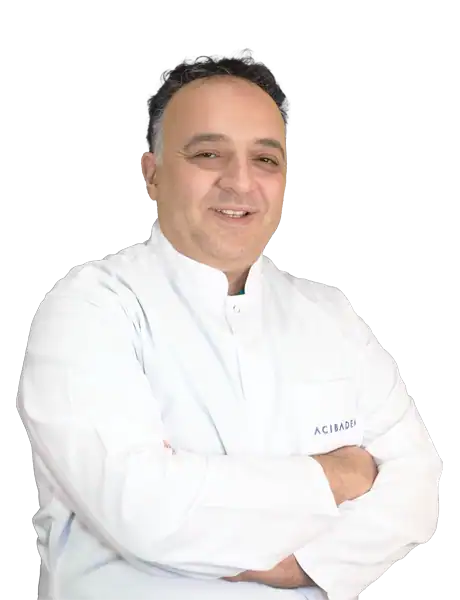
Prof. Dr. Mehmet Veli Karaaltın
Aesthetic Plastic & Reconstructive Surgery
Prof. Dr. Çiğdem Ünal Gülmeden
Aesthetic Plastic & Reconstructive Surgery
Prof. Dr. Şükrü Yazar
Aesthetic Plastic & Reconstructive Surgery
Assoc. Prof. Dr. Ahmet Küçükçelebi
Aesthetic Plastic & Reconstructive Surgery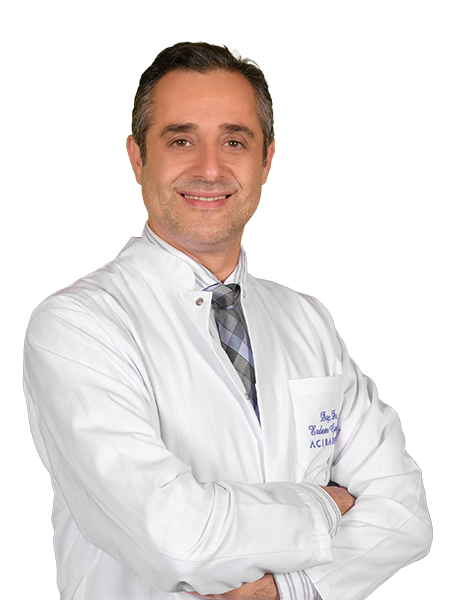
Assoc. Prof. Dr. Erdem Güven (m)
Aesthetic Plastic & Reconstructive Surgery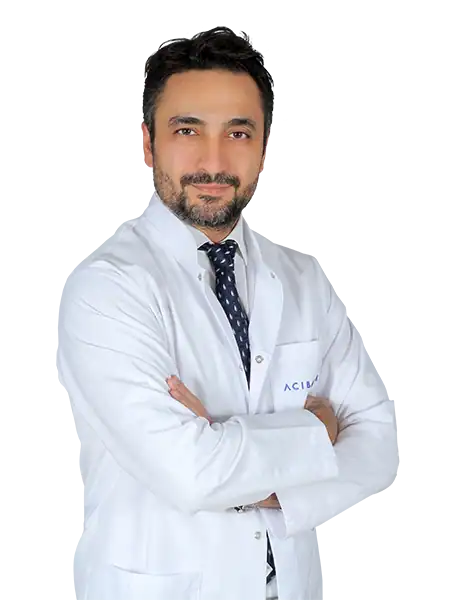
Assoc. Prof. Dr. Mehmet Altıparmak
Aesthetic Plastic & Reconstructive Surgery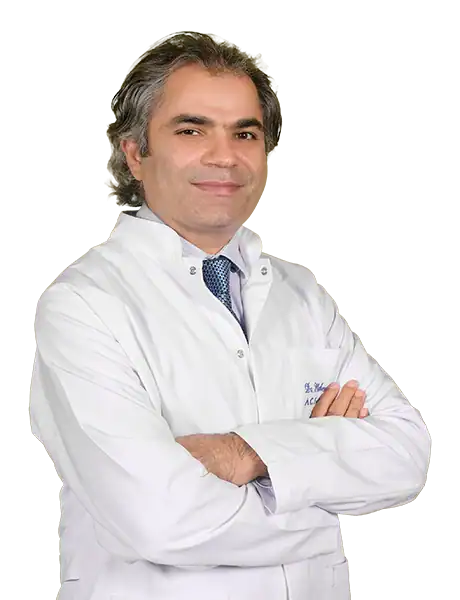
Assoc. Prof. Dr. Mehmet Sağır
Aesthetic Plastic & Reconstructive Surgery
Asst. Prof. Dr. Berkhan Yılmaz
Aesthetic Plastic & Reconstructive Surgery
Dr. Abdullah Etöz
Aesthetic Plastic & Reconstructive Surgery
Dr. Ayşe İrem İskenderoğlu
Aesthetic Plastic & Reconstructive Surgery
Dr. Burak Sercan Erçin (m)
Aesthetic Plastic & Reconstructive Surgery
Dr. Cem Öz
Aesthetic Plastic & Reconstructive Surgery
Dr. Ceyhun Cesur
Aesthetic Plastic & Reconstructive Surgery
Dr. Mahmut Özyılmaz
Aesthetic Plastic & Reconstructive Surgery
Dr. Mehmet Severcan
Aesthetic Plastic & Reconstructive Surgery
Dr. Mithat Ulay
Aesthetic Plastic & Reconstructive Surgery
Dr. Mustafa Mert Okumuş (m)
Aesthetic Plastic & Reconstructive Surgery
Dr. Mutluhan Temizsoy
Aesthetic Plastic & Reconstructive Surgery
Dr. Münür Selçuk Kendir
Aesthetic Plastic & Reconstructive Surgery
Dr. Nargız Ibrahımlı
Aesthetic Plastic & Reconstructive Surgery
Dr. Nezail Demirciler
Aesthetic Plastic & Reconstructive SurgeryMedical Units
Available at These Hospitals












Frequently Asked Questions
What affects the cost of ethnic rhinoplasty?
Cost depends on the complexity of reshaping, whether breathing correction is included, the need for cartilage grafts or implants, primary versus revision surgery, surgeon experience, hospital standards, anesthesia, tests, aftercare, and travel-related services. A personalised assessment is needed before an accurate quote can be prepared.
How can I get a personalised quote from Acibadem?
You can request a free consultation by sharing your goals, medical history, nasal photos, and any previous operation records if available. A specialist team can review your case and provide guidance on suitability, expected treatment pathway, and what the package may include.
Are travel, hotel, and interpreter services usually included?
Some international patient packages in Turkey may include support such as airport transfers, interpreter assistance, appointment coordination, and hotel guidance. Inclusions vary, so it is important to confirm exactly what is covered before travel.
Does functional correction change the cost?
Yes. If the plan includes septum correction, nasal valve support, turbinate treatment, or other airway procedures, the operation may require additional planning, operating time, tests, and follow-up. A specialist must determine whether functional treatment is medically appropriate.
Is ethnic rhinoplasty more expensive than standard rhinoplasty?
It can be more complex in some patients because the surgeon may need to preserve cultural identity while addressing skin thickness, bridge height, tip support, nostril shape, and airway function. Complexity, not ethnicity itself, is what influences the final cost.
Is this information medical or financial advice?
No. This is general educational information only. Treatment suitability, risks, recovery expectations, and final costs should be discussed directly with a qualified specialist during a personalised consultation.