Hi Def Liposuction
Hi Def Liposuction is an advanced body-contouring procedure that removes selected fat deposits to enhance muscle definition, especially around the abdomen, chest, arms, and waist.

Quick answer
Hi def liposuction, also called liposculpture, is a surgical body-contouring procedure that removes selected fat while preserving other layers, so the natural lines of the underlying muscles become more visible. It is usually performed under general anaesthesia through small incisions, often with ultrasound- or vibration-assisted technology. It suits people near a stable weight with good skin elasticity — it is not a weight-loss treatment.
Liposculpture: What Hi Def Liposuction Actually Does
Hi def liposuction — widely known as liposculpture or high-definition liposuction — is a surgical body-contouring procedure that removes selected pockets of fat while deliberately preserving others, so that the natural lines of the underlying muscles become more visible. It suits adults who are already near a stable, healthy weight but carry localised fat that hides definition in the abdomen, waist, chest, back or arms. It is a refinement procedure, not a weight-loss treatment, and it works best when your anatomy, skin quality and expectations line up with what the technique can honestly deliver.
Many people arrive at this subject after years of disciplined training and careful nutrition. You lift, you run, you watch what you eat — and yet the lower abdomen still hides the abdominal lines, the waist stays soft despite consistent weight training, or the chest does not reflect the effort invested in it. In women, the waist, flanks, arms or thighs may lack the sculpted contour the rest of the body suggests. These concerns are common, and they can feel out of proportion to the work being done, because localised fat distribution is governed largely by genetics and hormones rather than willpower. Liposculpture exists for precisely this gap between effort and visible result.
The questions patients ask before this procedure are practical and personal in equal measure. Will the result look natural or obviously surgical? How much discomfort should you expect? How long does swelling take to settle? What are the real risks? What happens if you gain weight years later? A well-planned treatment answers these questions before anything else happens: it begins with a careful physical evaluation, a realistic discussion of what your tissues allow, and a surgical plan drawn for your body rather than copied from a template.
At Acibadem, hi def liposuction is approached as a medically planned aesthetic operation rather than a cosmetic quick fix. The emphasis sits on patient selection, anaesthesia safety, proportion, symmetry and structured recovery support. That framing matters, because the difference between a natural-looking liposculpture result and a disappointing one is rarely the machine used — it is the judgement applied before and during surgery.
What Is Hi Def Liposuction?
Hi def liposuction is an advanced form of body sculpting that removes selected fat while preserving and shaping strategic layers of fat to create visible definition around muscle borders. Classic liposuction primarily reduces volume: it makes an abdomen, hip or thigh smaller. Hi def liposuction goes a step further by contouring around natural muscle grooves and transitions, so that the reduced area also looks more athletic. The distinction sounds subtle on paper, but it changes almost everything about how the operation is planned and performed.
The technique is most commonly applied to the abdomen, waist, flanks, chest, back and arms, and in selected cases to the thighs or buttock region. In the abdomen, the surgeon may contour along the borders of the rectus muscles and the oblique lines so that the natural abdominal architecture reads through the skin. In the chest, careful superficial work can produce a firmer, more defined pectoral contour in suitable men. In the arms, the aim is usually a cleaner transition between the shoulder, biceps and triceps regions rather than simple slimming.
What hi def liposuction is not matters just as much. It is not a weight-loss treatment, it does not build muscle, it does not correct significantly loose skin, and it does not treat obesity. The most satisfying results appear in patients who already have reasonable muscle development, good skin elasticity and a stable weight — people for whom the procedure reveals structure that training built but fat concealed.
Different energy-assisted technologies may be used depending on the surgeon’s assessment and the hospital’s available systems. Ultrasound-assisted and vibration-assisted devices can loosen fat before removal, support more precise superficial contouring and, in some patients, encourage a degree of skin contraction. The choice of technology depends on the treatment area, the thickness of the fat layer, skin quality, prior surgeries and your overall health — not on marketing preference.
What does liposculpture mean?
Liposculpture means shaping the body’s fat layer the way a sculptor works a material: reducing here, preserving there, blending transitions so the result reads as anatomy rather than surgery. The word is often used interchangeably with hi def liposuction, and in practice both describe the same philosophy — treating fat removal as a three-dimensional design task instead of simple volume reduction. Some surgeons reserve “liposculpture” for any refined, contour-focused liposuction and “high definition” for the most detailed muscle-etching work. The terminology varies more between clinics than the underlying techniques do, which is why the surgeon’s examination and plan tell you far more than the label on the brochure.
What does “lipo” mean?
“Lipo” is simply shorthand for liposuction, and the lipo meaning traces back to the Greek word lipos, meaning fat. When clinics or patients talk about “lipo”, they mean the surgical removal of fat through thin tubes called cannulas. The prefix runs through the whole family of related terms — liposuction, liposculpture, lipofilling — all of which involve removing, shaping or transferring fat tissue rather than treating skin or muscle directly.
What is HD liposculpture?
HD liposculpture is another name for the same family of procedures: hi def liposuction, high-definition liposuction and HD lipo all describe contour-focused fat removal that emphasises muscle definition. If you see the terms used side by side, do not assume they are competing techniques. What genuinely differs between providers is the surgeon’s training in superficial fat work, the technology available in the operating theatre, and the honesty of the candidate assessment — not the name printed on the treatment page.
What is Vaser hi def liposuction?
Vaser hi def liposuction is high-definition contouring performed with Vaser liposuction technology — an ultrasound-assisted system that emulsifies fat with sound energy before it is removed. The emulsification step can make fat easier to extract from the fibrous superficial layer where definition work happens, which is why Vaser is frequently paired with hi def techniques. It is a tool, not a promise of a particular result: the same device produces very different outcomes in different hands, and some surgeons achieve comparable definition with vibration-assisted or conventional instruments. The relevant question at consultation is not “do you use Vaser?” but “which technique suits my tissues, and why?”
How Liposculpture Differs from Standard Liposuction
The core difference is intent and depth of work. Standard liposuction reduces the deep fat layer to shrink an area, deliberately keeping away from the superficial layer just beneath the skin, because careless work there causes visible irregularities. Liposculpture works in both layers: the deep layer is reduced to slim the region, and the superficial layer is selectively thinned along muscle borders to create shadows, grooves and highlights. This makes the operation longer, more technically demanding and considerably less forgiving of error, which is why surgeon experience carries so much weight in the outcome.
Is liposculpture better than liposuction?
Neither is universally better; they solve different problems. If your goal is straightforward volume reduction — a smaller waist, slimmer thighs — well-executed classic or tumescent liposuction may serve you better, with a simpler recovery and lower risk of visible irregularity. If your goal is athletic definition and your skin and muscle tone support it, liposculpture can achieve something standard liposuction cannot. The honest answer also depends on your tissues: a patient with loose skin or minimal muscle development will usually get a more durable result from a conservative plan than from aggressive definition work, because etched lines over lax skin age poorly and can look artificial as the body changes. A responsible consultation matches technique to anatomy rather than recommending the most advanced-sounding option by default.
Who Is a Good Candidate for Hi Def Liposuction?
Hi def liposuction may suit adults who are bothered by localised fat deposits and want a more defined contour than diet and training have produced. These patients are typically active and health-conscious; their concern is not excess weight, but a lack of visible definition in specific areas. The frustration is understandable — the distribution of fat cells across the body is largely set, and no exercise selectively empties the cells that sit over one particular muscle group.
Common reasons for seeking the procedure include softness around the abdomen despite consistent exercise, persistent fat on the flanks or waist, reduced definition of the chest or arms, and an uneven contour after weight loss. Some patients simply have stubborn fat distribution written into their genetics. Others notice changes after ageing, pregnancy, hormonal shifts or repeated weight fluctuations that training alone has not reversed.
A proper assessment begins with a detailed consultation. The surgeon reviews your medical history, current medicines, previous surgeries, weight stability, skin elasticity, fat thickness, muscle tone and overall body proportions. Photographs are usually taken for surgical planning and later comparison. Depending on your health and the extent of the planned surgery, laboratory tests and an anaesthesia evaluation may be required, and occasionally additional imaging — particularly relevant when a patient is travelling internationally and wants the assessment completed efficiently.
The evaluation also separates fat that liposuction can treat from problems that need a different operation. Loose abdominal skin after pregnancy or major weight loss may not tighten adequately over a liposuctioned contour. Significant separation of the abdominal muscles may point towards abdominoplasty or a combined surgical plan. In men with chest enlargement, the surgeon must establish whether the fullness is fatty tissue, glandular tissue or both, because glandular tissue does not respond to liposuction alone. Recommending the wrong procedure for the right concern helps nobody, so a plan that changes after examination is a sign of care, not indecision.
Good candidates are typically non-smokers or willing to stop smoking around the time of surgery, at or near a stable weight, medically fit for anaesthesia and able to follow recovery instructions, including compression garment wear and activity limits. The procedure is generally not appropriate for patients with uncontrolled medical conditions, severe skin laxity, a desire for major weight reduction, or expectations that no surgical result could realistically meet.
Concerns Hi Def Liposuction Can Address
Hi def liposuction addresses specific aesthetic concerns related to localised fat and limited muscular definition. It is often chosen when standard liposuction would reduce fat but not create the degree of contour or athletic appearance the patient wants.
- Abdominal definition: contouring around the natural lines of the abdomen to improve the appearance of the central and lateral muscle borders, from subtle athletic shading to more visible etching in suitable candidates.
- Waist and flank contouring: reducing stubborn fat at the sides of the waist to sharpen the transition between torso and hips.
- Male chest contouring: refining fatty fullness over the pectoral region and improving chest shape in carefully selected patients, once glandular tissue has been ruled out or planned for separately.
- Arm sculpting: improving the contour between the shoulder, upper arm and surrounding muscle groups when skin tone is adequate.
- Back and torso shaping: treating localised rolls or fullness that interrupt the natural lines of the back or upper body.
- Post-weight-loss refinement: improving selected areas after stable weight loss, when residual fat remains and skin elasticity is sufficient to redrape smoothly.
- Body proportion enhancement: creating better visual balance between the abdomen, waist, chest, arms and hips rather than treating one zone in isolation.
In some treatment plans, removed fat is processed and transferred to another area — the buttocks, chest or hips — an approach described in detail on our BBL and lipofilling page. Fat transfer is not a required part of hi def liposuction, but it may be discussed when volume enhancement and contour balance belong to the same aesthetic plan and your health allows it.
How Hi Def Liposuction Is Performed
Hi def liposuction begins well before the day of surgery. Careful preoperative planning is essential because the procedure depends on millimetre-level judgement about where fat should be reduced, where it should be preserved, and how the final contour will read once swelling has fully resolved — which is months, not days, after the operation itself.
Preoperative consultation and planning
During the consultation, the surgeon reviews your goals and examines each area of concern. This is the time to talk about the kind of definition you actually want: subtle athletic contouring, more visible abdominal lines, or targeted refinement of a single region such as the waist or chest. A responsible plan also names its limits out loud. The safest and most natural result is usually the one that respects your anatomy, your skin’s behaviour and your muscle structure, rather than a picture from someone else’s body.
Before surgery you may be asked to complete blood tests, medical clearance and an anaesthesia assessment, with imaging where needed. You will receive instructions covering smoking, alcohol and fasting before anaesthesia. The team will also review every medicine and supplement you take; any decision about pausing or adjusting medication before surgery — including blood-thinning medicines — is made by your treating doctor, never on your own. Patients travelling from abroad usually have the timing of arrival, preoperative evaluation, surgery and early follow-up coordinated in advance so that nothing is squeezed.
Marking the body contours
On the day of surgery, the surgeon marks the treatment areas while you are standing. These markings map natural muscle borders, fat pockets, planned incision points and zones where contouring must be more delicate. The standing position matters because body shape changes when you lie down: lines drawn on a horizontal patient would land in the wrong place on a vertical one. Precise marking guides the whole procedure and is one of the main tools for protecting symmetry.
Anaesthesia and patient safety
Hi def liposuction is usually performed under general anaesthesia or, in selected smaller cases, under sedation with local anaesthesia. The choice depends on the number of areas treated, the expected length of the operation, your medical assessment and your preference. Throughout surgery, anaesthesia and nursing teams monitor vital signs, fluid balance and overall stability.
Because liposuction removes fat and shifts fluid, safe planning includes sensible limits on how much is treated in one session. Large-volume procedures and multiple combined operations require particularly careful evaluation, and sometimes staging across separate dates. Safety is part of the aesthetic result: a well-defined contour should never come at the expense of sound medical judgement.
Fat loosening and selective removal
Small incisions are placed in discreet locations wherever possible — natural creases, the border of the umbilicus, areas covered by underwear. A tumescent fluid is infiltrated into each treatment area to reduce bleeding, provide local anaesthesia and prepare the fat for removal. Depending on the plan, the surgeon may then use energy-assisted systems — ultrasound-assisted, vibration-assisted or other controlled energy devices — to loosen fat before aspiration. The purpose is precision: less trauma to surrounding tissue in selected cases, and more even contouring in the layers where definition is created.
Fat is then removed through thin cannulas — but not uniformly. In hi def liposuction, fat is sculpted in layers. The deeper layer is reduced to slim the region, while more superficial, carefully judged work defines the edges of muscle groups. This layered approach demands detailed anatomical knowledge and a conservative eye, because overly aggressive removal creates irregularities, unnatural shadows and problems with healing that are far harder to correct than to prevent.
Refinement, symmetry and closure
Throughout the operation, the surgeon repeatedly steps back to assess symmetry, transitions and the developing contour, sometimes adjusting your position to view the shape from different angles. Incisions are closed with fine sutures or left briefly open to drain, depending on technique and surgeon preference. Dressings and a compression garment are applied before you leave the operating theatre.
The duration of surgery varies with the number of areas treated, the degree of sculpting required and whether additional steps such as fat transfer are included. A single limited area takes less time; comprehensive abdominal, waist and chest contouring is a longer operation. Your surgeon gives you a personalised estimate after examination — a generic figure quoted before anyone has assessed you is not worth much.
A typical surgical sequence
- Standing markings of muscle borders, fat pockets and incision points.
- Anaesthesia — general, or sedation with local anaesthesia for smaller cases.
- Small, discreetly placed incisions and infiltration of tumescent fluid.
- Energy-assisted loosening of fat where the plan calls for it.
- Deep-layer fat reduction to slim the region.
- Superficial definition work along the marked muscle lines.
- Symmetry checks from multiple angles, closure, dressings and compression garment.
Early recovery after surgery
After surgery you are monitored while the anaesthesia wears off. Some patients return home or to their hotel the same day with a responsible adult; others stay overnight, depending on the extent of surgery, the anaesthesia used and their medical picture. Patients who have travelled for the procedure should plan to remain near the hospital for early follow-up before any flight home.
Swelling, bruising, tightness and soreness are expected in the first days. Fluid may drain from the small incisions during the first day or two — this is normal and anticipated. Compression garments are worn as directed to control swelling and support the new contour. Early walking is encouraged to reduce the risk of blood clots, while strenuous activity waits until your surgeon clears it.
Visible results appear gradually. In the first weeks, swelling can hide the very definition the surgery created, and the treated areas may feel firm or slightly uneven. This is part of normal healing, not a verdict on the result. Many patients notice meaningful improvement within several weeks, but the final refinement continues for months as swelling resolves, tissues soften and the skin settles onto the new contour.
Recovery Timeline After Hi Def Liposuction
Recovery varies with the treatment area, the extent of surgery and individual healing, but most patients follow a broadly similar pattern of gradual improvement.
| Time Period | What Patients Can Expect |
|---|---|
| Day 1 | Monitoring after anaesthesia, soreness, swelling and drainage from small incisions. Light walking is usually encouraged with assistance. |
| First Week | Bruising and swelling are common. Compression garments are worn as directed. Many patients resume light daily activities, avoiding exertion. |
| First Month | Swelling begins to decrease and early contour changes become more visible. Exercise may be gradually reintroduced if the surgeon approves. |
| Two to Three Months | Definition continues to improve as tissues soften. Some firmness, numbness or mild asymmetry may still be present during healing. |
| Longer Term | Results continue to refine over several months. Maintaining a stable weight and healthy lifestyle helps preserve the contour. |
Some surgeons also recommend lymphatic drainage massage or other supervised postoperative therapies during the early weeks, depending on their protocol and the areas treated. Follow the schedule your own team sets rather than a generic timeline read online — the plan reflects what was actually done inside your tissues.
What happens 10 years after liposuction?
Fat cells removed at surgery do not grow back in the same way, so the contour created tends to persist for years — provided your weight stays stable. The body keeps ageing regardless: the fat cells that remain can enlarge with weight gain, skin gradually loses elasticity, and hormonal changes slowly redistribute fat across the body.
A decade on, patients who kept a steady weight usually retain a recognisable version of their result, softened by ordinary ageing. Patients who gained significant weight may find fat accumulating in untreated areas, or unevenly over treated ones, because the balance of fat cells across the body has been surgically altered. Surgery changes your starting point; it does not exempt you from biology. That is why weight stability is discussed so insistently before anyone agrees to operate.
Safety, Risks and Honest Limits
Is liposuction completely safe?
No — no operation is completely safe, and a trustworthy clinic will say so plainly. Common and usually temporary effects include swelling, bruising, numbness, firmness under the skin and small fluid collections. Because hi def liposuction works in the superficial fat layer, contour irregularities are a more relevant risk than in standard liposuction, which is one reason candidate selection and surgical restraint matter so much.
Less common problems include infection, delayed healing, asymmetry that may need revision, and changes in skin sensation that persist longer than expected. Rare but serious complications — blood clots, fat embolism, reactions to anaesthesia — are precisely why the procedure belongs in a properly equipped surgical environment with qualified anaesthesia care, agreed limits on treatment volume and structured postoperative monitoring.
What genuinely reduces risk is unglamorous: honest candidate selection, a thorough anaesthesia assessment, sterile operating conditions, a surgeon experienced in superficial contouring, sensible limits on how much is attempted in one session, and follow-up that actually happens. Any provider who presents this operation as trivial is describing their marketing, not the surgery.
Why Timing Matters — and What Waiting Can Change
Hi def liposuction is elective, so there is no medical urgency of the kind that applies to disease or injury. Timing still matters. Planning tends to go better when you seek evaluation while your weight is stable, your skin elasticity is still favourable and your general health allows surgery at lower risk.
Delaying is not harmful in itself, but certain changes can affect candidacy over time. Weight gain increases the volume of fat to be treated and can make subtle definition harder to achieve. Repeated weight fluctuation reduces skin elasticity. Ageing, pregnancy or major lifestyle changes can alter body shape enough that the best option shifts from liposuction alone to a more extensive procedure.
There are also practical reasons not to rush. Patients who decide shortly before an important event rarely leave enough time to heal: swelling and firmness persist for weeks, and final definition takes months. Deciding early leaves room for proper consultation, medical assessment, travel arrangements where relevant, recovery and follow-up.
Acting early should never mean acting impulsively. A considered decision, grounded in medical evaluation and realistic expectations, is the safest way to proceed — and a second opinion is a perfectly reasonable step if you are unsure whether this operation matches your anatomy and goals.
Benefits of Hi Def Liposuction
When performed for the right candidate with careful planning, hi def liposuction can offer several meaningful aesthetic and practical benefits.
| Benefit | What It Means for You |
|---|---|
| Improved muscle definition | Selected fat is removed around natural muscle borders, helping the abdomen, chest, arms or waist appear more sculpted. |
| Targeted fat reduction | Stubborn areas that do not respond well to diet and exercise can be refined without treating the whole body. |
| More balanced body proportions | Contouring can improve transitions between the waist, torso, chest and limbs for a more coordinated appearance. |
| Personalised contouring | The surgical plan is adapted to your anatomy, preferred level of definition and skin quality rather than following one standard pattern. |
| Long-lasting improvement with stable weight | Removed fat cells do not return in the same way, although remaining fat cells can enlarge if weight increases. |
| Possible combination with other procedures | In selected patients, hi def liposuction may be combined with fat transfer or skin-tightening procedures for a more complete contour plan. |
Factors That Influence a Good Result
The outcome depends on more than the surgical technique. A good result is the product of patient selection, anatomical suitability, careful planning, safe execution and disciplined recovery — in roughly that order of importance.
Skin quality is one of the most decisive factors. Skin with good elasticity contracts smoothly over the new contour. Loose, thin or stretched skin may not: liposuction can reduce the fat beneath it and still leave laxity on the surface. In those cases the surgeon should recommend a different procedure or a combined plan rather than proceeding regardless.
Body fat distribution matters. The technique works best on a moderate layer of localised fat that can genuinely be shaped. Very low body fat limits what can be removed safely; excess fat obscures definition and makes the goal less realistic until weight stabilises at a lower point.
Muscle development influences the final appearance directly, because the procedure enhances the visibility of what lies underneath. Patients with better muscle tone see clearer definition. The procedure reveals contours — it does not create muscle strength or replace training.
Weight stability is essential. Significant gain after surgery changes the result, because the remaining fat cells enlarge. Significant loss can also affect skin and contour. Reaching a weight you can actually maintain before surgery protects the investment of the operation.
Surgeon experience and aesthetic judgement are central. High-definition contouring requires restraint as much as precision: the goal is not to remove the maximum amount of fat, but to create balanced shadows, lines and transitions that belong on your body. Over-treatment is the classic failure mode of this operation.
Recovery adherence shapes how the result matures. Wearing compression garments as directed, attending follow-up visits, walking early, avoiding smoking and returning to exercise gradually all support healing. Skipping the boring parts of recovery is the cheapest way to compromise an expensive operation.
Realistic expectations determine satisfaction as much as anatomy does. Hi def liposuction can create meaningful refinement, but every body keeps its natural asymmetries and heals in its own way. A thoughtful consultation covers limitations with the same clarity as possibilities.
Choosing Where to Have Liposculpture
Liposculpture is offered in aesthetic centres worldwide, and the research process looks remarkably similar wherever you start. Whether you begin your search in a major city abroad or closer to home, the questions that actually protect you are the same everywhere: who performs the operation and how often, in what kind of facility and under what anaesthesia, how candidates are refused as well as accepted, and what happens if a complication or revision follows. Cities and price levels differ; the fundamentals do not.
When offers arrive from different providers, compare what each one actually includes rather than the headline alone — anaesthesia type, hospital versus office-based setting, garments, the number of follow-up visits and the revision policy vary widely between quotes that look similar at first glance.
How Acibadem Approaches Hi Def Liposuction
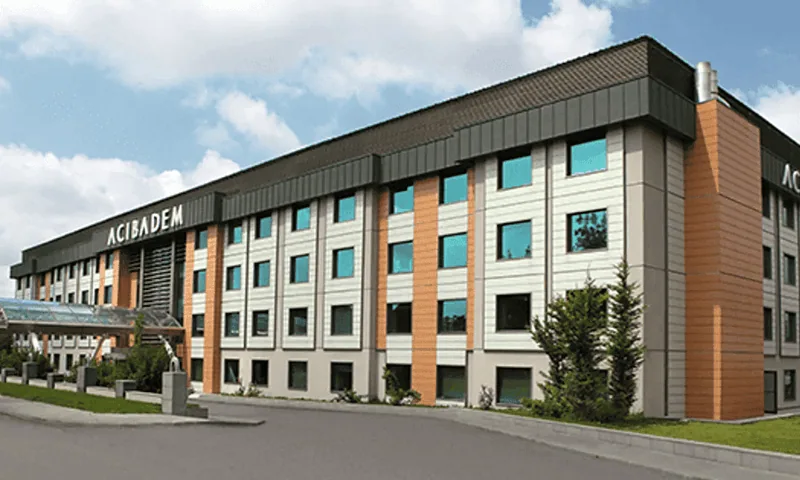
Choosing surgery — especially surgery away from home — requires trust, clarity and coordination. Patients need to understand not only who will operate, but how the hospital manages evaluation, anaesthesia, sterility, postoperative monitoring and communication across languages. At Acibadem, aesthetic procedures such as hi def liposuction are delivered within a hospital-based medical environment, supported by experienced physicians and modern surgical infrastructure, rather than in an isolated cosmetic suite.
The hospital setting matters for a procedure like this because the patient journey has many steps: preoperative testing, anaesthesia assessment, sterile operating conditions, postoperative monitoring and structured follow-up. It also means broader medical support is on hand if additional evaluation is needed before or after surgery.
Care is personalised. The surgical plan is developed after examining your anatomy, health status and goals. Some patients are candidates for focused abdominal etching; others need waist and flank contouring, chest refinement, arm sculpting or a combined approach. Where liposuction alone is unlikely to meet expectations — because of skin laxity or abdominal wall changes — the surgeon discusses alternatives rather than proceeding with an unsuitable plan. Final surgical recommendations always require in-person evaluation; preliminary review of medical history and photographs before travel helps ensure patients arrive with a realistic picture of what is likely to be proposed.
Multidisciplinary input is available when needed. Although hi def liposuction is usually an aesthetic surgery matter, some patients have medical histories that call for consultation with anaesthesia, internal medicine, cardiology, endocrinology or other specialties — particularly relevant for those travelling with limited time who want their case reviewed efficiently and responsibly.
Technology supports, but never replaces, judgement. Depending on the case, the surgical team may use energy-assisted liposuction systems, fine cannulas, careful fluid management and structured garment protocols. For international patients, multilingual patient services coordinate appointments, medical document transfer, treatment planning and travel logistics, so that receiving care abroad remains organised and understandable from first enquiry through early recovery.
Deciding Well
Hi def liposuction can be an effective option for selected patients who want more visible definition and have localised fat hiding contours their training built. The best results follow a consistent pattern: a patient near a stable weight, with good skin elasticity and realistic expectations, operated on by a surgeon who understands both anatomy and proportion — and who is willing to say no when the procedure does not fit.
The most useful next step in any patient’s thinking is a detailed specialist evaluation, and where doubt remains, a second opinion. A qualified surgeon can determine whether your goals are best served by high-definition contouring, standard liposuction, skin-tightening surgery, fat transfer or a different plan entirely. You should come away from that conversation understanding three things clearly: what is possible for your body, what the recovery genuinely involves, and where the limits lie. A decision made on that footing tends to age as well as the result itself.
Preparation
- A plastic surgeon evaluates your body shape, skin quality, medical history, and goals to confirm suitability. Preoperative tests may be requested, and you may be asked to stop smoking and avoid blood-thinning medications. You should maintain a stable weight before surgery for the most predictable contouring result.
Aftercare
- Compression garments are usually worn for several weeks to reduce swelling and support the new contours. Mild bruising, swelling, and soreness are expected, and walking is encouraged early while strenuous exercise is delayed. Follow-up visits help monitor healing and guide your return to normal activities.
Turkey vs UK, Germany & USA
Hi Def Liposuction costs and patient experience vary by country, clinic model, surgeon expertise, and the extent of body contouring required. The comparison below highlights practical factors that may influence planning for international patients.
When comparing destinations for Hi Def Liposuction, the main differences usually relate to private healthcare pricing, surgeon experience in body contouring, accreditation standards, package inclusions, waiting times, and travel support.
| Factor | Turkey | UK | Germany | USA |
|---|---|---|---|---|
| Cost structure | Often offered through private international patient packages with bundled services. | Usually self-funded in private clinics; cosmetic liposuction is generally not part of public care. | Typically private self-pay with pricing influenced by clinic setting and surgeon profile. | Private self-pay model with costs influenced by facility fees, anesthesia, and regional overheads. |
| Hospital and surgeon factors | Choice of hospital, plastic surgeon experience, technology used, and care coordination affect the quote. | Surgeon reputation, clinic location, and follow-up arrangements are key drivers. | Specialist credentials, hospital setting, and procedural complexity influence planning and cost. | Board-certified surgeon profile, surgical center type, and geographic location can strongly affect total cost. |
| Accreditation and quality | International patients may choose JCI-accredited hospitals and structured preoperative pathways. | Private providers follow national regulatory and professional standards. | Hospitals and clinics operate under national healthcare regulations and professional standards. | Quality varies by provider; accredited surgical facilities and qualified specialists are important to verify. |
| Waiting times | International scheduling may be coordinated in advance, depending on medical suitability and availability. | Private scheduling may be available, while cosmetic procedures are not usually prioritized in public pathways. | Private appointments may be arranged based on clinic and surgeon availability. | Access is usually through private scheduling, with timing dependent on surgeon and facility availability. |
| Travel and language logistics | International patient teams may assist with translation, airport transfers, hotel coordination, and appointments. | Convenient for local English-speaking patients; international visitors arrange travel and accommodation separately. | International patients may need translation support depending on provider and region. | English-speaking care is standard, but long-distance travel and local accommodation can add complexity. |
| Typical package inclusions | May include consultation, hospital services, anesthesia, medical tests, compression garments, transfers, and follow-up coordination. | Often quoted item by item; aftercare, garments, and facility fees should be clarified. | May be clinic-based or hospital-based; inclusions vary and should be confirmed in writing. | Quotes may separate surgeon, anesthesia, facility, garments, medications, and follow-up services. |
What affects your final cost
- Treatment areas: abdomen, waist, chest, arms, back, or combined regions.
- Complexity of definition: subtle contouring versus more athletic sculpting.
- Technology and technique: energy-assisted liposuction, fat removal, and fine contouring steps.
- Surgeon and hospital setting: specialist experience, accredited facility, and anesthesia team.
- Medical needs: tests, medications, compression garments, and monitoring requirements.
- Travel plan: hotel stay, transfers, interpreter support, and follow-up arrangements.
Compare your options
Hi Def Liposuction is one option within body contouring. Suitability depends on anatomy, skin quality, fat distribution, general health, and goals, and must be decided by a specialist after assessment.
| Option | What it is | Typical use | Key considerations |
|---|---|---|---|
| Hi Def Liposuction | Selective fat removal designed to enhance the appearance of underlying muscle contours. | Often used for the abdomen, waist, chest, arms, back, and flanks in patients seeking a more defined look. | Requires good planning, realistic expectations, and adequate skin elasticity; recovery care and garment use are important. |
| Traditional liposuction | Removal of localized fat deposits without the same level of muscle-detail sculpting. | Used for general reshaping of areas such as the abdomen, thighs, hips, arms, or back. | May be suitable for broader contour improvement rather than athletic definition. |
| Energy-assisted liposuction | Liposuction supported by ultrasound, vibration, laser, or radiofrequency-based technologies depending on the case. | May help surgeons treat fibrous areas or support more precise fat removal. | Technology choice depends on surgeon preference, tissue characteristics, and safety considerations. |
| Liposuction with fat transfer | Fat is removed from selected areas and processed for transfer to another area when appropriate. | May be considered for contour balance, such as enhancing selected curves while reducing unwanted fat. | Not all removed fat is suitable for transfer; results depend on healing and individual anatomy. |
| Tummy tuck or body lift | Surgical removal of excess skin, sometimes combined with muscle repair or liposuction. | Used when loose skin or abdominal wall laxity is a major concern. | More extensive surgery with different scars, recovery needs, and eligibility criteria. |
| Non-surgical body contouring | Device-based treatments aimed at reducing small fat pockets or improving contour without surgery. | May be used for mild concerns or for patients not ready for surgery. | Results are usually more limited than surgery and may require staged treatment; specialist advice is needed. |
General information only — not medical or financial advice. Final costs depend on the factors above and your individual case; request a free, personalised quote.
Frequently Asked Questions
What affects the cost of Hi Def Liposuction?
The final quote depends on the treatment areas, the amount of contouring required, the technique used, anesthesia and hospital services, surgeon experience, medical tests, garments, aftercare, and any travel-related support included in the package.
How can I get a personalised quote from Acibadem?
You can request a free consultation and share medical history, current photos, target areas, and expectations. A specialist team reviews suitability and provides a personalised treatment plan and cost estimate without this being medical or financial advice.
Is Hi Def Liposuction more expensive than standard liposuction?
It can involve more detailed planning and sculpting than standard liposuction, so the cost may differ. The specialist will assess whether high-definition contouring, standard liposuction, or another option is more appropriate for your body type and goals.
What is usually included in an international patient package?
Packages may include consultation coordination, preoperative tests, hospital and anesthesia services, the procedure, compression garments, follow-up checks, translation support, transfers, and hotel coordination. Inclusions vary, so they should be confirmed in writing.
Can travel and accommodation change the total budget?
Yes. Flight arrangements, hotel category, length of stay, companion travel, transfers, and any additional appointments can affect the overall budget beyond the medical quote.
Does a lower quoted price mean lower quality?
Not necessarily. Quality should be assessed by the surgeon’s qualifications, hospital accreditation such as JCI, safety protocols, anesthesia standards, clear communication, and aftercare planning rather than price alone.
Medically reviewed by the Acıbadem International Medical Board — September 1, 2026
See our medical review board →
Update history
- PublishedJune 8, 2026
- Medical review approvedSeptember 1, 2026
- Last content updateSeptember 1, 2026
References2
- Liposuction — medlineplus.gov
- Liposuction — nhs.uk
Trusted care for international patients
Liposuction costs — ledger-based guide ranges, or browse the full Turkey Medical Price Index.
Doctors Performing This Treatment

Prof. Dr. Hakan Ağır
Aesthetic Plastic & Reconstructive Surgery
Prof. Dr. Şükrü Yazar
Aesthetic Plastic & Reconstructive Surgery
Prof. Dr. Mehmet Veli Karaaltın
Aesthetic Plastic & Reconstructive Surgery
Prof. Dr. Bülent Saçak
Aesthetic Plastic & Reconstructive Surgery
Prof. Dr. Ersin Ülkür
Aesthetic Plastic & Reconstructive Surgery
Prof. Dr. Çiğdem Ünal Gülmeden
Aesthetic Plastic & Reconstructive Surgery
Assoc. Prof. Dr. Erdem Güven
Aesthetic Plastic & Reconstructive Surgery
Assoc. Prof. Dr. Ahmet Küçükçelebi
Aesthetic Plastic & Reconstructive Surgery
Assoc. Prof. Dr. Mehmet Altıparmak
Aesthetic Plastic & Reconstructive Surgery
Assoc. Prof. Dr. Mehmet Sağır
Aesthetic Plastic & Reconstructive Surgery
Asst. Prof. Dr. Berkhan Yılmaz
Aesthetic Plastic & Reconstructive Surgery
Dr. Ayşe İrem İskenderoğlu
Aesthetic Plastic & Reconstructive Surgery
Dr. Şenol Durukan
Aesthetic Plastic & Reconstructive Surgery
Dr. Serkan Tokgönül
Aesthetic Plastic & Reconstructive Surgery
Dr. Münür Selçuk Kendir
Aesthetic Plastic & Reconstructive Surgery
Dr. Nargız Ibrahımlı
Aesthetic Plastic & Reconstructive Surgery
Dr. Okan Acicbe
Aesthetic Plastic & Reconstructive Surgery
Dr. Turgut Furkan Kuybulu
Aesthetic Plastic & Reconstructive Surgery
Dr. Nuri Soysal
Aesthetic Plastic & Reconstructive Surgery
Dr. Nezail Demirciler
Aesthetic Plastic & Reconstructive Surgery
Dr. Mithat Ulay
Aesthetic Plastic & Reconstructive Surgery
Dr. Mahmut Özyılmaz
Aesthetic Plastic & Reconstructive Surgery
Dr. Umut Özbebit (m)
Aesthetic Plastic & Reconstructive Surgery
Dr. Cem Öz
Aesthetic Plastic & Reconstructive SurgeryMedical Units
Available at These Hospitals