Pediatric Plastic Surgery
Pediatric plastic surgery addresses congenital, traumatic, or acquired deformities in children, focusing on function, growth, appearance, and emotional well-being through age-appropriate reconstructive care.

Quick answer
Pediatric plastic surgery is reconstructive — and occasionally aesthetic — surgery for children with congenital differences, injuries, burns, birthmarks or defects left after tumour removal. It repairs skin, soft tissue, cartilage, bone and nerves while protecting the child's growth. Procedures range from a single short operation to staged reconstruction timed around milestones such as feeding, speech and hand use, with follow-up continuing as the child develops.
What Is Pediatric Plastic Surgery?
Pediatric plastic surgery is the surgical specialty that treats congenital, traumatic and acquired differences in children using reconstructive and, where appropriate, aesthetic techniques. It repairs and reshapes skin, soft tissue, cartilage, bone, nerves and blood vessels while protecting the child’s future growth. It is for children born with a visible difference, children injured by burns or trauma, and children who need reconstruction after illness or another operation.
The word “plastic” here refers to shaping and restoring tissue, not to cosmetic enhancement in the adult sense. The purpose is reconstruction that improves function, supports normal development and helps a child feel more comfortable in daily life. A cleft lip repair helps a baby feed. A hand operation helps a toddler grasp. A scar release helps a burned joint move. Appearance matters too — children live in classrooms and playgrounds, and a visible difference can shape how they see themselves — but appearance is addressed as part of the child’s overall well-being, not as an end in itself.
Pediatric plastic surgeons work on the face, skull, ears, nose, hands, limbs, trunk and external genital region. Procedures may be minor and completed in a short session, or they may form part of a staged plan carried out over months or years. Some operations are urgent, such as repair after a serious injury. Others are deliberately timed around growth milestones: speech development, dental development, cartilage maturity or the child’s psychosocial readiness. This attention to timing is what most clearly separates the field from its adult counterpart within plastic, reconstructive and aesthetic surgery.
What does a pediatric plastic surgeon do?
A pediatric plastic surgeon diagnoses and surgically treats structural differences in children — from birthmarks and extra digits to complex craniofacial conditions — and plans that treatment around the child’s growth. The role goes beyond operating. It includes deciding whether surgery is needed at all, choosing the safest age for each step, coordinating with other pediatric specialists, and following the child through years of development so the plan can be adjusted as the body changes. Common procedures include cleft lip and palate repair, craniofacial reconstruction, correction of prominent or malformed ears, treatment of vascular anomalies and birthmarks, scar revision, burn reconstruction, congenital hand surgery, repair of traumatic wounds, skin grafting, tissue expansion, reconstruction after tumour removal, and correction of certain chest wall or soft-tissue differences.
How is pediatric plastic surgery different from adult plastic surgery?
Children are not small adults, and this specialty is not a scaled-down version of adult practice. Three differences matter most. First, children are still growing: an operation must respect growth centres in bone and cartilage, because a repair that looks ideal at age three can distort if it interferes with development. Second, children’s tissues behave differently — skin is thinner, structures are smaller and more delicate, and scars can mature over a longer period. Third, the emotional dimension changes with age. A baby has no memory of surgery; a school-age child needs honest, calm preparation; an adolescent has strong opinions about their own body. A reconstructive plan must account for all three, which is why the best approach is often a sequence of carefully timed steps rather than a single attempt to correct everything at once.
When a Child Needs Plastic Surgery: Understanding the Decision
When a child is born with a visible difference, develops a deformity after an injury, or needs reconstruction after illness or surgery, families face questions that are both medical and deeply personal. You may worry about pain, anesthesia, scarring, growth, future function, and how your child will feel at school or in social situations. You may also wonder whether surgery should happen now or wait until the child is older. These are reasonable questions, and a good consultation takes them seriously rather than brushing past them.
For many families, the goal is practical and immediate: helping a baby feed properly, improving breathing, repairing a hand injury, closing a wound, or restoring movement after trauma. For others, treatment is part of a longer journey — staged reconstruction for cleft lip and palate, ear reconstruction, craniofacial differences, birthmarks, burns, or congenital hand anomalies. In every case, the focus stays on the child’s health, growth, comfort, dignity and long-term quality of life.
It helps to know from the start that evaluation and surgery are separate decisions. Seeing a pediatric plastic surgeon does not commit you to an operation. Some conditions are best monitored. Some respond to non-surgical treatment. Some genuinely benefit from early surgery, and some are better corrected later, when tissues are larger or growth is further along. The value of an early consultation is accurate information: what the condition is, what the options are, and what timing gives the child the best chance of a stable, functional result.
At Acibadem, this care is approached through age-appropriate reconstructive planning, careful diagnostics, and collaboration among pediatric specialists when a condition crosses specialty boundaries. International families are supported through coordinated appointments, multilingual communication, and help with the practical steps of seeking care abroad.
Who May Need Pediatric Plastic Surgery?
Children are evaluated for pediatric plastic surgery for many reasons. Some conditions are visible at birth. Others become noticeable as the child grows, after an accident, following infection, after removal of a lesion or tumour, or as a scar matures. Families often arrive through a referral: a pediatrician, neonatologist, dermatologist, ear, nose and throat specialist, orthopedist, neurosurgeon, dentist, orthodontist or emergency physician notices something that needs a reconstructive opinion.
Typical concerns include difficulty feeding in a newborn with cleft lip or palate, an abnormal head or facial shape, a hand or finger difference, a birthmark that is growing rapidly, a wound likely to leave a significant scar, limited movement after a burn, a prominent scar after surgery or trauma, or an ear deformity that interferes with hearing aids or social confidence. In older children and adolescents, concerns may include asymmetry, functional limitations, visible scars, or differences that affect participation in sports, school or social life.
How is a child assessed before surgery?
Assessment begins with a detailed medical history and physical examination — no scan replaces this step. The surgeon reviews the child’s birth history, previous operations, allergies, medications, growth and development, and then examines the affected area together with anything connected to it: skin quality, movement, sensation, feeding, speech, airway, vision, hearing. Depending on the condition, diagnostic tests may include ultrasound, MRI, CT imaging, three-dimensional imaging, X-rays, laboratory tests, genetic evaluation, speech assessment, dental or orthodontic review, or consultations with other specialists such as the pediatrics team.
Expect the consultation to cover more than the operation itself. A thorough team discusses timing, anesthesia, hospital stay, likely scar behaviour, follow-up, emotional readiness, school absence, wound care, and whether further procedures may be needed later. For international patients, it also matters to clarify how long the child should remain near the hospital after surgery and how follow-up can be coordinated once the family returns home.
Where can I find information on pediatric plastic surgery?
The most reliable information on pediatric plastic surgery comes from hospital departments and university programmes that actually treat children, and from national specialty societies that publish parent-facing guides. Searching the topic, you will encounter well-known academic programmes — Johns Hopkins plastic surgery, Vanderbilt plastic surgery, or Plastics UTHealth in the United States, for instance — whose patient education pages describe conditions and typical treatment pathways in careful, evidence-based language. You will also find private practices in the results, such as the Waldorf Center for Plastic Surgery or the Colorado Plastic Surgery Center; many practices of this kind focus mainly on adult aesthetic surgery, so before relying on any clinic’s material, check whether it genuinely treats children and describes reconstructive care rather than cosmetic services. Wherever you read, apply the same tests: does the page explain when surgery is not needed, does it discuss timing around growth, and does it acknowledge limits and uncertainty? Pages that promise perfect results are marketing, not medicine. Your child’s own doctors remain the best interpreters of anything you read, because general information cannot account for one child’s specific anatomy and history.
Conditions and Indications Treated with Pediatric Plastic Surgery
Pediatric plastic surgery covers a broad range of conditions, from common congenital differences to complex injuries. The indications vary, but the underlying purpose is consistent: restore or improve function, protect growth, reduce visible deformity where possible, and support the child’s physical and emotional development.
Cleft Lip, Cleft Palate and Craniofacial Differences
Cleft lip and cleft palate are among the most recognised reasons for reconstructive surgery in childhood. Treatment may involve lip repair, palate repair, nasal correction, speech-related procedures, dental and orthodontic planning, and later refinements — usually as a staged plan spread across childhood rather than one operation. Children with broader craniofacial differences, including abnormal skull or facial shape, may need coordinated care involving plastic surgery, pediatric neurosurgery, ear, nose and throat specialists, ophthalmology, orthodontics, speech therapy and genetics. The order of these steps matters: palate repair supports speech development, orthodontic work prepares for later bone procedures, and refinements are often left until facial growth allows a stable result.
Congenital Hand and Limb Differences
Congenital hand differences include extra fingers, joined fingers, absent or underdeveloped digits, constriction bands, thumb differences and other limb anomalies. Surgery may improve grasp, release restricted movement, enhance hand function, or correct anatomy so the child can take part in age-appropriate activities. Hand surgery in children is delicate work on small structures — tendons, nerves, joints and growth plates — and the timing is often chosen to coincide with the stage at which a child develops key hand-use patterns, so the corrected hand becomes the hand the child learns with.
Birthmarks, Vascular Anomalies and Skin Lesions
Some birthmarks are harmless and simply monitored over time. Others grow, bleed, affect vision or breathing, cause pain, or create significant visible differences. Pediatric plastic surgeons may be part of treatment for haemangiomas, vascular malformations, congenital moles, cysts and other skin or soft-tissue lesions. Management frequently involves dermatology, interventional radiology, imaging specialists or medical therapy alongside — or instead of — surgery, and the right choice depends on the type of lesion, its behaviour and its location. Lesions near the eyelids or orbit may also involve oculoplastic surgery expertise, because protecting vision takes priority in that region.
Burns, Scars and Traumatic Injuries
Children who suffer burns, cuts, dog bites, crush injuries or other trauma may need reconstructive care to close wounds, preserve movement, reduce contractures and improve scar appearance. Burn reconstruction is often long-term work: a scar that heals adequately on a toddler may tighten across a joint as the child grows, requiring release later. Scar revision is generally considered after a scar has matured, particularly when it limits movement, causes discomfort or is highly visible. The decision to revise weighs a realistic improvement against a fresh healing period, which is why surgeons often recommend waiting until a scar has settled before judging it.
Reconstruction After Tumour or Lesion Removal
When a child needs a benign or malignant tumour removed, reconstruction helps restore form and function after excision. Depending on the diagnosis, care may involve specialists in pediatric cancers, dermatology, pathology, radiology and reconstructive surgery. Planning aims to treat the disease appropriately first, while protecting growth and appearance as far as the disease allows. In some cases the reconstruction happens in the same operation as the removal; in others it is staged deliberately, so that healing, pathology results or further oncological treatment can be taken into account.
Ear, Nose, Facial and Soft-Tissue Differences
Children may need evaluation for prominent ears, microtia, facial asymmetry, nasal deformity after cleft repair or trauma, soft-tissue deficiency, or congenital masses. Some of these conditions can be treated early; others are better addressed at a specific developmental stage when cartilage, bone or facial growth allows a more stable result. Ear reconstruction for microtia, for example, is typically planned around cartilage availability and the child’s readiness, and prominent-ear correction is often timed to precede the school years when teasing tends to begin — but only when the child’s anatomy and maturity support it.
How Pediatric Plastic Surgery Is Performed
The details depend on the child’s condition, age, anatomy and overall health. Even when an operation looks small, the planning is individualised. A typical pathway runs through five stages:
- Consultation and examination — history, physical assessment and an honest discussion of whether surgery is needed at all.
- Diagnostic work-up — imaging, laboratory tests or specialist reviews where the condition requires them.
- Planning and timing — deciding the technique, the stage sequence if more than one operation is needed, and the safest age for each step.
- The operation and hospital stay — from short day-case procedures to complex reconstructions with overnight monitoring.
- Follow-up and aftercare — wound checks, scar management, therapy where needed, and review through growth.
Preoperative Evaluation and Planning
The process usually begins with a consultation with a pediatric plastic surgeon. The surgeon reviews the child’s medical history, birth history, previous operations, allergies, medications, growth and development, and anything relevant to anesthesia. A physical examination assesses the affected area and any related functional issues. Photographs may be taken for medical documentation and planning. Imaging may be recommended for deeper structures, bone involvement, vascular lesions, or complex craniofacial and hand conditions.
For some diagnoses, the case is reviewed by a multidisciplinary specialist board or discussed with other pediatric experts. This matters most for cleft and craniofacial care, vascular anomalies, tumours, severe burns and complex congenital differences, where more than one specialty shapes the plan and the order of steps affects the outcome. Conditions that sit at the boundary between reconstructive and general pediatric surgical care may also involve the pediatric surgery team.
The surgeon then explains the recommended approach: whether treatment is best done now or later, whether it will need more than one stage, where incisions will sit, what kind of scar to expect, and what limitations the child will have during recovery. Ask about feeding, bathing, sleeping position, school return, sports, travel after surgery and what the aftercare routine involves. A surgeon who answers these questions specifically — for your child, not children in general — is giving you the information you actually need.
Anesthesia and Child-Sensitive Care
Most of these operations are performed under general anesthesia, especially in infants and young children who cannot stay still or comfortable during surgery. Some minor procedures in older children can be done with local anesthesia, sedation, or a combination, depending on the child’s maturity and the procedure. Pediatric anesthesia planning covers safety, comfort, fasting instructions, airway assessment, pain control, nausea prevention and recovery monitoring, and parents receive clear instructions before the day of surgery.
The emotional side is treated as part of the clinical work, not an afterthought. Age-appropriate explanation, practical preparation and calm, honest language reduce fear — in the child and, often, in the parents. A child who understands, at their own level, what will happen tends to cope better with the hospital day and cooperate more easily during recovery.
The Procedure Itself
During surgery, the surgeon restores anatomy with the least tissue disruption appropriate for the case. Techniques may include precise wound closure, local tissue rearrangement, skin grafting, flap reconstruction, cartilage or bone shaping, microsurgical repair of small structures, tendon or nerve repair, scar release, tissue expansion or staged reconstruction. In cleft surgery, the surgeon reconstructs muscle layers and soft tissues to support feeding, speech, nasal shape and facial growth. In hand surgery, the goal is usually motion, grip, alignment and sensation.
Duration varies widely. Removing a simple skin lesion takes a short time; craniofacial reconstruction, burn contracture release, complex hand repair or staged ear reconstruction can take several hours. Some children go home the same day. Others need overnight observation or a longer hospital stay, particularly after more complex operations.
Technology Used in Pediatric Plastic Surgery
Modern pediatric plastic surgery relies on detailed imaging, precise planning, magnification, careful monitoring and instruments adapted for smaller anatomy. Ultrasound, MRI, CT or three-dimensional assessment can define the depth of a lesion, its relationship to bone or vital structures, and the safest surgical route. Digital photography and measurement tools document growth and healing over time.
In selected cases, three-dimensional planning helps surgeons understand complex facial or skeletal anatomy before the first incision. Microsurgical instruments and magnification are used for delicate structures such as nerves, vessels and tendons. Advanced wound-care materials, negative-pressure dressings, skin substitutes or tissue expansion may be used where appropriate for burns, scars or soft-tissue defects. Intraoperative monitoring and dedicated pediatric anesthesia equipment support safety throughout. None of this technology replaces judgement; its purpose is to let the team plan accurately, operate carefully and monitor the child properly.
Immediate Recovery and Discharge
After surgery, children are monitored as they wake from anesthesia. The team observes breathing, comfort, bleeding, swelling, nausea and hydration. Pain is managed according to the child’s age, weight and procedure. Before discharge, parents receive written and verbal instructions covering wound care, medications as prescribed by the treating doctor, activity restrictions, bathing, feeding and follow-up appointments.
Some children need splints, soft dressings, compression garments, mouth care, arm restraints after cleft surgery, or specific positioning. Discharge instructions also describe what is normal in the first days — swelling, tiredness, changes in appetite — so parents know what to expect as healing begins, and the follow-up schedule is confirmed before the family leaves.
Recovery at Home and Follow-Up
Recovery varies by procedure. Many children are active sooner than parents expect, but healing tissues still need protection, and the balance between normal childhood energy and surgical caution is something the team helps you manage. Follow-up visits allow the surgeon to check incision healing, remove sutures if needed, adjust dressings or splints, and guide scar care. Scar maturation takes months, sometimes longer. Depending on the procedure, families may receive recommendations for sun protection, silicone therapy, massage, physical therapy, occupational therapy, speech therapy or orthodontic follow-up.
For international families, follow-up planning deserves as much attention as the operation. Before the journey home, the team can discuss when flying is appropriate for the specific procedure, which documents to carry, how postoperative photographs can be shared securely for remote review if needed, and how routine checks can continue with a clinician near home. Building this into the plan before travel avoids uncertainty later.
Why Acting Early Can Matter
Not every condition seen by a pediatric plastic surgeon requires immediate treatment. Some differences can be safely observed. Others are best treated at a specific age or developmental stage. Timely evaluation, however, is important, because delay can affect function, growth, or the complexity of future reconstruction.
Consider the pattern across conditions. An untreated cleft palate can affect feeding, ear health, speech development and dental growth — problems that compound if repair is postponed past the relevant milestones. Burn scars that tighten over joints restrict movement and become harder to release as contractures progress. Certain hand differences interfere with early motor development if not addressed at the right stage, because a child builds movement patterns around the hand they have. Rapidly growing vascular lesions or masses may need imaging or treatment before they compromise vision, breathing, skin integrity or nearby structures.
Early consultation does not always mean early surgery, and this distinction is worth holding onto. It means the family receives accurate information, understands the options, and can plan care around developmental milestones instead of reacting to them. In some cases the surgeon recommends monitoring, therapy, medical treatment or delayed reconstruction. In others, earlier intervention reduces functional problems, makes reconstruction simpler, or spares the child avoidable physical and emotional burdens. Either way, the family decides from a position of knowledge rather than worry.
Benefits of Pediatric Plastic Surgery
The potential benefits depend on the diagnosis and the procedure performed, but these procedures are generally intended to improve function, development, comfort and appearance in a medically appropriate way. What that means in practice:
| Benefit | What It Means for You |
|---|---|
| Improved function | Reconstruction may support feeding, speech, breathing, hand use, movement, wound closure, or protection of important structures. |
| Support for normal growth | Age-appropriate planning can help preserve growth potential and reduce the need for more complex correction later. |
| Better scar and wound management | Careful closure, scar planning and follow-up may reduce tightness, discomfort and visible deformity over time. |
| Emotional and social support | Improving a visible difference or functional limitation can help a child participate more comfortably in school, play and social settings. |
| Coordinated long-term care | Children with complex conditions can be followed through growth, with treatment adjusted as needs change. |
Note what is absent from this list: perfection. Reconstruction improves; it does not erase. Understanding that distinction before surgery is one of the strongest predictors of a family feeling satisfied afterwards.
Recovery Timeline After Pediatric Plastic Surgery
Recovery differs by procedure, the child’s age, and whether therapy is needed alongside healing. The following timeline gives a general sense of the shape of recovery — your surgeon will translate it into specifics for your child’s operation.
| Time Period | What Patients Can Expect |
|---|---|
| Day 1 | The child is monitored after anesthesia. Mild swelling, tiredness and discomfort are common. Parents receive instructions for medications, feeding, wound care and activity limits. |
| First Week | Swelling and bruising may peak and then begin to improve. Dressings, splints or special care routines may be needed. A follow-up visit is often scheduled during this period. |
| First Month | Most incisions have healed on the surface, though deeper tissues are still strengthening. Many children return to school or normal routines with restrictions on sports or rough play. |
| Three to Six Months | Scars begin to soften and fade gradually. Therapy, scar care, orthodontic review, speech therapy or additional assessments may continue when needed. |
| Longer Term | Some children require periodic follow-up through growth. Additional procedures may be considered if function, symmetry, speech, dental development or scar behaviour changes over time. |
What Influences a Good Outcome?
A good result in children’s reconstructive surgery is measured by more than how an incision looks in the early weeks. The outcome is judged by function, growth, scar behaviour, symmetry, comfort and the child’s ability to take part in daily life — and because children keep developing, results must be assessed over time, not just at the first postoperative visit.
Several factors shape the outcome. The diagnosis itself comes first: a small skin lesion is a very different problem from a complex craniofacial difference, a deep burn or a congenital hand anomaly. The child’s age, general health, nutrition, skin quality, previous surgeries, genetic factors and individual healing tendency all matter. Scar behaviour varies between children and is influenced by location, tension, skin tone, sun exposure and biology — which is why two children with similar operations can heal with visibly different scars, through no fault of the surgery or the aftercare.
Timing is another key factor. Some procedures are most effective when performed before a functional milestone, such as speech development or the formation of hand-use patterns. Others should wait until tissues are larger or growth is more advanced. In carefully selected cases, staged surgery offers a more controlled path than attempting to correct everything at once — each stage builds on stable, healed tissue rather than gambling on a single large intervention.
Technical planning matters equally. Pediatric plastic surgeons consider incision placement, tissue preservation, growth centres, muscle repair, nerve and vessel protection, and the likely long-term changes in the repaired area. When a condition affects more than one system, collaboration among specialists improves decision-making: cleft care may involve speech therapists, orthodontists, ear specialists and pediatricians; vascular anomaly care may involve dermatology, radiology and sometimes medical therapy; tumour reconstruction may involve oncology and pathology.
Family participation carries real weight in the result. Parents contribute by following wound-care instructions, giving medications exactly as prescribed by the treating doctor, protecting the surgical site, attending follow-up visits and supporting therapy when it is recommended. Children benefit from preparation that is honest and pitched to their age — explaining surgery in simple, calm language reduces fear and helps the child cooperate through recovery. Skipped follow-up visits and abandoned scar-care routines are among the most common, and most avoidable, reasons a technically sound operation delivers a disappointing long-term result.
Finally, expectations should be realistic. Reconstruction can substantially improve function and appearance in many situations, but it cannot always make anatomy identical to that of a child born without the condition or injury. Some scars remain visible. Some children need further procedures as they grow. A thoughtful consultation sets out what is likely, what is uncertain, and what long-term care may involve — and a surgeon who volunteers these limits is generally one worth listening to.
Pediatric Plastic Surgery at Acibadem
Families weighing up reconstructive surgery for a child abroad usually need more than a qualified surgeon. They need a hospital environment that can care for children safely, coordinate multiple specialties, communicate clearly across languages, and support parents through unfamiliar medical and travel systems. Acibadem hospitals care for international patients through established clinical and administrative pathways built for exactly this situation.
At Acibadem, each child’s care is planned around the diagnosis, age, development and the family’s goals. Depending on the case, care may involve pediatric plastic surgeons, pediatric anesthesiologists, pediatricians, ear, nose and throat specialists, neurosurgeons, orthopedic or hand surgeons, dermatologists, radiologists, oncologists, dentists, orthodontists, speech therapists, physical and occupational therapists, and specialised nursing teams. Complex cases may be reviewed in multidisciplinary boards or specialist meetings, so decisions reflect a broader clinical perspective than any single opinion.
Evaluation and care planning follow international, evidence-based treatment protocols: appropriate imaging, preoperative anesthesia assessment, infection prevention practices, postoperative pain management and structured follow-up. For children with cleft and craniofacial conditions, vascular anomalies, burns, traumatic injuries, congenital hand differences, or reconstruction after tumour removal, a coordinated plan reduces unnecessary delays and clarifies which steps should happen first — a practical advantage when a family’s time near the hospital is limited.
Technology supports precision and safety along the whole pathway. Diagnostic imaging defines anatomy before surgery. Digital documentation tracks healing and growth. Magnification, microsurgical tools, specialised pediatric instruments, modern anesthesia monitoring and advanced wound-care methods are used where appropriate. The purpose is practical, not promotional: accurate planning, careful operating, safe monitoring, supported recovery.
For families travelling from Europe, the Middle East, Africa, the Americas or elsewhere, Acibadem International provides dedicated multilingual services. These may include appointment coordination, medical record transfer, interpreter support, help with hospital admission, discharge planning, and coordination of follow-up instructions. International patient teams explain which documents are needed, how long the family may need to stay, and what to expect at each step of the care journey.
A personalised treatment plan matters more in this field than in most, because two children with the same diagnosis may need different timing or techniques — their anatomy, growth, medical history and family circumstances differ. Acibadem physicians aim to explain the options plainly: when surgery is advisable, when observation is reasonable, and when additional specialist input is needed. That transparency lets families decide based on medical need, developmental timing and realistic expectations rather than pressure.
Preparedness is the final piece. Children occasionally need unexpected support after surgery — pediatric observation, imaging, infection management, pain adjustment or a specialist review. Having pediatric and surgical resources within the same healthcare group makes that coordination more efficient, particularly for international families working within a fixed travel window.
Moving Forward with Confidence and Care
Choosing surgery for a child is rarely a simple decision. It involves medical facts, parental instinct, developmental timing and concern for the child’s future. A careful evaluation clarifies whether surgery is needed, when it should be performed, what recovery will involve, and what outcomes are realistic for your child’s specific condition — and it may equally conclude that watching and waiting is the right course for now.
Whether your child has a congenital difference, an injury, a burn scar, a birthmark, a hand anomaly, a cleft or craniofacial condition, or a reconstructive need after another medical treatment, the same principles apply everywhere: seek a team that treats children specifically, expects to follow your child through growth, and explains limits as readily as benefits. Second opinions are common and entirely normal in pediatric reconstructive care, and any evaluation is more informed when previous medical records, photographs, imaging, pathology reports, operative notes and therapy assessments are available to the reviewing clinicians.
Acibadem’s pediatric reconstructive teams build individualised plans that weigh function, growth, appearance, safety and emotional well-being together, and coordinated support before arrival and after discharge helps international families keep the medical process clear and manageable from first assessment through long-term follow-up.
Preparation
- The child is evaluated by a pediatric-focused surgical team, with medical history, growth status, allergies, and previous procedures reviewed. Blood tests, imaging, or specialist consultations may be requested depending on the condition. Parents receive fasting, medication, and anesthesia instructions before surgery.
Aftercare
- After surgery, pain control, wound care, and protection of the operated area are closely managed. Parents are guided on bathing, dressing changes, activity limits, and warning signs such as fever or swelling. Follow-up visits monitor healing, scar maturation, and functional development as the child grows.
Turkey vs UK, Germany & USA
Pediatric plastic surgery may be considered for congenital, traumatic, or acquired conditions that affect a child’s function, growth, appearance, or emotional well-being. Costs and care pathways vary by country, hospital setting, surgeon expertise, procedure complexity, and the need for multidisciplinary support.
The comparison below highlights practical factors that can influence cost and the patient experience when families consider pediatric plastic surgery abroad or at home.
| Factor | Turkey | UK | Germany | USA |
|---|---|---|---|---|
| Cost structure | Often offered through bundled international patient packages; private care costs depend on procedure complexity and hospital category. | Private care may be itemised; public pathways may involve eligibility rules and waiting lists. | Costs are often structured by hospital tariffs and specialist fees; private and insured pathways differ. | Costs are commonly highly itemised, with separate hospital, surgeon, anaesthesia, and facility charges. |
| Hospital and surgeon factors | Pricing is influenced by pediatric plastic surgeon experience, multidisciplinary involvement, operating room time, and hospital accreditation such as JCI. | Costs may vary by consultant expertise, private hospital setting, and whether care is coordinated through specialist pediatric units. | Costs may vary by university hospital or private clinic setting, subspecialty expertise, and diagnostic requirements. | Costs may vary widely by surgeon reputation, hospital network, insurance status, and geographic location. |
| Waiting times | International patients may often access private evaluation and scheduling through a coordinated pathway, subject to medical suitability. | Public care can involve longer waits for non-urgent cases; private care may offer faster scheduling. | Scheduling depends on urgency, referral pathway, and specialist availability. | Scheduling may be rapid in private care, but insurance authorisation and network rules can affect timing. |
| Travel and language logistics | International patient departments may help with medical records, interpreters, travel coordination, and post-discharge planning. | Less travel complexity for local families; international families may need to arrange language and accommodation support. | International families may need translation support, travel planning, and coordination between providers. | International families often need to plan for travel, accommodation, insurance communication, and follow-up logistics. |
| Typical package inclusions | Packages may include specialist consultation, hospital stay, surgery-related services, interpreter support, transfers, and follow-up coordination, depending on the case. | Private quotations may include selected hospital and professional fees; inclusions should be checked carefully. | Quotes may include hospital and physician components, while diagnostics and follow-up may be listed separately. | Quotes may separate facility, surgeon, anaesthesia, pathology, imaging, and aftercare costs. |
What affects your final cost
- The diagnosis, procedure type, and whether reconstruction is staged or combined with other treatments.
- The child’s age, growth considerations, general health, and need for pediatric anaesthesia or intensive monitoring.
- The surgeon’s subspecialty experience and whether a multidisciplinary team is required.
- Hospital accreditation, operating room resources, length of stay, and post-operative follow-up needs.
- Pre-operative tests, imaging, laboratory work, specialist consultations, and rehabilitation or therapy.
- Travel, accommodation, interpreter support, medical report translation, and aftercare coordination for international families.
Compare your options
Pediatric plastic surgery includes several reconstructive options, and suitability is decided by a specialist after examining the child, reviewing growth needs, and discussing family goals.
| Option | What it is | Typical use | Key considerations |
|---|---|---|---|
| Cleft lip and palate reconstruction | Surgical repair of lip, palate, nasal, or gum-related structures affected by a cleft condition. | Used to support feeding, speech development, facial growth, dental alignment, and appearance. | Often requires coordinated care with pediatric plastic surgery, speech therapy, dentistry, orthodontics, and ear care. |
| Craniofacial reconstruction | Procedures that address skull, facial bone, or soft tissue differences in growing children. | Used for congenital craniofacial conditions, facial asymmetry, or selected post-traumatic deformities. | Timing is closely linked to growth, neurological safety, airway needs, and multidisciplinary planning. |
| Pediatric hand surgery | Reconstruction of congenital or acquired hand and upper limb differences. | Used for syndactyly, extra digits, tendon injuries, nerve injuries, burns, or trauma-related deformities. | Function, sensation, growth plates, rehabilitation, and family participation in therapy are important. |
| Scar and burn reconstruction | Procedures to improve tight scars, contractures, or contour changes after burns, trauma, or previous surgery. | Used when scars restrict movement, cause discomfort, or create functional or emotional concerns. | May involve staged surgery, laser therapy, skin grafting, tissue expansion, splints, or physiotherapy. |
| Ear and soft tissue reconstruction | Reconstruction or reshaping of the ear, skin, or soft tissues affected by congenital differences, trauma, or tumors. | Used for prominent ears, microtia-related reconstruction planning, soft tissue defects, or benign lesion removal. | Planning depends on age, cartilage development, donor tissue needs, scarring risk, and psychosocial readiness. |
General information only — not medical or financial advice. Final costs depend on the factors above and your individual case; request a free, personalised quote.
Frequently Asked Questions
What affects the cost of pediatric plastic surgery?
Cost is influenced by the diagnosis, procedure complexity, need for staged treatment, hospital stay, pediatric anaesthesia, imaging, laboratory tests, rehabilitation, and the level of multidisciplinary care required. Travel, accommodation, interpreter support, and follow-up planning may also affect the overall budget for international families.
How can my family get a personalised quote?
A personalised quote usually requires medical records, photographs when appropriate, previous test results, and a specialist evaluation. Acibadem International can arrange a free consultation to review the case and explain the expected care pathway, inclusions, and any likely additional services.
Are pediatric plastic surgery packages all-inclusive?
Some packages may include consultation, surgery-related hospital services, anaesthesia, hospital stay, interpreter support, transfers, and follow-up coordination. Inclusions vary by case, so families should confirm whether imaging, laboratory tests, medications, therapy, extra hospital stay, or revision care are included.
Why can the final cost change after the initial estimate?
The final cost may change if new medical findings appear, additional tests are needed, the surgical plan is adjusted, the hospital stay is extended, or further specialist input is required. Pediatric care must remain flexible because safety, growth, and function can affect planning.
Is treatment timing important for children?
Yes. Timing depends on the condition, the child’s growth and development, functional needs, anaesthesia safety, and emotional readiness. A pediatric plastic surgeon and relevant specialists decide whether treatment should be early, delayed, staged, or combined with therapy.
Is this information medical or financial advice?
No. This is general educational information only. Families should speak with a qualified specialist and request a personalised quotation before making medical or financial decisions.
Medically reviewed by the Acıbadem International Medical Board — September 1, 2026
See our medical review board →
Update history
- PublishedJune 8, 2026
- Medical review approvedSeptember 1, 2026
- Last content updateSeptember 1, 2026
Trusted care for international patients
Doctors Performing This Treatment

Prof. Dr. Hakan Ağır
Aesthetic Plastic & Reconstructive Surgery
Prof. Dr. Şükrü Yazar
Aesthetic Plastic & Reconstructive Surgery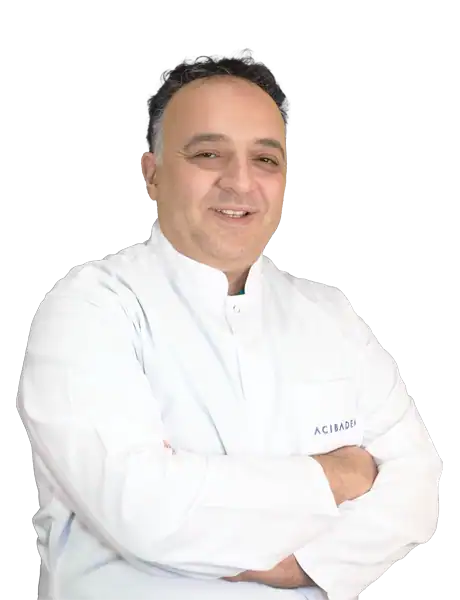
Prof. Dr. Mehmet Veli Karaaltın
Aesthetic Plastic & Reconstructive Surgery
Prof. Dr. Bülent Saçak
Aesthetic Plastic & Reconstructive Surgery
Prof. Dr. Ersin Ülkür
Aesthetic Plastic & Reconstructive Surgery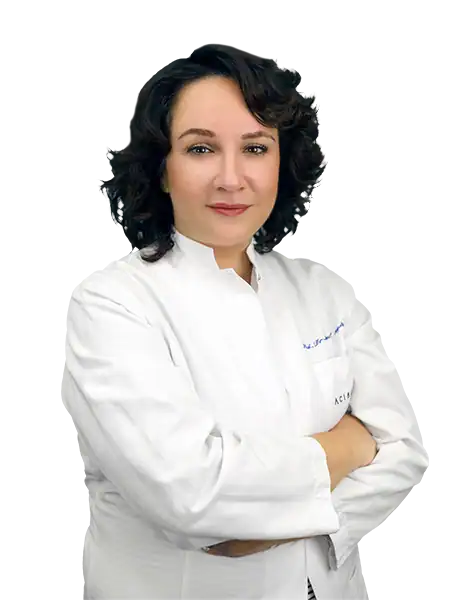
Prof. Dr. Çiğdem Ünal Gülmeden
Aesthetic Plastic & Reconstructive Surgery
Assoc. Prof. Dr. Erdem Güven
Aesthetic Plastic & Reconstructive Surgery
Assoc. Prof. Dr. Ahmet Küçükçelebi
Aesthetic Plastic & Reconstructive Surgery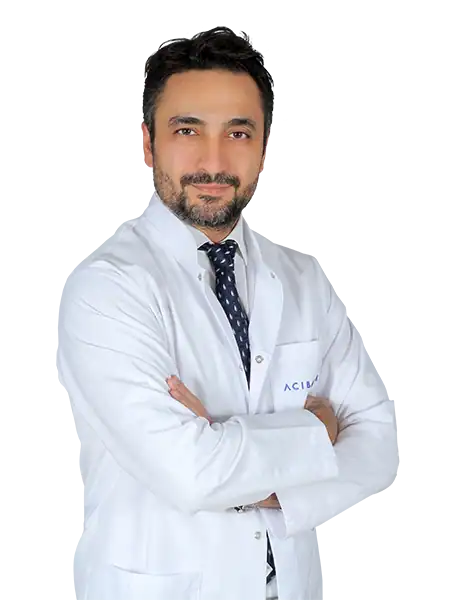
Assoc. Prof. Dr. Mehmet Altıparmak
Aesthetic Plastic & Reconstructive Surgery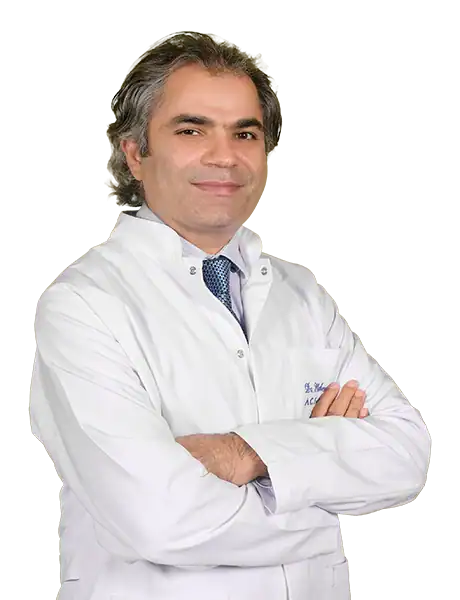
Assoc. Prof. Dr. Mehmet Sağır
Aesthetic Plastic & Reconstructive Surgery
Asst. Prof. Dr. Berkhan Yılmaz
Aesthetic Plastic & Reconstructive Surgery
Dr. Ayşe İrem İskenderoğlu
Aesthetic Plastic & Reconstructive Surgery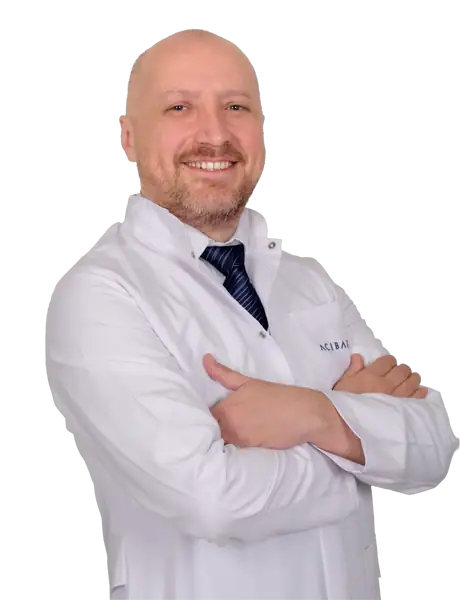
Dr. Şenol Durukan
Aesthetic Plastic & Reconstructive Surgery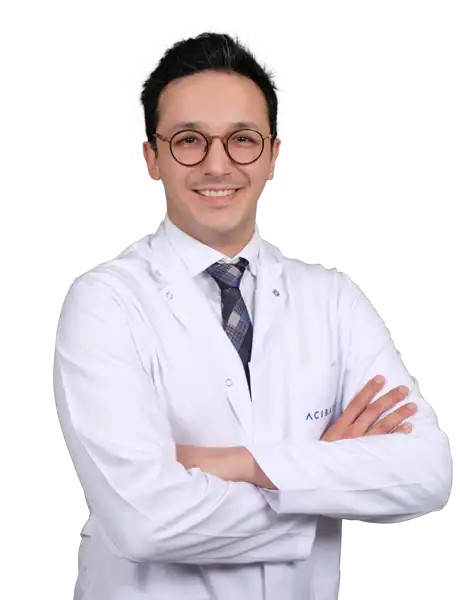
Dr. Serkan Tokgönül
Aesthetic Plastic & Reconstructive Surgery
Dr. Münür Selçuk Kendir
Aesthetic Plastic & Reconstructive Surgery
Dr. Nargız Ibrahımlı
Aesthetic Plastic & Reconstructive Surgery
Dr. Okan Acicbe
Aesthetic Plastic & Reconstructive Surgery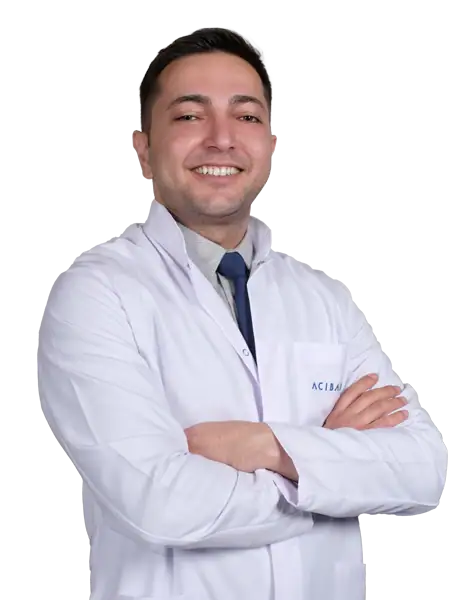
Dr. Turgut Furkan Kuybulu
Aesthetic Plastic & Reconstructive Surgery
Dr. Nuri Soysal
Aesthetic Plastic & Reconstructive Surgery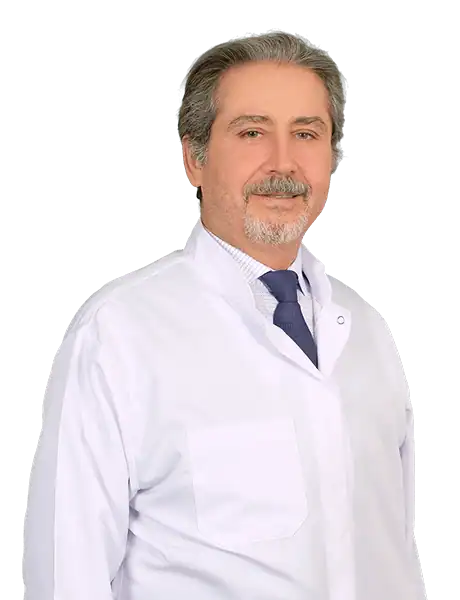
Dr. Nezail Demirciler
Aesthetic Plastic & Reconstructive Surgery
Dr. Mithat Ulay
Aesthetic Plastic & Reconstructive Surgery
Dr. Mahmut Özyılmaz
Aesthetic Plastic & Reconstructive Surgery
Dr. Umut Özbebit (m)
Aesthetic Plastic & Reconstructive Surgery
Dr. Cem Öz
Aesthetic Plastic & Reconstructive SurgeryMedical Units
Available at These Hospitals