Best Doctors for LASIK Eye Surgery: How to Choose Safely

Choose an ophthalmologist with experience in refractive surgery and a clear process for evaluating candidacy. A detailed pre-operative eye examination is essential because LASIK is not suitable for every prescription or corneal shape.
Key Takeaways
- Choose an ophthalmologist with experience in refractive surgery and a clear process for evaluating candidacy.
- A detailed pre-operative eye examination is essential because LASIK is not suitable for every prescription or corneal shape.
- LASIK can reduce dependence on glasses or contact lenses, but it does not guarantee perfect vision or prevent age-related vision changes.
- Dry eye symptoms, glare, halos and vision fluctuations are common early after surgery; serious complications are uncommon but possible.
- Patients should seek urgent eye care for severe pain, rapidly worsening vision, marked redness or injury after eye surgery.
The best doctors for LASIK eye surgery are not defined by advertising claims or a single technology, but by appropriate specialist training, careful eligibility screening, transparent discussion of risks and reliable follow-up care. A safe decision begins with a comprehensive eye examination and a surgeon who is willing to advise against LASIK when it is not the right option.
Overview: Choosing a LASIK Doctor Safely
The best doctors for LASIK eye surgery are ophthalmologists who combine refractive-surgery expertise with a careful, patient-centred approach. They should assess whether LASIK is appropriate for the individual eye, explain expected benefits and limitations in plain language, discuss alternatives, and provide a clear plan for post-operative care.
LASIK, short for laser-assisted in situ keratomileusis, is a laser vision correction procedure that reshapes the cornea, the clear front surface of the eye. Changing the corneal shape can help light focus more accurately on the retina, reducing dependence on glasses or contact lenses for short-sightedness, long-sightedness and some forms of astigmatism.
It is reasonable to compare surgeons and clinics, but a high-quality consultation is more important than promises of “perfect” vision. A responsible clinician may recommend another option, postpone surgery, or advise against laser correction altogether if examination findings suggest that the likely risks outweigh the benefits.
How to Choose the Best LASIK Surgeon?
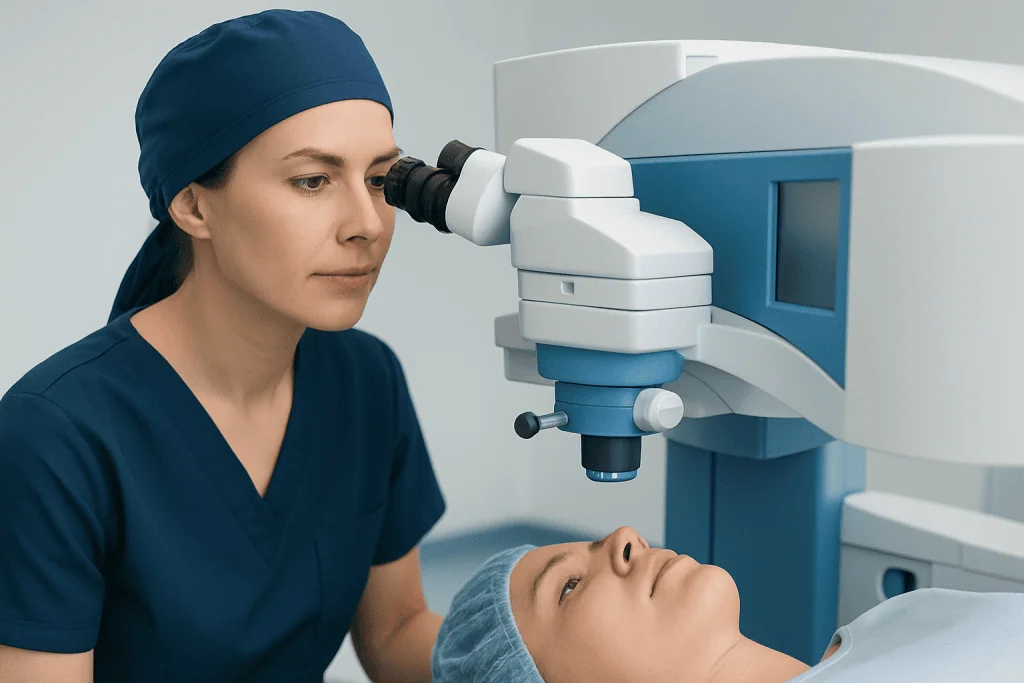
When considering how to choose a LASIK surgeon, patients should first confirm that the clinician is a licensed ophthalmologist and has training and experience in corneal and refractive surgery. Ophthalmologists are medical doctors who diagnose and treat eye conditions and perform eye surgery. It can be helpful to ask how frequently the surgeon performs refractive procedures and which procedures they offer, while remembering that experience alone does not replace individual assessment.
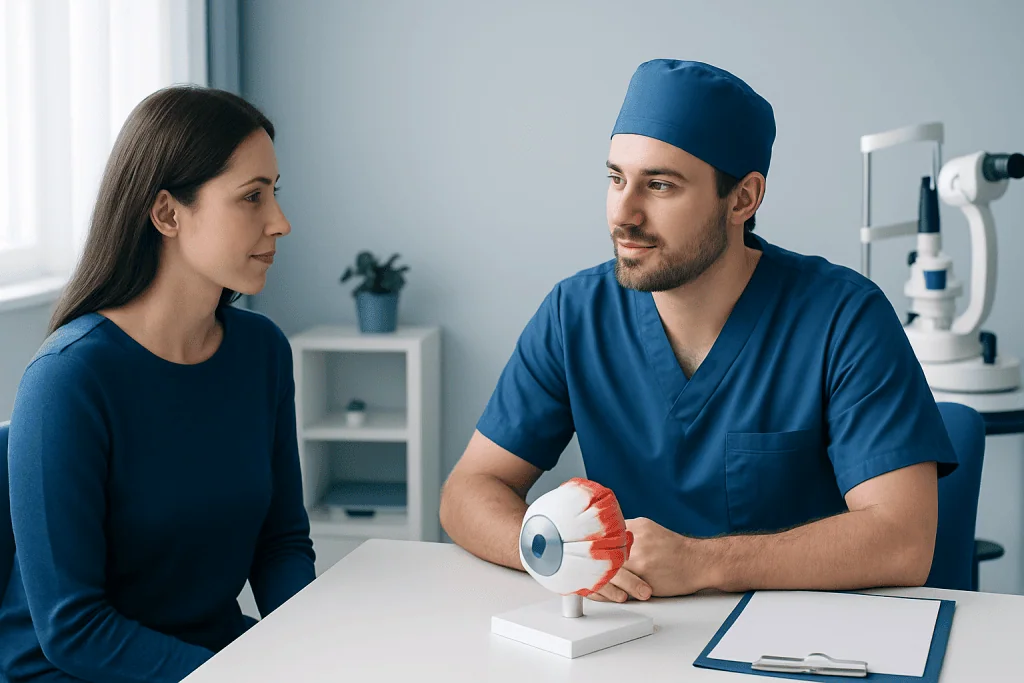
A suitable consultation should include detailed measurements of the cornea, refraction, pupil size, eye pressure and tear film, as well as a review of eye and general medical history. The surgeon should explain the results, identify any concerns such as dry eye or a thin or irregular cornea, and discuss whether LASIK, another laser procedure, a lens-based option, or no surgery is most appropriate.
Questions that may help when deciding how to choose a LASIK doctor or provider include:
- Who will perform the surgery and provide follow-up care?
- What tests are used to assess corneal shape, thickness and eye surface health?
- What results are realistic for this prescription and age group?
- What are the likely side effects, less common complications and available alternatives?
- How are concerns managed outside routine follow-up appointments?
Patients searching for the best LASIK doctors in the US or elsewhere should be cautious about choosing solely on location, promotional claims or the newest machine. The best match is a qualified surgeon who evaluates the whole eye and supports informed decision-making rather than pressuring a person to proceed.
How LASIK Works and Who May Be a Candidate
During LASIK, the surgeon creates a very thin flap in the cornea using a laser or, less commonly, a mechanical device. The flap is gently lifted, and an excimer laser removes a precisely calculated amount of corneal tissue beneath it. The flap is then repositioned, where it adheres naturally as healing begins.
Potential candidates are generally adults with a stable glasses or contact lens prescription and healthy eyes. Stability matters because surgery corrects the prescription measured at the time of treatment; if the prescription is still changing, the visual result may not remain suitable. A comprehensive examination also checks whether the cornea has sufficient thickness and a regular shape for safe reshaping.
LASIK is one type of refractive surgery, not the only option. Depending on the eye examination, clinicians may discuss surface laser procedures, implantable lenses or lens replacement surgery. A discussion of laser eye surgery options should focus on the procedure that best fits the person’s corneal findings, prescription, lifestyle needs and long-term eye health.
What Disqualifies You for LASIK Surgery?
Several findings can make LASIK unsuitable or mean that it should be delayed. Examples include an unstable prescription, significant dry eye disease, a cornea that is too thin for the planned correction, or an irregular corneal shape. Conditions such as keratoconus, in which the cornea progressively thins and bulges, require specialist evaluation because LASIK can weaken an already vulnerable cornea.
Other reasons to postpone or avoid LASIK may include active eye infection or inflammation, poorly controlled eye disease, certain retinal disorders, uncontrolled diabetes, pregnancy or breastfeeding, and medical conditions or medicines that may affect healing. Contact lens wear can temporarily alter corneal measurements, so the clinic may ask patients to stop wearing lenses for a specified period before assessment.
Having a high prescription does not automatically rule out treatment, but it can affect which procedure is safest and most likely to achieve a useful result. People with persistent eye discomfort should have dry eye assessed and treated before considering surgery; guidance on dry eye syndrome may be relevant when symptoms include burning, grittiness, fluctuating vision or excessive tearing.
Disqualification is not a failure or a missed opportunity. It is often an important safety finding. A trustworthy surgeon will explain why LASIK is not advised and may recommend observation, treatment of the eye surface, or an alternative form of vision correction.
The LASIK Procedure: Step by Step
Before surgery, the patient’s measurements and treatment plan are reviewed. Numbing eye drops are used, and the person remains awake. The eyelids are held gently open with a small instrument, and the surgeon asks the patient to look at a fixation light while the laser system tracks eye movements.
The corneal flap is created and lifted, then the excimer laser reshapes the underlying cornea. The laser treatment itself usually lasts a short time, although total time in the procedure room is longer because of preparation and safety checks. The flap is returned to its original position without stitches.
Vision is often hazy immediately afterwards, and the eyes may feel watery, light-sensitive or irritated for the first hours. Patients need someone else to take them home and should follow all instructions about protective shields, prescribed eye drops, hand hygiene and activity restrictions. Follow-up visits are an essential part of treatment, not an optional extra.
Benefits, Risks and Recovery Timeline
The main potential benefit of LASIK is reduced reliance on glasses or contact lenses. Many people achieve useful distance vision after healing, but outcomes vary with the starting prescription, corneal characteristics, age and other eye conditions. Some people still need glasses for particular tasks, such as night driving or reading small print.
Early recovery commonly includes blurred or fluctuating vision, glare around lights, halos, sensitivity to light and dry eye symptoms. Many patients notice improvement within days, while vision and eye comfort may continue to stabilize over weeks to months. The treating clinician will advise when it is safe to return to work, exercise, swimming, eye makeup and contact sports.
Possible complications include undercorrection or overcorrection, residual astigmatism, persistent dry eye, reduced quality of vision in dim light, flap-related problems, inflammation or infection. Rarely, vision can be affected more seriously. Enhancements may be considered in selected cases after healing, but they are not suitable for everyone and should not be assumed to be necessary or available.
Careful pre-operative screening reduces avoidable risk but cannot remove all uncertainty. Patients should read and discuss the consent information, share their complete medical history, and allow enough time to consider the decision before scheduling surgery.
What I Wish I Knew Before LASIK?
Many people later say they wish they had understood that LASIK is elective surgery rather than a guaranteed route to lifelong perfect vision. It can provide freedom from glasses or contact lenses for many daily activities, but it does not stop natural changes in the eye, including presbyopia, the age-related reduction in near focusing ability.
It is also useful to know that dry eye symptoms can become more noticeable after treatment, especially in the first months. People who already have dry eye, spend long periods using screens, use contact lenses often, or live in dry environments should mention this during assessment. Optimising eye surface health before surgery can improve comfort and measurement accuracy.
Patients should ask how their everyday priorities may be affected. For example, someone who drives frequently at night may want detailed counselling about night-vision symptoms, while someone who enjoys close work may need to plan for reading glasses later in life. A good surgeon welcomes these questions and gives time for a considered choice.
At What Age Is LASIK Not Worth It? When to Seek Medical Care
There is no single age at which LASIK is automatically “not worth it.” Suitability is based more on prescription stability, corneal health, lens clarity, dry eye status and visual goals than on age alone. However, from the 40s onward, many adults develop presbyopia and may need reading glasses even after successful distance LASIK. Later in life, changes such as cataracts may become more relevant than corneal laser correction.
For some older adults, a lens-based approach may be discussed when it better matches their vision needs or early lens changes. The decision should be individualised after a full eye examination, particularly for people with diabetes, glaucoma, retinal disease or a history of eye surgery.
Urgent medical assessment is needed after LASIK for severe or increasing eye pain, a sudden drop in vision, significant redness, pus-like discharge, increasing light sensitivity, new flashes or a curtain-like shadow in the vision. These symptoms do not always indicate a serious complication, but prompt assessment can protect vision.
Acibadem International’s multidisciplinary specialists and JCI-accredited hospitals assess and treat eye conditions for international patients, including those considering refractive procedures. A consultation with a qualified ophthalmologist can help determine whether LASIK or another approach is appropriate.
Frequently asked questions
How do I choose the best LASIK doctor?
Choose a licensed ophthalmologist with refractive-surgery experience who performs a comprehensive eye examination before recommending treatment. The surgeon should explain candidacy, alternatives, likely benefits, side effects and follow-up arrangements without making guarantees. It is reasonable to seek a second opinion if the recommendation is unclear or feels rushed.
Can an optometrist perform LASIK surgery?
LASIK is performed by an ophthalmologist trained in eye surgery. Optometrists play an important role in eye examinations, contact lens care and, in some settings, pre-operative or post-operative co-management. The operating surgeon should be clearly identified before treatment.
What disqualifies someone from LASIK?
Common concerns include an unstable prescription, severe dry eye, thin or irregular corneas, keratoconus, active eye inflammation and certain medical conditions that affect healing. Pregnancy and breastfeeding may also lead clinicians to postpone assessment or surgery because vision and refraction can change. A detailed examination is needed to determine individual eligibility.
At what age is LASIK not worth it?
There is no fixed upper age limit, but age-related near-vision changes commonly begin in the 40s and cataracts become more relevant later in adulthood. LASIK can still be appropriate for selected older adults, yet it may not eliminate the need for reading glasses. A clinician can discuss whether corneal laser surgery, lens-based surgery or glasses better suits the person’s goals.
How long does LASIK recovery take?
Many people notice improved vision within one or several days, although vision may fluctuate early on. Dryness, glare and light sensitivity can take weeks or months to settle fully. Recovery instructions and follow-up timing vary, so patients should follow their own surgeon’s advice.
Does LASIK last forever?
LASIK permanently changes the shape of the cornea, but it cannot prevent later changes in the rest of the eye. A person may develop presbyopia, cataracts or a new prescription over time. Some people continue to use glasses for reading, night driving or particular activities.
This article is for general information only and is not a substitute for professional medical advice. Please consult a qualified doctor about your individual situation.
Eye Surgery in Turkey — costs, top hospitals & a free quote
JCI-accredited · board-certified surgeons · reply within 24h
Add us as a Preferred Source to see more of our trusted health content across Google Search, AI Overviews and Discover.

Ophthalmology
Comprehensive eye care from laser vision correction to retina, cornea and cataract surgery.
75 specialists in this unitMore from the Health Library

Tricuspid Valve Leaflets: An Evidence-Based Patient Guide

Ciliary Injection: How It Works, Results and What to Expect

Cost of Lung Cancer Screening Cost: What Patients Really Pay

Can a Man Produce Sperm after Prostate Radiation: How It Works, Results and What to Expect

Physical Therapy in Hospice Care: How It Works, Results and What to Expect