Chemo for Skin Cancer: How It Works, Results and What to Expect
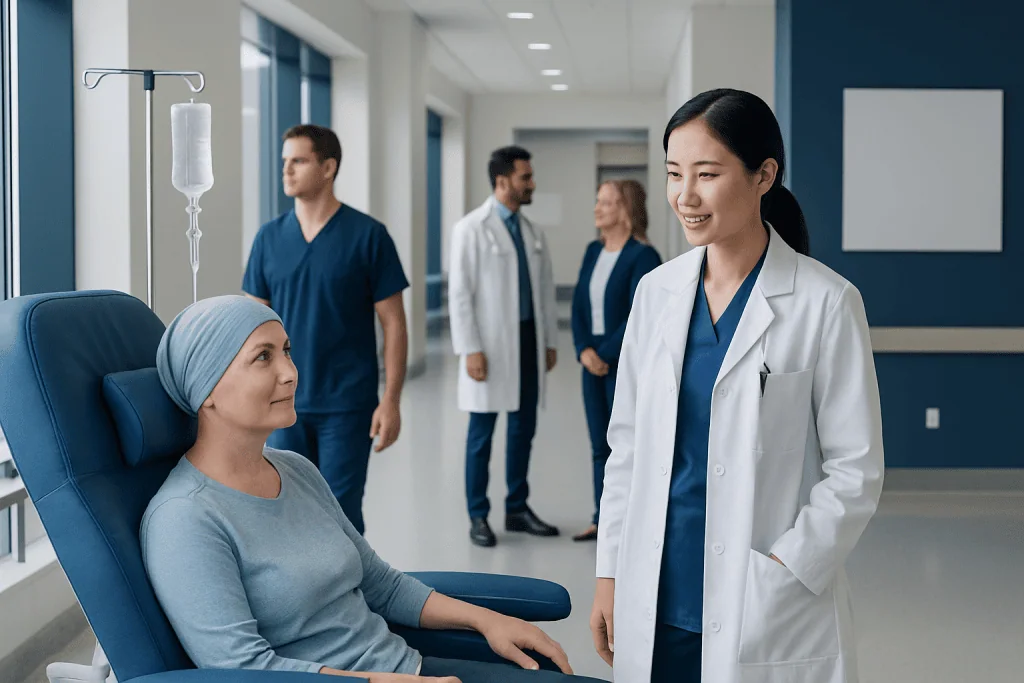
Chemotherapy is used less often than surgery for early skin cancer but may have an important role in advanced or recurrent disease. Treatment may be topical, injected into a lesion, or given throughout the body by tablet or intravenous infusion.
Key Takeaways
- Chemotherapy is used less often than surgery for early skin cancer but may have an important role in advanced or recurrent disease.
- Treatment may be topical, injected into a lesion, or given throughout the body by tablet or intravenous infusion.
- The best treatment depends on the skin cancer type, stage, location, previous treatments and a person’s overall health.
- Modern treatment plans may include surgery, radiation therapy, immunotherapy, targeted therapy or chemotherapy.
- New, changing or non-healing skin lesions should be assessed promptly by a qualified clinician.
Chemo for skin cancer uses medicines that destroy or slow rapidly dividing cancer cells. It is not needed for most early skin cancers, but it can be helpful when disease is advanced, has spread, returns after treatment, or cannot be managed with surgery alone.
Overview: What chemo for skin cancer involves
Chemo for skin cancer means treatment with medicines that damage cancer cells or stop them from multiplying. Depending on the cancer type and extent, chemotherapy may be applied directly to the skin, injected into a tumor, taken by mouth, or delivered into a vein so it can circulate through the body. The goal may be to cure a localized cancer, reduce the chance of recurrence, control cancer that has spread, or relieve symptoms.
Most basal cell and squamous cell skin cancers are found early and can be successfully treated with procedures such as excision or Mohs surgery. Melanoma is also usually treated first with surgery when it is localized. Chemotherapy is therefore not a routine first treatment for every skin cancer. For some advanced cancers, newer systemic treatments, including immunotherapy and targeted medicines, are often preferred because they can be more effective for particular tumor types.
Skin cancer is not one disease. Its behavior and treatment differ substantially between basal cell carcinoma, squamous cell carcinoma, melanoma, Merkel cell carcinoma and rarer tumors. A biopsy and careful staging help the clinical team decide whether chemotherapy has a role and how it should fit into an individualized treatment plan.
How chemotherapy works and who may be a candidate
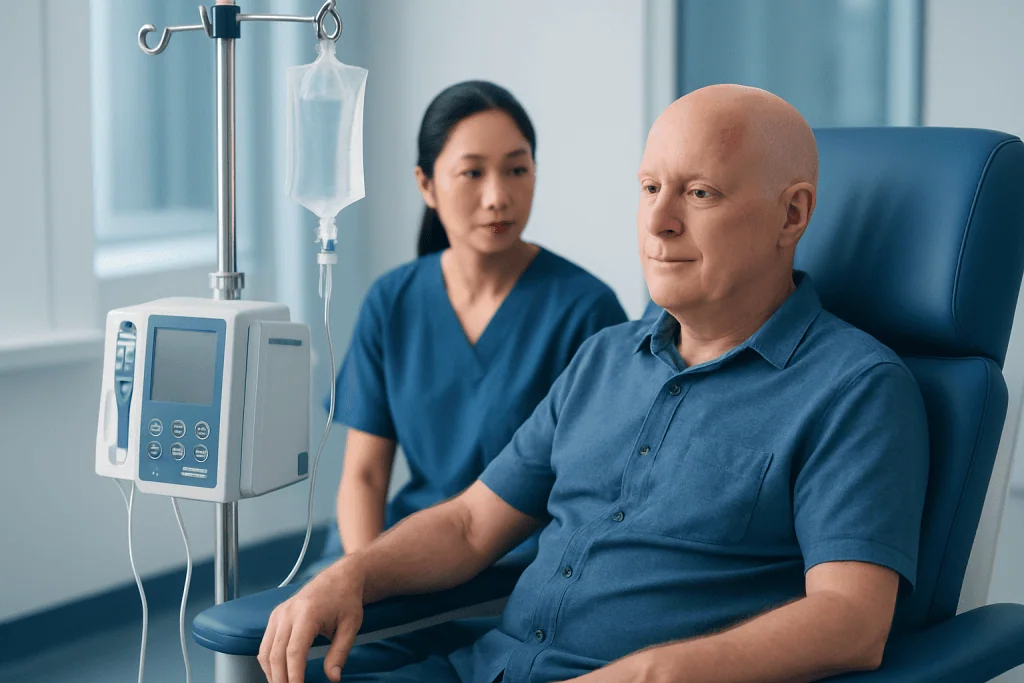
Chemotherapy acts on cells that divide quickly. Because cancer cells often divide more rapidly than many healthy cells, these medicines can shrink tumors or slow their growth. However, some normal tissues also divide quickly, including cells in hair follicles, the digestive tract and bone marrow. This explains why systemic chemotherapy can cause side effects such as fatigue, nausea, hair loss, mouth soreness or lower blood cell counts.
Topical chemotherapy is placed directly on a defined area of skin. It may be considered for selected superficial basal cell cancers, precancerous actinic keratoses, or certain superficial squamous cell cancers in situ. It causes an expected local inflammatory reaction while abnormal cells are being treated. This approach is not appropriate for every lesion, particularly deeper, invasive or high-risk cancers.
Systemic chemotherapy may be considered when cancer has spread to lymph nodes or distant organs, has returned after other treatment, or cannot be removed safely with surgery. It may also be used when immunotherapy or targeted therapy is unsuitable, unavailable, or no longer controls the disease. The oncology team considers the pathology report, scan findings, molecular testing where relevant, symptoms, kidney and liver function, other illnesses, and the person’s goals of care.
- Localized disease: surgery is commonly the main treatment; topical medicine may suit selected superficial lesions.
- Locally advanced disease: surgery, radiation, systemic therapies or combinations may be discussed.
- Metastatic disease: systemic therapy is usually considered, with the exact choice guided by cancer type and tumor features.
What happens before, during and after treatment
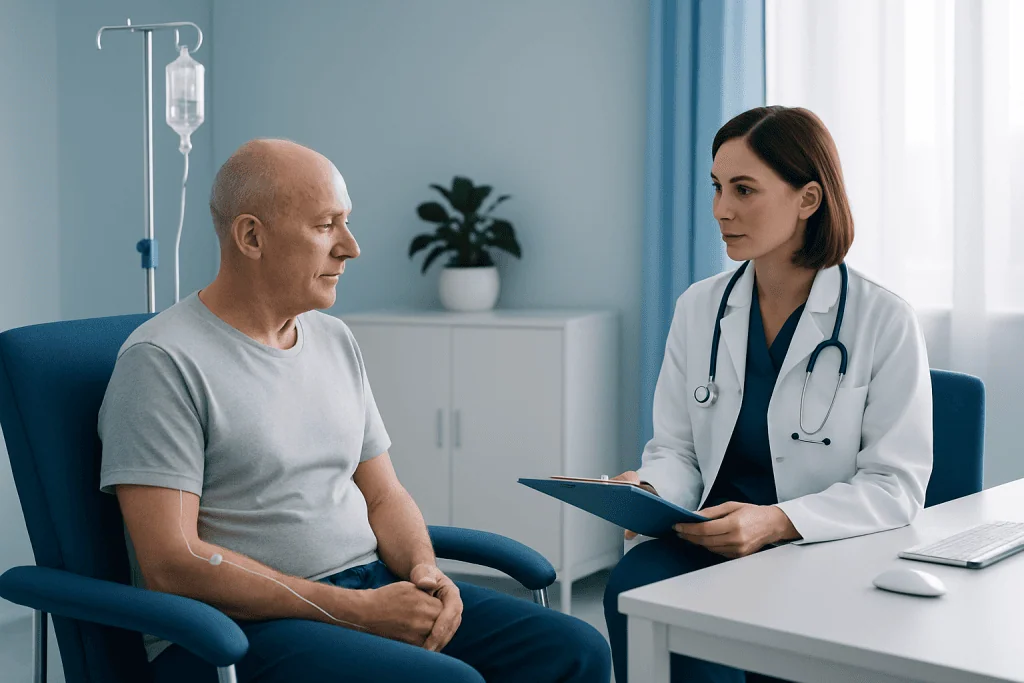
Before systemic treatment starts, the team confirms the diagnosis and stage with a skin biopsy and, when needed, imaging tests. Blood tests establish a baseline for blood counts and organ function. Some cancers, especially melanoma, may undergo biomarker testing because certain tumor changes can guide targeted treatment choices. Patients should tell the team about all prescribed medicines, supplements, allergies, vaccinations and past health conditions.
When chemotherapy is delivered by infusion, treatment is usually organized in cycles. A cycle includes a treatment period followed by time for the body to recover. Infusions are commonly given in an outpatient setting, although the exact schedule varies by medicine and treatment aim. Staff monitor for reactions during treatment and provide medicines to prevent or reduce certain side effects when appropriate.
With topical chemotherapy, a clinician explains where and how to apply the medicine, how long treatment is expected to last, and which skin changes are anticipated. Redness, scaling, crusting, tenderness and temporary erosion can occur in the treated area. The skin should be protected from unnecessary irritation and sun exposure, and the patient should contact the treating clinician if symptoms become severe or there are signs of infection.
Follow-up visits are an essential part of care. The team checks the treatment response through skin examinations, photographs, scans or blood tests when indicated. If a treatment is not working well enough or causes difficult side effects, it may be adjusted or replaced with another approach.
Benefits, limits and possible side effects
The potential benefit of chemo for skin cancer depends on its purpose. For a superficial lesion, topical treatment may avoid a surgical procedure in carefully selected cases. For advanced cancer, systemic chemotherapy may shrink tumors, slow progression, reduce symptoms or help make other local treatments possible. A response can be meaningful even when treatment is not expected to cure the cancer.
It is important to understand the limits. Chemotherapy does not work equally well for all skin cancer types, and response duration can vary. In advanced melanoma and some other cancers, immunotherapy or targeted treatment is now commonly used before conventional chemotherapy in many circumstances. The oncology team explains why a particular option is being recommended and what alternatives may be suitable.
Side effects depend on the medicine, dose, combination treatment and the individual. Possible systemic effects include tiredness, nausea, appetite changes, diarrhea or constipation, mouth sores, hair thinning or loss, numbness or tingling, and increased risk of infection from low white blood cell counts. Not everyone experiences every effect, and many can be prevented, monitored or treated early.
Patients should contact their treatment team urgently for fever, chills, sudden shortness of breath, chest pain, uncontrolled vomiting or diarrhea, confusion, unusual bleeding, or signs of an allergic reaction. The team should also be informed about worsening pain, rapid skin changes or side effects that interfere with eating, drinking, sleep or daily activities.
Is skin cancer cured with chemo?
Skin cancer can sometimes be cured with chemotherapy, but this depends on the cancer type, stage and treatment setting. For many early skin cancers, cure is more commonly achieved with surgery or other local treatments. Topical chemotherapy can clear selected superficial skin cancers or precancerous lesions, but close follow-up is still needed to confirm complete response and identify recurrence.
For cancer that has spread or cannot be fully removed, systemic chemotherapy is often used to control disease rather than promise a cure. Some people have a strong or long-lasting response, while others may need a change in treatment. The treating oncology team can explain the realistic goal of treatment based on the individual diagnosis.
Even after successful treatment, regular skin examinations and sun-protective habits remain important. People who have had one skin cancer have a higher likelihood of developing another, so monitoring helps detect new lesions at an earlier, more treatable stage.
What are good signs that chemo is working?
For a visible skin tumor, possible signs that treatment is working can include a lesion becoming smaller, flatter, less firm, less painful, less likely to bleed, or less inflamed. With topical treatment, redness and crusting may occur as the medication affects abnormal cells, but the appearance of the treated skin alone cannot reliably prove that all cancer cells are gone.
For disease beneath the skin or in other parts of the body, response is assessed with clinical examinations and imaging performed at planned intervals. A scan may show that tumors have shrunk, disappeared, remained stable, or grown. Stable disease can be a meaningful result in some advanced cancers, particularly if symptoms are controlled and treatment remains tolerable.
Side effects are not a reliable measure of effectiveness. Having few side effects does not mean chemotherapy is failing, and severe side effects do not mean it is working better. Patients should attend all planned assessments and report changes rather than trying to judge response alone.
Recovery, prevention and the 2 week rule for skin cancer
Recovery differs between topical and systemic chemotherapy. After topical treatment, the skin may remain red, dry or sensitive for days to weeks after the course ends, then gradually heal. A clinician may recommend gentle skin care, sun protection and a review visit. The final cosmetic appearance can take longer to settle.
After an infusion, some effects occur within hours or days, while fatigue or lower blood counts may develop later in the cycle. Recovery time varies by regimen and person. Rest, adequate fluids, regular nourishing meals as tolerated, infection precautions when advised, and prompt communication about symptoms can support recovery. Medication changes or supportive treatment may be used when side effects become difficult.
What is the 2 week rule for skin cancer? The phrase commonly refers to seeking medical assessment for a skin sore, scab, ulcer, lump or patch that has not healed within about two weeks, particularly if it bleeds, grows, changes color, becomes painful or repeatedly crusts. It is a practical reminder rather than a diagnosis: many non-cancerous conditions can take longer to heal, but persistent skin changes deserve professional review.
Prevention also matters after treatment. Broad-spectrum sunscreen, protective clothing, shade during strong sunlight, avoiding tanning beds and checking the skin regularly can reduce ultraviolet exposure and support earlier detection. Any new, changing or suspicious lesion should be assessed rather than treated at home without a diagnosis.
How long will a person live with skin cancer? When to seek medical care
How long will a person live with skin cancer? There is no single answer because outlook depends on the exact cancer type, stage, thickness or depth where relevant, spread to lymph nodes or other organs, tumor biology, overall health and response to treatment. Most basal cell and squamous cell skin cancers found early are highly treatable. Advanced melanoma, Merkel cell carcinoma and other cancers require specialist assessment, but treatment options continue to expand and prognosis should be discussed personally with the oncology team.
Medical care should be sought promptly for a new or changing mole; an asymmetrical lesion; irregular borders; varied color; increasing size; a spot that bleeds, itches or hurts; or a sore that does not heal. Anyone receiving chemotherapy should contact their care team urgently for fever or signs of infection, unexpected bleeding, severe dehydration, breathing difficulty, chest pain, or a rapidly worsening rash or skin wound.
People may benefit from care coordinated among dermatology, surgical oncology, medical oncology, radiation oncology, pathology and supportive-care professionals. Acibadem International’s multidisciplinary specialists and JCI-accredited hospitals diagnose and treat skin cancer for international patients, with care plans tailored to the cancer type and individual needs.
Frequently asked questions
Is chemotherapy commonly used for skin cancer?
Chemotherapy is not commonly needed for most early skin cancers because surgery and other local treatments are often effective. It may be used as a topical medicine for selected superficial lesions or as systemic treatment for advanced, recurrent or metastatic disease. The cancer type and stage determine whether it is appropriate.
Can topical chemotherapy treat skin cancer?
Topical chemotherapy may be used for certain superficial basal cell cancers, squamous cell carcinoma in situ, or precancerous actinic keratoses. It is applied to the skin and can cause temporary redness, irritation, crusting and soreness. A biopsy and clinical assessment are needed because deeper or aggressive cancers usually require another treatment approach.
Does chemotherapy cause hair loss in people with skin cancer?
Some systemic chemotherapy medicines can cause hair thinning or hair loss, while others do not. Topical chemotherapy generally affects the treated skin area rather than causing generalized hair loss. The oncology team can explain the likely effects of the specific medicine being considered.
How is the response to chemotherapy for skin cancer checked?
Clinicians assess response with skin examinations and, when needed, photographs, scans and blood tests. Visible tumors may become smaller or less symptomatic, but appearance alone is not always enough to confirm a response. Planned follow-up is the most reliable way to assess whether treatment is helping.
Can skin cancer return after chemotherapy?
Yes, a skin cancer can return after chemotherapy or another treatment, depending on the cancer type and how advanced it was. Recurrence does not mean that no options remain; further surgery, radiation, immunotherapy, targeted treatment or another systemic treatment may be considered. Regular follow-up helps identify recurrence early.
When should someone contact the chemotherapy team urgently?
Urgent contact is needed for fever, chills, breathing difficulty, chest pain, confusion, unusual bleeding, uncontrolled vomiting or diarrhea, or inability to drink enough fluids. A person should also report a rapidly worsening rash, painful skin reaction, or signs of infection. The treatment team provides specific emergency contact instructions before therapy begins.
References
- American Cancer Society
- National Cancer Institute
- American Academy of Dermatology Association
- National Comprehensive Cancer Network
- World Health Organization
This article is for general information only and is not a substitute for professional medical advice. Please consult a qualified doctor about your individual situation.
Skin Cancer in Turkey — costs, top hospitals & a free quote
JCI-accredited · board-certified surgeons · reply within 24h
Add us as a Preferred Source to see more of our trusted health content across Google Search, AI Overviews and Discover.