Childhood Leukemia
Childhood Leukemia is a blood cancer in children. Learn symptoms, causes, diagnosis, treatment options, and when to seek care.
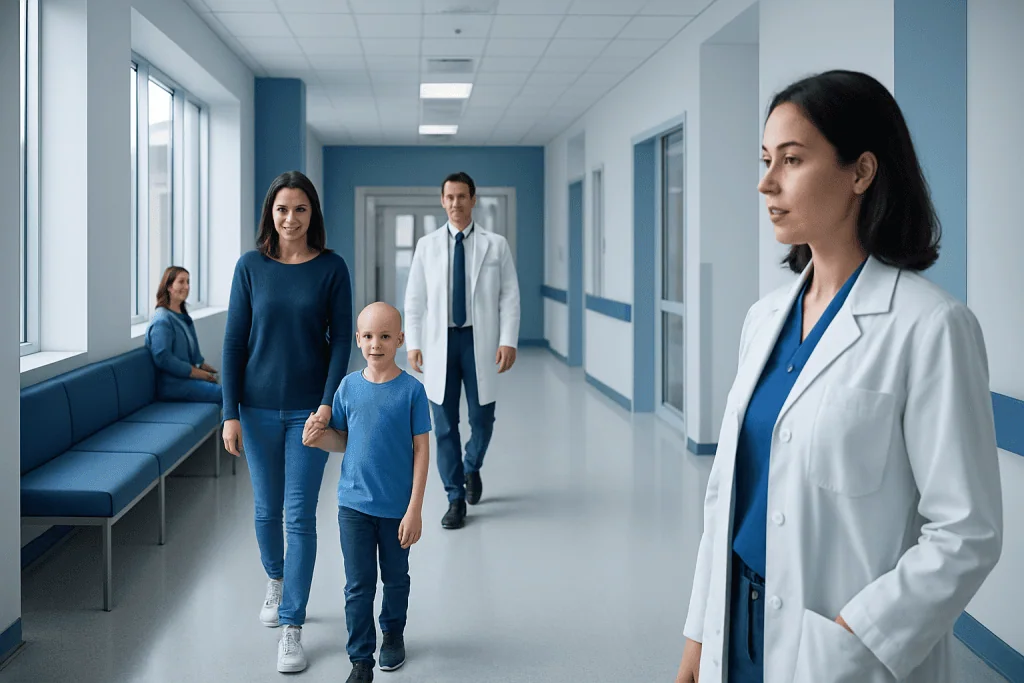
Quick answer
Childhood leukemia is a cancer of the blood and bone marrow in which abnormal white blood cells grow uncontrollably and interfere with normal blood cell production. In Turkey, evaluation and treatment at Acibadem are planned by pediatric hematology and oncology specialists and may include blood and bone marrow tests, imaging, chemotherapy, targeted therapies, stem cell transplantation, and supportive care according…
Childhood Leukemia is a cancer of the blood-forming tissues, usually the bone marrow, that causes abnormal white blood cells to grow and crowd out healthy blood cells. It is the most common type of cancer in children and is usually treated by pediatric oncology specialists using carefully planned therapies.
Overview
Childhood Leukemia is a cancer of the blood and bone marrow, the soft tissue inside bones where blood cells are made. In leukemia, immature white blood cells become abnormal and multiply in an uncontrolled way. These leukemia cells can crowd out healthy red blood cells, white blood cells, and platelets, which are needed for oxygen transport, fighting infection, and normal clotting.
The main types of leukemia in children are acute lymphoblastic leukemia, often called ALL, and acute myeloid leukemia, often called AML. Acute leukemias usually develop and progress more quickly than chronic forms, so early medical assessment is important. Chronic leukemia is much less common in children but can occur.
Childhood Leukemia is not one single disease. The exact type, cell features, genetic changes, and response to early treatment all help doctors choose the most appropriate care plan. Pediatric hematology-oncology teams use detailed testing to classify the disease and monitor how well treatment is working.
Symptoms
Childhood leukemia symptoms often happen because abnormal leukemia cells reduce the number of healthy blood cells. Low red blood cells may cause tiredness, pale skin, shortness of breath, or dizziness. Low platelets may lead to easy bruising, frequent nosebleeds, bleeding gums, or tiny red or purple spots on the skin. Low healthy white blood cells can make infections more frequent or harder to clear.
Some children develop fever, night sweats, loss of appetite, weight loss, swollen lymph nodes, or a swollen abdomen due to enlargement of the liver or spleen. Bone or joint pain can occur when leukemia cells build up in the bone marrow. A child may limp, avoid walking, or complain of pain in the legs, arms, or back.
Symptoms can look similar to common childhood illnesses, injuries, or infections, which is why medical evaluation is needed rather than self-diagnosis. Warning signs that deserve prompt attention include:
- Persistent or unexplained fever
- Unusual tiredness, paleness, or weakness
- Frequent infections or infections that do not improve as expected
- Easy bruising, bleeding, or small pinpoint skin spots
- Ongoing bone pain, joint pain, limping, or swelling
- Unexplained weight loss or swollen lymph nodes
Causes & Risk Factors
In most children, leukemia develops when changes occur in the DNA of blood-forming cells. These changes affect how cells grow, mature, and die. The exact reason these genetic changes happen is often not known, and most children diagnosed with leukemia have no clear preventable cause.
It is important for families to know that Childhood Leukemia is generally not caused by normal parenting choices, minor childhood illnesses, vaccines, diet, or everyday play. It is also not contagious, so it cannot be passed from one child to another through contact, school, or shared activities.
Some factors may increase the risk in a small number of children. These include certain inherited genetic conditions, a history of high-dose radiation exposure, previous treatment with some cancer therapies, and having a close family history of specific blood cancers in rare situations. Children with immune system disorders or certain chromosomal conditions may also need closer medical follow-up.
Having a risk factor does not mean a child will develop leukemia, and having no risk factors does not rule it out. Because symptoms may be nonspecific, doctors rely on clinical assessment and laboratory testing to understand what is happening.
Diagnosis
Diagnosis begins with a medical history and physical examination. The doctor may ask about fever, infections, bruising, bleeding, pain, energy level, weight changes, and family history. The examination may check for pale skin, swollen lymph nodes, tenderness in bones or joints, bruising, and enlargement of the liver or spleen.
Blood tests are usually the first step. A complete blood count can show whether red blood cells, white blood cells, or platelets are abnormal. A blood smear allows specialists to look at blood cells under a microscope. Abnormal results do not always mean leukemia, but they help decide whether urgent specialist evaluation is needed.
If leukemia is suspected, a bone marrow aspiration and biopsy are commonly performed to confirm the diagnosis and identify the leukemia type. Additional tests may include flow cytometry, cytogenetic testing, molecular testing, and other laboratory studies that detect cell markers and genetic changes. These results help guide treatment decisions and provide information about risk grouping.
Doctors may also use imaging tests, lumbar puncture to check cerebrospinal fluid, and organ function tests when needed. These tests help determine whether leukemia cells are present in specific areas, assess the child’s overall health, and prepare safely for treatment.
Treatment Options
Childhood Leukemia treatment is planned by pediatric oncology specialists after a detailed assessment of the leukemia type, test results, the child’s age and health, and how the disease responds to initial therapy. The goal is to destroy leukemia cells, restore healthy blood cell production, prevent recurrence, and support the child through treatment as safely as possible.
Chemotherapy is a major treatment category for many children with leukemia. Treatment is often given in phases, which may include early intensive therapy, consolidation treatment, and maintenance therapy depending on the leukemia type. Some children may also receive targeted therapy, which acts on specific changes in leukemia cells, or immunotherapy, which helps the immune system recognize and attack cancer cells.
Stem cell transplant may be considered for selected children, especially in higher-risk disease, relapse, or certain leukemia subtypes. This treatment replaces diseased or damaged bone marrow with healthy blood-forming stem cells from a suitable donor or other appropriate source. It is a complex therapy and is considered only after specialist review of potential benefits and risks.
Supportive care is an essential part of treatment. It may include transfusions, infection prevention and treatment, nutritional support, pain control, management of nausea, psychological support, physical rehabilitation, and careful monitoring of the heart, kidneys, liver, and other organs. In certain situations, radiotherapy or surgery may be used for specific complications or treatment needs, but the right approach is always decided by specialists after individual assessment.
Living With / Prognosis
Living with Childhood Leukemia affects the whole family, not only the child. Treatment may require frequent hospital visits, blood tests, medicines, and periods when infection prevention is especially important. Families are usually taught how to recognize fever, bleeding, dehydration, medication side effects, and other concerns that need medical advice.
Many children continue aspects of school, play, and social development during treatment, but routines may need adjustment. The care team can advise on attendance, activity level, nutrition, vaccinations, and contact with others, based on the child’s immune status and treatment phase. Emotional support, age-appropriate explanations, and help from teachers, counselors, and child-life specialists can make treatment easier to navigate.
The prognosis depends on the type of leukemia, genetic features of the leukemia cells, the child’s age and general health, early treatment response, and whether the leukemia is newly diagnosed or has returned. Doctors avoid making assumptions based on symptoms alone and use repeated testing to monitor response. Long-term follow-up is important to watch for late effects, support growth and development, and maintain overall health after treatment.
For international patients, Acibadem International offers evaluation and treatment for childhood blood cancers through multidisciplinary pediatric oncology teams in JCI-accredited hospitals. Families should always discuss diagnosis, treatment choices, travel timing, and follow-up needs with the treating specialist.
When to See a Doctor
A child should be seen by a doctor if symptoms such as persistent fever, unusual tiredness, repeated infections, unexplained bruising, bleeding, pale skin, bone pain, joint pain, swollen lymph nodes, or weight loss continue without a clear explanation. These symptoms do not always mean leukemia, but they should be checked, especially when they are new, worsening, or occurring together.
Urgent medical care is needed if a child has fever with known or suspected low immunity, heavy bleeding, severe weakness, difficulty breathing, confusion, severe headache, repeated vomiting, severe pain, or signs of dehydration. Children already receiving leukemia treatment should follow the emergency instructions provided by their oncology team, as fever or infection may need immediate assessment.
Parents and caregivers should trust their concerns. If a child seems unusually unwell or is not recovering as expected, a medical review is appropriate. Early evaluation can identify leukemia or another condition that needs treatment and can help the family receive clear guidance.
Frequently asked questions
What is Childhood Leukemia?
Childhood Leukemia is a cancer that begins in the bone marrow, where blood cells are made. It causes abnormal white blood cells to multiply and interfere with healthy red blood cells, white blood cells, and platelets. The most common types in children are acute lymphoblastic leukemia and acute myeloid leukemia.
What are the early symptoms of childhood leukemia?
Early symptoms may include tiredness, pale skin, fever, frequent infections, easy bruising, nosebleeds, bone pain, or swollen lymph nodes. These signs can resemble common childhood illnesses, so testing is needed to find the cause. Persistent or unexplained symptoms should be assessed by a doctor.
Is childhood leukemia caused by something parents did?
In most cases, no clear cause is found, and Childhood Leukemia is not caused by normal parenting choices. It is usually related to genetic changes that happen in blood-forming cells, often for reasons that are not fully understood. Families should not blame themselves and should focus on timely diagnosis and care.
How is childhood leukemia diagnosed?
Doctors usually start with a physical examination and blood tests, including a complete blood count and blood smear. If leukemia is suspected, a bone marrow test is commonly performed to confirm the diagnosis and identify the exact type. Specialized laboratory tests help guide treatment planning.
How is childhood leukemia treated?
Treatment depends on the leukemia type, risk features, test results, and the child’s overall health. It may include chemotherapy, targeted therapy, immunotherapy, stem cell transplant, supportive care, or other specialist treatments. The treatment plan is decided by pediatric oncology specialists after a full assessment.
Can children with leukemia go to school or play?
Many children can continue learning and gentle activities at certain times during treatment, but routines often need adjustment. The care team will advise on school attendance, infection precautions, sports, and social contact based on the child’s treatment phase and immune system. Safety guidance may change over time.
When should a child be taken to hospital urgently?
Urgent care is needed for severe weakness, difficulty breathing, heavy bleeding, confusion, severe pain, dehydration, or fever in a child with known or suspected low immunity. Children already receiving leukemia treatment should follow their oncology team’s emergency plan. When in doubt, caregivers should seek medical advice promptly.
References
- World Health Organization
- National Cancer Institute
- American Cancer Society
- Children’s Oncology Group
- European Society for Medical Oncology
This article is for general information only and is not a substitute for professional medical advice. Please consult a qualified doctor about your individual situation.
Treatments for This Condition
Doctors Who Treat This Condition

Prof. Dr. Abdullah Büyükçelik
Medical Oncology
Prof. Dr. Ali Arican
Medical Oncology
Prof. Dr. Aziz Yazar
Medical Oncology
Prof. Dr. Başak Oyan Uluç
Medical Oncology
Prof. Dr. Bülent Karabulut
Medical Oncology
Prof. Dr. Ersin Özaslan
Medical Oncology
Prof. Dr. Faysal Dane
Medical Oncology
Prof. Dr. Gökhan Demir
Medical Oncology
Prof. Dr. Gül Başaran
Medical Oncology
Prof. Dr. Handan Onur Topuzlu
Medical Oncology
Prof. Dr. Hüseyin Engin
Medical Oncology