Brain Aneurysm
Brain Aneurysm explained: symptoms, causes, diagnosis, treatment options and when to seek urgent medical care.

Quick answer
A brain aneurysm is a weakened, bulging area in a blood vessel in the brain that may remain silent or cause serious problems if it leaks or ruptures. Treatment depends on the aneurysm’s size, location, and rupture risk, and at Acibadem in Turkey it is evaluated with advanced brain imaging and managed with close monitoring, endovascular techniques, or microsurgical repair…
A brain aneurysm is a weakened, bulging area in the wall of a blood vessel in the brain. Many brain aneurysms cause no symptoms, but if one leaks or ruptures it can cause bleeding around the brain and requires emergency medical care.
Overview
A brain aneurysm, also called a cerebral aneurysm or intracranial aneurysm, is a weakened area in the wall of an artery in the brain that bulges outward. It can be compared to a small balloon on a blood vessel. The aneurysm itself is not a tumor and is not cancer; it is a structural change in a blood vessel.
Many brain aneurysms are small and remain stable for years without causing symptoms. Some are discovered by chance when a person has a brain scan for headaches, dizziness, trauma or another medical reason. Others may press on nearby nerves or brain structures and cause symptoms, depending on their size and location.
The main concern is that an aneurysm can leak or rupture, allowing blood to enter the space around the brain. This is known as a subarachnoid hemorrhage, a type of stroke that needs immediate medical attention. Although this sounds frightening, it is important to know that not every aneurysm ruptures, and specialists can assess the risk and discuss safe, evidence-based management options.
Symptoms
An unruptured brain aneurysm often causes no symptoms. When symptoms do occur, they may be related to pressure on nearby nerves or brain tissue. Possible symptoms include headache in a specific area, pain above or behind one eye, blurred or double vision, a drooping eyelid, changes in pupil size, facial numbness or weakness, or difficulty with eye movement.
A leaking or ruptured brain aneurysm usually causes sudden and severe symptoms. The most typical warning sign is a sudden, extremely intense headache that reaches peak intensity quickly and feels very different from a person’s usual headaches. Other possible symptoms include nausea or vomiting, a stiff neck, sensitivity to light, fainting, confusion, seizure, weakness or numbness on one side of the body, trouble speaking, or loss of coordination.
Symptoms can overlap with migraine, stroke, meningitis and other neurological conditions, so a medical assessment is essential. A person should not try to determine the cause at home if symptoms are sudden, severe or unusual. Rapid evaluation helps doctors identify whether bleeding has occurred and decide the safest next steps.
Causes & Risk Factors
A brain aneurysm develops when part of an artery wall becomes weaker than normal. Blood pressure inside the vessel can gradually push the weakened area outward, creating a bulge. Aneurysms often form at branching points of arteries, where blood flow naturally creates more stress on the vessel wall.
Some risk factors are related to lifestyle or medical conditions. These include smoking, high blood pressure, heavy alcohol use, use of certain illicit stimulants, and atherosclerosis or other blood vessel disease. Head injury or infection can rarely contribute to aneurysm formation. Controlling blood pressure and avoiding smoking are among the most important general steps to reduce vascular risk.
Other risk factors cannot be changed. Brain aneurysms are more common in adults than in children, and risk can be higher in people with a family history of brain aneurysm, especially when more than one close relative is affected. Certain inherited conditions that affect blood vessels or connective tissue, such as polycystic kidney disease and some connective tissue disorders, may also increase risk. Anyone with a strong family history or a known genetic condition should ask a specialist whether screening is appropriate.
Diagnosis
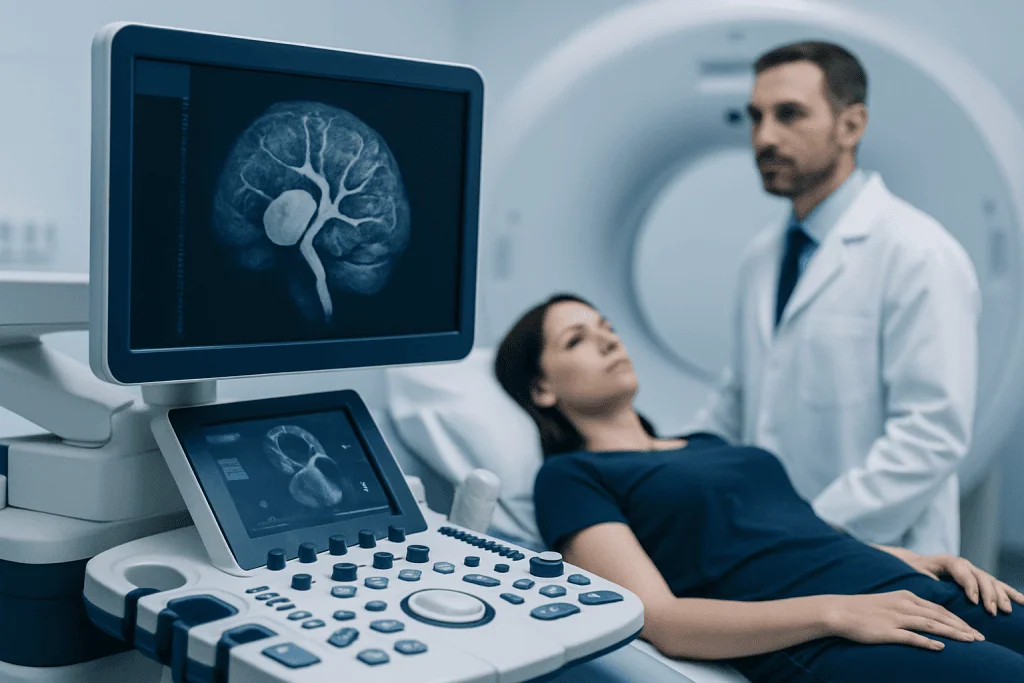
Diagnosis begins with a medical history, neurological examination and assessment of symptoms. If a ruptured aneurysm is suspected, doctors usually arrange urgent brain imaging. A computed tomography scan can detect bleeding around the brain, especially soon after symptoms begin. If needed, additional tests may be used to clarify the diagnosis.
Imaging tests that show blood vessels are central to diagnosis. CT angiography and MR angiography can create detailed pictures of the arteries in the brain and help identify the size, shape and location of an aneurysm. In some situations, a catheter angiogram is recommended; this involves guiding a thin tube into the blood vessels and injecting contrast dye to obtain very detailed images.
If bleeding is suspected but initial imaging does not confirm it, doctors may consider other tests, such as examining cerebrospinal fluid obtained by lumbar puncture. The choice of tests depends on symptoms, timing, overall health and the findings on initial scans. A neurologist, neurosurgeon or interventional neuroradiologist interprets these results to determine whether observation or treatment is most appropriate.
Treatment Options
Treatment for a brain aneurysm depends on whether it has ruptured, its size and shape, its location, the person’s age and general health, symptoms, family history and imaging findings. The right approach is decided by a specialist team after careful assessment. The goal is to reduce the risk of bleeding or rebleeding while keeping treatment risks as low as possible.
For some small, unruptured aneurysms, careful monitoring may be recommended. This can include periodic imaging, blood pressure control and lifestyle changes such as stopping smoking. Monitoring does not mean ignoring the aneurysm; it means the specialist has judged that observation is currently safer than a procedure, while keeping the situation under review.
When treatment is recommended, options may include endovascular procedures or open neurosurgery. Endovascular treatment is performed from inside the blood vessels using thin catheters, and may involve techniques that block blood flow into the aneurysm or redirect blood flow away from it. Surgical treatment may involve placing a clip at the base of the aneurysm through a neurosurgical operation to prevent blood from entering the bulge.
If an aneurysm has ruptured, emergency care focuses on stabilizing the patient, treating bleeding-related complications and preventing further bleeding. Intensive monitoring, procedures to secure the aneurysm, management of pressure around the brain, rehabilitation and follow-up care may all be part of treatment. Because each case is different, patients and families should discuss expected benefits, risks and recovery with the treating specialist team.
Living With / Prognosis
Living with an unruptured brain aneurysm can be emotionally stressful, especially when it is discovered unexpectedly. Many people feel reassured after receiving a clear explanation of the aneurysm’s size, location and estimated risk. Follow-up appointments are important because they allow specialists to monitor for changes and adjust recommendations if needed.
General vascular health measures are often advised. These may include keeping blood pressure within a healthy range, avoiding smoking, limiting alcohol, maintaining regular physical activity as approved by a doctor, and managing cholesterol, diabetes or other medical conditions. People should ask their doctor which activities are safe for them, especially if they do heavy lifting or high-intensity exercise.
Recovery after a ruptured aneurysm varies widely and may involve physical, cognitive, speech or emotional rehabilitation. Some people recover well, while others need longer-term support. A coordinated care plan with neurology, neurosurgery, rehabilitation medicine, nursing, psychology and primary care can help patients regain independence and manage follow-up safely.
When to See a Doctor
A person should seek emergency medical care immediately for a sudden, extremely severe headache, especially if it is unlike any headache they have had before. Emergency care is also needed if the headache occurs with fainting, confusion, vomiting, stiff neck, seizure, vision changes, weakness, numbness, difficulty speaking or loss of balance.
A non-urgent medical appointment is appropriate for persistent new headaches, unexplained eye pain, double vision, drooping eyelid, facial numbness or other neurological symptoms. People with a known aneurysm should contact their doctor promptly if symptoms change or if they are unsure about warning signs.
Those with a strong family history of brain aneurysm, certain inherited conditions or multiple vascular risk factors may benefit from specialist advice about screening and prevention. Acibadem International’s multidisciplinary specialists and JCI-accredited hospitals diagnose and treat brain aneurysms for international patients, with care plans based on individual assessment and current medical standards.
Frequently asked questions
What is a brain aneurysm?
A brain aneurysm is a bulging, weakened area in the wall of an artery in the brain. It may remain small and cause no symptoms, or it may enlarge and press on nearby structures. If it leaks or ruptures, it can cause bleeding around the brain and needs emergency treatment.
What does a brain aneurysm headache feel like?
A ruptured brain aneurysm often causes a sudden, extremely severe headache that reaches full intensity quickly. People may describe it as very different from their usual headaches. Because headache symptoms can have many causes, sudden severe headache should be assessed urgently.
Can an unruptured brain aneurysm be monitored instead of treated?
Yes, some unruptured aneurysms are monitored with regular imaging and risk-factor management. This is usually considered when the aneurysm appears low risk and the risks of a procedure may be higher than the risk of rupture. The decision should be made by a specialist after reviewing imaging and personal health factors.
How is a brain aneurysm diagnosed?
Diagnosis usually involves brain and blood vessel imaging, such as CT, MRI, CT angiography or MR angiography. In some cases, catheter angiography provides more detailed information. If bleeding is suspected, doctors may also use additional tests depending on the situation.
What are the main treatment options for a brain aneurysm?
Treatment options include observation with follow-up imaging, endovascular procedures performed through blood vessels, and open neurosurgical clipping. For ruptured aneurysms, emergency treatment and intensive monitoring are required. The best option depends on the aneurysm’s features and the patient’s overall health.
Can lifestyle changes reduce the risk of aneurysm problems?
Lifestyle changes cannot remove an existing aneurysm, but they can support blood vessel health. Stopping smoking, controlling high blood pressure, limiting alcohol and managing other medical conditions may help reduce overall vascular risk. A doctor can give individualized advice based on the patient’s aneurysm and medical history.
Should family members be screened for brain aneurysm?
Screening is not recommended for everyone, but it may be considered for people with a strong family history or certain inherited conditions. A neurologist or neurosurgeon can assess family history and advise whether imaging is appropriate. The benefits and limitations of screening should be discussed before testing.
References
- World Health Organization
- National Institute of Neurological Disorders and Stroke
- American Heart Association and American Stroke Association
- Mayo Clinic
- European Stroke Organisation
This article is for general information only and is not a substitute for professional medical advice. Please consult a qualified doctor about your individual situation.
Treatments for This Condition
Doctors Who Treat This Condition

Prof. Dr. Akin Sabanci
Neurosurgery
Prof. Dr. Ali Kurtsoy
Neurosurgery
Prof. Dr. Altay Bedük
Neurosurgery
Prof. Dr. Deniz Konya (m)
Neurosurgery
Prof. Dr. Gökhan Bozkurt
Neurosurgery
Prof. Dr. Hakan Seçkin
Neurosurgery
Prof. Dr. Halit Çavuşoğlu
Neurosurgery
Prof. Dr. Kağan Tun
Neurosurgery
Prof. Dr. Kenan Koç
Neurosurgery
Prof. Dr. Koray Özduman
Neurosurgery
Prof. Dr. Mehmet Zafer Berkman
Neurosurgery
Prof. Dr. Memet Özek
NeurosurgeryRelated Articles

Nerve Compression Symptoms: When Peripheral Nerve Treatment May Help

Unexplained Fainting: When Heart Rhythm and Neurology Tests Are Both Needed

Swallowing Problems in Neurological Disease: When Dysphagia Needs Specialist Care

When Dizziness Is Neurological: Signs You May Need a Neuro-Otology Assessment

Motor Neuron Disease: When Speech or Swallowing Problems Are the First Clues

Tourette Syndrome in Children and Adults: Symptoms and Treatment Options

Swallowing Problems in Motor Neuron Disease: Early Warning Signs and Supportive Care

Narcolepsy Testing: How to Prepare for an MSLT and Sleep Lab Evaluation

What Is a Neuro-Ophthalmology Exam? Step by Step for Patients With Vision and Nerve Symptoms

Pediatric Epilepsy Surgery: Who May Be a Candidate and How Evaluation Works

Cerebral Angiography vs MR Angiography: Which Brain Vessel Test Is Right?