Ovarian Cysts
Ovarian Cysts are fluid-filled sacs in or on an ovary. Learn symptoms, causes, diagnosis, treatment options and when to seek care.

Quick answer
Ovarian cysts are fluid-filled sacs that develop on or inside an ovary, often causing no symptoms but sometimes leading to pelvic pain, bloating, or menstrual changes. Treatment depends on the cyst’s type, size, symptoms, and whether it appears benign, and may range from monitoring with gynecologic evaluation and imaging to medication or minimally invasive surgery when needed.
Ovarian cysts are fluid-filled sacs that develop in or on an ovary, and many are harmless, temporary and related to the menstrual cycle. Some cysts can cause pain, bloating, menstrual changes or complications, so medical assessment is important when symptoms are persistent, severe or unusual.
Overview
Ovarian cysts are sacs filled with fluid or semi-fluid material that form inside an ovary or on its surface. The ovaries are two small reproductive organs that release eggs and produce hormones such as estrogen and progesterone. Cysts are common, particularly during the reproductive years, and many are found incidentally during a pelvic ultrasound performed for another reason.
The most common type is a functional ovarian cyst, which develops as part of the normal menstrual cycle. For example, a follicle that does not release an egg may continue to grow, or a structure called the corpus luteum may fill with fluid after ovulation. These cysts often resolve without treatment over several menstrual cycles.
Not all ovarian cysts are the same. Some are related to endometriosis, benign ovarian growths, pregnancy, hormonal conditions or, rarely, cancer. The medical importance of a cyst depends on a combination of factors, including its size, ultrasound appearance, whether it is causing symptoms and the person’s age and menopausal status.
Although the term ovarian cyst can sound concerning, most cysts are not dangerous. A careful evaluation by a qualified doctor helps confirm the likely type of cyst, decide whether monitoring is enough and identify the uncommon situations where treatment or urgent care is needed.
Symptoms
Many ovarian cysts cause no symptoms at all. When symptoms do occur, they may be mild, intermittent or easy to confuse with menstrual discomfort, digestive problems or urinary symptoms. The pattern of symptoms can help a doctor decide whether a cyst is likely to be functional or whether another condition should be considered.
Possible ovarian cyst symptoms include:
- Pelvic pain or a dull ache, often on one side
- Bloating, abdominal fullness or a feeling of pressure
- Pain during sex or deep pelvic discomfort
- Painful periods or changes in menstrual bleeding
- Frequent urination if a cyst presses on the bladder
- Constipation or bowel pressure if a cyst presses on the bowel
- Nausea, especially when pain is present
Sudden, severe pelvic pain is not typical of a simple, uncomplicated cyst and needs prompt medical attention. It may occur if a cyst ruptures, bleeds or contributes to ovarian torsion, a condition in which the ovary twists and its blood supply may be affected. These complications are not the usual course for most cysts, but they are important to recognize early.
Symptoms alone cannot reliably determine whether a cyst is harmless or requires treatment. For this reason, persistent pelvic pain, repeated bloating, unexplained menstrual changes or symptoms after menopause should be assessed by a gynecologist.
Causes & Risk Factors
Ovarian cysts can develop for several reasons. Functional cysts arise from normal ovulation and are common in people who have menstrual cycles. Other cysts may form from different tissues within the ovary or from conditions that affect the pelvis and reproductive hormones.
Common causes and associated conditions include hormonal changes, ovulation, pregnancy-related cysts, endometriosis, previous ovarian cysts and pelvic infections that involve the ovaries or fallopian tubes. Dermoid cysts and cystadenomas are examples of benign ovarian growths that are not caused by the menstrual cycle. Endometriomas, sometimes called chocolate cysts, are associated with endometriosis and may be linked with pelvic pain or fertility concerns.
Certain factors can increase the chance that an ovarian cyst will be found or recur. These include being of reproductive age, having irregular ovulation, using some fertility treatments, having a history of ovarian cysts, and having endometriosis or polycystic ovary syndrome. Polycystic ovary syndrome is a hormonal condition associated with many small follicles in the ovaries, but it is not the same as having a single large ovarian cyst.
After menopause, new ovarian cysts are evaluated more carefully because the pattern of ovarian disease changes with age. Many postmenopausal cysts are still benign, but doctors usually use a more structured approach to imaging and blood tests to decide the safest follow-up.
Diagnosis
Diagnosis begins with a medical history and pelvic examination. The doctor may ask about the location and timing of pain, menstrual cycle pattern, pregnancy possibility, fertility plans, previous cysts, family history and symptoms such as bloating, urinary frequency or bleeding after menopause. A pelvic examination may identify tenderness or an enlarged ovary, but imaging is usually needed to describe the cyst more accurately.
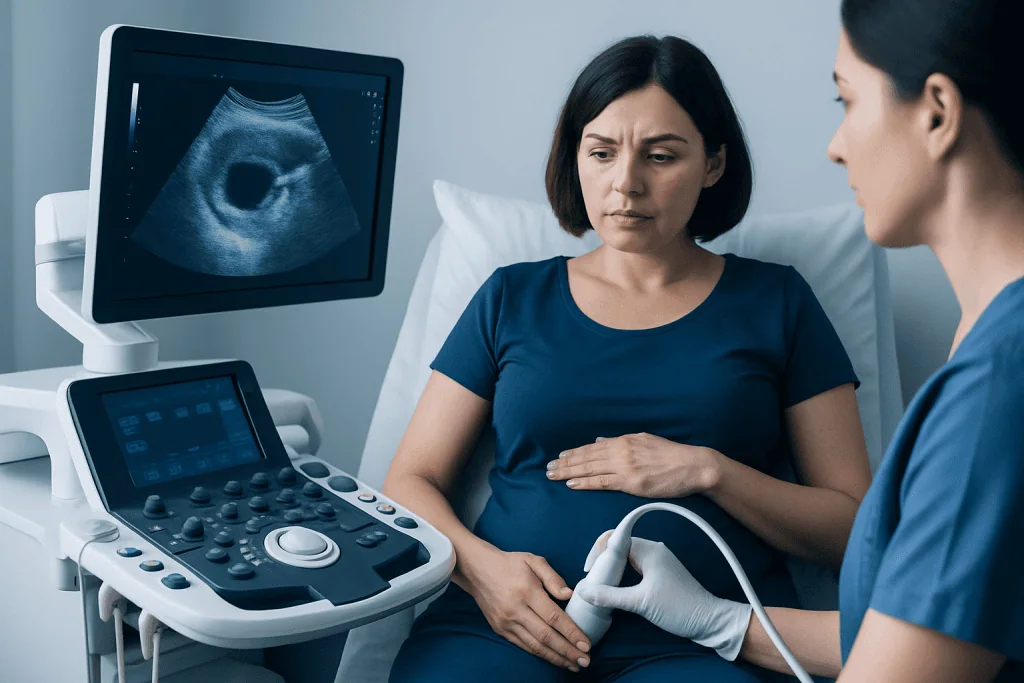
Pelvic ultrasound is the main test used to evaluate ovarian cysts. It can show the cyst’s size, location and internal appearance, such as whether it is simple and fluid-filled or more complex. Transvaginal ultrasound often provides detailed images, while abdominal ultrasound may also be used depending on age, pregnancy status, comfort and clinical need.
Additional tests may be recommended in selected situations. A pregnancy test can help rule out pregnancy-related causes of pelvic pain. Blood tests may assess inflammation, anemia, hormone patterns or tumor markers when appropriate, especially after menopause or when ultrasound features need further evaluation. Magnetic resonance imaging may be used when ultrasound findings are unclear or when surgical planning is needed.
The purpose of diagnosis is not only to confirm that a cyst is present, but also to classify the level of risk and guide management. A simple cyst in a young person with mild symptoms may need only observation, while a large, persistent, complex or symptomatic cyst may require closer follow-up or specialist treatment.
Treatment Options
Ovarian cyst treatment depends on the cyst type, size, ultrasound appearance, symptoms, age, menopausal status, pregnancy status and personal goals such as fertility planning. The right approach is decided by a gynecology specialist after assessment, because the safest option for one person may not be appropriate for another.
Observation, sometimes called watchful waiting, is common for small functional cysts that appear benign and are causing no or mild symptoms. This may involve repeat ultrasound after a defined interval to confirm that the cyst is shrinking or has resolved. Pain relief and supportive care may be discussed for short-term discomfort, but medication choices should be guided by a doctor, especially during pregnancy or when there are other medical conditions.
Hormonal treatment may be considered in some situations to reduce the chance of new functional cysts forming, although it does not make every existing cyst disappear. If cysts are related to endometriosis or another gynecological condition, treatment may also focus on managing the underlying condition, pain and fertility considerations.
Surgery may be recommended when a cyst is large, persistent, painful, suspicious in appearance, associated with complications, or present after menopause with concerning features. Surgical options may include removing the cyst while preserving the ovary when possible, or removing an ovary in selected cases. Minimally invasive surgery may be suitable for some patients, while more extensive surgery is reserved for specific situations. If cancer is suspected, care is usually coordinated with gynecologic oncology specialists.
Living With / Prognosis
The outlook for ovarian cysts is generally very good, particularly for functional cysts that are linked to the menstrual cycle. Many resolve naturally and do not affect long-term health or fertility. When cysts recur or are linked with endometriosis, polycystic ovary syndrome or fertility treatment, ongoing gynecological care can help reduce symptoms and support reproductive planning.
People living with ovarian cysts may find it helpful to track symptoms, menstrual cycles, pain patterns and any triggers that affect daily activities. This information can support clearer medical decisions during follow-up visits. Regular check-ups are especially important when a doctor has recommended monitoring rather than immediate treatment.
Self-care may include rest during painful episodes, gentle activity as tolerated and following medical advice about pain management. However, new severe pain, worsening symptoms or symptoms that feel different from previous episodes should not be managed at home without medical guidance. A person with known cysts should also inform healthcare providers if they become pregnant or are planning fertility treatment.
For international patients seeking evaluation, Acibadem International offers multidisciplinary gynecology services in JCI-accredited hospitals, where specialists can diagnose ovarian cysts and discuss treatment options based on individual assessment. Care decisions should always be made in consultation with qualified clinicians who can review imaging, symptoms and overall health.
When to See a Doctor
A doctor should be consulted for pelvic pain that is persistent, recurring, one-sided or interfering with daily life. Medical assessment is also recommended for bloating that does not settle, unexplained changes in menstrual bleeding, pain during sex, difficulty emptying the bladder or bowel, or symptoms that continue after a previous cyst diagnosis.
People who are pregnant, trying to conceive, using fertility treatment or have a history of endometriosis should seek guidance if they develop pelvic pain or are told they have an ovarian cyst. Postmenopausal bleeding, pelvic pain or a newly identified ovarian cyst should also be evaluated by a gynecologist, even when symptoms are mild.
Urgent medical care is needed for sudden severe pelvic or abdominal pain, especially if it occurs with fever, vomiting, fainting, dizziness, weakness, rapid breathing or heavy bleeding. These symptoms can occur with complications such as cyst rupture, internal bleeding or ovarian torsion and require prompt assessment.
Seeking care early does not mean that a serious problem is likely. It allows the medical team to confirm the cause of symptoms, provide relief, and decide whether monitoring, further tests or treatment are needed.
Frequently asked questions
What are ovarian cysts?
Ovarian cysts are fluid-filled sacs that develop in or on an ovary. Many are functional cysts related to ovulation and disappear on their own. Others may be linked with endometriosis, benign ovarian growths or, rarely, cancer, so assessment is important when symptoms or risk factors are present.
Are ovarian cysts dangerous?
Most ovarian cysts are not dangerous and are benign. The level of concern depends on the cyst’s size, appearance, symptoms and whether the person is before or after menopause. A doctor can use ultrasound and other tests to decide whether monitoring or treatment is needed.
What does ovarian cyst pain feel like?
Ovarian cyst pain may feel like a dull ache, pressure or sharp discomfort on one side of the lower abdomen or pelvis. It may come and go or become more noticeable during periods, sex or physical activity. Sudden severe pain, especially with nausea, fever, dizziness or vomiting, needs urgent medical care.
How are ovarian cysts diagnosed?
Ovarian cysts are usually diagnosed with a pelvic ultrasound after a medical history and pelvic examination. A pregnancy test, blood tests or MRI may be recommended in selected cases. The aim is to describe the cyst and decide whether it looks simple and likely benign or needs closer evaluation.
Do ovarian cysts go away without treatment?
Many functional ovarian cysts go away without treatment over one or more menstrual cycles. A doctor may recommend follow-up ultrasound to confirm that the cyst is resolving. Cysts that are large, persistent, complex or painful may need additional treatment.
Can ovarian cysts affect fertility?
Many ovarian cysts do not affect fertility, especially simple functional cysts. Cysts related to endometriosis or conditions that affect ovulation may be associated with fertility challenges. A gynecologist or fertility specialist can advise based on the cyst type, ovarian reserve, symptoms and reproductive plans.
When is surgery needed for an ovarian cyst?
Surgery may be considered if an ovarian cyst is large, persistent, painful, suspicious on imaging or causing complications such as torsion or significant bleeding. The type of surgery depends on the individual situation and whether preserving fertility is a priority. A specialist should explain the benefits, risks and alternatives before any procedure.
References
- American College of Obstetricians and Gynecologists
- Royal College of Obstetricians and Gynaecologists
- Mayo Clinic
- Cleveland Clinic
- National Health Service
This article is for general information only and is not a substitute for professional medical advice. Please consult a qualified doctor about your individual situation.
Treatments for This Condition
Doctors Who Treat This Condition




Related Articles

Embryo Donation in IVF: Who May Consider It and How the Process Works

Ectopic Pregnancy After IVF: Symptoms, Risk Factors, and Early Monitoring

Ectopic Pregnancy: A Complete Clinical Guide for Patients

IVF Risks and Side Effects: What Patients Should Know Before Treatment

Unexplained Recurrent Miscarriage: When IVF Testing May Help

IVF After Tubal Ligation: Is Treatment Still Possible?

IVF With Blocked Sperm Retrieval: TESE, ICSI, and Treatment Planning

Fertility Tests Before IVF: Which Results Matter Most?

Endometrial Receptivity in IVF: Why the Uterine Lining Matters

When Is IVF a Good Option for Tubal Infertility?

What Happens During Egg Retrieval in IVF?