Pelvic Inflammatory Disease
Pelvic Inflammatory Disease is an infection of the female reproductive organs. Learn symptoms, causes, diagnosis, treatment and fertility risks.

Quick answer
Pelvic inflammatory disease is an infection of the female reproductive organs, usually caused by bacteria spreading upward from the vagina or cervix, and it can lead to pelvic pain, fever, and fertility problems if not treated. Treatment depends on the severity and typically includes antibiotics, with hospital-based evaluation and, in some cases, drainage or surgery for complications.
Pelvic Inflammatory Disease, often called PID, is an infection and inflammation of the uterus, fallopian tubes, ovaries or surrounding pelvic tissues. It usually develops when bacteria move upward from the vagina or cervix, and early medical treatment helps prevent complications such as chronic pelvic pain or fertility problems.
Overview
Pelvic Inflammatory Disease is an infection of the upper female reproductive tract. This may include the uterus, fallopian tubes, ovaries and nearby pelvic tissues. The condition is commonly shortened to PID and can affect sexually active people of reproductive age, although the exact cause and risk level vary from person to person.
PID most often begins when bacteria travel from the vagina or cervix into the reproductive organs. Sexually transmitted infections are an important cause, but bacteria that are normally present in the genital tract may also contribute, especially after changes in the vaginal environment or after certain gynecological procedures.
Many cases are treatable, especially when diagnosed early. The main reason doctors take PID seriously is that inflammation can sometimes damage delicate structures such as the fallopian tubes. Timely care helps reduce the risk of complications and supports future reproductive health.
Symptoms
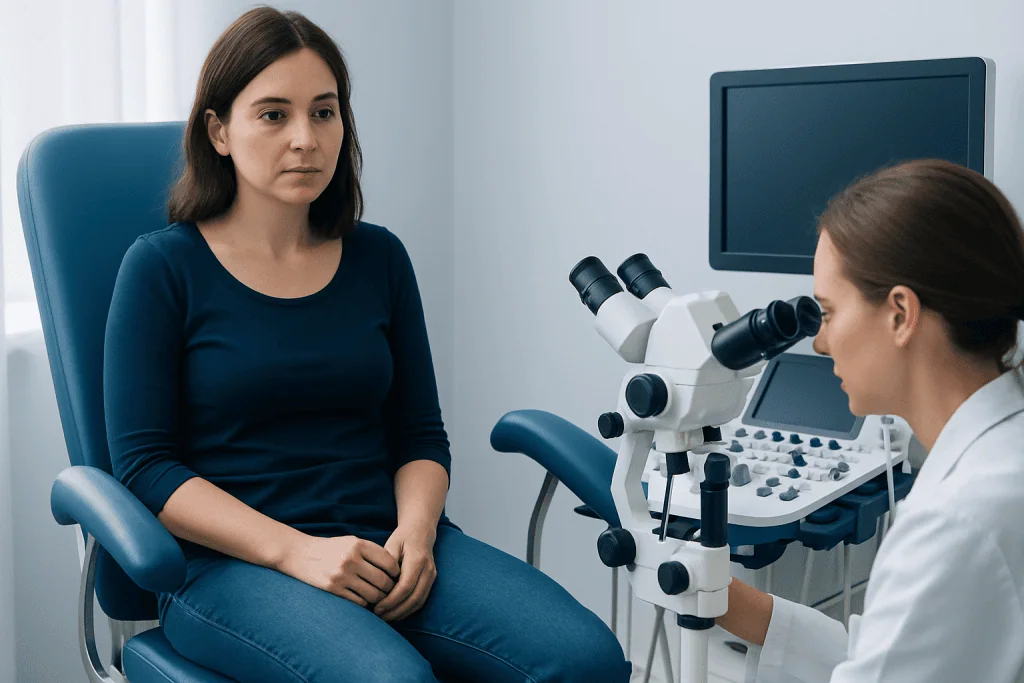
Pelvic Inflammatory Disease symptoms can range from mild discomfort to more noticeable pelvic pain. Some people have symptoms that appear gradually, while others develop symptoms more suddenly. In some cases, symptoms are subtle or mistaken for menstrual pain, urinary symptoms or digestive discomfort.
Common symptoms may include:
- Lower abdominal or pelvic pain, often on both sides
- Abnormal vaginal discharge, sometimes with an unpleasant odor
- Bleeding between periods or heavier menstrual bleeding
- Pain during sexual intercourse
- Pain or burning when urinating
- Fever, chills, nausea or general unwellness
The absence of severe pain does not rule out PID. Mild infections can still affect the fallopian tubes, so anyone with new pelvic pain, abnormal discharge, unexplained bleeding or symptoms after possible exposure to a sexually transmitted infection should seek medical advice.
Causes & Risk Factors
Pelvic Inflammatory Disease is caused by bacteria entering and spreading within the upper reproductive tract. Sexually transmitted bacteria are among the most common causes, particularly in younger sexually active people. However, PID may involve more than one type of bacteria, including organisms that are not strictly sexually transmitted.
Risk factors can increase the chance that bacteria reach the uterus and fallopian tubes. These include having a current or recent sexually transmitted infection, a new sexual partner, multiple partners, a partner with an untreated infection, and previous PID. Inconsistent condom use can also increase the risk of infections that may lead to PID.
Less commonly, PID can occur after events that allow bacteria to enter the reproductive tract, such as miscarriage, childbirth, abortion, endometrial procedures or insertion of an intrauterine device, particularly around the time of insertion if an infection is present. Routine pelvic examinations do not cause PID, and most gynecological care is safe when appropriate infection screening and sterile technique are used.
Because PID is often related to treatable infections, prevention focuses on safer sexual practices, screening when appropriate, and early treatment of genital infections. Partners may also need evaluation or treatment to prevent reinfection.
Diagnosis
Diagnosis of Pelvic Inflammatory Disease is based on symptoms, medical history, physical examination and tests. A doctor may ask about pelvic pain, discharge, bleeding patterns, pregnancy possibility, sexual history, previous infections and contraception. These questions help identify likely causes and rule out other conditions with similar symptoms.
A pelvic examination may be performed to check for tenderness of the cervix, uterus or ovaries and to look for abnormal discharge. Swabs may be taken from the cervix or vagina to test for sexually transmitted infections and other bacteria. Urine tests, pregnancy testing and blood tests may also be used depending on the situation.
Imaging such as pelvic ultrasound can help assess the uterus, ovaries and fallopian tubes, especially if an abscess, ovarian cyst, ectopic pregnancy or another cause of pain is being considered. In selected cases, laparoscopy may be used to look directly inside the pelvis, but it is not required for most people.
Because delaying treatment may increase the risk of complications, doctors may start treatment when PID is strongly suspected, even before every test result is available. This approach is based on clinical judgment and is tailored to the patient’s symptoms, examination findings and individual risks.
Treatment Options
Pelvic Inflammatory Disease treatment usually involves antibiotics that cover the likely bacteria. The exact medicines, route and duration are chosen by a qualified doctor after assessment, considering symptom severity, pregnancy status, allergies, test results and local guidance. It is important to complete the prescribed course and attend follow-up, even if symptoms improve quickly.
Many people can be treated as outpatients, but hospital care may be recommended in some situations. These include severe pain, high fever, vomiting, pregnancy, suspected pelvic abscess, inability to take oral medicines, uncertain diagnosis or lack of improvement after initial treatment. In hospital, treatment may include intravenous antibiotics, pain control, fluids and close monitoring.
If a tubo-ovarian abscess or a significant collection of infected fluid develops, additional treatment may be needed. This may include image-guided drainage or surgery in selected cases. Surgery is not routine for PID and is generally reserved for complications, diagnostic uncertainty or situations where medical treatment is not enough.
Sexual partners may need testing and treatment when a sexually transmitted infection is suspected or confirmed. Patients are usually advised to avoid sexual contact until treatment is completed, symptoms have resolved and partners have been appropriately managed. The safest plan should always be confirmed with the treating specialist.
Living With / Prognosis
Most people improve with timely, appropriate treatment. Pelvic pain and fever often start to settle within a few days, but follow-up is important to make sure the infection is responding. If symptoms do not improve as expected, the doctor may reassess the diagnosis, review test results or adjust treatment.
Possible complications of PID include scarring of the fallopian tubes, chronic pelvic pain, ectopic pregnancy and difficulty becoming pregnant. The risk is higher when treatment is delayed, when infections recur or when inflammation is severe. Early medical care and prevention of reinfection are the most effective ways to protect reproductive health.
After PID, patients may be advised to have sexual health screening, use condoms consistently, ensure partners are treated when needed, and seek care promptly if symptoms return. People planning pregnancy or experiencing difficulty conceiving after PID should discuss fertility evaluation with a gynecologist or reproductive medicine specialist.
For international patients seeking coordinated care, Acibadem International’s multidisciplinary specialists and JCI-accredited hospitals diagnose and treat gynecological infections, including PID, with attention to follow-up and reproductive health needs.
When to See a Doctor
A person should contact a doctor if they develop new or persistent lower abdominal pain, pelvic pain, abnormal vaginal discharge, bleeding between periods, pain during sex, fever or pain when urinating. Medical advice is also important after possible exposure to a sexually transmitted infection, even if symptoms are mild.
Urgent medical assessment is needed for severe pelvic or abdominal pain, fainting, shoulder-tip pain, heavy bleeding, high fever, persistent vomiting or a positive pregnancy test with pain or bleeding. These symptoms may indicate PID or another condition that needs prompt evaluation, such as ectopic pregnancy or appendicitis.
Anyone recently treated for PID should return for follow-up as advised, especially if symptoms continue or worsen. Early reassessment helps confirm that treatment is working and reduces the chance of complications.
Frequently asked questions
What is Pelvic Inflammatory Disease?
Pelvic Inflammatory Disease is an infection of the upper female reproductive organs, including the uterus, fallopian tubes and ovaries. It usually happens when bacteria move upward from the vagina or cervix. Early diagnosis and treatment help prevent long-term complications.
What are the first signs of Pelvic Inflammatory Disease?
Early signs may include lower abdominal or pelvic pain, unusual vaginal discharge, bleeding between periods, pain during sex or burning when urinating. Some people also develop fever or feel generally unwell. Symptoms can be mild, so medical assessment is important if PID is possible.
Is Pelvic Inflammatory Disease always sexually transmitted?
No. Sexually transmitted infections are a common cause of PID, but other bacteria from the genital tract can also be involved. A doctor may recommend sexual health testing because identifying the cause helps guide treatment and reduces the risk of reinfection.
Can Pelvic Inflammatory Disease affect fertility?
PID can sometimes damage or scar the fallopian tubes, which may make pregnancy more difficult or increase the risk of ectopic pregnancy. The risk is lower when infection is treated promptly and reinfection is prevented. Anyone concerned about fertility after PID should speak with a gynecologist.
How is Pelvic Inflammatory Disease treated?
Treatment usually involves antibiotics selected by a doctor to cover the likely bacteria. Some patients can be treated at home, while others may need hospital care if symptoms are severe, pregnancy is possible, or complications are suspected. The right treatment plan depends on specialist assessment.
Should a partner be treated if someone has PID?
If PID is linked to a suspected or confirmed sexually transmitted infection, sexual partners usually need evaluation and treatment. This helps prevent reinfection and protects partners’ health. Patients should follow their doctor’s advice about avoiding sexual contact until treatment and partner management are complete.
Can Pelvic Inflammatory Disease come back?
Yes, PID can recur, especially if a partner remains untreated or if there is a new infection. Regular screening when recommended, condom use and prompt treatment of genital symptoms can reduce the risk. Follow-up care after treatment is an important part of prevention.
References
- Centers for Disease Control and Prevention
- World Health Organization
- American College of Obstetricians and Gynecologists
- European Society of Human Reproduction and Embryology
- National Institute for Health and Care Excellence
This article is for general information only and is not a substitute for professional medical advice. Please consult a qualified doctor about your individual situation.
Treatments for This Condition
Doctors Who Treat This Condition

Prof. Dr. A. Çağrı Büke
Infectious Diseases & Clinical Microbiology
Prof. Dr. Behice Kurtaran
Infectious Diseases & Clinical Microbiology
Prof. Dr. Kenan Hizel
Infectious Diseases & Clinical Microbiology
Prof. Dr. Serap Gençer
Infectious Diseases & Clinical Microbiology
Prof. Dr. Süda Tekin
Infectious Diseases & Clinical Microbiology
Prof. Dr. İftahar Köksal
Infectious Diseases & Clinical Microbiology
Assoc. Prof. Dr. Aslihan Demirel
Infectious Diseases & Clinical Microbiology
Asst. Prof. Dr. Hülya Kuşoğlu
Infectious Diseases & Clinical Microbiology
Dr. Dilara Akman
Infectious Diseases & Clinical Microbiology
Dr. Ersen Hürmüzlü
Infectious Diseases & Clinical Microbiology
Dr. Fatma Erbay Apaydın
Infectious Diseases & Clinical Microbiology
Dr. Hakan Kutlu
Infectious Diseases & Clinical MicrobiologyRelated Articles

Embryo Donation in IVF: Who May Consider It and How the Process Works

Ectopic Pregnancy After IVF: Symptoms, Risk Factors, and Early Monitoring

Ectopic Pregnancy: A Complete Clinical Guide for Patients

IVF Risks and Side Effects: What Patients Should Know Before Treatment

Unexplained Recurrent Miscarriage: When IVF Testing May Help

IVF After Tubal Ligation: Is Treatment Still Possible?

IVF With Blocked Sperm Retrieval: TESE, ICSI, and Treatment Planning

Fertility Tests Before IVF: Which Results Matter Most?

Endometrial Receptivity in IVF: Why the Uterine Lining Matters

When Is IVF a Good Option for Tubal Infertility?

What Happens During Egg Retrieval in IVF?