Preeclampsia
Preeclampsia is high blood pressure in pregnancy that needs specialist monitoring. Learn symptoms, diagnosis, treatment and when to seek help.

Quick answer
Preeclampsia is a pregnancy-related condition marked by high blood pressure and signs of organ stress, usually after mid-pregnancy, and it requires close monitoring to protect both mother and baby. At Acibadem in Turkey, evaluation includes maternal and fetal assessment, and treatment focuses on blood pressure control, monitoring for complications, and planning the safest timing and method of delivery.
Preeclampsia is a pregnancy-related condition marked by high blood pressure, usually after 20 weeks of pregnancy, often with signs that organs such as the kidneys, liver, brain or placenta are under strain. It requires careful medical assessment and monitoring because timely care helps protect both the pregnant person and the baby.
Overview
Preeclampsia is a disorder of pregnancy in which blood pressure becomes high and there are signs that the body’s organs are being affected. It most often begins after the 20th week of pregnancy, although some cases develop during labor or in the days and weeks after delivery. The condition is linked to changes in the placenta, blood vessels and the body’s response to pregnancy.
Preeclampsia can range from mild findings discovered during a routine prenatal visit to a more serious condition requiring close monitoring in hospital. Some pregnant people feel completely well, which is why regular antenatal care is important. Blood pressure measurement, urine testing and selected blood tests can identify changes before symptoms become obvious.
The goal of care is to protect the health of the pregnant person while supporting the baby’s growth and deciding the safest timing of birth. Management is individualized. A specialist considers the stage of pregnancy, blood pressure pattern, laboratory results, symptoms, ultrasound findings and any existing medical conditions before recommending a plan.
Symptoms
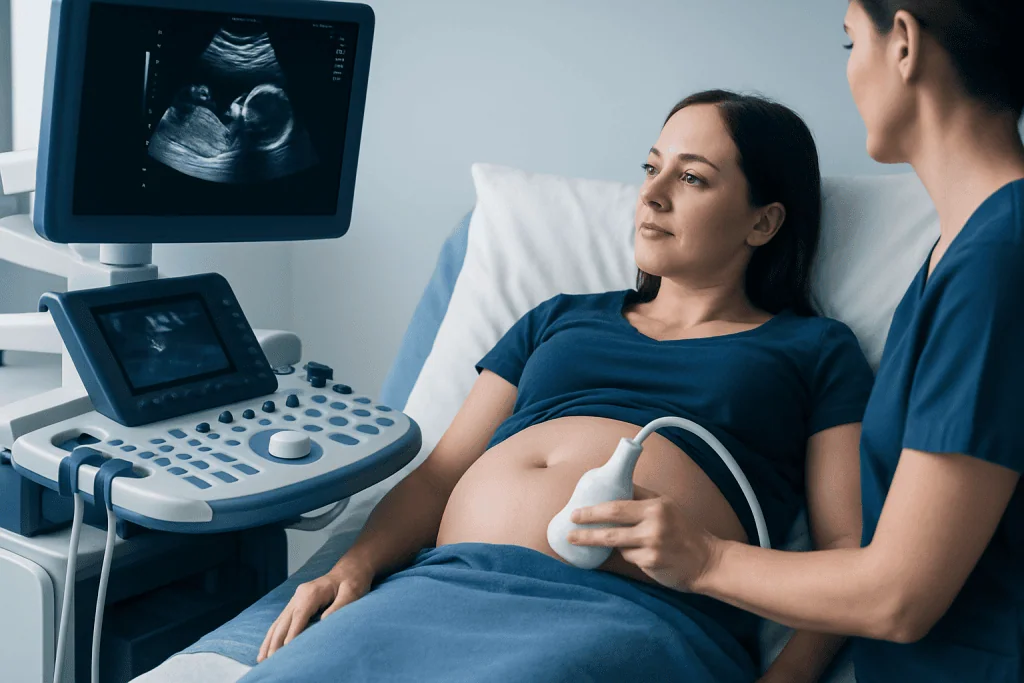
Preeclampsia does not always cause noticeable symptoms. In many cases, the first clue is a high blood pressure reading at a prenatal appointment. Protein in the urine, changes in kidney or liver blood tests, low platelet counts or concerns about the baby’s growth may also be detected during routine monitoring.
When symptoms do occur, they can include a persistent or severe headache, changes in vision, sensitivity to light, pain in the upper right abdomen or under the ribs, nausea or vomiting later in pregnancy, shortness of breath, sudden swelling of the face or hands, and rapid weight gain from fluid retention. Swelling in pregnancy is common and is not always preeclampsia, but sudden or marked swelling should be discussed with a healthcare professional.
Possible symptoms and signs include:
- High blood pressure after 20 weeks of pregnancy
- Protein in the urine or reduced urine output
- Headache that does not improve with usual measures advised by a doctor
- Blurred vision, flashing lights or temporary vision loss
- Upper abdominal pain, especially on the right side
- Unexplained shortness of breath or chest discomfort
- Concerns about reduced fetal movement
Symptoms can overlap with common pregnancy discomforts, so self-diagnosis is not reliable. A pregnant or recently postpartum person with new or concerning symptoms should be assessed by a qualified clinician, particularly if blood pressure has been high or preeclampsia has been mentioned during care.
Causes & Risk Factors
The exact cause of preeclampsia is not fully understood, but it is closely related to how the placenta develops and interacts with the pregnant person’s blood vessels and immune system. In a healthy pregnancy, blood vessels that supply the placenta adapt to increase blood flow. In preeclampsia, this adaptation may be incomplete, contributing to inflammation, blood vessel narrowing and organ strain.
Preeclampsia can happen in any pregnancy, including in people with no previous health problems. However, certain factors increase risk. These include a first pregnancy, a previous pregnancy affected by preeclampsia, chronic high blood pressure, kidney disease, diabetes, autoimmune conditions, obesity, pregnancy with twins or more, IVF or assisted reproduction in some cases, and a family history of preeclampsia.
Age can also influence risk, particularly in very young pregnancies or pregnancies at older maternal age. A long interval between pregnancies, certain placental conditions, and a history of fetal growth restriction may also be relevant. Having a risk factor does not mean preeclampsia will occur, but it helps the maternity team decide how closely to monitor the pregnancy.
Because preeclampsia is related to pregnancy and placental function, lifestyle measures alone cannot reliably prevent it. Good prenatal care, early identification of risk factors and following specialist advice are the most effective ways to reduce complications. In selected high-risk pregnancies, a doctor may recommend preventive medication and closer surveillance.
Diagnosis
Preeclampsia is diagnosed through a combination of blood pressure measurements, urine testing, blood tests, symptom review and assessment of the baby. A single high blood pressure reading may need confirmation, but persistent high blood pressure after 20 weeks of pregnancy is an important finding. The clinician will also look for evidence that organs such as the kidneys, liver, brain, lungs, blood clotting system or placenta are affected.
Urine testing may check for protein, which can indicate kidney involvement. Blood tests may evaluate kidney function, liver enzymes, platelet levels and other markers of maternal wellbeing. The baby may be assessed with ultrasound to check growth and amniotic fluid, and with fetal monitoring depending on the stage of pregnancy and clinical situation.
Doctors also assess whether preeclampsia has severe features. These may include very high blood pressure, significant symptoms, abnormal blood results, fluid in the lungs, neurological symptoms or signs that the baby is not growing as expected. This distinction helps guide decisions about monitoring, hospital admission, medication and timing of delivery.
Diagnosis can be more challenging after birth because symptoms may be mistaken for normal recovery, tiredness or postpartum discomfort. Postpartum preeclampsia can occur even after an uncomplicated delivery. New headache, visual symptoms, shortness of breath, chest discomfort, significant swelling or high blood pressure after birth should be medically assessed.
Treatment Options
Treatment for preeclampsia depends on the severity of the condition, how far along the pregnancy is, the pregnant person’s overall health and the baby’s wellbeing. The definitive way for preeclampsia to resolve is delivery of the placenta, but the safest timing of birth must balance maternal health with fetal maturity. The right approach is decided by an obstetrician or maternal-fetal medicine specialist after assessment.
For milder or earlier cases, care may involve frequent blood pressure checks, urine and blood tests, symptom review, fetal ultrasound and monitoring of the baby’s movements or heart rate. Some people can be monitored as outpatients if the specialist considers it safe, while others need hospital care. Rest alone is not considered a treatment, but reducing strain and following activity advice may be part of a personalized plan.
Medication may be used to lower blood pressure when needed and to reduce the risk of seizures in higher-risk situations. If delivery is expected before full term, treatments may be considered to support the baby’s readiness for birth. The medication categories and timing are selected by the maternity team according to established guidelines, maternal safety and fetal needs.
Delivery may be recommended if preeclampsia is worsening, if severe features are present, if the baby is affected, or if the pregnancy has reached a gestational age where birth is the safest option. Birth may be by induction of labor or cesarean delivery depending on obstetric factors. Care continues after delivery because blood pressure can remain high or rise again during the postpartum period.
Living With / Prognosis
Many people with preeclampsia recover well with timely diagnosis, careful monitoring and appropriate delivery planning. Blood pressure often improves after birth, but it may take days or weeks to settle. Follow-up appointments are important to check blood pressure, review symptoms and decide whether ongoing treatment or referral is needed.
After a pregnancy affected by preeclampsia, future health planning is important. A history of preeclampsia can increase the chance of preeclampsia in a later pregnancy and is associated with a higher long-term risk of high blood pressure and cardiovascular disease. This does not mean future problems are inevitable, but it makes preventive healthcare, healthy lifestyle habits and regular blood pressure checks valuable.
Before another pregnancy, a preconception consultation can help review previous records, identify risk factors and plan early antenatal care. The clinician may recommend earlier booking, more frequent monitoring, specialist ultrasound assessment and, in some cases, preventive medication. People with chronic hypertension, kidney disease, diabetes or autoimmune disease benefit from coordinated care before and during pregnancy.
Emotional recovery also matters. Preeclampsia can make pregnancy, birth and the postpartum period more stressful than expected. Clear explanations, shared decision-making and follow-up support can help families understand what happened and feel more prepared for ongoing care.
When to See a Doctor
All pregnant people should attend regular prenatal visits because preeclampsia may develop without obvious symptoms. A doctor or midwife should be contacted promptly if there is a new or worsening headache, vision changes, upper abdominal pain, sudden swelling of the face or hands, shortness of breath, chest discomfort, reduced urine output or reduced fetal movements.
Urgent medical assessment is especially important if blood pressure readings are high at home or in a clinic, if preeclampsia has already been diagnosed, or if symptoms appear after delivery. Postpartum symptoms should not be dismissed, even if the birth was uncomplicated. Blood pressure-related conditions can occur in the first days and weeks after childbirth.
Patients should follow the care pathway provided by their maternity team, including where to go outside normal clinic hours. Emergency evaluation may involve blood pressure control, blood tests, urine testing and fetal assessment if the pregnancy is ongoing. Early assessment helps doctors choose the safest next step.
Acibadem International’s multidisciplinary obstetrics, maternal-fetal medicine, neonatology and critical care teams diagnose and treat preeclampsia in JCI-accredited hospitals for international patients. Care is planned individually, with attention to maternal safety, fetal wellbeing and clear communication with the patient and family.
Frequently asked questions
What is preeclampsia?
Preeclampsia is a pregnancy-related condition in which blood pressure becomes high and there are signs that organs or the placenta are affected. It usually develops after 20 weeks of pregnancy but can also occur after delivery. It needs medical monitoring because the condition can change over time.
What are the first signs of preeclampsia?
The first sign is often high blood pressure found during a prenatal visit. Some people also develop protein in the urine, headache, vision changes, upper abdominal pain, sudden swelling or abnormal blood tests. Because symptoms may be absent, routine prenatal checks are essential.
Can preeclampsia happen after giving birth?
Yes. Postpartum preeclampsia can develop after delivery, sometimes even if pregnancy and birth seemed uncomplicated. New headache, vision changes, shortness of breath, chest discomfort, significant swelling or high blood pressure after birth should be assessed by a doctor.
How is preeclampsia treated?
Treatment may include close monitoring, blood pressure medication, medication to reduce seizure risk in selected cases, fetal assessment and planned delivery when appropriate. The only definitive resolution is delivery of the placenta, but timing depends on the safety of the mother and baby. A specialist decides the best approach after reviewing the full clinical picture.
Does preeclampsia mean the baby must be delivered early?
Not always. Some pregnancies can be monitored carefully for a period of time, especially when preeclampsia is mild and the baby is stable. Early delivery may be recommended if the condition worsens, severe features appear or the baby is affected.
Who is at higher risk of preeclampsia?
Risk is higher in people with previous preeclampsia, chronic high blood pressure, kidney disease, diabetes, autoimmune conditions, obesity, multiple pregnancy, first pregnancy or a family history of preeclampsia. IVF or assisted reproduction may also be relevant in some pregnancies. A maternity specialist can review personal risk and recommend monitoring.
Can preeclampsia be prevented?
Preeclampsia cannot always be prevented because it is linked to placental and blood vessel changes in pregnancy. Early prenatal care, risk assessment and regular blood pressure checks help detect it promptly. In some high-risk pregnancies, a doctor may recommend preventive medication and closer follow-up.
References
- American College of Obstetricians and Gynecologists
- World Health Organization
- National Institute for Health and Care Excellence
- Royal College of Obstetricians and Gynaecologists
- Society for Maternal-Fetal Medicine
This article is for general information only and is not a substitute for professional medical advice. Please consult a qualified doctor about your individual situation.
Treatments for This Condition
Doctors Who Treat This Condition

Prof. Dr. Faik Acar Koç
Perinatology & High Risk Pregnancies
Prof. Dr. Hüseyin Töz
Nephrology
Prof. Dr. Ülkem Çakır
Nephrology
Assoc. Prof. Dr. Ebru Sevinç Ok
Nephrology
Assoc. Prof. Dr. Çağlar Ruhi
Nephrology
Dr. Bilal Görçin
Nephrology
Dr. Hüseyin Çelik
NephrologyRelated Articles

Embryo Donation in IVF: Who May Consider It and How the Process Works

Ectopic Pregnancy After IVF: Symptoms, Risk Factors, and Early Monitoring
Ectopic Pregnancy: A Complete Clinical Guide for Patients

IVF Risks and Side Effects: What Patients Should Know Before Treatment

Unexplained Recurrent Miscarriage: When IVF Testing May Help

IVF After Tubal Ligation: Is Treatment Still Possible?

IVF With Blocked Sperm Retrieval: TESE, ICSI, and Treatment Planning

Fertility Tests Before IVF: Which Results Matter Most?

Endometrial Receptivity in IVF: Why the Uterine Lining Matters

When Is IVF a Good Option for Tubal Infertility?

What Happens During Egg Retrieval in IVF?