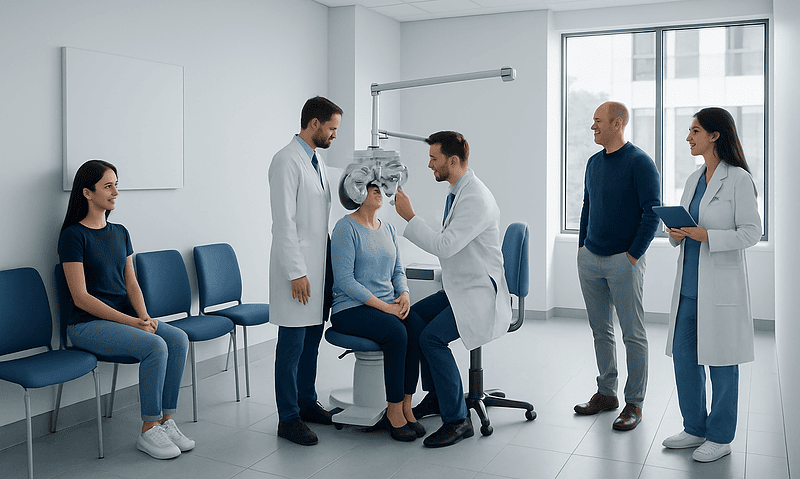
Neuro-Ophthalmology: When Vision Problems May Be Linked to the Brain or Nerves
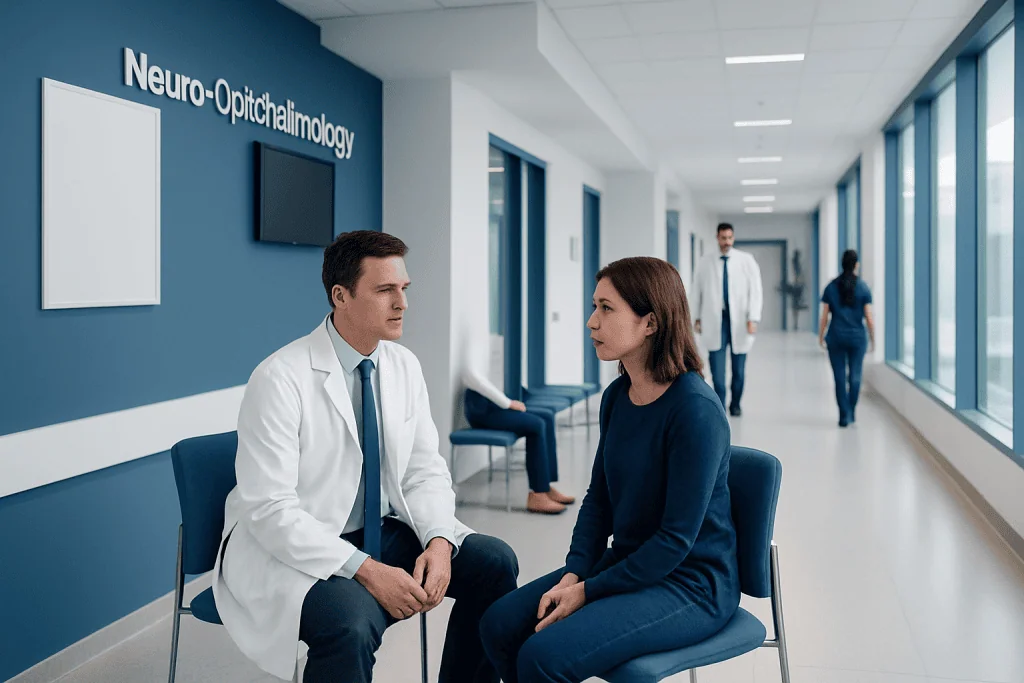
Neuro-ophthalmology focuses on the connection between the eyes, optic nerves, brain, and eye movement system. Common reasons for referral include sudden or unexplained vision loss, double vision, visual field defects, abnormal pupils, and optic nerve swelling.
Key Takeaways
- Neuro-ophthalmology focuses on the connection between the eyes, optic nerves, brain, and eye movement system.
- Common reasons for referral include sudden or unexplained vision loss, double vision, visual field defects, abnormal pupils, and optic nerve swelling.
- Diagnosis may include a detailed eye examination, neurological assessment, visual field testing, imaging, and blood tests.
- Treatment depends on the cause and may involve medications, surgery, vision support, or coordinated care with neurology and other specialties.
- Urgent medical attention is important for sudden vision loss, new double vision, severe headache with visual symptoms, or stroke-like symptoms.
Neuro-ophthalmology is a subspecialty that investigates vision problems linked to the optic nerves, brain, eye movement nerves, and related pathways. It helps explain symptoms such as unexplained vision loss, double vision, drooping eyelids, unequal pupils, or visual field changes.
Overview: What Is Neuro-Ophthalmology?
Neuro-Ophthalmology is the field of medicine that evaluates vision problems caused by the nervous system. While many eye conditions begin in the front or back of the eye, some symptoms come from the optic nerve, brain, eye movement nerves, or the pathways that help both eyes work together. A neuro-ophthalmologist is usually trained in ophthalmology or neurology and has additional expertise in conditions that cross both specialties.
The optic nerve acts like a cable carrying visual information from the eye to the brain. The brain then processes this information so a person can see clearly, recognize objects, read, move safely, and judge space. Problems anywhere along this pathway can affect vision, even if the eye itself looks healthy during a routine exam.
Patients may be referred for neuro-ophthalmology evaluation when symptoms do not fit a typical eye condition or when an eye doctor sees signs that may involve the brain or nerves. The goal is to identify the cause, treat what can be treated, and protect vision and overall health whenever possible.
Symptoms That May Point to a Brain or Nerve-Related Vision Problem
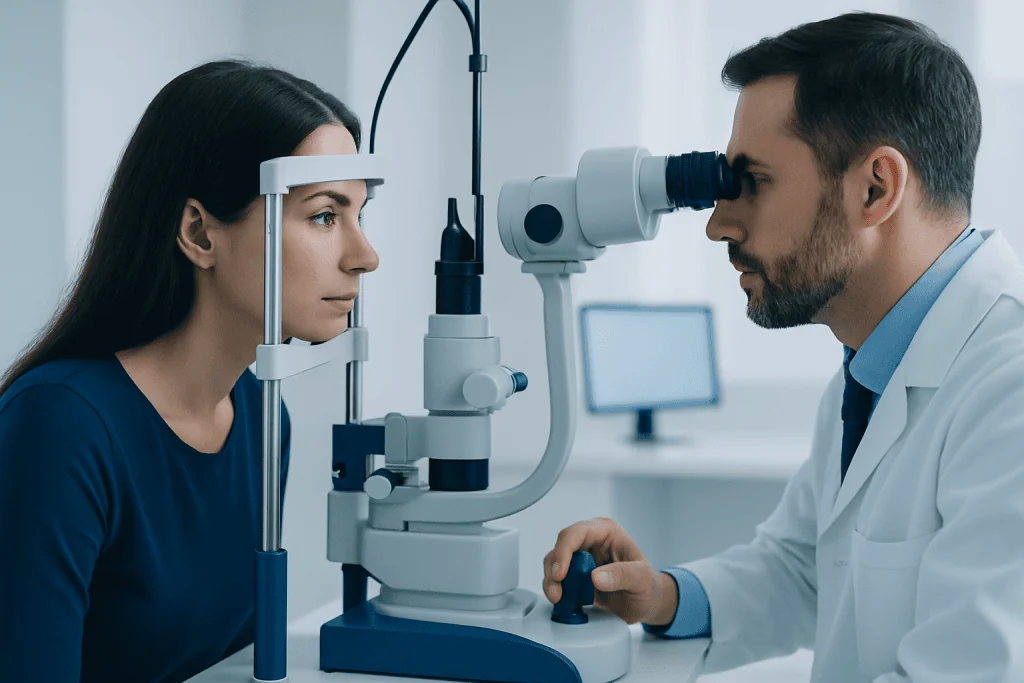
Neuro-ophthalmic symptoms can be subtle or sudden. Some people notice blurred vision, dimming, loss of color brightness, or a dark area in part of the visual field. Others describe seeing double, having trouble focusing both eyes together, or feeling that one eye does not move normally.
Common symptoms that may lead to a neuro-ophthalmology referral include:
- Unexplained loss of vision in one or both eyes
- Double vision, also called diplopia
- Loss of side vision or a missing area in the visual field
- Optic nerve swelling or pale appearance noted during an eye exam
- Drooping eyelid, unequal pupils, or abnormal pupil reactions
- Brief episodes of vision loss, flashes, or visual disturbances
- Eye pain with movement, especially when linked to vision changes
These symptoms do not always mean a serious condition is present. For example, migraine can cause temporary visual changes, and some eye movement problems are treatable. However, because similar symptoms can also occur with inflammation, blood vessel problems, tumors, or increased pressure around the brain, a careful assessment is important.
Common Causes and Risk Factors

Many different conditions can affect the visual pathways. Optic neuritis is inflammation of the optic nerve and may cause pain with eye movement, reduced vision, or changes in color perception. Ischemic optic neuropathy occurs when blood flow to the optic nerve is reduced. Papilledema describes swelling of the optic nerves due to raised pressure around the brain and requires investigation to find the cause.
Double vision may come from problems in the nerves that control eye muscles, the muscles themselves, or the brain centers that coordinate eye movement. Causes can include diabetes-related nerve palsy, thyroid eye disease, myasthenia gravis, brainstem disorders, aneurysm, trauma, or inflammation. Some cases improve over time, while others need targeted treatment.
Risk factors vary by condition. High blood pressure, diabetes, smoking, sleep apnea, and vascular disease can increase the risk of some optic nerve and eye movement nerve problems. Autoimmune disease, infections, certain medications, previous cancer, head injury, or a history of neurological disease can also be relevant. Age is another factor: some conditions are more common in younger adults, while others occur more often later in life.
A detailed medical history helps narrow the possibilities. The doctor may ask when symptoms began, whether they are constant or intermittent, whether pain, headache, weakness, numbness, jaw pain, fever, or weight loss is present, and whether there are previous eye or neurological diagnoses.
How Neuro-Ophthalmic Conditions Are Diagnosed
Diagnosis begins with listening carefully to the patient’s symptoms and timeline. The examination often includes visual acuity, color vision, pupil reactions, eyelid position, eye movements, and alignment of the eyes. The doctor also examines the optic nerve and retina, because changes in these structures can provide important clues about the location and cause of the problem.
A comprehensive eye examination may be combined with specialized tests. Visual field testing maps areas of vision a person may not notice are missing. Optical coherence tomography, often called OCT, measures the retinal nerve fiber layer and can show optic nerve swelling or thinning. In some cases, retinal imaging, eye movement measurements, or electrophysiology tests may be useful.
Imaging may be needed when symptoms suggest involvement of the brain, orbit, optic nerve, blood vessels, or pituitary region. Magnetic resonance imaging, or MRI, is commonly used because it provides detailed views of soft tissues and nerves. Computed tomography, or CT, may be used in trauma, urgent settings, or when bone and certain blood vessel questions are important.
Blood tests may be ordered to look for inflammation, infection, autoimmune disease, vitamin deficiencies, thyroid disease, or clotting problems. If blood vessel leakage or retinal circulation is a concern, eye angiography can help assess circulation in the back of the eye. The exact test plan depends on the symptoms, examination findings, age, medical history, and urgency of the situation.
Treatment Options and Care Pathways
Treatment in neuro-ophthalmology depends on the diagnosis. Some conditions require urgent therapy, while others can be monitored with follow-up visits and repeated testing. The main aim is to treat the underlying cause, reduce symptoms, protect remaining vision, and support daily function.
Inflammatory conditions may be treated with anti-inflammatory or immune-modulating medicines when appropriate. Vascular risk factors such as diabetes, high blood pressure, cholesterol problems, smoking, and sleep apnea may need coordinated management with primary care, cardiology, endocrinology, or neurology. If a mass, aneurysm, or structural problem is found, neurosurgery, interventional radiology, or ENT specialists may be involved.
Double vision may be managed with temporary patching, prism glasses, treatment of the underlying disease, or, in selected stable cases, eye muscle procedures. Patients with persistent visual field loss may benefit from practical strategies, low-vision support, occupational therapy, and safety advice for driving, reading, and mobility.
Because these conditions often overlap medical specialties, a multidisciplinary approach is valuable. Near the end of a diagnostic journey, patients may need coordinated input from ophthalmology, neurology, radiology, endocrinology, rheumatology, or rehabilitation. Acibadem International’s multidisciplinary specialists and JCI-accredited hospitals diagnose and treat neuro-ophthalmic conditions for international patients, with care plans based on individual findings.
Prevention and Self-Care for Eye and Nerve Health
Not all neuro-ophthalmic conditions can be prevented, but general health habits can reduce the risk of some nerve and blood vessel-related problems. Managing blood pressure, blood sugar, cholesterol, and sleep apnea supports both eye and brain health. Stopping smoking and maintaining regular medical checkups are also important.
People living with autoimmune disease, thyroid disease, multiple sclerosis, diabetes, cancer, or vascular disease should keep follow-up appointments and report new visual symptoms promptly. Taking medications as prescribed and informing doctors about new medicines or supplements can help prevent avoidable complications.
Practical self-care includes protecting the eyes from injury, using corrective lenses as prescribed, taking breaks during visually demanding work, and avoiding driving when vision is blurred, double, or reduced. If double vision is temporary and a doctor has advised patching one eye for safety, the patch should be used only as directed because prolonged use may not be suitable for every situation.
Keeping a symptom diary can be helpful. Patients can note when symptoms occur, how long they last, whether one or both eyes are affected, and any associated headache, weakness, numbness, pain, or medication changes. This information can make the medical evaluation more accurate and efficient.
When to See a Doctor
A person should seek medical assessment for any new, unexplained, or persistent change in vision. This is especially important if symptoms involve sudden vision loss, new double vision, loss of side vision, abnormal pupils, drooping eyelid, eye pain with vision change, or optic nerve swelling found during an eye exam.
Urgent care is needed if visual symptoms occur with signs that may suggest a stroke or other emergency, such as facial drooping, arm weakness, speech difficulty, severe sudden headache, confusion, dizziness with neurological symptoms, or loss of consciousness. Sudden severe headache with eye movement problems or a new enlarged pupil also requires prompt medical evaluation.
Patients should not try to determine on their own whether the cause is an eye problem, migraine, stress, or a neurological condition. Many causes are treatable, and timely diagnosis can guide the safest next steps. A qualified eye doctor, neurologist, or emergency physician can decide whether referral to neuro-ophthalmology is needed.
Frequently asked questions
What does a neuro-ophthalmologist do?
A neuro-ophthalmologist evaluates vision problems related to the optic nerves, brain, eye movement nerves, pupils, and visual pathways. They often see patients with unexplained vision loss, double vision, visual field defects, optic nerve swelling, or abnormal eye movements.
Is double vision always a neurological problem?
No. Double vision can be caused by eye muscle imbalance, corneal or lens problems, thyroid eye disease, nerve palsies, myasthenia gravis, or brain conditions. Because the causes vary, new or persistent double vision should be assessed by a qualified doctor.
Can an eye exam show signs of a brain condition?
Yes, sometimes. The optic nerve, pupils, eye movements, and visual fields can show patterns that suggest raised pressure around the brain, inflammation, blood vessel problems, or nerve pathway disease. Further tests such as MRI or blood tests may be needed to confirm the cause.
What tests are commonly used in neuro-ophthalmology?
Common tests include visual acuity, color vision testing, pupil examination, eye movement assessment, optic nerve examination, visual field testing, and OCT imaging. Depending on the findings, MRI, CT, blood tests, or other specialized tests may be recommended.
Can neuro-ophthalmic vision loss be treated?
Treatment depends on the cause. Some conditions improve with medication, control of vascular risk factors, surgery, or treatment of an underlying disease, while others may leave lasting visual changes. Early evaluation helps identify treatable causes and plan appropriate support.
When is a neuro-ophthalmology symptom urgent?
Sudden vision loss, new double vision, a new drooping eyelid with pupil changes, severe sudden headache, or visual symptoms with weakness, speech trouble, or confusion should be treated as urgent. In these situations, prompt medical care is important to identify the cause and begin appropriate management.
This article is for general information only and is not a substitute for professional medical advice. Please consult a qualified doctor about your individual situation.
Explore treatments in Turkey — costs, top hospitals & a free quote
JCI-accredited · board-certified surgeons · reply within 24h
Add us as a Preferred Source to see more of our trusted health content across Google Search, AI Overviews and Discover.
Check your numbers in seconds
BMI, calories, due date, blood pressure and 30+ more clinical calculators — free, instant, doctor-reviewed ranges.

Related Treatments
More from the Health Library
Eye Care for Older Adults: Common Vision Changes After 60

Orbital Tumors: Symptoms, Imaging, and When Orbit Surgery Is Needed

Is LASIK Eye Surgery Safe? What the Evidence Shows

Does LASIK Hurt? What You Feel During and After Surgery

Blocked Tear Duct Surgery: What to Expect Before, During, and After