Myasthenia Gravis: Muscle Weakness, Testing, and Treatment

Myasthenia gravis commonly causes muscle weakness that worsens with repeated use and improves after rest. Eye symptoms such as drooping eyelids and double vision are often early signs, but swallowing, speech, limb, and breathing muscles may also be affected.
Key Takeaways
- Myasthenia gravis commonly causes muscle weakness that worsens with repeated use and improves after rest.
- Eye symptoms such as drooping eyelids and double vision are often early signs, but swallowing, speech, limb, and breathing muscles may also be affected.
- Diagnosis usually combines a neurological examination, antibody blood tests, and neurophysiology tests such as repetitive nerve stimulation or single-fiber EMG.
- Treatment may include symptom-relieving medicine, immune-directed therapy, thymus evaluation, thymectomy in selected patients, and rapid treatments during severe flare-ups.
- New or worsening breathing, swallowing, or speech problems require prompt medical assessment.
Myasthenia gravis is a treatable autoimmune condition that affects communication between nerves and muscles, leading to weakness that often fluctuates during the day. With accurate testing and a tailored treatment plan, many people can reduce symptoms, prevent complications, and maintain an active life.
Overview
Myasthenia gravis is a chronic autoimmune neuromuscular disorder. It affects the junction where nerves signal muscles to move, called the neuromuscular junction. In most people, the immune system produces antibodies that interfere with receptors or proteins needed for normal muscle contraction. As a result, muscles may become weak after use and recover partly after rest.
The condition can occur at any age, although patterns vary by sex and age group. Some people mainly have eye-related symptoms, while others develop generalized weakness involving the face, throat, neck, arms, legs, or breathing muscles. Myasthenia gravis is not contagious, and it does not usually affect sensation, memory, or the ability to think clearly.
Because symptoms can come and go, myasthenia gravis may be mistaken for fatigue, eye strain, stroke-like symptoms, or other neurological conditions. A careful evaluation by clinicians experienced in neuromuscular diseases helps confirm the diagnosis and guide treatment. Although it is a long-term condition, modern treatment options can help many patients control symptoms and reduce the risk of severe flare-ups.
Symptoms of Myasthenia Gravis
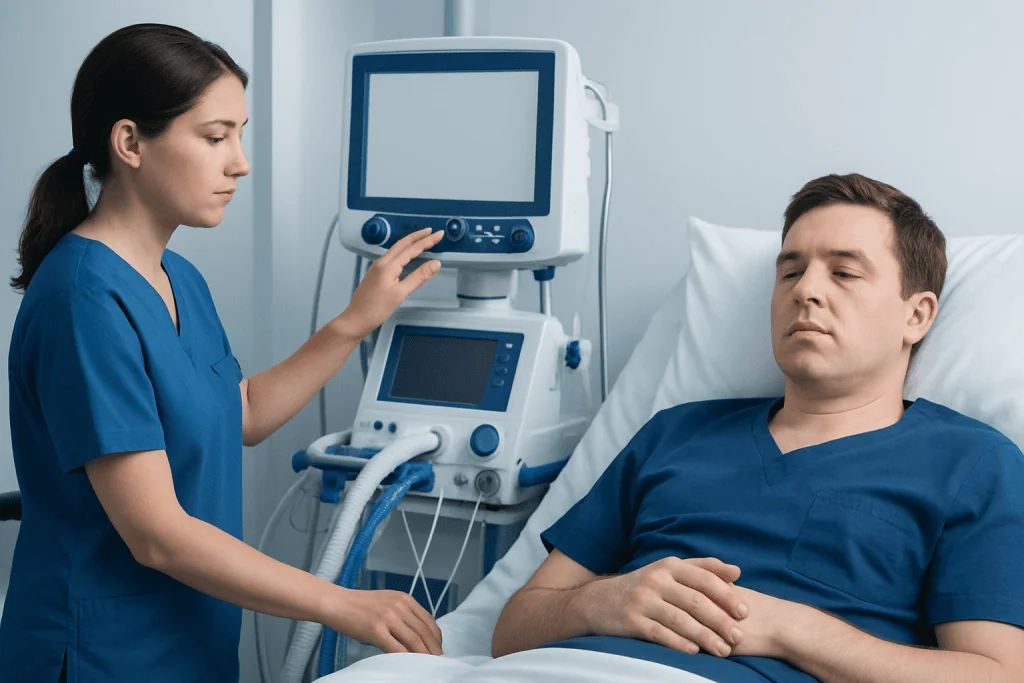
The hallmark of myasthenia gravis is fluctuating muscle weakness. Symptoms often worsen with repeated activity, later in the day, during illness, after poor sleep, or in hot weather. Rest may temporarily improve strength, which is one reason the condition can seem unpredictable.
Eye symptoms are common, especially at the beginning. A person may notice one or both eyelids drooping, double vision, or difficulty keeping the eyes aligned. These symptoms may vary from hour to hour. When weakness is limited to the eye muscles for an extended period, it is called ocular myasthenia gravis; if other muscles are involved, it is called generalized myasthenia gravis.
Other symptoms may include facial weakness, a soft or nasal voice, chewing fatigue, choking or coughing when eating, difficulty swallowing, neck weakness, and weakness in the arms or legs. The pattern is often not the same as ordinary tiredness. For example, a person may walk normally in the morning but struggle with stairs later, or speak clearly at first and then become hoarse or slurred during a long conversation.
- Drooping eyelids or double vision
- Fatigue while chewing or swallowing
- Changes in speech, such as a nasal or weak voice
- Difficulty holding up the head
- Arm or leg weakness that worsens with use
- Shortness of breath or reduced breathing strength during a flare-up
Causes and Risk Factors

Myasthenia gravis is caused by an immune system error. In many patients, antibodies target acetylcholine receptors, which normally receive nerve signals at the muscle surface. In others, antibodies target proteins such as MuSK or LRP4, which help organize the neuromuscular junction. Some patients have symptoms and test results consistent with myasthenia gravis even when standard antibody tests are negative.
The thymus gland, located in the upper chest behind the breastbone, is linked to the immune changes seen in some people with myasthenia gravis. The thymus may be enlarged, unusually active, or rarely contain a tumor called a thymoma. For this reason, imaging of the chest is often recommended after diagnosis, especially in adults with generalized disease.
Risk factors are not always clear. The condition may be more common in younger adult women and older adult men, but it can affect people of any sex or age, including children. It can also occur with other autoimmune conditions, such as thyroid disease, rheumatoid arthritis, or lupus. Having one autoimmune disease does not mean a person will definitely develop myasthenia gravis, but it may prompt clinicians to look more carefully for related symptoms.
Certain triggers may worsen symptoms in someone who already has myasthenia gravis. These can include infections, surgery, emotional or physical stress, sleep deprivation, pregnancy or the postpartum period, and some medications. Patients should not stop prescribed medicines on their own, but they should tell every healthcare professional involved in their care that they have myasthenia gravis.
How Myasthenia Gravis Is Diagnosed
Diagnosis begins with a detailed medical history and neurological examination. The doctor asks how weakness changes with activity and rest, whether eye, speech, swallowing, or breathing symptoms are present, and whether symptoms fluctuate during the day. During the examination, the clinician may test eyelid strength, eye movements, facial muscles, neck strength, limb strength, reflexes, and sensation.
Blood tests can look for antibodies associated with myasthenia gravis, including acetylcholine receptor antibodies, MuSK antibodies, and sometimes LRP4 antibodies. A positive antibody result strongly supports the diagnosis, but a negative result does not always exclude it. The doctor may also check thyroid function or screen for other autoimmune conditions when clinically appropriate.
Specialized electrical tests are often used to assess nerve-to-muscle communication. Repetitive nerve stimulation can show a characteristic decline in muscle response. Single-fiber electromyography, often called single-fiber EMG, is a highly sensitive test that detects abnormal variability in muscle fiber activation. These tests are part of neurophysiology testing and are especially useful when symptoms are mild, fluctuating, or antibody tests are negative.
Additional tests may be needed to evaluate complications or related conditions. Chest CT or MRI can assess the thymus gland. Pulmonary function tests may measure breathing strength in patients with generalized symptoms. If eye symptoms are prominent, evaluation by specialists in neuro-ophthalmology can help distinguish ocular myasthenia gravis from other causes of double vision or drooping eyelids.
Treatment Options
Treatment is individualized according to symptom severity, antibody type, age, other medical conditions, pregnancy plans, thymus findings, and response to previous therapy. Some treatments improve nerve-muscle signaling quickly, while others reduce abnormal immune activity over weeks or months. The goal is to control symptoms with the safest effective plan and to prevent severe flare-ups.
Pyridostigmine is commonly used to improve communication at the neuromuscular junction and may help with day-to-day weakness. It does not treat the underlying autoimmune process, so patients with generalized or more persistent symptoms may need immune-directed treatment. Corticosteroids and steroid-sparing immunosuppressive medicines such as azathioprine, mycophenolate, cyclosporine, or tacrolimus may be considered. These require monitoring because benefits, side effects, and timing of response differ from person to person.
For more severe disease, difficult-to-control symptoms, or specific antibody patterns, targeted therapies may be appropriate. These may include rituximab, complement inhibitors, or FcRn inhibitors, depending on the patient profile and local availability. During a significant flare-up or before certain procedures, intravenous immunoglobulin or plasma exchange may be used to improve strength more rapidly. These treatments are typically supervised by specialists familiar with neuroimmunology and neuromuscular care.
Thymectomy, surgery to remove the thymus gland, is recommended for patients with thymoma and may benefit selected patients with generalized acetylcholine receptor antibody-positive myasthenia gravis. The decision depends on age, disease type, imaging results, surgical risk, and patient preference. Treatment plans should be reviewed regularly because symptoms, life circumstances, and available therapies can change over time.
Living With Myasthenia Gravis: Prevention and Self-Care
There is no proven way to prevent myasthenia gravis from developing, but people diagnosed with the condition can reduce symptom burden and lower the chance of flare-ups. A consistent sleep schedule, pacing activities, taking medicines as prescribed, and planning rest breaks can make daily life more manageable. Many patients learn to schedule demanding tasks for times of day when their strength is usually better.
Infection prevention is important because illnesses can worsen weakness. Patients should discuss recommended vaccinations with their doctor, especially before starting or changing immune-suppressing treatment. If fever, cough, urinary symptoms, or another infection develops, early medical advice can help prevent deterioration. Adequate hydration, balanced nutrition, and safe swallowing strategies are also important for people with chewing or swallowing fatigue.
Medication safety deserves special attention. Some drugs can worsen myasthenia gravis in certain patients, including some antibiotics, magnesium-containing products, beta blockers, and other medicines used for heart rhythm, anesthesia, or muscle relaxation. This does not mean these medicines can never be used, but the prescribing clinician should know about the diagnosis and weigh risks and alternatives carefully.
Emotional adjustment is also part of care. Fluctuating weakness can be frustrating because symptoms may be invisible to others. Patients may benefit from keeping a symptom diary, sharing practical needs with family or colleagues, and asking the healthcare team about exercise, work, travel, pregnancy, and driving. Gentle, individualized physical activity may be helpful when disease is stable, but overexertion should be avoided.
When to See a Doctor
A person should seek medical evaluation if they develop unexplained drooping eyelids, double vision, speech changes, swallowing difficulty, chewing fatigue, or muscle weakness that worsens with use. These symptoms have many possible causes, and early assessment helps identify whether myasthenia gravis or another condition is responsible. Prompt diagnosis allows treatment to begin before weakness becomes more limiting.
Urgent medical care is needed for shortness of breath, difficulty swallowing saliva, repeated choking, inability to speak in full sentences, or rapidly worsening weakness. These symptoms may suggest a myasthenic crisis or impending crisis, in which breathing or airway protection can become unsafe. Hospital-based treatment can support breathing and provide rapid therapies such as intravenous immunoglobulin or plasma exchange when needed.
Patients already diagnosed with myasthenia gravis should contact their doctor before surgery, when starting a new medication, during pregnancy planning, or if symptoms change despite treatment. Follow-up visits are important to monitor medication effects, adjust therapy, and screen for related conditions. At Acibadem International, multidisciplinary specialists in JCI-accredited hospitals diagnose and treat myasthenia gravis for international patients, coordinating neurological, respiratory, imaging, surgical, and rehabilitation needs when appropriate.
Frequently asked questions
Is myasthenia gravis curable?
Myasthenia gravis is usually considered a chronic condition rather than a simple curable illness. However, many people achieve very good symptom control, and some have long periods of minimal or no symptoms with treatment. The outlook depends on the type of disease, antibody status, thymus findings, and response to therapy.
What is the first sign of myasthenia gravis?
Drooping eyelids and double vision are common early signs. Some people first notice fatigue while chewing, a change in voice, trouble swallowing, or weakness in the neck, arms, or legs. Symptoms often fluctuate, which can make them easy to overlook at first.
How is myasthenia gravis testing done?
Testing usually includes a neurological examination, blood tests for specific antibodies, and electrical tests that measure nerve-to-muscle signaling. Chest imaging may be ordered to evaluate the thymus gland. In some cases, additional eye, breathing, or swallowing assessments are needed.
Can myasthenia gravis affect breathing?
Yes, in some people the condition can weaken the muscles used for breathing. Shortness of breath, difficulty speaking in full sentences, or rapidly worsening weakness should be assessed urgently. With prompt medical care, breathing-related flare-ups can be treated and monitored safely.
Can people with myasthenia gravis exercise?
Many people can exercise when their symptoms are stable, but activity should be individualized and paced. Gentle exercise, rest breaks, and avoiding overheating may help prevent excessive fatigue. Patients should ask their doctor or rehabilitation specialist what level of activity is safe for their condition.
Are there medicines that should be avoided with myasthenia gravis?
Some medicines may worsen weakness in certain patients, including some antibiotics, magnesium products, beta blockers, and drugs used during anesthesia. These medications are not always forbidden, but they should be used with caution and medical supervision. Patients should tell every healthcare professional that they have myasthenia gravis before starting a new treatment.
References
- National Institute of Neurological Disorders and Stroke
- Myasthenia Gravis Foundation of America
- American Academy of Neurology
- European Academy of Neurology
- Mayo Clinic
This article is for general information only and is not a substitute for professional medical advice. Please consult a qualified doctor about your individual situation.
Myasthenia Gravis in Turkey — costs, top hospitals & a free quote
JCI-accredited · board-certified surgeons · reply within 24h

Related Treatments
Related Conditions
More from the Health Library



Related Specialists

Prof. Dr. Ayşe Sağduyu Kocaman
Neurology
Prof. Dr. Mehmet Zafer Berkman
Neurosurgery
Prof. Dr. Pınar Yalınay Dikmen
Neurology
Prof. Dr. Elif Ilgaz Aydınlar
Neurology