Hysteroscopy Before IVF: When Uterine Evaluation May Improve Planning

Hysteroscopy is a direct visual examination of the uterine cavity using a thin camera passed through the cervix. It is not required for every IVF patient, but it may be helpful when ultrasound is abnormal, bleeding is unusual, or previous IVF attempts have not succeeded.
Key Takeaways
- Hysteroscopy is a direct visual examination of the uterine cavity using a thin camera passed through the cervix.
- It is not required for every IVF patient, but it may be helpful when ultrasound is abnormal, bleeding is unusual, or previous IVF attempts have not succeeded.
- Common findings include endometrial polyps, submucosal fibroids, adhesions, inflammation, or a uterine septum.
- Some problems can be treated during the same procedure, which may improve the uterine environment before embryo transfer.
- The decision should be individualized after reviewing medical history, imaging results, previous treatments, and IVF plans.
Hysteroscopy before IVF is a targeted way to look inside the uterus when a fertility team needs more detail than ultrasound can provide. It may help identify and sometimes treat uterine cavity problems that can affect embryo transfer planning or implantation.
Overview
Hysteroscopy before IVF is a procedure used to examine the inside of the uterus, also called the uterine cavity. A very thin telescope-like camera is gently passed through the vagina and cervix, allowing the doctor to see the endometrium and the shape of the cavity directly. This can provide information that routine ultrasound may suggest but cannot always confirm.
In an IVF cycle, the embryo must be transferred into a uterine cavity that is prepared to receive it. Many factors influence implantation, including embryo quality, hormonal preparation, age, genetics, and uterine health. Hysteroscopy focuses on the uterine part of that equation by checking whether there are polyps, fibroids, scar tissue, a septum, or other findings that could affect planning.
Hysteroscopy is best understood as a selective tool rather than a universal requirement. For some patients preparing for IVF treatment, a high-quality ultrasound and standard fertility assessment may be enough. For others, especially those with symptoms or previous unsuccessful transfers, direct visualization may help the fertility team make a clearer and more personalized plan.
When Hysteroscopy May Be Considered Before IVF
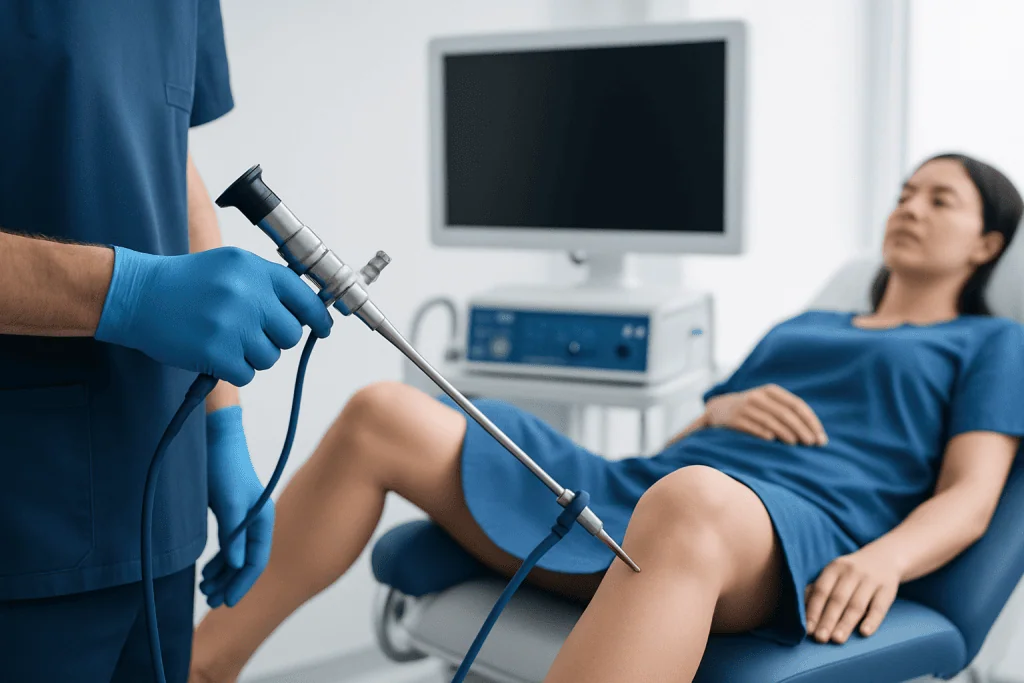
Fertility specialists usually consider hysteroscopy when there is a specific reason to inspect the uterine cavity more closely. The most common reason is an abnormal or uncertain finding on transvaginal ultrasound, saline infusion sonography, or hysterosalpingography. For example, a suspected polyp or fibroid that projects into the cavity may need confirmation before treatment decisions are made.
Hysteroscopy may also be discussed after repeated implantation failure, recurrent miscarriage, difficult embryo transfers, or unexplained infertility where other tests have not clarified the cause. It can be useful in patients with a history of uterine surgery, previous curettage, pelvic infection, intrauterine adhesions, or congenital uterine differences. These factors can sometimes change the shape or lining of the uterus in ways that are relevant to embryo transfer.
Possible indications include:
- Abnormal uterine bleeding, spotting between periods, or bleeding after treatment cycles
- Suspected endometrial polyp, submucosal fibroid, uterine septum, or adhesions
- Repeated unsuccessful embryo transfers despite apparently good-quality embryos
- Recurrent pregnancy loss where uterine factors need assessment
- Previous uterine procedures, infection, or difficult embryo transfer
What Hysteroscopy Can Find
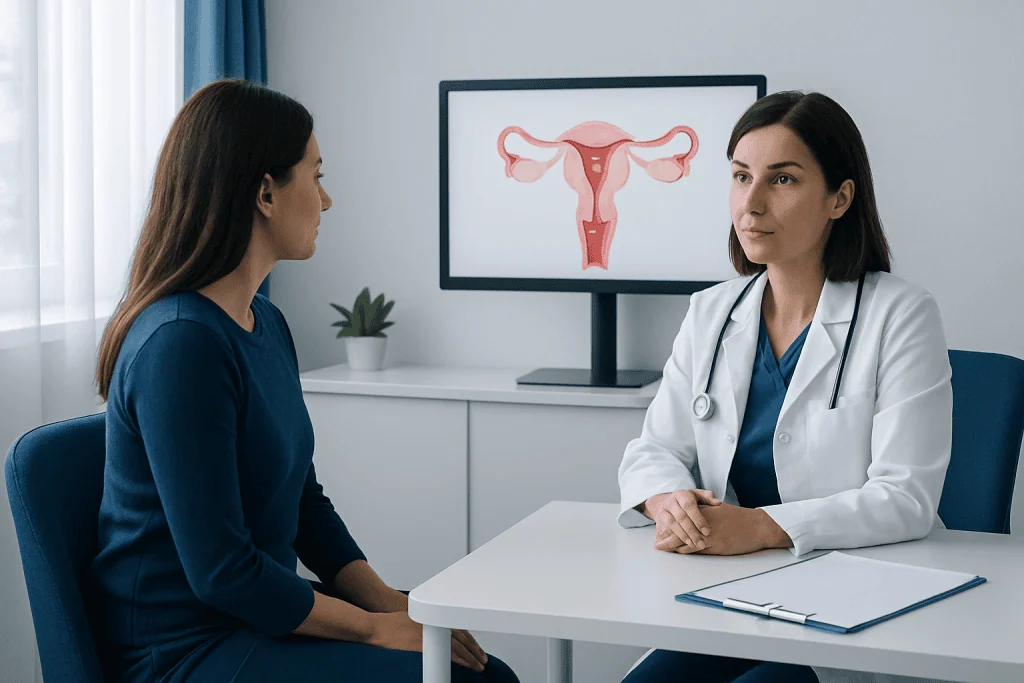
One of the main advantages of hysteroscopy is that it allows the doctor to see the uterine cavity directly. Endometrial polyps are among the most frequent findings. These are usually benign overgrowths of the uterine lining, and depending on their size and location, they may interfere with embryo implantation or make the transfer plan less predictable.
Submucosal fibroids are another important finding. Fibroids are noncancerous muscle growths of the uterus, but only those that distort the cavity are typically most relevant to IVF planning. Hysteroscopy can help determine whether a fibroid is protruding into the uterine cavity and whether removal is appropriate before an embryo transfer.
Other findings can include intrauterine adhesions, sometimes called Asherman syndrome, a uterine septum, retained tissue after a previous pregnancy event, or signs of chronic endometrial inflammation. Not every finding requires immediate treatment, and not every treated finding guarantees a successful pregnancy. The value of hysteroscopy is that it gives the clinician more precise information for decision-making within a broader female infertility evaluation.
How the Procedure Is Performed
Hysteroscopy is usually performed in the early part of the menstrual cycle, after bleeding has ended and before ovulation, when the lining is thinner and visibility is clearer. In patients using hormonal preparation, the fertility team may choose timing that fits the overall IVF or frozen embryo transfer plan. The procedure may be done in an outpatient clinic or operating room, depending on whether it is diagnostic only or likely to involve treatment.
During the procedure, the hysteroscope is inserted through the cervix without making any abdominal incision. Sterile fluid is used to gently expand the uterine cavity so the lining and cavity shape can be viewed. Some patients need only local pain relief or mild sedation, while others may receive anesthesia, especially if operative treatment is planned.
A diagnostic hysteroscopy means the doctor is mainly looking and documenting findings. An operative hysteroscopy means small instruments are passed through the hysteroscope to treat a problem, such as removing a polyp, cutting adhesions, or resecting part of a small cavity-distorting fibroid. Patients are usually able to return home the same day, with individualized advice about rest, medications, and when fertility treatment can continue.
Benefits, Limits and Safety
The main benefit of hysteroscopy before IVF is precision. It can confirm whether the uterine cavity is normal, clarify uncertain imaging results, and allow treatment of selected conditions before embryo transfer. For patients who have experienced previous unsuccessful transfers or pregnancy losses, it may also provide reassurance that a key part of the reproductive tract has been carefully assessed.
However, hysteroscopy is not a solution for every IVF challenge. Implantation is complex, and a normal hysteroscopy does not rule out embryo-related factors, hormonal issues, sperm-related factors, genetic causes, immune or clotting concerns in selected cases, or medical conditions that affect pregnancy health. For this reason, it should be integrated into a complete fertility plan rather than viewed as a stand-alone answer.
Hysteroscopy is generally considered safe when performed by trained clinicians, but like all procedures it has possible risks. These may include cramping, light bleeding, infection, fluid-related complications, cervical injury, or rarely uterine perforation. The doctor should explain the expected benefits, alternatives, and risks in the context of the patient’s history before consent is given.
Diagnosis and IVF Planning After Hysteroscopy
After hysteroscopy, the fertility team reviews the findings together with previous tests, ovarian reserve results, semen analysis, embryo development information, and the planned transfer strategy. If the uterine cavity is normal, the team may proceed with the IVF plan with greater confidence. If an abnormality is found and treated, a short healing interval may be recommended before embryo transfer, depending on the type and extent of treatment.
If tissue is removed, such as a polyp or endometrial sample, it may be sent for pathology evaluation. This helps confirm the diagnosis and may identify inflammation or other changes that need medical treatment. In some cases, follow-up imaging or a repeat hysteroscopy is recommended to confirm that the cavity has healed well, especially after treatment for adhesions or a septum.
Planning may also involve choosing between fresh transfer, frozen embryo transfer, embryo freezing before uterine treatment, or additional laboratory techniques such as ICSI when sperm-related factors are present. The best sequence depends on age, ovarian response, embryo availability, uterine findings, and the couple’s overall infertility diagnosis.
Preparation, Recovery and When to See a Doctor
Before hysteroscopy, patients are usually asked about pregnancy possibility, medications, allergies, bleeding history, and previous pelvic infections or surgeries. Some may need a pregnancy test or screening for infection. The care team may advise avoiding intercourse, vaginal medications, or tampons for a short time before or after the procedure, depending on local protocol and the patient’s situation.
Recovery is usually straightforward. Mild cramping and light spotting can occur for a day or two, and many people resume normal activities quickly. The patient should follow the clinic’s instructions about pain relief, bathing, sexual activity, and when to restart fertility medications. If anesthesia or sedation is used, driving and important decisions may need to be avoided for the rest of the day.
A doctor should be contacted promptly if there is heavy bleeding, worsening pelvic pain, fever, foul-smelling discharge, fainting, or symptoms that feel unusual for the patient. People preparing for IVF should also seek medical advice if menstrual patterns change, bleeding persists, or new symptoms appear before embryo transfer. Acibadem International’s multidisciplinary fertility specialists and JCI-accredited hospitals can evaluate uterine factors and coordinate care for international patients when hysteroscopy is part of IVF planning.
Frequently asked questions
Is hysteroscopy necessary before every IVF cycle?
No. Hysteroscopy is not automatically necessary for every person starting IVF. It is usually considered when there are symptoms, abnormal imaging findings, previous failed embryo transfers, recurrent miscarriage, or a history suggesting a possible uterine cavity problem.
Can hysteroscopy improve IVF success?
Hysteroscopy may improve planning when it identifies and allows treatment of a uterine abnormality that could affect implantation. However, IVF success depends on many factors, including embryo quality, age, ovarian response, sperm factors, and overall health. It should be used selectively and discussed with a fertility specialist.
Does hysteroscopy hurt?
Some patients feel mild to moderate cramping, similar to period pain, especially during office hysteroscopy. Pain control options vary and may include oral medication, local anesthesia, sedation, or general anesthesia for more complex procedures. The doctor will recommend an approach based on the planned procedure and the patient’s comfort.
How long after hysteroscopy can IVF or embryo transfer continue?
The timing depends on what was done. If the hysteroscopy was purely diagnostic and normal, treatment may continue quickly according to the IVF schedule. If a polyp, fibroid, adhesions, or septum was treated, the uterus may need time to heal before embryo transfer.
What is the difference between hysteroscopy and saline ultrasound?
Saline ultrasound uses fluid and ultrasound imaging to outline the uterine cavity, while hysteroscopy uses a camera to look directly inside the uterus. Saline ultrasound is less invasive and helpful for screening. Hysteroscopy can confirm findings and, in some cases, treat them during the same procedure.
Can polyps or fibroids come back after hysteroscopy?
Yes, polyps or fibroids can recur in some patients over time. Recurrence risk depends on individual factors such as hormonal environment, age, and the type of lesion. Follow-up is usually personalized according to symptoms, imaging findings, and fertility treatment plans.
References
- European Society of Human Reproduction and Embryology
- American Society for Reproductive Medicine
- American College of Obstetricians and Gynecologists
- Royal College of Obstetricians and Gynaecologists
- National Institute for Health and Care Excellence
This article is for general information only and is not a substitute for professional medical advice. Please consult a qualified doctor about your individual situation.
IVF & fertility treatment in Turkey — success rates and costs
JCI-accredited · board-certified surgeons · reply within 24h
Add us as a Preferred Source to see more of our trusted health content across Google Search, AI Overviews and Discover.
Check your numbers in seconds
BMI, calories, due date, blood pressure and 30+ more clinical calculators — free, instant, doctor-reviewed ranges.

Related Treatments
Related Conditions
More from the Health Library



Related Specialists

Prof. Dr. Bülent Tıraş
Gynecology & Obstetrics
Prof. Dr. Mete Güngör
Gynecology & Obstetrics
Prof. Dr. Faruk Suat Dede
Gynecology & Obstetrics
Prof. Dr. Tansu Küçük
Gynecology & Obstetrics