

Cosmetic Gynecology: Common Procedures and Recovery

Cosmetic gynecology may be considered for appearance concerns, physical discomfort, or changes after childbirth, aging, or weight loss. Common procedures can include labiaplasty, vaginal tightening procedures, and selected non-surgical treatments.
Key Takeaways
- Cosmetic gynecology may be considered for appearance concerns, physical discomfort, or changes after childbirth, aging, or weight loss.
- Common procedures can include labiaplasty, vaginal tightening procedures, and selected non-surgical treatments.
- A thorough consultation helps determine whether symptoms are functional, aesthetic, or both.
- Recovery times differ, but most patients need temporary limits on exercise, sexual activity, and friction.
- Choosing a qualified gynecologic, plastic, or reconstructive surgeon is important for safety and appropriate expectations.
Cosmetic gynecology refers to a group of procedures focused on the appearance, comfort, and function of the female genital area. Recovery varies by procedure, and the best outcomes come from careful evaluation, realistic expectations, and specialist follow-up.
Overview
Cosmetic gynecology is an umbrella term for procedures that address the appearance, comfort, or function of the vulva and vagina. Some patients seek treatment because of visible changes, while others want relief from irritation, pulling, or discomfort during activity or intimacy.
The topic is sometimes called aesthetic genital surgery. It is important to note that many concerns in this area are common and medically normal. A specialist consultation helps clarify whether a person is a good candidate, what results are realistic, and whether a surgical or non-surgical approach is most appropriate.
In some cases, treatment overlaps with reconstructive goals rather than purely cosmetic ones. For example, changes after childbirth, tissue stretching, scarring, or asymmetry may lead a clinician to discuss options within aesthetic genital surgery or related reconstructive care.
Common Procedures
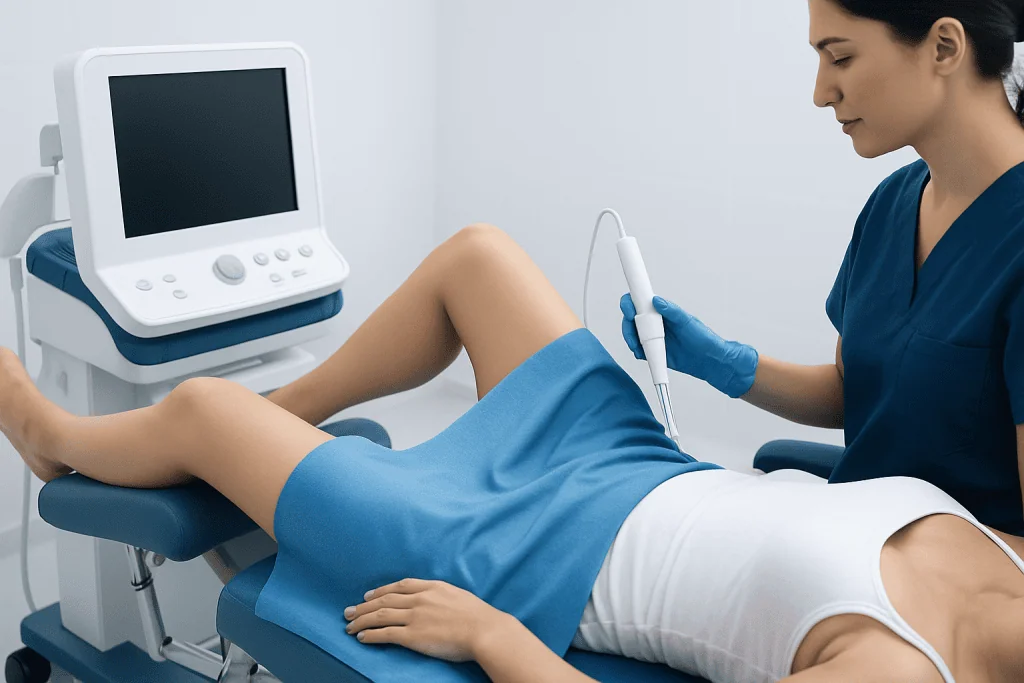
The most well-known procedure is labiaplasty, which reduces or reshapes the labia minora or, less commonly, the labia majora. Some patients choose this because of tugging, chafing, difficulty with clothing, or self-consciousness about asymmetry.
Other procedures may include vaginoplasty or vaginal tightening surgery, which aims to narrow or support the vaginal canal in selected cases. Some clinics also offer procedures marketed as vaginal rejuvenation, which may be surgical or energy-based; however, suitability depends on the person’s anatomy, symptoms, and medical history.
Reconstructive options may also address skin excess, contour changes, or tissue laxity around the pubic or genital region. In a broader body-contouring context, a specialist may discuss options that are part of body contouring or other related aesthetic procedures when the concern extends beyond the genital area.
- Labiaplasty: reshaping or reducing the labia
- Vaginoplasty: tightening or reconstructing vaginal support
- Clitoral hood reduction: selected cases, usually with careful planning
- Non-surgical energy-based treatments: limited situations and individualized use
Symptoms and Reasons Patients Seek Care

Patients often request cosmetic gynecology for a mix of physical and emotional reasons. Physical concerns can include irritation from clothing, discomfort with exercise, pain during intercourse, or repeated rubbing during daily activities.
Some people are bothered by asymmetry, size differences, or changes after pregnancy, childbirth, aging, or major weight change. Others may simply feel uneasy about the appearance of the area and want a specialist opinion about normal variation and possible options.
Because symptoms can overlap with medical conditions such as skin disorders, infections, pelvic floor problems, or hormone-related changes, a careful evaluation is important. A clinician may recommend treating an underlying cause first, or may confirm that a cosmetic procedure is appropriate for the patient’s goals.
Causes and Risk Factors
There is no single cause for why someone considers cosmetic gynecology. Natural anatomical variation is very common, and many people notice differences in size, shape, or symmetry without any illness being present.
Pregnancy and vaginal delivery can change tissue support and softness. Aging, lower estrogen levels, high-impact sports, repeated friction, and weight changes can also influence the appearance or comfort of the genital area.
Risk factors are usually related to the reason for seeking care rather than to a disease itself. Patients with prior surgery, scarring, chronic irritation, active infections, uncontrolled diabetes, bleeding disorders, or poorly healed wounds may need extra assessment before any procedure is planned.
Diagnosis and Consultation
Diagnosis in cosmetic gynecology begins with a detailed consultation. The specialist asks about symptoms, childbirth history, prior surgeries, current medications, smoking, and any concerns about appearance, comfort, or sexual function.
An examination is used to assess anatomy, tissue quality, symmetry, tenderness, scarring, and whether there are signs of infection, skin disease, or pelvic floor issues. In some cases, the clinician may recommend pelvic floor assessment, hormone evaluation, or additional testing if another condition seems more likely.
The goal is not only to identify a possible procedure, but also to confirm that the patient understands expected healing, limitations, and likely outcomes. A good consultation should include alternatives, including no treatment, because cosmetic surgery is elective and should always be chosen for the right reasons.
Treatment Options
Treatment depends on the concern being addressed. Surgical options are used when there is excess tissue, laxity, asymmetry, or a structural issue that is unlikely to improve with conservative measures. Non-surgical options may be considered for selected patients, but they are not appropriate for everyone.
When surgery is planned, the procedure may be done under local anesthesia with sedation or under general anesthesia, depending on the extent of treatment and the patient’s health. The surgeon usually aims to preserve natural function while improving comfort or appearance in a balanced way.
Some patients may be better served by a reconstructive approach if symptoms are caused by childbirth injury, scar tissue, or prior operations. In those settings, the conversation may include related procedures such as cosmetic and aesthetic surgery principles that help tailor the plan to the individual rather than using a one-size-fits-all method.
It is also important to understand that energy-based treatments and advertised “rejuvenation” procedures have varying levels of evidence and should only be considered after discussion with a qualified specialist who can explain benefits, limits, and potential risks.
Recovery and Aftercare
Recovery time depends on the procedure, the amount of tissue treated, and the person’s healing response. Mild swelling, bruising, and tenderness are common after surgery and usually improve gradually. Most patients are advised to keep the area clean and dry and to avoid tight clothing that can cause rubbing.
Temporary restrictions often include avoiding strenuous exercise, biking, tampon use, and sexual activity until the surgeon confirms healing is adequate. Sitting comfort can improve with position changes, cushions, and careful activity planning during the early days after surgery.
Follow-up visits are an important part of care because they allow the clinician to check healing, answer questions, and advise when normal routines can resume. Patients should use only the medications and wound-care instructions provided by their own surgical team and should not apply home remedies or unapproved products to the area.
When appropriate, multidisciplinary specialists at Acibadem International and JCI-accredited hospitals can evaluate and treat these concerns for international patients in a coordinated way.
Prevention, Self-care, and When to See a Doctor
Not all concerns can or should be prevented, because natural anatomy varies widely. Still, self-care can reduce irritation: choose breathable underwear, avoid harsh soaps, manage skin dryness, and treat infections promptly under medical guidance.
For people considering a procedure, it helps to pause smoking before surgery if advised, maintain good general health, and discuss all medications and supplements during consultation. Setting realistic expectations is also part of good preparation, because cosmetic gynecology aims for improvement, not perfection.
A doctor should be consulted if there is persistent pain, bleeding, a new lump, recurrent infections, or discomfort that affects daily life. A specialist opinion is also valuable when someone is unsure whether the issue is normal variation, a medical problem, or a suitable candidate for treatment.
Prompt review is especially important before any elective procedure if there is an active infection, unexplained discharge, severe irritation, or a history of poor wound healing. Careful evaluation helps ensure the safest and most appropriate plan.
Living With Your Decision
Choosing cosmetic gynecology is a personal decision, and it should be based on informed consent, not pressure from a partner, social media, or unrealistic beauty standards. Many patients benefit from discussing goals openly with a compassionate specialist who can explain both medical and emotional aspects of the decision.
If the procedure is not clearly indicated, non-surgical management, reassurance, or counseling may be the best option. If surgery is appropriate, a clear recovery plan and realistic timeline can help patients feel more confident and prepared.
Patients who take time to understand the procedure, healing process, and possible limitations are more likely to feel satisfied with their care. A thoughtful consultation is often the most important step in the process.
Frequently asked questions
What is cosmetic gynecology?
Cosmetic gynecology is a group of procedures that address the appearance, comfort, or function of the vulva and vagina. It may involve surgery or, in selected cases, non-surgical treatments. A specialist uses the consultation to decide whether the concern is mainly cosmetic, functional, or both.
Is labiaplasty the same as cosmetic gynecology?
Labiaplasty is one procedure within cosmetic gynecology, but it is not the only one. Other options may address vaginal support, scarring, asymmetry, or tissue laxity. The right procedure depends on the patient’s anatomy and goals.
How long does recovery usually take?
Recovery varies by procedure and by individual healing. Mild swelling and tenderness are common early on, and the surgeon usually gives guidance on when to return to work, exercise, and sexual activity. Follow-up visits are important to make sure healing is progressing normally.
Will cosmetic gynecology improve sexual function?
Some patients report improved comfort or confidence after treatment, especially if the original problem caused pain or irritation. However, results are individual, and surgery is not guaranteed to change sexual function. The potential benefits and limits should be discussed in detail before treatment.
Are non-surgical treatments effective?
Non-surgical options may help selected patients, but they are not suitable for everyone and the evidence varies by treatment type. A qualified specialist should explain what is known, what is uncertain, and whether a procedure is truly appropriate for the patient’s concern.
When should someone avoid elective treatment?
Elective treatment is usually postponed if there is an active infection, unexplained bleeding, or poor overall health that could increase risk. A clinician may also recommend waiting if expectations are unclear or if the concern would be better managed with another type of care.
References
- American College of Obstetricians and Gynecologists
- Royal College of Obstetricians and Gynaecologists
- American Society of Plastic Surgeons
- International Society of Aesthetic Plastic Surgery
- Mayo Clinic
This article is for general information only and is not a substitute for professional medical advice. Please consult a qualified doctor about your individual situation.
Cosmetic Gynecology in Turkey — costs, top hospitals & a free quote
JCI-accredited · board-certified surgeons · reply within 24h
Add us as a Preferred Source to see more of our trusted health content across Google Search, AI Overviews and Discover.

Gynecology & Obstetrics
Women’s health across pregnancy, gynecologic surgery and high-risk pregnancy care.
187 specialists in this unitRelated Treatments
Related Conditions
More from the Health Library



Related Specialists

Prof. Dr. Şükrü Yazar
Aesthetic Plastic & Reconstructive Surgery
Assoc. Prof. Dr. Erdem Güven (m)
Aesthetic Plastic & Reconstructive Surgery
Prof. Dr. Hakan Ağır
Aesthetic Plastic & Reconstructive Surgery
Prof. Dr. Bülent Saçak
Aesthetic Plastic & Reconstructive Surgery