

Arm Lift Surgery: How to Prepare and What Happens on the Day

Arm lift surgery is planned after a consultation that reviews goals, health history, and skin quality. Preparation usually includes medical tests, medication review, smoking cessation, and arranging help at home.
Key Takeaways
- Arm lift surgery is planned after a consultation that reviews goals, health history, and skin quality.
- Preparation usually includes medical tests, medication review, smoking cessation, and arranging help at home.
- On the day of surgery, the care team confirms the plan, marks the arms, reviews anesthesia, and monitors the patient closely.
- Recovery is gradual, and following wound care, activity limits, and follow-up visits supports healing.
- Patients should contact their doctor promptly if they notice unusual pain, bleeding, fever, or wound changes.
Arm lift surgery, also called brachioplasty, is performed to remove excess skin and refine the shape of the upper arms. Knowing how to prepare and what to expect on the day can help patients feel more organized and confident.
Overview
Arm lift surgery, or brachioplasty, is a procedure designed to reshape the upper arms by removing excess skin and sometimes small amounts of fat. It is commonly considered by people who have loose, hanging skin after major weight loss, aging-related skin laxity, or changes in body shape that do not improve with exercise alone.
The main goal is a smoother, more defined arm contour. In some cases, arm lift surgery may be combined with arm liposuction or discussed alongside broader body contouring plans when a person has multiple areas of concern. The exact surgical approach depends on skin elasticity, tissue volume, and the amount of reshaping needed.
This article explains how patients typically prepare, what happens before and during the procedure, and what to expect on the day of surgery. While every hospital and surgeon has its own process, the overall experience usually follows a predictable sequence that helps support safety and comfort.
Who May Be a Candidate
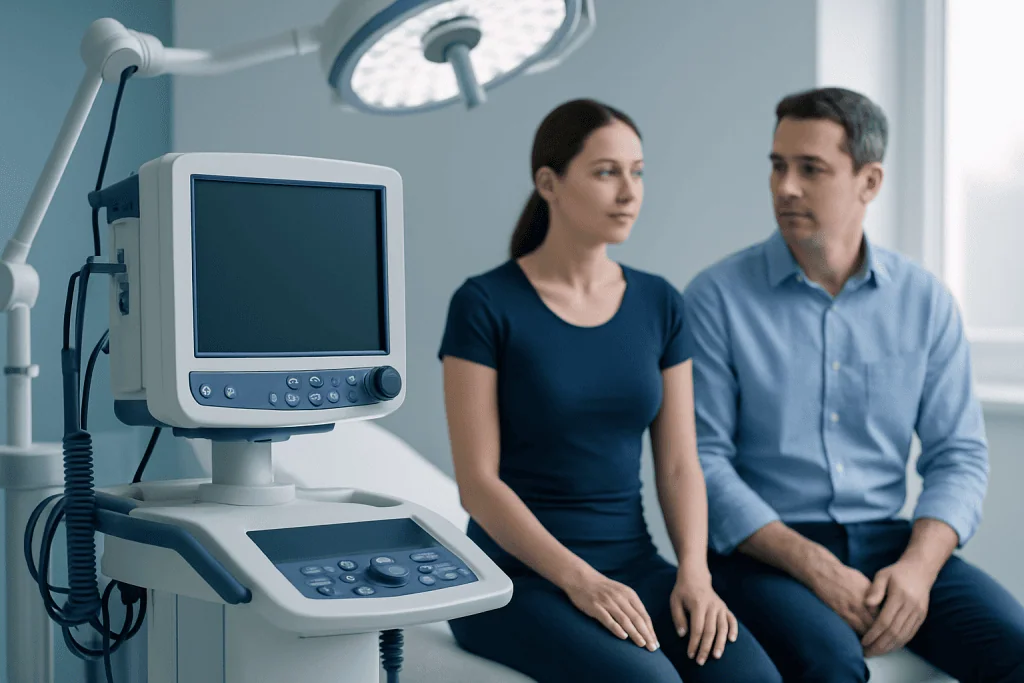
People who consider arm lift surgery often feel that loose upper-arm skin affects clothing choices, confidence, or comfort during movement. A good candidate is usually someone whose weight has been relatively stable and who understands that surgery can improve shape, but it cannot completely change natural body proportions or prevent future skin changes.
During consultation, the surgeon reviews the skin quality, the amount of excess tissue, general health, and whether any previous surgery or weight changes may affect planning. In some cases, a person may also discuss whether a more comprehensive procedure such as body aesthetics is more appropriate, especially if there are several areas to address.
Patients are generally encouraged to be honest about medical conditions, medicines, allergies, smoking, and past healing problems. This helps the care team decide whether surgery is suitable and what precautions may be needed.
How to Prepare Before Surgery

Preparation usually starts with a detailed consultation and medical review. The surgeon may ask about past operations, current medications, supplements, bleeding disorders, diabetes, blood pressure problems, and any history of poor wound healing or infection. Depending on the situation, preoperative tests may be requested to make sure the person is ready for anesthesia and surgery.
Medication instructions are important. Some medicines and supplements can increase bleeding risk or interact with anesthesia, so the care team may advise temporary changes before surgery. Patients should only adjust medications under medical guidance.
Other common preparation steps include:
- Stopping smoking or nicotine use before surgery, as advised by the doctor
- Arranging a ride home and help with daily tasks for the first few days
- Preparing loose, front-opening clothing that will not rub the arms
- Setting up a comfortable recovery area with needed supplies within easy reach
- Following fasting instructions if general anesthesia or sedation is planned
For some patients, the surgeon may discuss combining arm reshaping with related procedures such as classic liposuction or bariatric contouring when body-contouring goals are broader. These decisions are individualized and should be based on safety, tissue quality, and recovery needs.
What Happens in the Days Before
In the final days before surgery, the clinic usually confirms the time, fasting instructions, and arrival details. Patients may be asked to complete consent forms and review post-operative instructions so they know what to expect after the procedure. This is also a good time to ask questions about scars, dressings, drains, activity limits, and follow-up visits.
The surgeon may mark the surgical plan in advance or on the day of the procedure, depending on hospital workflow. These markings guide incision placement and help tailor the surgery to the person’s anatomy. Patients should avoid using creams, lotions, deodorant, or products on the arms if they are told not to on surgery day.
It is also helpful to plan practical matters ahead of time, such as childcare, work leave, transport, and meal preparation. A calm, organized recovery environment can make the first few days after surgery easier.
What Happens on the Day of Surgery
On the day of arm lift surgery, the patient usually checks in, confirms identity, and meets the care team. Vital signs are taken, the surgical plan is reviewed, and the arms may be photographed or marked again for accuracy. The anesthesiologist or anesthesia team explains the anesthesia plan and answers questions about comfort and monitoring.
Most arm lift procedures are performed under general anesthesia, although the exact method depends on the patient and the surgical plan. Once the patient is asleep or fully comfortable, the surgeon makes the planned incisions, removes excess skin and, when appropriate, addresses small fat deposits. The tissue is then reshaped, the skin is closed carefully, and dressings are applied.
Some patients may go home the same day, while others may stay longer if the operation is more extensive or if the surgeon wants additional observation. The team typically checks pain control, arm circulation, and early recovery before discharge. If the procedure is part of a larger plan, such as arm lift or paired with other body-shaping care, the surgical and recovery steps are adjusted accordingly.
Recovery After the Procedure
Recovery begins as soon as surgery is complete. The arms may feel tight, swollen, or sore for a period of time, and dressings or compression garments may be recommended to support healing and reduce swelling. The care team will explain how to care for incisions, when to shower, and what activities should be avoided.
Patients are commonly advised to keep the arms elevated when resting and to avoid lifting, pushing, or strenuous upper-body activity until the surgeon says it is safe. Gentle walking is often encouraged early on to support circulation, but the exact pace of return to normal activity varies from person to person.
Follow-up visits allow the surgeon to check healing, remove sutures or drains if present, and review scar care. Scars usually improve gradually over time. Good wound care, sun protection, and adherence to instructions can all support a smoother recovery.
Possible Risks and How They Are Managed
Like any surgery, arm lift surgery has potential risks. These can include bleeding, infection, wound healing problems, fluid buildup, changes in skin sensation, visible scarring, and uneven contour. The chance of complications is influenced by overall health, smoking status, tissue quality, and how closely post-operative instructions are followed.
Most risks are reduced through careful planning, sterile technique, anesthesia monitoring, and close follow-up. Patients can also help by reporting symptoms early, protecting the incision area, and avoiding smoking and heavy activity while healing.
It is normal for the arms to feel different during recovery, especially because swelling and tissue adjustment take time. The surgical team can explain which changes are expected and which changes should be reported promptly.
When to See a Doctor
Patients should contact their surgeon or medical team if they notice fever, increasing redness, worsening swelling, unusual drainage, bleeding that does not stop, severe pain that is not improving, or a wound that appears to be opening. New shortness of breath, chest pain, or sudden leg swelling requires urgent medical attention.
Even when recovery is progressing well, follow-up visits are important. They allow the surgeon to assess healing, answer questions, and guide the next steps in activity, scar care, and return to work or exercise. If anything feels unexpected, it is better to ask early rather than wait.
For international patients, Acibadem International provides access to multidisciplinary specialists and JCI-accredited hospitals that diagnose and treat arm lift surgery and related body-contouring needs in a coordinated setting.
Frequently asked questions
What is the main purpose of arm lift surgery?
The main purpose is to remove excess upper-arm skin and create a smoother, more toned contour. It is especially helpful when loose skin does not respond to exercise or weight stability alone. The procedure can also improve comfort in clothing and daily movement for some patients.
How should a patient prepare for an arm lift surgery consultation?
Patients should bring a list of medications, supplements, allergies, and previous surgeries, along with questions about goals and recovery. It is also helpful to think about weight stability, smoking status, and any medical conditions that may affect healing. Clear communication supports safe, individualized planning.
Do patients need to stop eating before surgery?
If general anesthesia or sedation is planned, fasting is usually required for a certain period before surgery. The exact instructions depend on the hospital and anesthesia team, so patients should follow the written guidance they receive. If there is any confusion, the clinic should be contacted before the procedure day.
Will there be scars after arm lift surgery?
Yes, arm lift surgery leaves scars because excess skin must be removed through incisions. Surgeons place incisions as carefully as possible, but scar length and visibility depend on the amount of skin removed and the chosen technique. Scars typically fade over time, although they do not disappear completely.
Can arm lift surgery be combined with other procedures?
Yes, it may be combined with other body-shaping procedures when appropriate and safe. A surgeon might discuss options such as liposuction or broader contouring if several areas need attention. The final plan depends on health, anatomy, and recovery considerations.
What should a patient do after going home from surgery?
They should follow the surgeon’s instructions for dressings, medications, activity limits, and follow-up appointments. Rest, gentle movement as advised, and careful wound care are important in the early period. Any unusual symptoms should be reported promptly.
References
- American Society of Plastic Surgeons
- International Society of Aesthetic Plastic Surgery
- NHS
- Mayo Clinic
This article is for general information only and is not a substitute for professional medical advice. Please consult a qualified doctor about your individual situation.
Arm Lift in Turkey — costs, top hospitals & a free quote
JCI-accredited · board-certified surgeons · reply within 24h
Add us as a Preferred Source to see more of our trusted health content across Google Search, AI Overviews and Discover.
Check your numbers in seconds
BMI, calories, due date, blood pressure and 30+ more clinical calculators — free, instant, doctor-reviewed ranges.

Plastic, Reconstructive & Aesthetic Surgery
Reconstructive and aesthetic procedures for the face and body, performed by experienced surgeons.
35 specialists in this unitRelated Treatments
Related Conditions
More from the Health Library



Related Specialists

Prof. Dr. Şükrü Yazar
Aesthetic Plastic & Reconstructive Surgery
Assoc. Prof. Dr. Erdem Güven (m)
Aesthetic Plastic & Reconstructive Surgery
Prof. Dr. Hakan Ağır
Aesthetic Plastic & Reconstructive Surgery
Prof. Dr. Bülent Saçak
Aesthetic Plastic & Reconstructive Surgery