Cerebral Cortex Explained: Function, Layers, and Common Disorders

The cerebral cortex is the brain’s outer, highly folded layer responsible for many complex functions. It is organized into lobes and layers that work together for movement, sensation, language, and reasoning.
Key Takeaways
- The cerebral cortex is the brain’s outer, highly folded layer responsible for many complex functions.
- It is organized into lobes and layers that work together for movement, sensation, language, and reasoning.
- Common disorders affecting the cerebral cortex include stroke, epilepsy, dementia, trauma, infections, and tumors.
- Symptoms depend on the affected area and may involve weakness, speech changes, seizures, memory problems, or sensory changes.
- Diagnosis usually includes a neurological exam and imaging such as MRI or CT, sometimes with EEG or other tests.
- Many cortex-related conditions can be treated or managed, especially when evaluated early by a specialist.
The cerebral cortex is the brain’s outer layer and plays a central role in thinking, language, memory, sensation, and voluntary movement. Understanding its structure and common disorders can help patients recognize symptoms early and seek appropriate care.
Overview
The cerebral cortex is the thin, outer layer of the brain that gives humans much of their ability to think, learn, speak, remember, and consciously respond to the world. It is often described as the brain’s “gray matter” and is highly folded to fit a large surface area into the skull.
Although it is only one part of the brain, the cerebral cortex works closely with deeper structures such as the thalamus, basal ganglia, and limbic system. Together, these regions coordinate movement, attention, emotion, sensation, and decision-making.
The cortex is divided into lobes with specialized roles, but no area works alone. Most everyday tasks, from reading to walking to understanding speech, depend on networks spread across the cerebral cortex and connected brain regions.
Function of the Cerebral Cortex
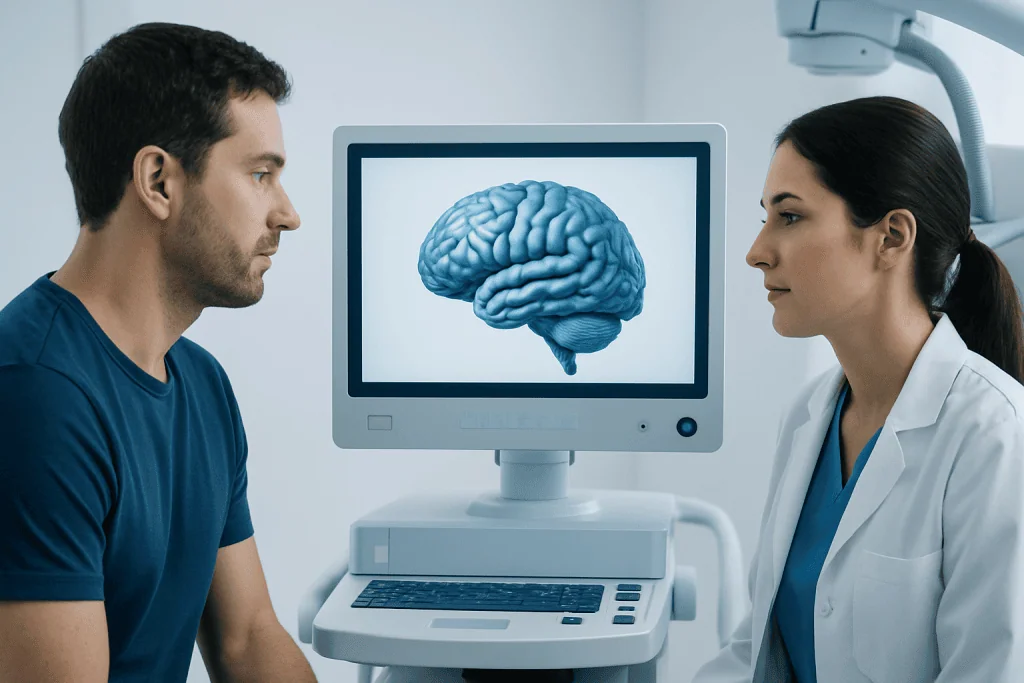
The cerebral cortex supports higher brain functions. It helps a person process what they see, hear, touch, and smell, and it also allows for voluntary movement, language, planning, judgment, and self-awareness.
The frontal lobe is important for movement, problem-solving, behavior, and speech production. The parietal lobe helps interpret touch, spatial awareness, and body position. The temporal lobe plays major roles in hearing, memory, and language comprehension, while the occipital lobe is primarily responsible for vision.
Different cortical areas can become active at the same time. For example, reading a sentence uses visual processing, language comprehension, memory, and attention. This is why disorders affecting the cortex can cause varied symptoms rather than one single clear problem.
Cerebral Cortex Layers and Organization

The cerebral cortex is organized into six microscopic layers in most areas of the brain. These layers contain nerve cells and supporting cells arranged in ways that help information move between cortical regions and other parts of the nervous system.
Each layer has different cell types and connections. Some layers receive incoming signals, while others send signals to other brain areas, the spinal cord, or the body’s sensory systems. This layered structure helps the brain process information efficiently and in an ordered way.
The cortex is also organized into columns and networks that specialize in different tasks. This design allows the brain to integrate sensation, movement, memory, and language in a flexible and adaptable manner.
Common Disorders Affecting the Cerebral Cortex
Several conditions can affect the cerebral cortex. Stroke may interrupt blood flow to cortical tissue and cause sudden weakness, speech difficulty, vision loss, or numbness. Epilepsy can also involve the cortex, where abnormal electrical activity leads to seizures.
Neurodegenerative diseases such as Alzheimer’s disease and other dementias can gradually affect cortical function, especially memory, language, and judgment. Traumatic brain injury, infections such as encephalitis, brain tumors, and inflammatory conditions may also disrupt cortical tissue.
Symptoms depend on which part of the cortex is involved and how much tissue is affected. A person may notice trouble speaking, understanding language, recognizing objects, processing sensations, or controlling movement on one side of the body.
Symptoms That May Suggest Cortical Involvement
Cortical disorders often cause symptoms that reflect the function of the affected brain region. These can appear suddenly, as in stroke or seizure, or develop slowly over time, as in degenerative disease.
Possible signs include:
- Weakness or clumsiness in an arm, leg, or face
- Speech difficulty, word-finding problems, or trouble understanding language
- Seizures or episodes of staring, confusion, or unusual movements
- Memory loss, confusion, or changes in behavior and judgment
- Vision changes or difficulty recognizing objects and people
- Numbness, tingling, or altered sensation
Because symptoms can overlap with other brain conditions, a medical evaluation is important. Even mild or temporary symptoms may deserve prompt attention if they are new or unusual.
Causes and Risk Factors
The causes of cerebral cortex disorders vary widely. Blood vessel problems, including stroke and bleeding, can damage cortical tissue. Head injury, infections, tumors, autoimmune disease, and neurodegenerative processes may also affect the cortex.
Risk factors depend on the condition. For example, high blood pressure, diabetes, smoking, and heart disease increase stroke risk, while a history of seizures, prior brain injury, or certain genetic factors may raise the likelihood of other cortical disorders.
Age can also matter. Some cortex-related conditions are more common in older adults, while others may occur after infection, trauma, or as part of childhood neurologic disorders. A doctor considers both symptoms and risk factors when deciding what tests are needed.
Diagnosis and Evaluation
Evaluation usually begins with a detailed medical history and neurological examination. The clinician may assess speech, memory, coordination, strength, sensation, reflexes, and vision to identify which part of the brain may be involved.
Imaging is often important. MRI can provide detailed views of brain tissue, while CT may be used more quickly in urgent settings such as suspected stroke or trauma. Depending on the symptoms, doctors may also recommend an EEG to evaluate seizure activity or blood tests to look for infection, inflammation, or metabolic causes.
In some cases, further tests such as lumbar puncture, cognitive testing, or specialized imaging are needed. The goal is not only to identify the affected cortical area, but also to determine the underlying cause so treatment can be targeted appropriately.
Treatment, Prevention, and Self-care
Treatment depends on the cause. Stroke care may involve urgent hospital treatment, medicines, rehabilitation, and risk-factor control. Seizure disorders are often managed with anti-seizure medication, while infections, inflammation, or tumors require cause-specific treatment guided by specialists. When appropriate, patients may be referred for neurosurgical evaluation or other advanced care.
Rehabilitation is often a key part of recovery. Physical therapy, occupational therapy, speech-language therapy, and cognitive rehabilitation can help improve independence after many cortex-related conditions. For some patients, working with a multidisciplinary team supports better day-to-day function and adaptation.
Prevention focuses on reducing modifiable risks. Healthy blood pressure, diabetes control, smoking cessation, regular exercise, good sleep, and adherence to prescribed treatment plans may lower the chance of some brain disorders. If a condition is already present, self-care includes taking medicines as directed, attending follow-up visits, and reporting new symptoms promptly. In selected cases, doctors may also discuss brain surgery or deep brain stimulation when these options are appropriate for a specific diagnosis.
Acibadem International’s multidisciplinary specialists and JCI-accredited hospitals diagnose and treat many neurological conditions for international patients, with care planned according to each person’s needs.
When to See a Doctor
Medical assessment is recommended for any new weakness, speech problem, seizure, significant confusion, or sudden vision change. These symptoms can reflect a problem in the cerebral cortex and should not be ignored, especially if they appear abruptly.
A person should also seek care for gradually worsening memory, language changes, unexplained behavior changes, or repeated episodes of loss of awareness. Even when symptoms are mild, they may indicate a condition that benefits from early diagnosis and treatment.
If symptoms are severe, sudden, or accompanied by facial drooping, one-sided weakness, or trouble speaking, urgent emergency evaluation is appropriate. For less urgent concerns, a neurologist or other qualified doctor can help determine the cause and next steps.
Frequently asked questions
What does the cerebral cortex do?
The cerebral cortex helps control thinking, language, memory, sensation, and voluntary movement. It is the part of the brain most associated with conscious awareness and higher mental functions.
How many layers does the cerebral cortex have?
Most areas of the cerebral cortex have six layers. These layers contain different types of cells and connections that help the brain receive, process, and send information.
What are the main lobes of the cerebral cortex?
The main lobes are the frontal, parietal, temporal, and occipital lobes. Each lobe has specialized functions, but they work together as connected networks.
Can cerebral cortex problems cause seizures?
Yes. Abnormal electrical activity in the cerebral cortex can cause seizures, which may look like staring spells, unusual movements, confusion, or loss of awareness. A doctor can help determine the cause and best treatment.
Is every cortex-related symptom a stroke?
No. While stroke is one important cause, cortex-related symptoms can also come from epilepsy, infection, trauma, tumors, or degenerative disease. Medical evaluation is needed to identify the exact cause.
Can the brain recover after cortex injury?
Recovery depends on the cause, the area involved, and how quickly treatment begins. Rehabilitation can help many people regain function and adapt to lasting changes.
References
- National Institute of Neurological Disorders and Stroke
- World Health Organization
- Mayo Clinic
- Alzheimer's Association
This article is for general information only and is not a substitute for professional medical advice. Please consult a qualified doctor about your individual situation.
Explore treatments in Turkey — costs, top hospitals & a free quote
JCI-accredited · board-certified surgeons · reply within 24h
Add us as a Preferred Source to see more of our trusted health content across Google Search, AI Overviews and Discover.

More from the Health Library



Related Specialists

Assoc. Prof. Dr. Müjgan Tek
Cardiology
Prof. Dr. Sefa Müezzinoğlu
Orthopedic Surgery & Traumatology
Prof. Dr. Orhan Demircan
General Surgery
Prof. Dr. Deniz Tuna Edizer
Ear Nose & Throat