Cardiologist vs Heart Doctor: What Cardiology Means and Who to See

Cardiology is the medical specialty that deals with the heart and blood vessels. A cardiologist diagnoses and treats many heart rhythm, circulation, valve, and coronary artery conditions.
Key Takeaways
- Cardiology is the medical specialty that deals with the heart and blood vessels.
- A cardiologist diagnoses and treats many heart rhythm, circulation, valve, and coronary artery conditions.
- Primary care doctors often make the first assessment and refer patients to a cardiologist when needed.
- Some symptoms, such as chest pain, fainting, or sudden shortness of breath, need urgent medical attention.
- Heart care may involve lifestyle changes, medicines, tests, procedures, or surgery depending on the condition.
A cardiologist is the medical specialist most people mean when they say “heart doctor.” Cardiology is the branch of medicine focused on the heart and blood vessels, including prevention, diagnosis, treatment, and long-term care of cardiovascular conditions.
Overview: What cardiology means
Cardiology is the area of medicine that focuses on the heart and blood vessels. It includes the prevention, diagnosis, and treatment of conditions that affect how the heart pumps blood and how blood flows through the body. Because the heart and blood vessels work closely together, cardiology often overlaps with broader cardiovascular care.
When people say “heart doctor,” they often mean a cardiologist. A cardiologist is a physician with advanced training in identifying and managing heart-related problems, such as chest pain, abnormal heart rhythms, high blood pressure, heart failure, and blocked heart arteries. In many cases, a cardiologist also helps lower future risk through screening and preventive care.
Not every heart concern is managed in the same way. Some patients need advice on exercise, diet, and medicines, while others may need imaging tests, minimally invasive procedures, or surgery. This is why cardiology includes several subspecialties, with each focusing on a different aspect of heart health.
Cardiologist vs heart doctor: Is there a difference?
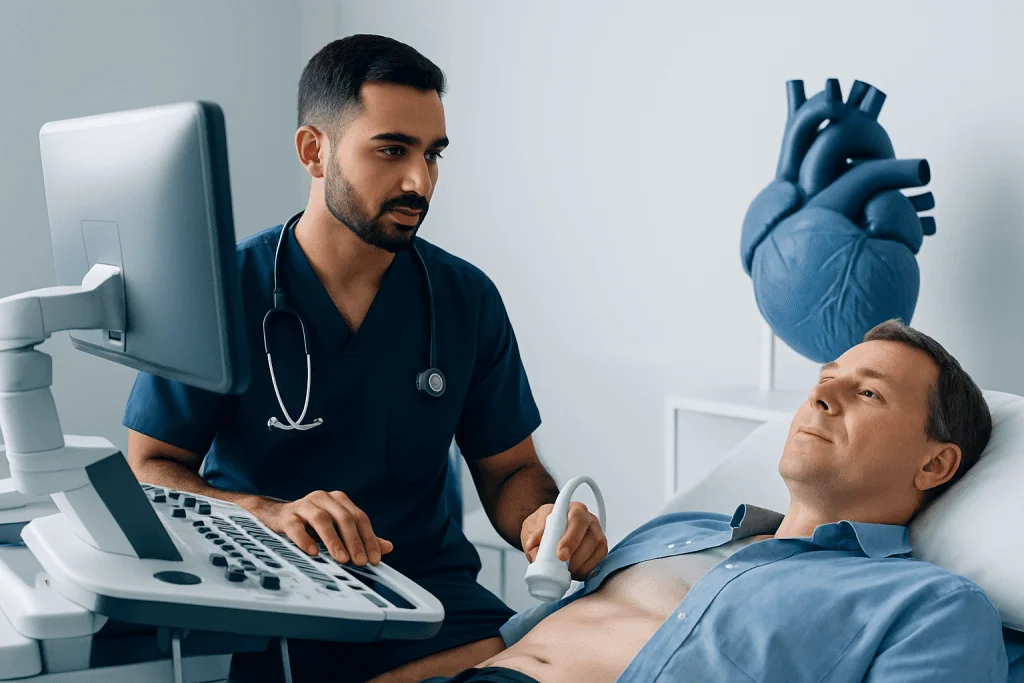
In everyday language, “heart doctor” is a general term, while “cardiologist” is the precise medical title. A cardiologist is trained to evaluate symptoms, interpret heart tests, prescribe medicines, and coordinate treatment for many cardiovascular problems. This may include conditions such as coronary artery disease, heart failure, or rhythm problems that cause palpitations.
However, not every professional involved in heart care is a cardiologist. A primary care doctor may be the first to check blood pressure, cholesterol, or symptoms like fatigue and shortness of breath. If a more detailed heart evaluation is needed, that doctor may refer the patient to a cardiologist.
Some heart doctors are procedural specialists. For example, an interventional cardiologist performs catheter-based procedures to diagnose or open blocked arteries, while an electrophysiologist focuses on the heart’s electrical system. A cardiothoracic surgeon is different again: this surgeon performs operations on the heart and chest, such as valve surgery or bypass surgery.
- Cardiologist: diagnoses and medically manages heart and blood vessel disease
- Interventional cardiologist: performs catheter-based procedures
- Electrophysiologist: treats heart rhythm disorders
- Cardiothoracic surgeon: performs heart surgery when needed
- Primary care doctor: often provides first-line assessment and prevention
What does a cardiologist do?

A cardiologist evaluates symptoms and risk factors to understand how well the heart is functioning. This may involve discussing family history, smoking status, exercise habits, stress, sleep, blood pressure, cholesterol, diabetes, and previous illnesses. The goal is to look at the whole cardiovascular picture rather than a single symptom alone.
Cardiologists commonly diagnose and treat chest discomfort, breathlessness, fainting, leg swelling, high blood pressure, and irregular heartbeat. They may assess conditions such as heart palpitations, valve disease, cardiomyopathy, or circulation problems. They also help people recover after a cardiac event and reduce the risk of future complications.
Treatment does not always mean a procedure. In many cases, care begins with lifestyle measures and medicines to control blood pressure, cholesterol, heart rhythm, or fluid retention. If a procedure is needed, the cardiologist helps decide whether tests such as angiography, catheter-based treatment through interventional cardiology, rhythm treatment with ablation procedures, or surgery may be appropriate.
Long-term follow-up is another important part of cardiology. Many heart conditions are chronic and benefit from regular monitoring. A cardiologist may adjust treatment over time, repeat tests when necessary, and support rehabilitation and prevention, including supervised cardiac rehabilitation after a major heart problem or procedure.
Symptoms and situations that may need a heart specialist
A person may be referred to a cardiologist because of symptoms, abnormal test results, or known risk factors. Common reasons include chest pain, pressure, fluttering in the chest, unexplained fatigue, dizziness, fainting, swelling in the legs, or shortness of breath during activity or while lying down. Sometimes the concern is not a symptom but high blood pressure, a heart murmur, or a strong family history of heart disease.
Referral may also be helpful when symptoms are ongoing or difficult to explain. For example, repeated episodes of racing heartbeat, reduced exercise tolerance, or blood pressure that remains high despite treatment may need specialist assessment. People with diabetes, kidney disease, obesity, smoking history, or high cholesterol may benefit from closer cardiovascular risk review as well.
There are also situations that need urgent or emergency medical attention rather than a routine clinic visit. Sudden severe chest pain, fainting, sudden breathlessness, new weakness on one side, or symptoms suggestive of a heart attack or stroke should be treated as emergencies. In those moments, the priority is emergency care, not waiting for an outpatient appointment.
- Persistent or unexplained chest pain or pressure
- Palpitations, skipped beats, or a racing heartbeat
- Shortness of breath with activity or at rest
- Swelling of the feet, ankles, or legs
- High blood pressure or cholesterol that is hard to control
- Family history of early heart disease or sudden cardiac death
How cardiologists diagnose heart conditions
Diagnosis usually starts with a detailed medical history and physical examination. The cardiologist asks about symptoms, when they happen, what triggers them, and whether they improve with rest. A careful review of medicines, lifestyle, previous illnesses, and family history helps guide which tests are most useful.
Basic tests often include an electrocardiogram (ECG), blood pressure measurement, and blood tests. Depending on the concern, a patient may also need an echocardiogram to look at heart structure and valves, a stress test to assess how the heart responds to exertion, or a Holter monitor to record heart rhythm over time. Imaging such as CT or MRI may be used in selected cases.
If blocked arteries are suspected, more specialized evaluation may be recommended. For some patients, this can involve coronary angiography or other advanced imaging. Structural or valve problems may need expert review, especially in conditions like aortic valve stenosis, where treatment planning depends on symptoms, severity, and overall health.
Diagnosis is not only about finding disease. Cardiology also focuses on estimating future cardiovascular risk and creating a prevention plan. This may include checking blood sugar, cholesterol, body weight, sleep, and exercise habits, along with identifying whether conditions such as hypertension are increasing strain on the heart over time.
Treatment options in cardiology
Heart treatment depends on the exact diagnosis, symptom burden, and overall health of the patient. For many people, the first steps include stopping smoking, improving nutrition, becoming more physically active, managing stress, sleeping well, and taking prescribed medicines consistently. Medicines may help control blood pressure, cholesterol, fluid balance, heart rate, clotting risk, or chest pain.
Some patients need procedures rather than medication alone. Catheter-based treatments can open narrowed arteries, evaluate pressure inside the heart, or treat certain structural problems. Rhythm disorders may improve with medication, electrical cardioversion, or targeted ablation procedures when an abnormal electrical pathway is responsible.
When artery disease is advanced, surgery may be considered. In selected patients, coronary artery bypass surgery can improve blood flow to the heart muscle. Valve disease may be treated with surgery or less invasive approaches such as TAVI for appropriate patients with aortic valve narrowing.
Heart care is often delivered by a team. A patient may see a general cardiologist, an imaging specialist, an interventional cardiologist, an electrophysiologist, a heart failure specialist, or a surgeon, depending on the condition. Near the end of the care pathway, a center such as Acibadem International may support international patients through multidisciplinary specialists and JCI-accredited hospitals for diagnosis and treatment planning.
Prevention, self-care, and follow-up
Many heart problems are influenced by everyday habits, so prevention is a major part of cardiology. Healthy eating patterns, regular physical activity, weight management, and avoiding tobacco can lower cardiovascular risk. Limiting excess alcohol, controlling stress, and sleeping adequately also support heart health.
Routine monitoring matters, especially for people with known risk factors or existing heart disease. Checking blood pressure, cholesterol, blood sugar, and kidney function can help detect changes early. Taking medicines as prescribed and keeping follow-up appointments allow treatment to be adjusted before symptoms become more serious.
Self-care should be practical and sustainable. Patients are often advised to notice patterns in symptoms, such as chest discomfort during exertion, swelling that worsens, or palpitations that become more frequent. Keeping a simple record of symptoms, blood pressure readings, or exercise tolerance can help the cardiologist make more informed decisions during visits.
Cardiac rehabilitation may be recommended after a heart attack, heart failure admission, or certain procedures. These supervised programs combine exercise, education, and risk-factor management to support recovery and confidence. They can be especially helpful for returning safely to daily life after a major heart event.
When to see a doctor
A person should consider medical advice if they have repeated chest discomfort, unexplained breathlessness, palpitations, swelling in the legs, or reduced exercise tolerance. Even when symptoms seem mild, persistent changes are worth discussing with a doctor, especially in people with risk factors such as smoking, diabetes, high cholesterol, or a family history of heart disease.
It is also sensible to seek review after an abnormal blood pressure reading, a new heart murmur, or a concerning test result. A primary care doctor can often decide whether a cardiology referral is needed, but some people with known heart disease may already have regular specialist follow-up.
Emergency care is important for warning signs such as crushing chest pain, severe shortness of breath, fainting, or sudden weakness, numbness, or trouble speaking. These symptoms should not wait for a routine appointment. Prompt assessment can be crucial and may help limit serious complications.
Frequently asked questions
Is a cardiologist the same as a heart doctor?
Usually, yes. “Heart doctor” is a general term, and “cardiologist” is the formal name for a doctor who specializes in the heart and blood vessels. In some cases, people may also use “heart doctor” to refer to a heart surgeon or another cardiovascular specialist.
What is the difference between a cardiologist and a cardiac surgeon?
A cardiologist usually diagnoses heart conditions and treats them with lifestyle guidance, medicines, and non-surgical procedures. A cardiac surgeon performs operations on the heart, such as bypass surgery or valve surgery. Many patients are cared for by both specialists if surgery becomes necessary.
Do I need a referral to see a cardiologist?
This depends on the healthcare system, insurance plan, and the country where care is being provided. Many people first see a primary care doctor, who decides whether specialist assessment is needed. In some settings, direct appointments with a cardiologist are also possible.
What happens at a first cardiology appointment?
The cardiologist usually reviews symptoms, medical history, family history, medicines, and lifestyle factors. A physical exam and simple tests such as blood pressure measurement and an ECG may be done. Further testing is recommended only if needed to answer a specific clinical question.
Can a cardiologist help with high blood pressure?
Yes. Although primary care doctors often manage high blood pressure, a cardiologist may be involved if it is difficult to control, causing complications, or linked to other heart problems. The specialist can help assess cardiovascular risk and tailor treatment more closely.
When should chest pain be treated as an emergency?
Chest pain should be treated urgently if it is severe, new, associated with shortness of breath, fainting, sweating, nausea, or pain spreading to the arm, back, neck, or jaw. Emergency care is also important if symptoms occur suddenly or do not settle with rest. It is safest to seek immediate medical help rather than wait.
This article is for general information only and is not a substitute for professional medical advice. Please consult a qualified doctor about your individual situation.
Cardiology in Turkey — costs, top hospitals & a free quote
JCI-accredited · board-certified surgeons · reply within 24h
Add us as a Preferred Source to see more of our trusted health content across Google Search, AI Overviews and Discover.
Check your numbers in seconds
BMI, calories, due date, blood pressure and 30+ more clinical calculators — free, instant, doctor-reviewed ranges.

Cardiology Department
Diagnosis and treatment of heart and vascular conditions, from prevention to advanced interventional procedures.
93 specialists in this unitRelated Treatments
Related Conditions
More from the Health Library

Blood Transfusion During CABG: When It Is Needed and How Safety Is Managed

Coronary Angioplasty and Stents: Procedure, Benefits, and Risks

Silent Ischemia: When Coronary Artery Disease Has Few Symptoms

No-Touch Vein Harvesting in CABG: Potential Benefits and Limitations

Heart Bypass Surgery With Low Ejection Fraction: Risk Planning and Recovery