

Endocrinologist Near Me: How to Choose the Right Hormone Doctor

Endocrinologists specialize in hormone-producing glands and related conditions, including thyroid disease, diabetes, and metabolic disorders. The best endocrinologist for one person depends on the exact condition, needed tests, and whether long-term follow-up is required.
Key Takeaways
- Endocrinologists specialize in hormone-producing glands and related conditions, including thyroid disease, diabetes, and metabolic disorders.
- The best endocrinologist for one person depends on the exact condition, needed tests, and whether long-term follow-up is required.
- Board certification, relevant experience, and clear communication are important factors when comparing specialists.
- It helps to ask about diagnostic testing, treatment options, and coordination with primary care or other specialists.
- A second opinion can be useful if symptoms are complex, treatment is not working, or surgery is being considered.
An endocrinologist is a doctor who diagnoses and treats hormone-related conditions such as diabetes, thyroid disorders, osteoporosis, and pituitary or adrenal problems. Choosing the right specialist usually involves matching the doctor’s expertise, communication style, and access to testing with the person’s specific health needs.
Overview: What an Endocrinologist Does
An endocrinologist is a physician who specializes in the endocrine system, the network of glands that make hormones. Hormones help regulate many essential body functions, including blood sugar, metabolism, growth, fertility, bone health, sleep, and the body’s response to stress. Because hormones affect so many organs, endocrine disorders can cause a wide range of symptoms that may seem unrelated at first.
People often search for an “endocrinologist near me” when they have ongoing symptoms, abnormal blood tests, or a condition that needs specialist follow-up. Common reasons for referral include diabetes, thyroid nodules, unexplained weight changes, irregular menstrual cycles, low testosterone, osteoporosis, pituitary disorders, and adrenal problems. In some cases, a primary care doctor can begin evaluation and treatment, but specialist input may be helpful when the diagnosis is unclear or the condition is difficult to control.
Endocrinologists commonly work with internists, family physicians, gynecologists, surgeons, radiologists, and dietitians. Their role is not only to make a diagnosis, but also to interpret hormone testing carefully, identify the underlying cause, and build a treatment plan that fits the individual. For many endocrine conditions, long-term monitoring is just as important as the first appointment.
When Someone May Need a Hormone Doctor
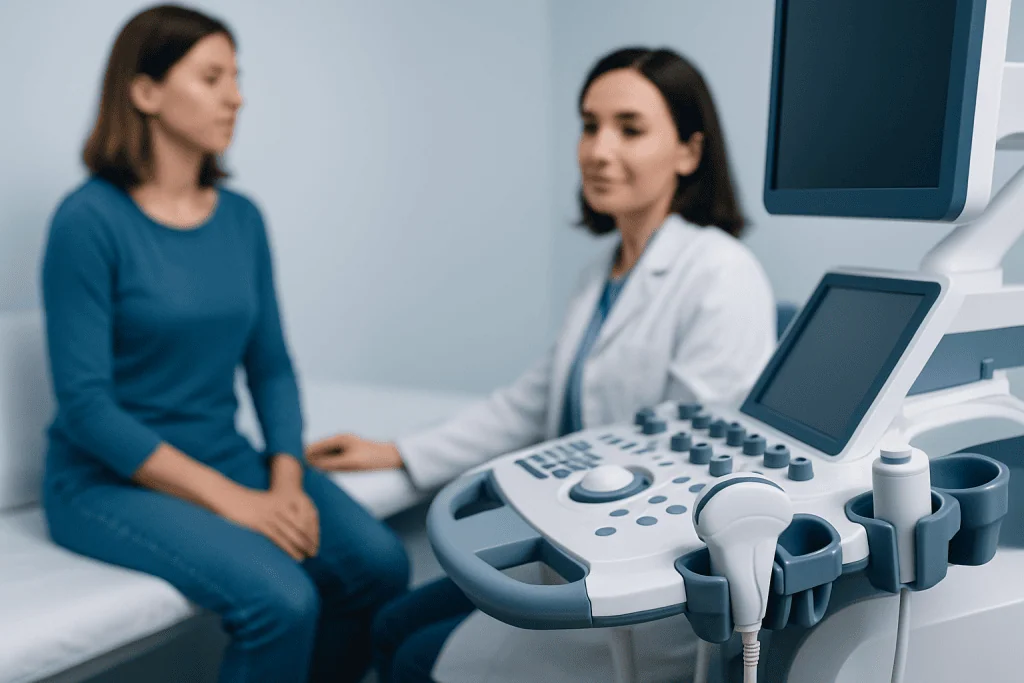
Many endocrine conditions develop gradually, so symptoms can be subtle. A person may consider seeing an endocrinologist if they have persistent fatigue, unexpected weight gain or weight loss, heat or cold intolerance, excessive thirst, frequent urination, hair thinning, tremor, palpitations, or changes in mood and energy that remain unexplained after an initial medical evaluation.
Thyroid-related concerns are among the most common reasons for consultation. These may include an enlarged thyroid gland, neck swelling, difficulty swallowing, abnormal thyroid blood tests, or a thyroid lump such as thyroid nodules. Endocrinologists also assess inflammatory thyroid conditions, including subacute thyroiditis, as well as goiter, overactive thyroid, and underactive thyroid.
Metabolic concerns are another major reason for referral. Patients with blood sugar abnormalities may need specialist care for diabetes, prediabetes, insulin resistance, or weight-related metabolic issues. Endocrinologists may also evaluate problems related to calcium and bone metabolism, reproductive hormones, prolactin levels, pituitary function, and adrenal gland disorders.
- Persistent abnormal blood sugar or A1c results
- Repeated thyroid test abnormalities
- Unexplained weight or appetite changes
- Menstrual irregularities or fertility-related hormone concerns
- Low bone density, recurrent fractures, or calcium imbalance
- Symptoms suggesting pituitary or adrenal disease
How to Choose the Right Endocrinologist

When comparing specialists, it helps to start with qualifications and experience. A board-certified endocrinologist has completed advanced training in endocrine diseases. Beyond certification, practical experience matters. Some endocrinologists focus more on diabetes, while others frequently manage thyroid disease, osteoporosis, pituitary disorders, or reproductive hormone conditions. Matching the doctor’s main clinical interests to the person’s health concern can make care more efficient and personalized.
Communication is also important. Endocrine conditions often involve detailed history-taking, repeated testing, and gradual treatment adjustments. A good fit usually means the doctor explains results clearly, discusses options in understandable language, and answers questions with patience. Patients may benefit from asking whether the endocrinologist provides written follow-up plans, coordinates care with other doctors, and supports ongoing monitoring rather than only one-time consultation.
Practical details should not be overlooked. These include how quickly appointments are available, whether the clinic offers imaging or laboratory services, and whether there is access to dietitians, diabetes educators, or surgeons if needed. For example, someone with a complex thyroid lump may benefit from a center that can coordinate specialist evaluation and, when appropriate, thyroid surgery and related treatment planning. A multidisciplinary setting may be especially helpful when a diagnosis involves several organ systems or requires long-term follow-up.
What to Ask at the First Appointment
A first endocrine consultation is a chance to understand both the condition and the doctor’s approach. Bringing a list of symptoms, current medications, supplements, family history, and previous test results can make the visit more productive. Because hormone levels can change over time and may be affected by medications, stress, or illness, complete background information is often essential.
Useful questions include what the likely causes of the symptoms are, which tests are needed, and whether any previous results should be repeated. It can also help to ask what the short-term plan is, what changes might be expected over time, and how often follow-up is usually needed. If more than one treatment option exists, the patient may want to understand the benefits, limits, and monitoring needs for each one.
For people with diabetes or bone health concerns, it is reasonable to ask whether nutrition counseling, exercise guidance, or other supportive care will be part of treatment. If a procedure or surgery may eventually be considered, the doctor can explain when referral becomes appropriate. In some situations, advanced therapies may be discussed as part of broader endocrine care, such as diabetes treatment or weight-loss treatment options for carefully selected patients.
How Endocrine Conditions Are Diagnosed
Diagnosis often begins with a detailed medical history and physical examination. The endocrinologist reviews symptoms, family history, medication use, recent illnesses, menstrual or reproductive history when relevant, and any prior lab results. Because endocrine symptoms can overlap with those of other conditions, the goal is to look at the full picture rather than rely on a single sign or test.
Blood and urine tests are commonly used to measure hormone levels, blood sugar, electrolytes, vitamin status, and markers related to bone or metabolic health. Some tests must be done at a certain time of day or under specific conditions for accurate interpretation. Depending on the concern, doctors may also use ultrasound, bone density scans, CT, MRI, or nuclear imaging. Thyroid ultrasound is often helpful for neck swelling, nodules, or goiter.
In selected cases, more specialized evaluation is needed. This may include dynamic hormone testing, fine-needle aspiration of a thyroid nodule, or imaging of the pituitary or adrenal glands. The purpose of testing is not simply to confirm a diagnosis, but to identify severity, possible complications, and the most suitable treatment pathway. A careful diagnosis can help avoid unnecessary treatment while making sure important conditions are not missed.
Treatment Options and Long-Term Management
Treatment depends on the exact endocrine disorder, its cause, and how much it affects daily life or long-term health. Some conditions are treated mainly with lifestyle changes and monitoring, while others require medication, procedures, or surgery. Examples include insulin or other glucose-lowering medicines for diabetes, thyroid hormone replacement for hypothyroidism, anti-thyroid treatment for hyperthyroidism, and targeted therapy for calcium, pituitary, or reproductive hormone disorders.
Monitoring is a central part of endocrine care. Hormone conditions often need periodic blood tests and dose adjustments, because treatment goals may shift over time with age, pregnancy, menopause, illness, or changes in weight. For thyroid enlargement or suspicious nodules, follow-up imaging may be advised. If surgery is necessary, the endocrinologist usually works closely with experienced surgeons and imaging specialists.
Patients should also know that successful treatment does not always mean symptoms improve overnight. Some hormone imbalances correct gradually, and some treatment plans involve step-by-step adjustments. This is one reason continuity of care matters when choosing a specialist. Near the end of the care pathway, centers such as Acibadem International can support international patients through multidisciplinary endocrine evaluation and treatment in JCI-accredited hospitals when specialized assessment is needed.
Self-Care, Follow-Up, and When to Seek Medical Advice
Self-care supports treatment but does not replace medical evaluation. Helpful habits may include taking medications exactly as prescribed, attending follow-up visits, keeping copies of test results, and informing the doctor about supplements or over-the-counter products. Many endocrine conditions are influenced by sleep, nutrition, physical activity, and stress management, so daily routines can affect symptom control and long-term health.
People with diabetes or prediabetes may be advised to monitor blood sugar, maintain regular meals, and stay physically active. Those with thyroid conditions should avoid changing or stopping medication without guidance, because even small adjustments can affect hormone balance. Bone and vitamin-related concerns may require attention to diet, weight-bearing exercise, and monitoring for deficiencies such as vitamin D. Self-treatment based only on online information is not recommended, especially when symptoms are persistent or worsening.
Medical advice should be sought promptly if there is severe weakness, fainting, confusion, chest pain, significant shortness of breath, rapidly worsening neck swelling, or signs of very high or very low blood sugar. It is also sensible to arrange review if symptoms continue despite treatment, if test results remain abnormal, or if a new issue develops. A second opinion may be valuable when the diagnosis is uncertain, when surgery is proposed, or when a person wants reassurance about a long-term treatment plan.
Frequently asked questions
What is the difference between an endocrinologist and a primary care doctor?
A primary care doctor manages general health and can diagnose and treat many common conditions. An endocrinologist is a specialist with advanced training in hormone-related disorders such as diabetes, thyroid disease, osteoporosis, and pituitary or adrenal problems. People are often referred to an endocrinologist when symptoms are complex, tests are difficult to interpret, or treatment needs specialist follow-up.
Do all thyroid problems require an endocrinologist?
Not always. Many mild or straightforward thyroid conditions can be managed by a primary care doctor. An endocrinologist may be helpful if test results are unclear, symptoms are persistent, a thyroid nodule or goiter is present, pregnancy affects thyroid care, or treatment is not working as expected.
How can someone tell if an endocrinologist is a good fit?
A good fit usually combines appropriate expertise, clear communication, and practical access to follow-up care. It helps if the specialist regularly manages the person’s specific condition and explains tests and treatment options in a way that is easy to understand. Patients may also value a clinic that coordinates well with other doctors and offers needed diagnostic services.
Should a person get a second opinion from another endocrinologist?
A second opinion can be useful when the diagnosis is uncertain, symptoms continue despite treatment, or a procedure or surgery is being considered. It can also help if the patient wants reassurance about a long-term treatment plan. Seeking another expert view is a common and reasonable part of medical decision-making.
What should a patient bring to an endocrinology appointment?
It is helpful to bring previous blood test results, imaging reports, a medication and supplement list, and details about personal and family medical history. A symptom timeline can also be very useful, especially for weight changes, menstrual changes, palpitations, fatigue, or blood sugar concerns. This information helps the endocrinologist interpret patterns over time.
Can endocrine disorders be treated without surgery?
Yes, many endocrine disorders are managed without surgery. Treatment may involve lifestyle measures, medications, hormone replacement, blood sugar management, or careful monitoring with repeat testing and imaging. Surgery is usually reserved for selected situations, such as certain thyroid nodules, gland tumors, or conditions that do not respond well to other treatment.
References
- American Association of Clinical Endocrinology
- Endocrine Society
- National Institute of Diabetes and Digestive and Kidney Diseases
- American Diabetes Association
- National Institute for Health and Care Excellence
This article is for general information only and is not a substitute for professional medical advice. Please consult a qualified doctor about your individual situation.
Medical weight-loss options in Turkey — costs & eligibility
JCI-accredited · board-certified surgeons · reply within 24h
Add us as a Preferred Source to see more of our trusted health content across Google Search, AI Overviews and Discover.
Check your numbers in seconds
BMI, calories, due date, blood pressure and 30+ more clinical calculators — free, instant, doctor-reviewed ranges.

Related Conditions
More from the Health Library



Related Specialists
Prof. Dr. Neslihan Kurtulmuş
Endocrinology
Prof. Dr. İnan Anaforoğlu
Endocrinology
Assoc. Prof. Dr. Ayşenur Özderya
Endocrinology
Assoc. Prof. Dr. Müjdat Kara
Endocrinology