

Thyroid Doctor: When You Need an Endocrinologist for Thyroid Problems

A thyroid doctor is usually an endocrinologist who treats hormone and thyroid conditions. Specialist care may be helpful for thyroid nodules, goiter, difficult-to-control symptoms, pregnancy-related thyroid issues, or unclear test results.
Key Takeaways
- A thyroid doctor is usually an endocrinologist who treats hormone and thyroid conditions.
- Specialist care may be helpful for thyroid nodules, goiter, difficult-to-control symptoms, pregnancy-related thyroid issues, or unclear test results.
- Diagnosis often includes a medical history, examination, blood tests, and sometimes thyroid ultrasound or other imaging.
- Treatment depends on the cause and may involve monitoring, medication, or referral for procedures or surgery.
- Early evaluation can help prevent complications and support long-term hormone balance.
A thyroid doctor is often an endocrinologist, a specialist trained to diagnose and manage hormone-related conditions, including thyroid disorders. Knowing when specialist care is needed can help people get the right tests, treatment, and follow-up for symptoms, nodules, goiter, or abnormal thyroid hormone levels.
Overview: What Does a Thyroid Doctor Do?
A thyroid doctor is commonly an endocrinologist, a physician who specializes in hormones and the glands that produce them. The thyroid is a small gland in the neck, but it has an important role in regulating metabolism, energy use, body temperature, heart rate, and many other body functions. When the thyroid makes too much hormone, too little hormone, or develops structural changes such as nodules or enlargement, an endocrinologist can help identify the cause and guide treatment.
Some thyroid problems are straightforward and can be managed by a primary care doctor. However, specialist care may be especially useful when symptoms do not match test results, when thyroid hormone levels remain unstable, or when there are concerns about nodules, an enlarged thyroid, autoimmune disease, or thyroid problems during pregnancy. An endocrinologist can also coordinate care with radiologists, surgeons, and other specialists when needed.
Thyroid disorders are common and often very treatable. The goal of seeing a thyroid specialist is not simply to label a condition, but to understand how it affects the whole person and to create a safe, personalized plan for monitoring or treatment. In many cases, symptoms improve significantly once the underlying problem is identified and managed correctly.
Signs and Symptoms That May Need Specialist Evaluation
Thyroid problems can affect the body in many different ways. An underactive thyroid may lead to fatigue, feeling cold, dry skin, constipation, low mood, slowed thinking, or unexplained weight gain. An overactive thyroid may cause palpitations, nervousness, heat intolerance, tremor, trouble sleeping, sweating, or unintentional weight loss. Because these symptoms can overlap with other conditions, they are not always recognized right away as thyroid-related.
Changes in the neck can also be a reason to see a thyroid doctor. A lump, visible swelling, pressure in the throat, difficulty swallowing, hoarseness, or a sense of fullness in the neck may need further evaluation. These signs can be related to thyroid nodules or goiter, although not every neck swelling is dangerous.
Some people seek specialist care after abnormal blood tests are found during a routine check-up. Others are referred because thyroid symptoms continue despite treatment, because they have a strong family history of thyroid disease, or because they have another autoimmune condition that increases thyroid risk. In children, older adults, and pregnant women, symptoms may be subtler, so professional assessment is especially important.
- Persistent fatigue or unexplained weight change
- Heart racing, anxiety, or tremor
- Neck swelling, lump, or pressure
- Irregular menstrual cycles or fertility concerns
- Abnormal thyroid blood tests
- Symptoms that do not improve with current treatment
Common Thyroid Conditions an Endocrinologist Treats

Endocrinologists evaluate and manage a wide range of thyroid disorders. These include hypothyroidism, in which the thyroid does not produce enough hormone, and hyperthyroidism, in which it produces too much. Autoimmune conditions such as Hashimoto thyroiditis and Graves’ disease are also common reasons for referral. In addition, inflammation of the thyroid, including subacute thyroiditis, can cause neck pain and temporary shifts in hormone levels.
Structural thyroid problems are another major area of care. Thyroid nodules are very common, and most are benign, but they often need proper evaluation to determine whether they should simply be watched or examined more closely. A thyroid doctor may also assess an enlarged thyroid gland, called goiter, especially if it causes swallowing difficulty, cosmetic concern, or abnormal hormone production.
Sometimes thyroid symptoms are linked with broader endocrine or metabolic health issues. Hormonal systems work together, and a specialist may look at the bigger picture rather than focusing only on one gland. This can be useful when symptoms are complex or when other laboratory abnormalities are present.
When to See an Endocrinologist for Thyroid Problems
Many people with mild, stable hypothyroidism can be cared for by a general practitioner. Referral to an endocrinologist often becomes helpful when the situation is more complicated. This includes unclear diagnoses, unusual lab results, persistent symptoms despite treatment, large or multiple nodules, suspected autoimmune thyroid disease, thyroid eye symptoms, or repeated changes in thyroid hormone levels.
Specialist care is also important in specific life stages and medical situations. Pregnancy, planning for pregnancy, and the postpartum period can all affect thyroid function and may require close follow-up. People with heart disease, osteoporosis risk, a history of neck radiation, or a strong family history of thyroid cancer may also need more specialized assessment.
An endocrinologist may be the right choice if a person has already had thyroid treatment but still feels unwell, if imaging results are difficult to interpret, or if a procedure such as biopsy is being considered. The aim is to make sure that the cause is correctly defined and that treatment is safe, effective, and appropriate for the individual’s age, symptoms, and overall health.
How Thyroid Problems Are Diagnosed
Diagnosis usually begins with a detailed medical history and physical examination. The doctor asks about symptoms, changes in weight or energy, menstrual history, pregnancy status, medications, family history, and any prior thyroid disease. During the examination, the neck may be checked for enlargement, nodules, tenderness, or signs of hormone imbalance affecting the skin, heart, reflexes, or eyes.
Blood tests are central to thyroid evaluation. These often include thyroid-stimulating hormone, known as TSH, and sometimes free T4 or free T3. Antibody tests may help identify autoimmune thyroid disease. Test interpretation is important because thyroid values should be considered together with symptoms, age, pregnancy status, and other health conditions rather than in isolation.
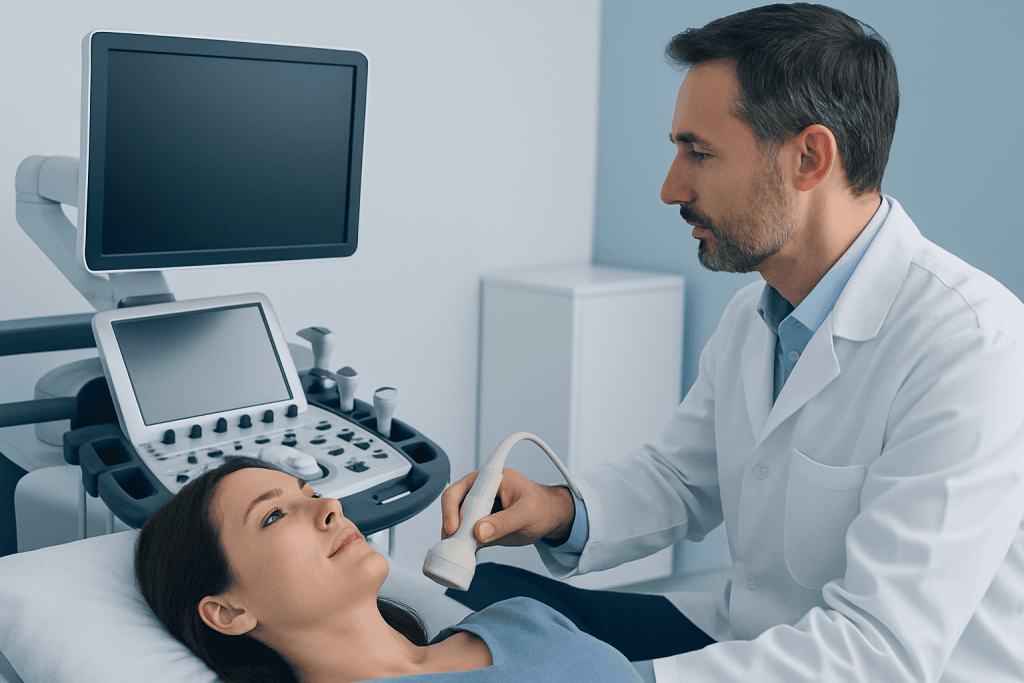
If the gland feels enlarged or a nodule is suspected, a thyroid ultrasound is commonly used. Ultrasound helps show the size, shape, and features of the thyroid and any nodules. In selected cases, the doctor may recommend additional imaging or a fine-needle aspiration biopsy to study a suspicious nodule more closely. The exact tests depend on the person’s symptoms and findings.
Some patients need follow-up rather than immediate intervention. Repeat blood tests over time can show whether a mild thyroid abnormality is temporary or persistent. This careful monitoring approach is often reassuring and helps avoid unnecessary treatment while still protecting long-term health.
Treatment Options and Follow-Up Care
Treatment depends on the type of thyroid condition and how much it affects daily life and overall health. Hypothyroidism is typically managed with thyroid hormone replacement, while hyperthyroidism may be treated with medications that reduce hormone production and help control symptoms. In some situations, close observation is enough, especially when lab changes are mild or temporary.
For thyroid nodules, management may involve periodic ultrasound monitoring, biopsy, or referral to another specialist if there are concerning features. If a nodule or enlarged thyroid causes compression symptoms, or if cancer is suspected or confirmed, surgery may be considered. A thyroid doctor helps explain which findings are low risk and which need more active treatment.
Because treatment often requires follow-up blood tests, good long-term care is important. Hormone levels can change over time due to age, pregnancy, illness, weight change, or medication interactions. Regular review helps ensure that treatment remains appropriate and that symptoms are interpreted in context rather than relying on numbers alone.
In complex cases, multidisciplinary care can be valuable. If needed, endocrinologists may work with radiology, pathology, surgery, or nuclear medicine teams. Acibadem International’s multidisciplinary specialists in JCI-accredited hospitals diagnose and treat thyroid conditions for international patients when specialist assessment is needed.
Self-Care, Monitoring, and When to Seek Medical Advice
People with thyroid concerns can support their care by keeping a simple record of symptoms, medications, and test results. Taking thyroid medicine exactly as prescribed, attending follow-up visits, and asking before starting supplements are all helpful steps. It is also wise to mention any pregnancy plans, recent illness, or changes in other medicines, because these can affect thyroid management.
Self-care does not replace medical treatment, but it can improve overall well-being. Balanced nutrition, regular physical activity, good sleep habits, and stress management may help with energy levels and general health. However, diet alone cannot correct most thyroid hormone disorders, and supplements should not be used as a substitute for professional evaluation.
Medical advice should be sought if there is a new neck lump, growing swelling, trouble swallowing, hoarseness, persistent palpitations, or symptoms that are worsening despite treatment. Prompt evaluation is also sensible during pregnancy or when thyroid symptoms begin suddenly. Most thyroid conditions can be managed effectively, especially when they are assessed early and followed carefully over time.
Frequently asked questions
Is a thyroid doctor the same as an endocrinologist?
Often, yes. An endocrinologist is a doctor who specializes in hormones and glands, including the thyroid. Some thyroid conditions are managed by primary care doctors, but more complex cases are often referred to an endocrinologist.
Do all thyroid nodules need to be removed?
No. Many thyroid nodules are benign and only need monitoring with examination or ultrasound. Removal is usually considered only if a nodule has suspicious features, causes symptoms, or is linked to cancer.
When should someone see an endocrinologist instead of a general doctor?
Specialist care may be helpful if thyroid test results are unclear, symptoms continue despite treatment, or there is a nodule, goiter, pregnancy-related thyroid concern, or suspected autoimmune disease. An endocrinologist can provide more detailed evaluation and follow-up in these situations.
Can thyroid problems cause anxiety or depression-like symptoms?
Yes. An overactive thyroid can cause symptoms such as nervousness, restlessness, and trouble sleeping, while an underactive thyroid may contribute to low mood, fatigue, and slowed thinking. Because many conditions can cause similar symptoms, proper testing is important.
Are thyroid blood tests enough to diagnose every thyroid problem?
Not always. Blood tests are very important, but some people also need a physical examination, ultrasound, antibody tests, or occasionally a biopsy. The right diagnosis often comes from combining symptoms, examination findings, and test results.
Can thyroid disease be managed long term?
Yes, in many cases it can. Some thyroid problems need ongoing medication and periodic blood tests, while others only need monitoring for changes over time. With regular follow-up, many people maintain good symptom control and daily function.
References
- American Thyroid Association
- National Institute of Diabetes and Digestive and Kidney Diseases
- Endocrine Society
- Mayo Clinic
- National Health Service
This article is for general information only and is not a substitute for professional medical advice. Please consult a qualified doctor about your individual situation.
Medical weight-loss options in Turkey — costs & eligibility
JCI-accredited · board-certified surgeons · reply within 24h
Add us as a Preferred Source to see more of our trusted health content across Google Search, AI Overviews and Discover.
Check your numbers in seconds
BMI, calories, due date, blood pressure and 30+ more clinical calculators — free, instant, doctor-reviewed ranges.

Related Conditions
More from the Health Library



Related Specialists

Prof. Dr. Neslihan Kurtulmuş
Endocrinology
Prof. Dr. İnan Anaforoğlu
Endocrinology
Assoc. Prof. Dr. Ayşenur Özderya
Endocrinology
Assoc. Prof. Dr. Müjdat Kara
Endocrinology