Femto LASIK: Who Is a Good Candidate and What Results to Expect
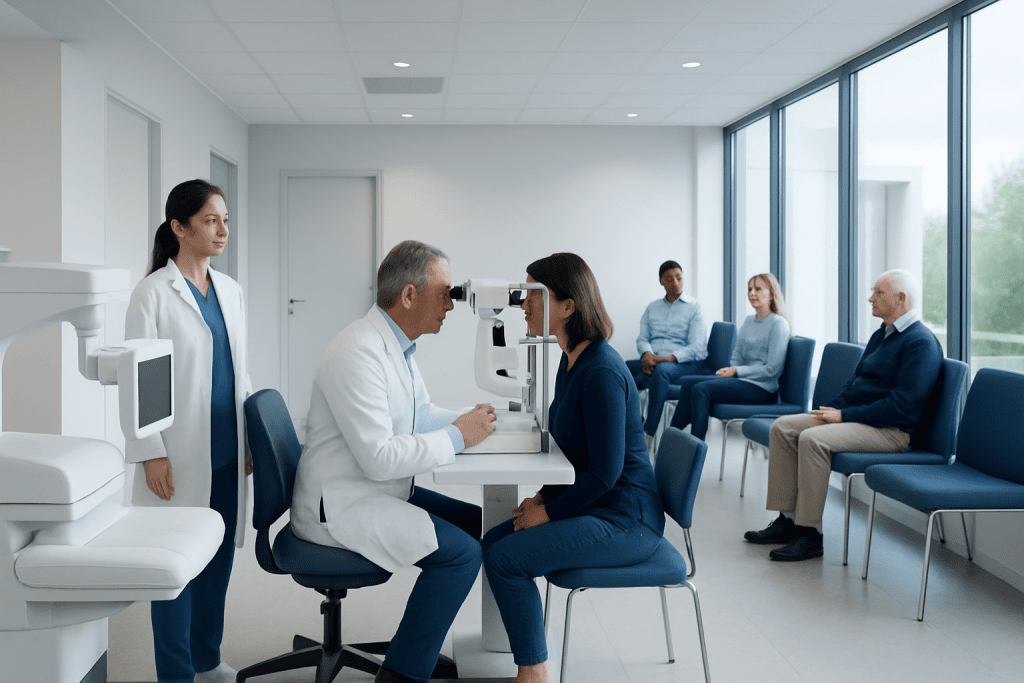
Femto LASIK is a bladeless LASIK technique that uses a femtosecond laser to create the corneal flap. Good candidates usually have a stable prescription, healthy corneas, and no active eye disease.
Key Takeaways
- Femto LASIK is a bladeless LASIK technique that uses a femtosecond laser to create the corneal flap.
- Good candidates usually have a stable prescription, healthy corneas, and no active eye disease.
- Results are often very good, but outcomes vary by the person’s prescription, eye anatomy, and healing response.
- A detailed preoperative eye evaluation is essential to confirm safety and suitability.
- Dry eye, thin corneas, pregnancy, and certain corneal conditions may affect eligibility.
- Following aftercare instructions closely helps support healing and visual quality.
Femto LASIK is a modern form of laser vision correction that uses a femtosecond laser to create the corneal flap instead of a mechanical blade. It can be an effective option for many adults with refractive errors, but candidacy depends on eye health, corneal measurements, prescription stability, and personal expectations.
Overview of Femto LASIK
Femto LASIK is a type of laser vision correction used to reduce dependence on glasses or contact lenses. It is a form of LASIK in which the surgeon uses a femtosecond laser to create a very thin flap in the cornea, rather than using a handheld blade. After the flap is gently lifted, an excimer laser reshapes the cornea so that light focuses more accurately on the retina.
This procedure is commonly used to treat refractive errors such as myopia (nearsightedness), hyperopia (farsightedness), and astigmatism. By improving the way the eye focuses light, Femto LASIK can sharpen distance vision and lower the need for corrective lenses in daily life.
Many people refer to Femto LASIK as bladeless LASIK. The main difference from traditional LASIK is the method used to create the flap. Using a femtosecond laser may allow highly precise flap creation and can be particularly helpful in some patients with corneal features that make flap planning especially important.
Although Femto LASIK is widely performed and has a strong safety profile when patients are well selected, it is not the best choice for everyone. The most important step is a comprehensive eye examination to decide whether the cornea, tear film, prescription, and overall eye health are suitable for surgery.
Who Is a Good Candidate for Femto LASIK?
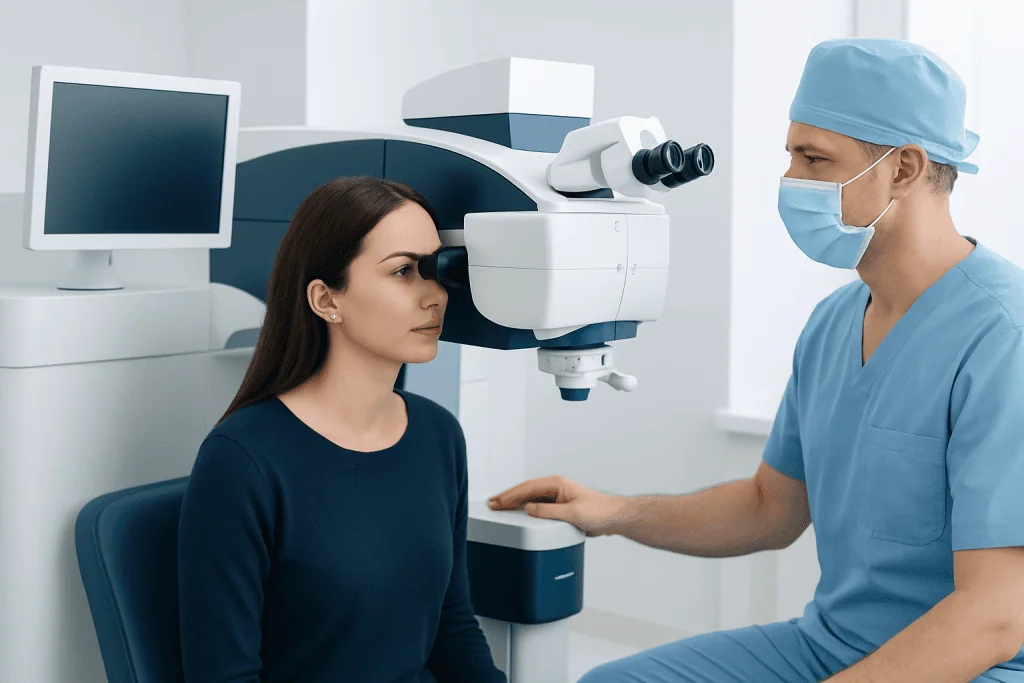
A good candidate for Femto LASIK is usually an adult whose eyeglass or contact lens prescription has remained stable for at least a period recommended by the eye surgeon. Stable vision matters because ongoing changes in prescription can reduce the long-term accuracy of the result. The person should also have healthy eyes, with no active infection, significant inflammation, or uncontrolled eye disease.
Corneal thickness and corneal shape are central to candidacy. The procedure removes a small amount of corneal tissue to reshape the eye, so the cornea must be thick enough and structurally sound. If the cornea is too thin or irregular, the surgeon may recommend a different approach, such as PRK or ReLEx SMILE, depending on the individual case.
Good candidates also tend to have realistic expectations. Femto LASIK can greatly improve uncorrected vision, but it does not guarantee perfect eyesight in every situation. Some people may still need glasses for certain tasks, especially later in life when age-related focusing changes develop and presbyopia becomes more noticeable.
General health also matters. Autoimmune conditions, uncontrolled diabetes, pregnancy, breastfeeding, or medications that affect healing may influence timing or eligibility. A careful discussion with the ophthalmologist helps determine whether surgery should proceed, be delayed, or be replaced with another treatment option.
Who May Not Be Suitable

Not everyone seeking laser vision correction is an ideal candidate for Femto LASIK. People with active eye infections, significant dry eye, untreated eyelid inflammation, or unstable vision may need these issues addressed before considering surgery. If the surface of the eye is not healthy, both comfort and visual recovery can be affected.
Some corneal conditions make LASIK less suitable. For example, keratoconus or suspicious corneal topography can weaken the safety profile of flap-based laser surgery. In these situations, further evaluation for keratoconus treatment or other corneal care may be more appropriate than proceeding directly to Femto LASIK.
Patients with cataracts may also be better served by a different solution. If the natural lens has become cloudy, vision blur may be caused more by the lens than by the cornea, and cataract surgery may be the more effective treatment. A detailed eye exam helps distinguish between refractive error and lens-related vision loss.
Very high prescriptions can also limit suitability, especially if correcting them would require removing too much corneal tissue. In some cases, another refractive procedure may be more appropriate. The goal of screening is not simply to approve surgery, but to choose the safest and most effective plan for the patient’s eyes.
Symptoms and Vision Problems Femto LASIK Can Treat
Femto LASIK is not used to treat a disease in the usual sense. Instead, it corrects common refractive errors that cause blurred vision. These include myopia, which makes distant objects appear blurry; hyperopia, which can affect near and sometimes distance vision; and astigmatism, which causes distorted or uneven focus because of an irregular corneal shape.
People who may consider Femto LASIK often notice difficulty seeing road signs, reading subtitles from a distance, recognizing faces across a room, or performing sports and daily activities without glasses or contact lenses. Some also find contact lenses uncomfortable or inconvenient, especially if they have active lifestyles or work in dry environments.
The procedure does not treat all causes of blurry vision. Problems arising from retinal disease, optic nerve disease, advanced dry eye, cataracts, or corneal disorders require a different evaluation and management plan. For example, symptoms related to diabetic retinopathy or macular diseases would not be corrected by corneal laser surgery.
That is why the preoperative workup is so important. The aim is to confirm that the reduced vision is mainly due to a correctable refractive error and that changing the corneal shape is likely to improve how clearly the person sees without corrective lenses.
How Doctors Evaluate Candidacy
Before recommending Femto LASIK, the ophthalmologist performs a detailed refractive and eye health assessment. This usually includes measuring the prescription, evaluating visual acuity, checking the front and back of the eye, and asking about general health, medications, and previous eye problems. Contact lens wearers are often asked to stop wearing their lenses for a period before testing so the cornea can return to its natural shape.
Corneal mapping and thickness measurements are essential parts of the evaluation. These tests help identify irregular corneal patterns, thinning, or early ectasia risk that might make LASIK unsuitable. Tear film assessment is also important because untreated dry eye can affect both measurements and postoperative comfort.
The doctor may also measure pupil size, eye pressure, and the quality of the tear layer. In some cases, additional tests are used if there is concern about the retina, the optic nerve, or other structures. The aim is to build a complete picture of eye health, not just determine the glasses prescription.
At the end of the assessment, the surgeon explains whether Femto LASIK is a good option, whether another refractive procedure may be safer, or whether surgery should be postponed. This discussion should include benefits, limitations, possible side effects, and the likelihood of needing glasses for certain tasks in the future.
What Results to Expect After Femto LASIK
Most suitable patients can expect a meaningful improvement in uncorrected vision after Femto LASIK. Many people notice clearer vision within a day or two, although quality can fluctuate during the early healing period. Final stabilization may take longer, especially if the eyes are dry or the prescription was more complex to begin with.
The exact result depends on several factors, including the degree of refractive error, corneal characteristics, healing response, and age. Some patients achieve vision that allows them to perform most daily tasks without glasses, while others may still use glasses occasionally for night driving, detailed work, or reading as they get older. Improvement is often substantial, but perfect vision in every circumstance cannot be promised.
Temporary side effects can include dryness, glare, halos, light sensitivity, and fluctuating sharpness, particularly in the first days to weeks. These symptoms usually improve as healing progresses. The surgeon monitors recovery through follow-up visits and may recommend lubricating eye drops and temporary activity restrictions to support the healing process.
In a small number of cases, residual refractive error remains. If the eyes are stable and the cornea allows it, an enhancement procedure may be considered later. Long-term satisfaction tends to be highest when patients are carefully selected and understand both the benefits and the natural limits of laser vision correction.
The Procedure, Recovery, and Self-Care
Femto LASIK is usually performed as an outpatient procedure. Numbing eye drops are used, and the treatment itself is typically brief. During surgery, the femtosecond laser creates the corneal flap, which is lifted so the excimer laser can reshape the underlying corneal tissue. The flap is then repositioned, where it adheres naturally without stitches in most cases.
Recovery is often relatively quick. Many patients rest on the day of surgery and return to normal light activities soon after, following the surgeon’s advice. Vision may be blurry, watery, or slightly uncomfortable at first, and the eyes may feel dry or sensitive to light. Rubbing the eyes should be avoided because it can interfere with flap healing.
Aftercare usually includes prescribed eye drops, lubricating drops, and follow-up appointments. Patients are commonly advised to avoid swimming, dusty environments, heavy eye makeup for a period, and contact sports until the surgeon confirms that healing is progressing well. Good hand hygiene and proper use of drops help reduce irritation and infection risk.
For international patients or those seeking specialist assessment, Acibadem International’s multidisciplinary eye specialists in JCI-accredited hospitals evaluate and treat refractive eye conditions with individualized planning. If symptoms suggest a different eye problem, additional ophthalmic services such as cornea and external eye disease care or neuro-ophthalmology may be considered when appropriate.
When to See a Doctor
Anyone considering Femto LASIK should see an ophthalmologist for a full eye examination rather than relying on a glasses prescription alone. A specialist can determine whether blurred vision is due to a simple refractive error or a different eye condition that needs separate treatment. This assessment is the safest way to decide whether surgery is appropriate.
People should also seek medical advice if they have ongoing eye dryness, redness, pain, changing vision, contact lens intolerance, or a known history of corneal disease. These issues do not always rule out surgery, but they do need to be understood and managed before a decision is made.
After surgery, urgent medical review is important if there is severe pain, sudden vision loss, marked redness, increasing discharge, or a rapid decline in visual quality. While mild discomfort and blurry vision can be part of normal early recovery, worsening or intense symptoms should not be ignored.
Regular follow-up is part of safe care. Even when vision seems good, postoperative visits help confirm proper flap position, corneal healing, and tear film stability. Ongoing communication with the surgeon helps address concerns early and supports the best possible recovery.
Frequently asked questions
What is the difference between Femto LASIK and standard LASIK?
Femto LASIK uses a femtosecond laser to create the corneal flap, while older forms of LASIK may use a mechanical blade for that step. The vision-correcting reshaping is then performed with an excimer laser in both approaches. The best option depends on the patient’s eye anatomy and the surgeon’s assessment.
How long does it take to recover from Femto LASIK?
Many people notice better vision within one to two days, but full stabilization can take longer. Mild dryness, glare, or fluctuating clarity may occur during early healing. Recovery speed varies from person to person and depends on the eye surface and prescription.
Can Femto LASIK permanently fix vision?
Femto LASIK permanently reshapes the cornea, but eyes can still change over time because of aging or other factors. For example, people may later develop presbyopia or cataracts, which are separate issues. The procedure reduces dependence on glasses or contacts, but it does not stop all future vision changes.
Does Femto LASIK hurt?
The procedure itself is usually not painful because numbing drops are used. Some patients feel pressure during treatment and mild irritation, tearing, or burning afterward. These symptoms are often temporary and improve as the eye heals.
Who should avoid Femto LASIK?
People with unstable prescriptions, significant dry eye, thin or irregular corneas, active eye disease, or certain health conditions may not be good candidates. Pregnancy and breastfeeding can also affect timing because vision and hormones may fluctuate. A complete ophthalmic evaluation is needed to decide safely.
Will glasses still be needed after Femto LASIK?
Some patients no longer need glasses for most activities, while others may still use them occasionally, such as for night driving or fine detail. Age-related near vision changes can also lead to reading glasses later on. Results depend on the starting prescription, eye health, and healing response.
References
- American Academy of Ophthalmology
- National Eye Institute
- American Society of Cataract and Refractive Surgery
- Royal College of Ophthalmologists
- World Health Organization
This article is for general information only and is not a substitute for professional medical advice. Please consult a qualified doctor about your individual situation.
Femto LASIK in Turkey — costs, top hospitals & a free quote
JCI-accredited · board-certified surgeons · reply within 24h
Add us as a Preferred Source to see more of our trusted health content across Google Search, AI Overviews and Discover.

Ophthalmology
Comprehensive eye care from laser vision correction to retina, cornea and cataract surgery.
75 specialists in this unit