Peptic Ulcer Symptoms and Causes: When Pain May Signal an Ulcer

Peptic ulcers most often develop because of Helicobacter pylori infection or regular use of NSAID pain relievers. A burning or gnawing pain in the upper abdomen is a common symptom, but some ulcers cause few or no symptoms.
Key Takeaways
- Peptic ulcers most often develop because of Helicobacter pylori infection or regular use of NSAID pain relievers.
- A burning or gnawing pain in the upper abdomen is a common symptom, but some ulcers cause few or no symptoms.
- Warning signs such as vomiting blood, black stools, sudden severe pain, or dizziness need urgent medical attention.
- Diagnosis may involve a medical history, tests for H. pylori, blood tests, stool tests, and sometimes upper endoscopy.
- Treatment usually focuses on reducing stomach acid, treating H. pylori when present, and avoiding medicines that can worsen the ulcer.
Peptic ulcers are sores that develop in the lining of the stomach or the first part of the small intestine. They can cause burning abdominal pain, but many people improve with the right diagnosis, treatment, and follow-up care.
Overview
A peptic ulcer is an open sore that forms in the protective lining of the stomach or the upper part of the small intestine, called the duodenum. Ulcers in the stomach are often called gastric ulcers, while ulcers in the duodenum are called duodenal ulcers. Together, these are known as peptic ulcer disease.
The digestive tract normally protects itself from strong stomach acid and digestive enzymes with a layer of mucus and other defense mechanisms. When these protections are weakened, or when the lining is injured, an ulcer can develop. This is different from occasional indigestion or heartburn, although symptoms can overlap with other digestive conditions.
Many people think stress or spicy food directly causes ulcers. In reality, the most common causes are infection with Helicobacter pylori and frequent use of nonsteroidal anti-inflammatory drugs, also called NSAIDs. Stress and certain foods may irritate symptoms, but they are usually not the main cause.
Peptic ulcers are common and treatable. Early medical evaluation is helpful because untreated ulcers can lead to complications such as bleeding or perforation. For readers looking for a broader overview, peptic ulcer disease is a useful related topic.
Symptoms of a Peptic Ulcer
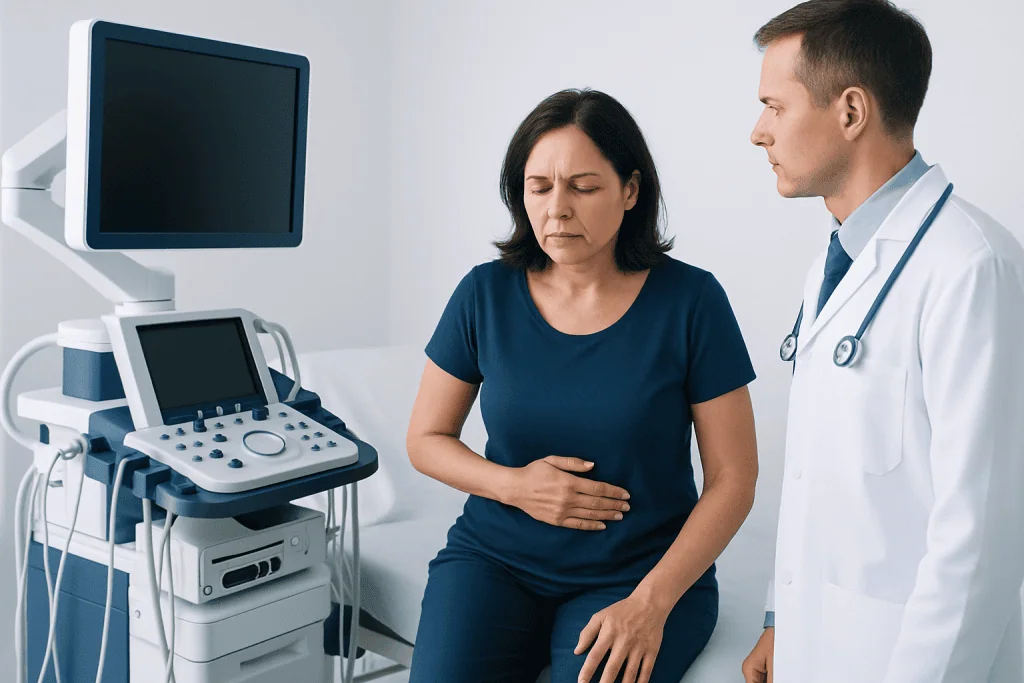
The most typical symptom is a burning, gnawing, or aching pain in the upper abdomen, often between the breastbone and the belly button. Some people notice that the pain comes and goes, feels worse when the stomach is empty, or improves for a short time after eating or taking antacids. Others may feel discomfort at night.
Besides pain, a peptic ulcer may cause bloating, nausea, early fullness, burping, or a general sense of indigestion. These symptoms are not specific to ulcers, so they can be confused with acid reflux, gastritis, or other digestive disorders. In some cases, ulcers cause no obvious symptoms until a complication appears.
Symptoms can vary depending on where the ulcer is located. A duodenal ulcer may feel better briefly after meals, while a stomach ulcer may worsen with eating. However, these patterns are not reliable enough to diagnose an ulcer without proper medical testing.
- Burning or aching pain in the upper abdomen
- Bloating or feeling uncomfortably full
- Nausea or reduced appetite
- Burping or indigestion-like discomfort
- Unexplained weight loss in some cases
Causes and Risk Factors

The two leading causes of peptic ulcers are Helicobacter pylori infection and repeated use of NSAID pain medicines such as ibuprofen, naproxen, or aspirin. H. pylori can damage the stomach or duodenal lining and make it more vulnerable to acid. NSAIDs can reduce the body’s natural protective substances in the stomach lining, increasing the risk of ulcer formation.
Several factors can raise the chance of developing an ulcer or make healing slower. These include smoking, heavy alcohol use, older age, a previous history of ulcers, and long-term use of steroids when combined with NSAIDs. People taking blood thinners or certain other medicines may also have a higher risk of bleeding if an ulcer develops.
Rarely, ulcers can be linked to conditions that cause excessive acid production. Ongoing digestive symptoms may also overlap with problems such as Barrett’s esophagus or hiatal hernia, which is one reason a careful evaluation is important. Not every episode of upper abdominal pain is an ulcer, but persistent or recurring symptoms should be discussed with a doctor.
Food choices do not usually cause ulcers, although some foods may irritate symptoms in certain individuals. Emotional stress also does not usually create an ulcer on its own, but it may make abdominal discomfort feel worse or affect eating and sleep habits during recovery.
Diagnosis
Diagnosis begins with a medical history and physical examination. A doctor will ask about the pattern of pain, any use of NSAIDs or aspirin, smoking and alcohol habits, and whether there are warning signs such as vomiting blood, black stools, or unintentional weight loss. This first step helps guide the most appropriate testing.
Testing for H. pylori is often an important part of evaluation. This may be done with a breath test, stool test, or tissue sample taken during endoscopy. Blood tests are less useful for confirming an active infection, so they are not usually the first choice when a current ulcer is suspected.
An upper endoscopy may be recommended if symptoms are persistent, if alarm signs are present, or if the patient is older or at higher risk for complications. During this procedure, a thin flexible tube with a camera is used to view the esophagus, stomach, and duodenum directly. It can confirm an ulcer, look for bleeding, and allow biopsies when needed.
Doctors may also order blood tests to check for anemia or signs of blood loss. If bleeding is suspected, stool tests may help. In some situations, imaging or specialist assessment is useful, especially when symptoms overlap with other disorders such as gastrointestinal bleeding or complex upper digestive conditions.
Treatment Options
Treatment depends on the cause. If H. pylori is present, the main goal is to clear the infection with a combination of medicines and to reduce stomach acid so the ulcer can heal. If NSAIDs are contributing, a doctor may advise stopping them, lowering the dose, or switching to a safer alternative when possible. This should always be done under medical guidance, especially if the medicine is needed for another condition.
Acid-reducing medicines, especially proton pump inhibitors, are commonly used to allow the lining to heal. Some patients may also need other protective medicines depending on the ulcer type, bleeding risk, and overall health. Healing often takes time, and symptoms may improve before the ulcer has completely resolved, which is why follow-up instructions matter.
If an ulcer is bleeding, urgent treatment may be needed. Endoscopy can often be used to stop active bleeding. In uncommon but serious situations, hospitalization, blood transfusion, or surgery may be required. Readers interested in related care may find treatment for gastrointestinal bleeding helpful in understanding how bleeding complications are managed.
For recurrent or complicated symptoms, specialist digestive evaluation may be appropriate. This can include services such as neurogastroenterology assessment when symptoms are persistent or difficult to explain, and condition-specific care such as peptic ulcer treatment when an ulcer has been confirmed.
Prevention and Self-care
Good prevention focuses on reducing avoidable risk factors. People who need NSAIDs regularly should ask a doctor whether they are truly necessary and whether stomach-protective treatment is appropriate. Taking more than one NSAID at a time, or combining them with aspirin without medical advice, can increase the risk of ulcers and bleeding.
Smoking cessation is strongly recommended because smoking can interfere with healing and raise the chance that an ulcer will return. Limiting alcohol may also help by reducing irritation to the stomach lining. For some people, keeping a simple food and symptom diary can identify meals or drinks that worsen discomfort, even though food is not the root cause.
Self-care during recovery usually includes taking medicines exactly as prescribed and completing the full course of H. pylori treatment if it has been diagnosed. It also helps to avoid self-medicating with pain relievers that can worsen the problem. Some people do better with smaller, more regular meals if eating triggers discomfort.
If symptoms continue after treatment, follow-up is important rather than repeatedly treating presumed indigestion at home. In selected situations, hospitals such as Acibadem International offer multidisciplinary evaluation and treatment for international patients through JCI-accredited gastroenterology services.
When to See a Doctor
A doctor should assess upper abdominal pain that is recurrent, persistent, or associated with nausea, poor appetite, unexplained weight loss, or a personal history of ulcers. Medical advice is also important if symptoms begin after starting NSAIDs or aspirin, or if over-the-counter antacids only provide brief relief.
Urgent care is needed if there are signs of bleeding or a possible perforation. These warning signs include vomiting blood, vomit that looks like coffee grounds, black or tarry stools, sudden severe abdominal pain, fainting, weakness, or marked dizziness. These symptoms do not always mean an ulcer is present, but they should never be ignored.
People with other health conditions, older adults, and anyone taking blood thinners should be especially cautious because complications can be more serious. Early assessment often allows treatment before problems become severe.
Digestive symptoms can have many causes, from reflux and gastritis to gallbladder or pancreatic disease. If pain is difficult to explain or not improving, a qualified gastroenterology specialist can help identify the cause and recommend the safest next steps.
Frequently asked questions
What does peptic ulcer pain feel like?
Peptic ulcer pain is often described as burning, gnawing, or aching in the upper abdomen. It may come and go, feel worse when the stomach is empty, or improve briefly after eating or taking an antacid.
Can a peptic ulcer go away on its own?
Some symptoms may temporarily improve, but the underlying ulcer may still be present. Because common causes such as H. pylori infection or NSAID use often need specific treatment, medical evaluation is recommended.
Are spicy foods the cause of stomach ulcers?
No, spicy foods are not usually the direct cause of ulcers. The most common causes are H. pylori infection and frequent use of NSAID pain relievers, although spicy foods may worsen discomfort in some people.
How is H. pylori related to peptic ulcers?
H. pylori is a bacterium that can weaken the protective lining of the stomach or duodenum. This makes the tissue more vulnerable to acid and can lead to ulcer formation, so testing and treatment are important when it is found.
What foods should someone avoid with a peptic ulcer?
There is no single ulcer diet that works for everyone. It is often helpful to limit foods or drinks that clearly worsen symptoms, such as alcohol or very irritating meals, while following the treatment plan given by a doctor.
When is a peptic ulcer an emergency?
A peptic ulcer may be an emergency if it causes bleeding or a hole in the stomach or duodenal wall. Vomiting blood, black stools, fainting, severe sudden pain, or dizziness require urgent medical care.
References
- National Institute of Diabetes and Digestive and Kidney Diseases
- American College of Gastroenterology
- Mayo Clinic
- National Health Service
- Merck Manual
This article is for general information only and is not a substitute for professional medical advice. Please consult a qualified doctor about your individual situation.
Peptic Ulcer in Turkey — costs, top hospitals & a free quote
JCI-accredited · board-certified surgeons · reply within 24h
Add us as a Preferred Source to see more of our trusted health content across Google Search, AI Overviews and Discover.

Gastroenterology
Diagnosis and treatment of the digestive system and liver, with advanced endoscopy.
46 specialists in this unit