Diverticulitis: Symptoms, Complications, and When to Seek Care

Diverticulitis commonly causes steady abdominal pain, often on the lower left side, along with fever or bowel habit changes. Many people with diverticulosis never develop diverticulitis, but age, low-fiber eating patterns, obesity, and smoking may raise risk.
Key Takeaways
- Diverticulitis commonly causes steady abdominal pain, often on the lower left side, along with fever or bowel habit changes.
- Many people with diverticulosis never develop diverticulitis, but age, low-fiber eating patterns, obesity, and smoking may raise risk.
- Diagnosis usually involves a medical history, physical exam, blood tests, and often a CT scan.
- Treatment depends on severity and may include bowel rest, fluids, antibiotics, pain relief, or surgery for complications.
- Urgent medical care is important for severe pain, high fever, vomiting, or signs of bleeding or dehydration.
Diverticulitis happens when small pouches in the wall of the colon become inflamed or infected. It can range from a mild condition treated with rest and diet changes to a more serious illness that needs antibiotics, drainage, or surgery.
Overview
Diverticulitis is a condition affecting the large intestine, also called the colon. It develops when small pouch-like bulges in the colon wall, known as diverticula, become inflamed or infected. Having these pouches is called diverticulosis, which becomes more common with age and often causes no symptoms at all. Diverticulitis is the stage when those pouches begin to cause active illness.
The symptoms and severity of diverticulitis can vary widely. Some people have a mild episode with discomfort and temporary bowel changes, while others develop a more intense infection that needs hospital treatment. Because abdominal pain can have many causes, proper evaluation is important, especially when pain is new, persistent, or associated with fever.
Most episodes improve with medical care and supportive treatment. However, repeated attacks or complicated disease may increase the chance of abscess, perforation, bowel blockage, or fistula formation. Understanding the symptoms and knowing when to seek care can help reduce the risk of complications and support faster recovery.
Symptoms of diverticulitis
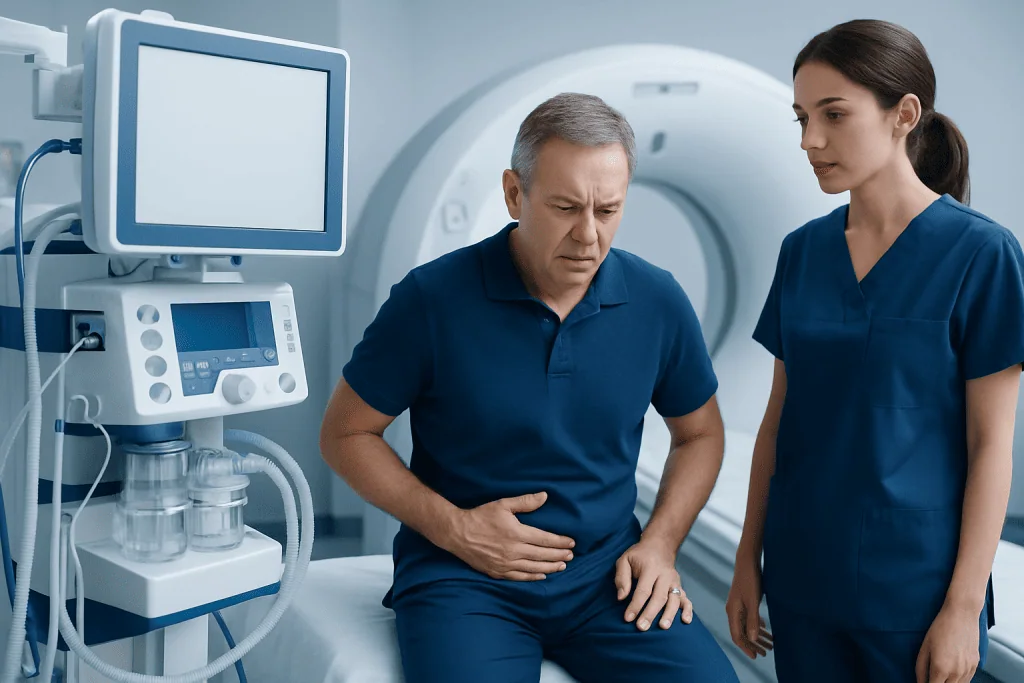
The most common symptom of diverticulitis is abdominal pain that is steady rather than crampy. It is often felt in the lower left side of the abdomen, although some people may feel pain elsewhere depending on the part of the colon involved. The pain may build over hours or appear more suddenly.
Other common symptoms include fever, chills, bloating, nausea, loss of appetite, constipation, or diarrhea. Some people also feel tenderness when the abdomen is touched. Mild symptoms can resemble other digestive conditions, including irritable bowel syndrome, but fever and localized tenderness make inflammation more likely.
Symptoms that may suggest a more serious problem include severe or worsening pain, repeated vomiting, inability to pass stool or gas, dizziness, or rectal bleeding. Diverticulitis may also occasionally be confused with other causes of abdominal pain such as gallstones or pancreatitis, which is one reason medical assessment is important when symptoms are strong or unusual.
- Steady abdominal pain, often lower left
- Fever or chills
- Nausea or reduced appetite
- Constipation or diarrhea
- Bloating and abdominal tenderness
Causes and risk factors
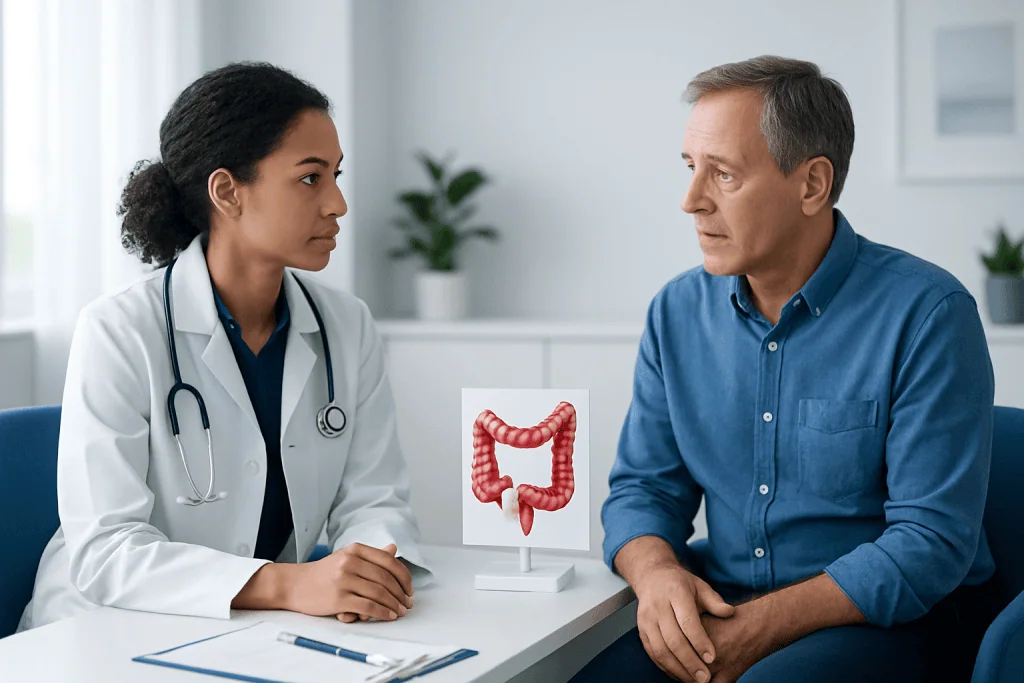
Doctors do not fully understand why one person with diverticulosis develops diverticulitis while another does not. In general, the condition is thought to happen when a diverticulum becomes blocked or irritated, leading to inflammation, small tears, or infection. This process can involve pressure changes inside the colon, changes in the gut microbiome, and local injury to the pouch wall.
Age is one of the strongest risk factors because diverticulosis becomes more common over time. Other factors linked with a higher chance of diverticulitis include obesity, smoking, low physical activity, and eating patterns low in fiber over many years. Regular use of certain medicines, such as nonsteroidal anti-inflammatory drugs, may also increase risk in some people.
Family history may play a role, and some people appear to be genetically more susceptible. A prior episode of diverticulitis can make future episodes more likely, although many people never have a recurrence. It is also important to remember that digestive symptoms do not always mean diverticulitis; conditions such as colitis, appendicitis, and diverticulitis-related disease of the colon can overlap in presentation and need to be distinguished by a clinician.
Possible complications
Many cases of diverticulitis are uncomplicated, meaning there is inflammation without major structural damage. In these cases, symptoms often improve with conservative treatment and close follow-up. Complicated diverticulitis means the inflammation has led to a more serious issue that may require hospital care or procedures.
Complications can include an abscess, which is a pocket of infection near the colon; perforation, a hole in the bowel wall; peritonitis, infection spreading inside the abdomen; bowel obstruction; and fistula formation, an abnormal connection between the colon and another organ such as the bladder. These problems may cause high fever, severe pain, marked weakness, or urinary symptoms.
Bleeding is less typical in diverticulitis than in diverticular disease generally, but it can still occur and should be evaluated promptly. Recurrent inflammation may also lead to scarring and narrowing of the bowel over time. Because these complications can be serious, medical advice should not be delayed when symptoms worsen or fail to improve.
How diverticulitis is diagnosed
Diagnosis begins with a medical history and physical examination. A doctor will ask where the pain is located, when it started, whether fever or bowel changes are present, and whether there have been similar episodes before. During the examination, the abdomen may be gently pressed to check for tenderness, guarding, or signs of more widespread inflammation.
Blood tests are commonly used to look for signs of infection or inflammation and to check hydration and overall health. A urine test may be done because urinary symptoms can sometimes overlap. In many adults, a CT scan of the abdomen and pelvis is the most useful imaging test for confirming diverticulitis and identifying complications such as abscess or perforation.
Colonoscopy is usually not performed during an acute attack because the inflamed colon may be more vulnerable. However, after recovery, a doctor may recommend colonoscopy if it has not been done recently, especially to rule out other conditions. For people needing specialized digestive evaluation, services such as advanced gastroenterology assessment or dedicated diverticulitis care may be part of follow-up planning.
Treatment options
Treatment depends on how severe the diverticulitis is, whether complications are present, and the person’s overall health. Mild uncomplicated episodes may sometimes be managed at home with rest, fluids, temporary dietary modification, and pain control, along with close medical supervision. In selected cases, antibiotics may be used, especially if symptoms are more pronounced or if the person has risk factors for a more difficult course.
When symptoms are moderate to severe, or when the person cannot keep fluids down, hospital treatment may be needed. This may include intravenous fluids, bowel rest, antibiotics, and careful monitoring. If an abscess forms, a drainage procedure may be necessary. Surgery is generally reserved for perforation, repeated severe episodes, bowel obstruction, fistula, or infection that does not improve with other treatment.
After recovery, the care team may review long-term digestive health, recurrence risk, and whether further testing is needed. This may include evaluation for other bowel disorders such as Crohn disease care or ulcerative colitis management when the diagnosis is uncertain or symptoms suggest another inflammatory condition. At the end of the care pathway, Acibadem International’s multidisciplinary specialists and JCI-accredited hospitals also diagnose and treat diverticular disease for international patients.
Prevention and self-care
While diverticulitis cannot always be prevented, healthy bowel habits may help lower the risk of future episodes. Many doctors encourage a balanced eating pattern rich in fiber from vegetables, fruits, legumes, and whole grains once the acute episode has resolved. Fiber can help support regular bowel movements and may reduce pressure inside the colon over time.
Staying well hydrated and physically active is also helpful for general colon health. Weight management and avoiding smoking may lower risk as well. People should talk with their doctor before making major diet changes, especially if they have other digestive conditions or are recovering from a recent flare.
During recovery, it is important to follow the recommended diet plan and reintroduce foods gradually as advised. Self-medicating with frequent pain relievers, especially anti-inflammatory medicines, should be avoided unless a doctor says they are appropriate. Keeping follow-up appointments matters because symptoms that seem similar can sometimes come from a different condition.
- Eat a fiber-rich diet after recovery, if medically appropriate
- Drink enough fluids
- Exercise regularly
- Avoid smoking
- Seek advice before using regular pain medicines
When to seek medical care
Anyone with new abdominal pain that lasts more than a short time should consider medical evaluation, especially if the pain is focused in one area. Diverticulitis is treatable, but early assessment can help confirm the cause and reduce the chance of complications. It is particularly important to contact a doctor if abdominal pain comes with fever, chills, nausea, or a major change in bowel habits.
Urgent care is needed if the pain is severe, the abdomen becomes hard or very tender, vomiting prevents drinking fluids, or there are signs of dehydration such as dizziness or weakness. Medical attention should also be sought for rectal bleeding, black stools, confusion, fainting, or symptoms that are rapidly worsening. These warning signs do not always mean a complication is present, but they should be checked promptly.
People with weakened immune systems, older adults, and those with significant chronic illnesses may need earlier assessment because symptoms can progress more quickly. If there has been a previous episode of diverticulitis, a familiar pattern should still be reviewed by a clinician rather than managed alone. A doctor can decide whether home care is reasonable or whether tests, antibiotics, or hospital care are needed.
Frequently asked questions
What is the difference between diverticulosis and diverticulitis?
Diverticulosis means small pouches have formed in the colon wall, usually without causing symptoms. Diverticulitis means one or more of those pouches have become inflamed or infected and are causing pain or other symptoms.
Where is diverticulitis pain usually felt?
It is most often felt in the lower left side of the abdomen and tends to be steady rather than coming and going. However, pain location can vary from person to person, so a doctor should evaluate persistent abdominal pain.
Can diverticulitis go away on its own?
Some mild cases may improve with rest, fluids, and careful medical guidance, but it is important not to assume abdominal pain is harmless. Because symptoms can overlap with more serious conditions, a clinician should advise on whether home treatment is safe.
Does diverticulitis always need antibiotics?
Not always. Some uncomplicated cases may be managed without antibiotics depending on symptoms, overall health, and the doctor's judgment, while more severe or complicated cases often do require them.
What foods should be avoided during a flare?
During an acute flare, a doctor may recommend a temporary clear-liquid or low-fiber approach until symptoms begin to improve. Food advice should be individualized, and normal fiber intake is often reintroduced gradually after recovery.
Can diverticulitis come back?
Yes, recurrence is possible, but not everyone has repeated episodes. Long-term prevention focuses on healthy bowel habits, follow-up care, and managing personal risk factors where possible.
References
- National Institute of Diabetes and Digestive and Kidney Diseases
- American College of Gastroenterology
- National Health Service
- Mayo Clinic
- World Gastroenterology Organisation
This article is for general information only and is not a substitute for professional medical advice. Please consult a qualified doctor about your individual situation.
Diverticulitis in Turkey — costs, top hospitals & a free quote
JCI-accredited · board-certified surgeons · reply within 24h
Add us as a Preferred Source to see more of our trusted health content across Google Search, AI Overviews and Discover.

General Surgery
Open, laparoscopic and robotic surgery for a broad range of abdominal and soft-tissue conditions.
120 specialists in this unit