Lung Cancer Treatment in Turkey: What International Patients Should Know
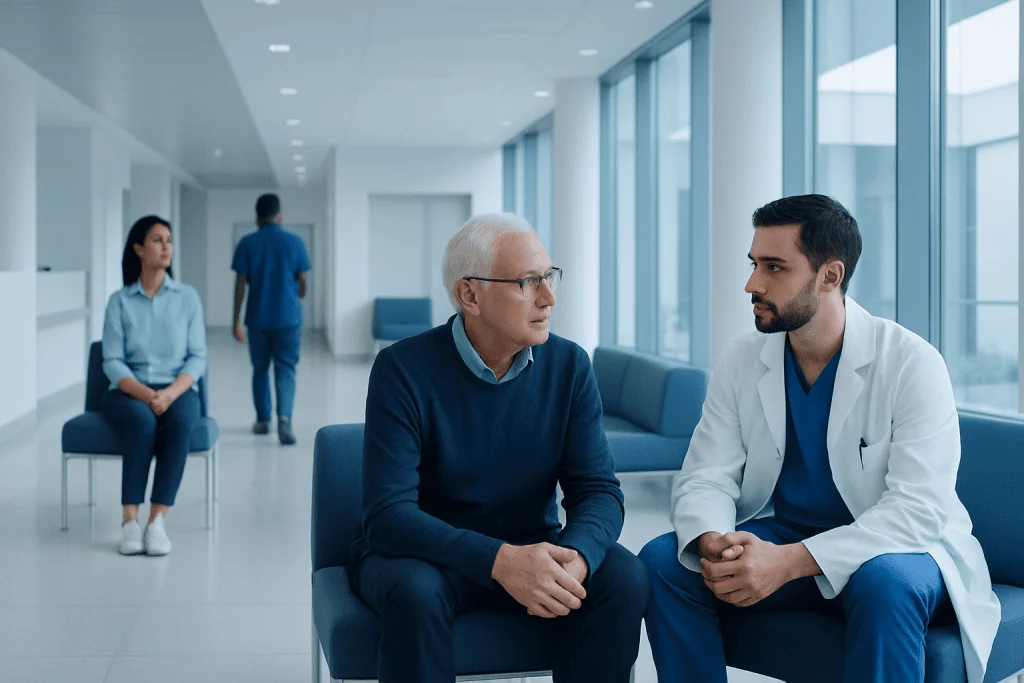
Lung cancer treatment is personalized based on cancer type, stage, molecular testing, and overall health. International patients usually need a confirmed diagnosis, imaging, pathology reports, and a treatment plan review before travel.
Key Takeaways
- Lung cancer treatment is personalized based on cancer type, stage, molecular testing, and overall health.
- International patients usually need a confirmed diagnosis, imaging, pathology reports, and a treatment plan review before travel.
- Common treatment options include surgery, radiotherapy, chemotherapy, targeted therapy, and immunotherapy.
- A multidisciplinary team helps coordinate oncology, thoracic surgery, imaging, pathology, and supportive care.
- Questions about recovery, side effects, travel timing, and follow-up should be discussed before treatment begins.
Lung cancer treatment in Turkey may include surgery, radiotherapy, chemotherapy, targeted therapy, immunotherapy, or supportive care, depending on the cancer type and stage. For international patients, understanding diagnosis, treatment planning, travel logistics, and follow-up can make the process more informed and manageable.
Overview
Lung cancer treatment in Turkey is planned according to the exact type of lung cancer, how far it has spread, and the patient’s general health. The main categories are non-small cell lung cancer and small cell lung cancer, and each can require a different approach. Treatment may involve one therapy or a combination of therapies given over time.
For many international patients, the process begins with a review of existing scans, biopsy results, and laboratory tests. If important details are missing, the medical team may recommend additional imaging, pathology review, or molecular testing before finalizing the treatment plan. This step helps ensure that treatment decisions are based on accurate staging and diagnosis.
Care is often organized through a multidisciplinary team that may include chest physicians, medical oncologists, radiation oncologists, thoracic surgeons, radiologists, pathologists, and supportive care specialists. This team-based model is important in lung cancer because treatment choices can change significantly depending on findings such as tumor location, lymph node involvement, or specific genetic alterations.
How Lung Cancer Is Evaluated Before Treatment
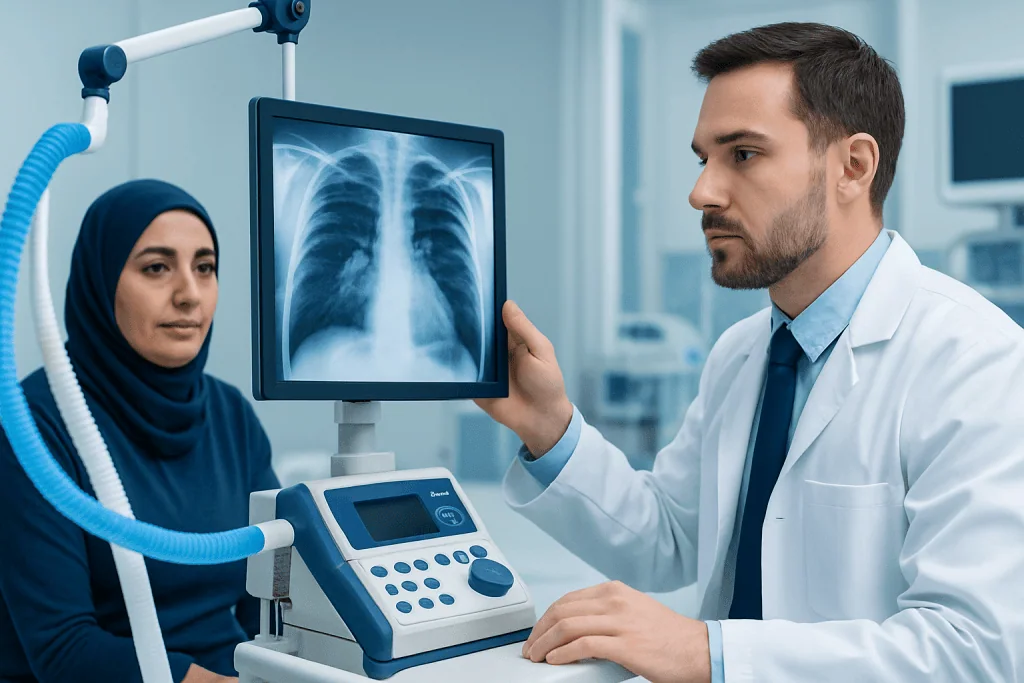
A careful evaluation is essential before treatment starts. Doctors usually confirm the diagnosis with pathology from a biopsy and assess the extent of disease with imaging such as chest CT, PET-CT, or brain imaging when appropriate. Pulmonary function tests and heart assessment may also be needed, especially if surgery is being considered.
Pathology does more than confirm that cancer is present. It identifies the exact cell type and, in many cases, whether the tumor should be tested for biomarkers. Molecular and genetic testing can help show whether targeted medicines may be useful. Testing for markers related to immunotherapy may also be part of treatment planning.
International patients are often asked to share the following before travel:
- Pathology reports and, if possible, biopsy slides or blocks for review
- Recent CT, PET-CT, MRI, or X-ray images and written reports
- Blood test results and pulmonary function test results, if available
- A summary of previous treatments, current medicines, and allergies
- Information about other medical conditions, especially heart or lung disease
When diagnosis is uncertain or more tissue is needed, further procedures may be recommended. These can include bronchoscopy, image-guided biopsy, or advanced imaging and pathology review through services such as bronchoscopy or PET-CT imaging when clinically appropriate.
Main Treatment Options
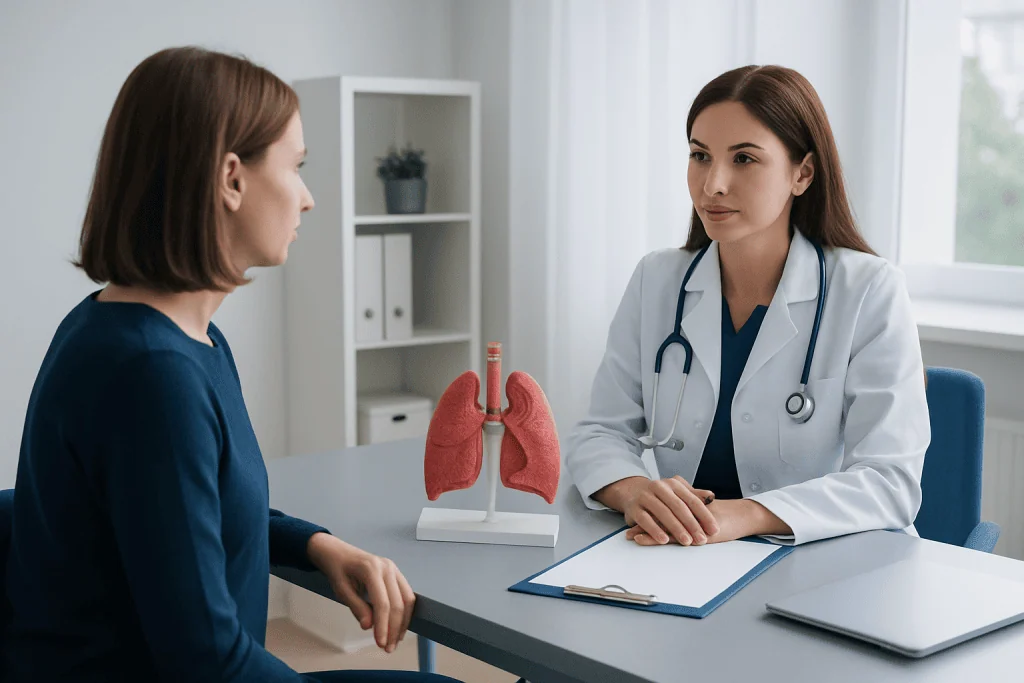
Treatment depends largely on stage. In earlier-stage disease, the goal is often to remove or destroy the cancer completely. In more advanced disease, treatment may focus on controlling the cancer, relieving symptoms, improving quality of life, and extending survival. Many patients receive a combination of local treatments, such as surgery or radiotherapy, and systemic treatments that work throughout the body.
Surgery is most often considered for selected patients with early-stage non-small cell lung cancer and adequate lung function. The type of operation depends on the tumor’s size and location and may include removal of a lobe, a segment of lung, or, less commonly, a whole lung. Minimally invasive approaches may be possible in some cases and can support recovery when suitable, including lung cancer surgery.
Radiotherapy uses carefully targeted radiation to treat the tumor and sometimes nearby lymph nodes. It may be used as the main treatment, after surgery, together with chemotherapy, or to ease symptoms. Techniques such as radiation therapy can be planned to reduce exposure to healthy tissues as much as possible.
Systemic treatments include chemotherapy, targeted therapy, and immunotherapy. Chemotherapy may be used before surgery, after surgery, with radiotherapy, or for advanced disease. Targeted therapy is used when molecular testing shows a relevant mutation, while immunotherapy may be considered in selected patients based on tumor features and overall treatment goals. For some patients, chemotherapy is one part of a broader care plan rather than the only treatment.
Treatment Planning for International Patients
For international patients, practical planning is almost as important as the medical plan. Before traveling, it is helpful to know whether the purpose of the visit is diagnosis, a second opinion, surgery, a full course of treatment, or a specific procedure. This affects how long the stay may need to be and whether family or caregiver support should be arranged.
Once records are reviewed, the care team may provide a preliminary outline of likely next steps. However, the final plan is usually confirmed after in-person evaluation and, if necessary, repeat imaging or pathology review. Patients should expect that a plan can change if new information becomes available during assessment.
Questions that are useful to discuss in advance include:
- Whether treatment can begin immediately or more testing is needed first
- How long hospitalization or outpatient treatment may last
- What side effects may affect travel, appetite, breathing, or daily activities
- Whether a companion is recommended during treatment or recovery
- How follow-up will be shared with the patient’s doctors at home
Patients who already have a diagnosis of lung cancer may also wish to ask whether a second pathology review or molecular retesting could affect treatment choices. Clear communication about language support, medication access, and the transfer of medical records after discharge can make the experience smoother.
Recovery, Side Effects, and Supportive Care
Recovery depends on the type of treatment received. After surgery, patients may need time for pain control, breathing exercises, walking, and gradual return to normal activity. A temporary decrease in stamina is common, and the healthcare team usually encourages pulmonary rehabilitation strategies, nutrition support, and careful follow-up during healing.
Radiotherapy and systemic treatments can also cause side effects, but these vary widely. Some patients may experience fatigue, nausea, loss of appetite, cough, skin irritation in the treated area, low blood counts, or increased risk of infection. Targeted therapies and immunotherapies can have their own patterns of side effects, including skin, digestive, hormone-related, or lung-related effects that require monitoring.
Supportive care is an important part of treatment at every stage, not only in advanced disease. It may include pain management, nutritional counseling, psychological support, smoking cessation help, respiratory care, and treatment for symptoms such as breathlessness or cough. Patients should report new symptoms promptly rather than waiting for the next appointment.
If breathing symptoms are severe or the airway is affected, doctors may consider procedures to improve comfort or access the airways, sometimes overlapping with care used in chronic obstructive pulmonary disease (COPD) or other complex respiratory conditions. The exact supportive measures depend on the person’s symptoms, treatment type, and baseline lung function.
Travel, Follow-Up, and Aftercare
Not every patient will need to remain abroad for the full course of care. Some may travel for surgery or a second opinion and then continue chemotherapy, immunotherapy, or routine follow-up closer to home. Others may stay for a defined phase of combined treatment, especially when treatment sessions need to be delivered on a regular schedule.
Before leaving the hospital or finishing a treatment block, patients should receive clear written information about medications, wound care if relevant, warning signs, and the recommended timing of follow-up scans or clinic visits. It is also sensible to ask how emergency issues should be handled after returning home and what records should be shared with local doctors.
For longer-term care, follow-up often includes physical examinations, imaging, review of symptoms, and monitoring for treatment effects or recurrence. Stopping smoking, staying physically active within personal limits, and maintaining nutrition can support recovery and general health. If the treatment plan includes ongoing cancer medicines, patients should clarify how prescriptions, blood tests, and monitoring will be coordinated internationally.
Near the end of planning, some international patients choose centers with broad thoracic oncology services. Acibadem International’s multidisciplinary specialists and JCI-accredited hospitals diagnose and treat lung cancer for international patients, while coordinating evaluation, treatment, and follow-up according to individual needs.
When to Seek Urgent Medical Attention
Patients receiving treatment for lung cancer should know which symptoms need prompt medical review. Urgent attention may be needed for severe shortness of breath, chest pain, coughing up significant amounts of blood, high fever, confusion, severe dehydration, or sudden weakness. These symptoms do not always mean the cancer is worsening, but they should not be ignored.
It is also important to seek medical advice for side effects that become difficult to manage at home. Persistent vomiting, inability to drink fluids, severe diarrhea, new rash, worsening fatigue, or signs of infection may require assessment. Patients on immunotherapy or targeted therapy should be especially careful to report new breathing problems, jaundice, or hormone-related symptoms such as unusual dizziness or marked changes in energy.
When traveling, carrying a treatment summary and medication list can make emergency care easier. Patients should ask in advance whom to contact during office hours and after hours, and whether specific emergency instructions apply to their treatment.
Frequently asked questions
Is lung cancer treatment in Turkey the same for every patient?
No. Treatment is individualized based on the type of lung cancer, its stage, molecular test results, symptoms, and the patient’s overall health. A plan may include surgery, radiotherapy, chemotherapy, targeted therapy, immunotherapy, or a combination of these.
What documents should international patients prepare before traveling?
Patients should usually gather pathology reports, biopsy materials if available, imaging discs and reports, blood tests, a medication list, and a summary of previous treatments. Having these records ready can speed up review and help the medical team decide whether more tests are needed.
How long might a patient need to stay in Turkey for treatment?
The required stay depends on the purpose of travel and the treatment plan. A second opinion or diagnostic workup may be relatively short, while surgery, radiotherapy, or combined treatment may require a longer stay or staged visits.
Can a patient return home for follow-up after treatment starts?
In many cases, yes. Some patients receive diagnosis or surgery abroad and continue part of their care closer to home, while others complete a defined treatment block before returning. Follow-up planning should be discussed early so records and test schedules can be coordinated with local doctors.
Do all patients with lung cancer need surgery?
No. Surgery is usually considered for selected patients, especially with earlier-stage non-small cell lung cancer and adequate lung function. Many patients are treated with radiotherapy, chemotherapy, targeted therapy, immunotherapy, or combinations of these instead of surgery.
Why is molecular testing important in lung cancer?
Molecular testing can identify specific genetic changes in the tumor that may make targeted therapy possible. It can also help doctors choose the most appropriate systemic treatment and avoid a one-size-fits-all approach.
References
- World Health Organization
- National Cancer Institute
- American Cancer Society
- National Comprehensive Cancer Network
- European Society for Medical Oncology
This article is for general information only and is not a substitute for professional medical advice. Please consult a qualified doctor about your individual situation.
Lung Cancer in Turkey — costs, top hospitals & a free quote
JCI-accredited · board-certified surgeons · reply within 24h
Add us as a Preferred Source to see more of our trusted health content across Google Search, AI Overviews and Discover.

Medical Oncology Department
Medical treatment of cancer with chemotherapy, immunotherapy and targeted therapies under a multidisciplinary tumor board.
60 specialists in this unit