

Women’s Health Checkup: What a Gynecology Visit Includes

A women's health checkup supports prevention, early detection, and reproductive health planning. Not every gynecology visit includes the same tests; care is personalized by age, symptoms, and medical history.
Key Takeaways
- A women's health checkup supports prevention, early detection, and reproductive health planning.
- Not every gynecology visit includes the same tests; care is personalized by age, symptoms, and medical history.
- The appointment often includes a discussion about periods, contraception, sexual health, menopause, and screening needs.
- Pelvic exams and cervical screening may be recommended when appropriate, but they are not required at every visit.
- Patients can usually make the visit easier by bringing a symptom list, medication list, and questions in advance.
A women’s health checkup is a routine gynecology visit focused on prevention, screening, and discussion of personal health concerns. It may include a medical history review, physical examination, pelvic exam when appropriate, and advice tailored to age, symptoms, and life stage.
Overview: What a women’s health checkup is
A women’s health checkup is a routine medical visit that focuses on preventive care, reproductive health, and concerns related to the female reproductive system. It is often called a gynecology visit or well-woman exam. The aim is to support long-term health, identify problems early, and give clear advice that fits a person’s age, symptoms, health history, and life plans.
These visits are not only for people who feel unwell. Many appointments are scheduled when a person has no symptoms at all. Regular checkups can help with screening for cervical changes, discussion of menstrual patterns, sexual health counseling, family planning, menopause care, and general wellness topics such as bone health and lifestyle.
A gynecology visit can also be the right place to talk about changes that may feel private or difficult to raise elsewhere. Concerns such as pain with periods, unusual bleeding, vaginal discharge, pelvic discomfort, fertility questions, or changes related to menopause are all common reasons to seek care. The visit is meant to be respectful, confidential, and centered on the patient’s comfort.
What usually happens during the appointment
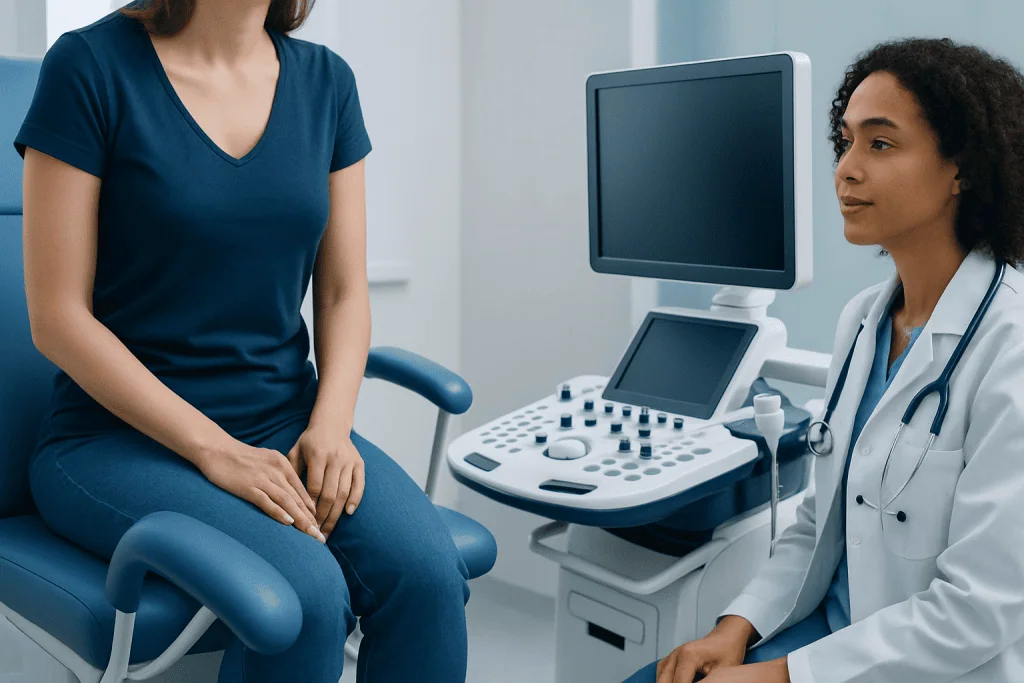
Most women’s health checkups begin with a conversation rather than an examination. The clinician usually asks about general health, past illnesses, surgeries, allergies, medications, and family history. They may also ask about menstrual cycles, pregnancies, contraception, sexual activity, menopause symptoms, and any current concerns such as pain, bleeding, itching, or changes in discharge.
Basic measurements may be taken, such as weight, height, blood pressure, pulse, and sometimes temperature. Depending on the reason for the visit and the patient’s age, a general physical examination may be included. This can help identify broader health issues that affect gynecologic well-being, including blood pressure concerns, thyroid changes, or weight-related risks.
Not every visit includes the same steps. Some appointments are mainly discussions about contraception, irregular periods, fertility, or menopause. Others may include an examination and screening tests. If a pelvic exam or another intimate part of the visit is suggested, the clinician should explain why it is being recommended and what to expect before proceeding.
Pelvic exam, breast exam, and screening tests

A pelvic exam may be recommended if a patient has symptoms, is due for certain screenings, or needs evaluation of the uterus, ovaries, cervix, or vagina. During the exam, the clinician looks for signs of irritation, infection, swelling, or structural changes. In some cases, a speculum is used to gently view the cervix, and a bimanual exam is performed to assess the size and tenderness of the pelvic organs.
Cervical cancer screening may be part of the visit, depending on age and screening history. This is commonly done with a Pap test, HPV test, or both, based on current clinical guidance. These tests help detect abnormal cervical cells or the presence of high-risk human papillomavirus, often before symptoms appear.
A breast exam may also be performed in some settings, although breast screening recommendations vary by age and individual risk. The appointment is also a good time to discuss breast awareness, family history, and when imaging tests such as mammography may be appropriate. If symptoms such as a breast lump, nipple discharge, or persistent pelvic pain are present, the doctor may recommend further testing, including imaging or referral for breast evaluation and treatment or MRI scanning when clinically needed.
- Possible screening or diagnostic steps may include Pap or HPV testing
- Testing for sexually transmitted infections when appropriate
- Pregnancy testing
- Pelvic ultrasound for pain, bleeding, or masses
- Blood tests to evaluate hormones, anemia, or infection
Common topics discussed in a gynecology visit
A women’s health checkup often includes questions that relate to different stages of life. Teenagers and younger adults may want guidance about menstrual cycles, painful periods, acne linked to hormones, HPV vaccination, and contraception. Adults planning pregnancy may discuss preconception health, fertility timing, and conditions that could affect pregnancy.
For people in their 40s and beyond, visits often include conversations about perimenopause and menopause. Symptoms such as hot flashes, sleep disturbance, vaginal dryness, mood changes, and irregular bleeding can be assessed in a structured way. The clinician may also review bone health, heart risk factors, and bladder symptoms, which can become more important over time.
Sexual health is another important part of care. Patients can discuss pain during sex, low libido, concerns about infections, vaginal dryness, or changes after childbirth. If symptoms suggest a specific problem, the doctor may investigate conditions such as ovarian cancer or other gynecologic disorders, while remembering that many symptoms have non-cancerous causes. The goal is to listen carefully, assess risk, and choose the most appropriate next step.
When extra tests or follow-up may be needed
If a routine visit raises a question, the clinician may recommend additional tests or a follow-up appointment. This does not always mean something serious is wrong. Often, extra testing is simply the safest way to clarify common symptoms such as irregular bleeding, pelvic pain, missed periods, or unusual discharge.
Depending on the concern, follow-up may include pelvic ultrasound, repeat cervical testing, blood work, urine testing, or referral to another specialist. Patients with abnormal bleeding may need evaluation of the uterus or ovaries. Those with persistent pelvic pain or a suspected mass may be referred for specialist gynecologic care if there is concern for a complex condition.
In some situations, test results lead to monitoring rather than immediate treatment. Mild cervical cell changes, simple ovarian cysts, or hormone-related cycle changes may only require repeat assessment after a period of time. Good follow-up is an important part of preventive gynecology because it helps ensure that subtle changes are not overlooked.
How to prepare and how to feel more comfortable
Many people feel anxious before a gynecology visit, especially if it is their first one or if they have had discomfort during past exams. Preparation can help. It is useful to write down symptoms, the dates of recent menstrual periods, current medications, past surgeries, and any questions about contraception, fertility, menopause, or sexual health.
Wearing comfortable clothing and arriving a little early can make the appointment less stressful. Some patients prefer to schedule the visit for a time when they are not menstruating, especially if cervical screening is planned, although this is not always necessary. If there is worry about pain, previous trauma, modesty, or understanding the examination, it is appropriate to say so at the start of the visit.
Patients have the right to ask questions, request explanations, and understand each step before it happens. They can ask whether a support person may accompany them if local clinic rules allow. A respectful clinician should explain the reason for any examination, discuss options, and stop if the patient asks. This can make the experience more comfortable and help build trust over time.
When to book a visit and when to seek care sooner
Routine women’s health checkups are often scheduled regularly based on age, medical history, and local screening guidance. Even when a person feels well, checkups support prevention and give space to discuss changing needs over time. This is especially helpful during puberty, before pregnancy, after childbirth, and during perimenopause or menopause.
It is important to book a gynecology visit sooner if there are symptoms such as heavy or irregular bleeding, bleeding after menopause, severe menstrual pain, pelvic pain, unusual vaginal discharge, genital sores, a breast lump, or pain during sex. A missed period with possible pregnancy, or new urinary and vaginal symptoms, also deserves timely medical attention.
Urgent care may be needed for severe pelvic pain, heavy bleeding, fainting, fever with pelvic symptoms, or possible pregnancy complications. In general, it is best not to ignore persistent changes. Toward the end of the care journey, some patients may choose centers that provide coordinated women’s health, imaging, and specialist follow-up. Acibadem International’s multidisciplinary specialists and JCI-accredited hospitals diagnose and treat gynecologic conditions for international patients, including access to services such as comprehensive check-up programs when appropriate.
Frequently asked questions
Does every women’s health checkup include a pelvic exam?
No. A pelvic exam is not needed at every visit. Whether it is recommended depends on the patient’s age, symptoms, screening schedule, and reason for the appointment.
What should a patient bring to a gynecology visit?
It helps to bring a list of medications, allergies, past surgeries, and any medical conditions. A record of recent periods, symptoms, and questions can also make the visit more useful and focused.
Can a patient go to a gynecologist even without symptoms?
Yes. Many gynecology visits are preventive and happen when a person feels well. These appointments help with screening, contraception counseling, reproductive planning, and early detection of potential problems.
Is it normal to feel nervous before the appointment?
Yes, this is very common, especially before a first visit or after a difficult past experience. Letting the clinician know about these concerns can help them explain each step clearly and make the visit more comfortable.
What problems can be discussed during a women’s health checkup?
Patients can discuss periods, pelvic pain, unusual bleeding, vaginal discharge, sexual health, contraception, fertility, menopause, and breast concerns. Even symptoms that seem minor or personal are appropriate to raise during the visit.
When should someone seek care sooner rather than wait for a routine checkup?
Care should be sought sooner for heavy bleeding, severe pelvic pain, bleeding after menopause, a breast lump, or signs of infection. Sudden severe symptoms, fainting, or concerns related to pregnancy may need urgent medical evaluation.
References
- World Health Organization
- American College of Obstetricians and Gynecologists
- Centers for Disease Control and Prevention
- National Institutes of Health
- Office on Women's Health
This article is for general information only and is not a substitute for professional medical advice. Please consult a qualified doctor about your individual situation.
Explore treatments in Turkey — costs, top hospitals & a free quote
JCI-accredited · board-certified surgeons · reply within 24h
Add us as a Preferred Source to see more of our trusted health content across Google Search, AI Overviews and Discover.
Check your numbers in seconds
BMI, calories, due date, blood pressure and 30+ more clinical calculators — free, instant, doctor-reviewed ranges.

More from the Health Library



Related Specialists

Prof. Dr. Alper Kaya
Orthopedic Surgery & Traumatology
Selvî Yüce
Physical Medicine & Rehabilitation
Dr. Volkan Fürüzan
Emergency Service
Prof. Dr. Mehmet Özkan
Cardiovascular Surgery