

Breast Prosthesis Removal: Do You Need Replacement or a Lift?

Breast prosthesis removal may be done for medical reasons, cosmetic concerns, or personal preference. After removal, the options usually include no replacement, replacement with new implants, a breast lift, or a lift combined with replacement.
Key Takeaways
- Breast prosthesis removal may be done for medical reasons, cosmetic concerns, or personal preference.
- After removal, the options usually include no replacement, replacement with new implants, a breast lift, or a lift combined with replacement.
- The best choice depends on breast volume, skin elasticity, nipple position, symptoms, and the person's goals.
- An experienced plastic surgeon evaluates implant condition, breast tissue, and overall health before recommending a plan.
- Recovery and final shape vary depending on whether removal is performed alone or together with another breast procedure.
Breast prosthesis removal is a personalized decision, and the next step is not the same for everyone. Some people choose replacement, some benefit from a breast lift, some have both procedures together, and others prefer removal alone.
Overview: What happens after breast prosthesis removal?
Breast prosthesis removal, also called explant surgery, is the operation used to take out breast implants. People may consider it because of discomfort, changes in breast appearance, implant rupture, capsular contracture, or simply a change in personal preference. For many patients, the main question is what the breasts are likely to look and feel like afterward, and whether another procedure is needed.
There is no single answer that fits everyone. After breast prosthesis removal, some breasts return to a shape that feels acceptable without further surgery, especially if the implants were small, the skin remains firm, and the breasts had good natural volume before augmentation. In other cases, the breasts may look flatter, looser, or lower than expected, which can make replacement or a lift worth considering.
The most common options are removal alone, removal with new implants, removal with a breast lift, or removal with both a lift and replacement. A surgeon may discuss these pathways as part of breast prosthesis removal planning. The goal is to match the surgical approach to the patient’s anatomy, symptoms, and expectations rather than following a routine formula.
When replacement may be considered
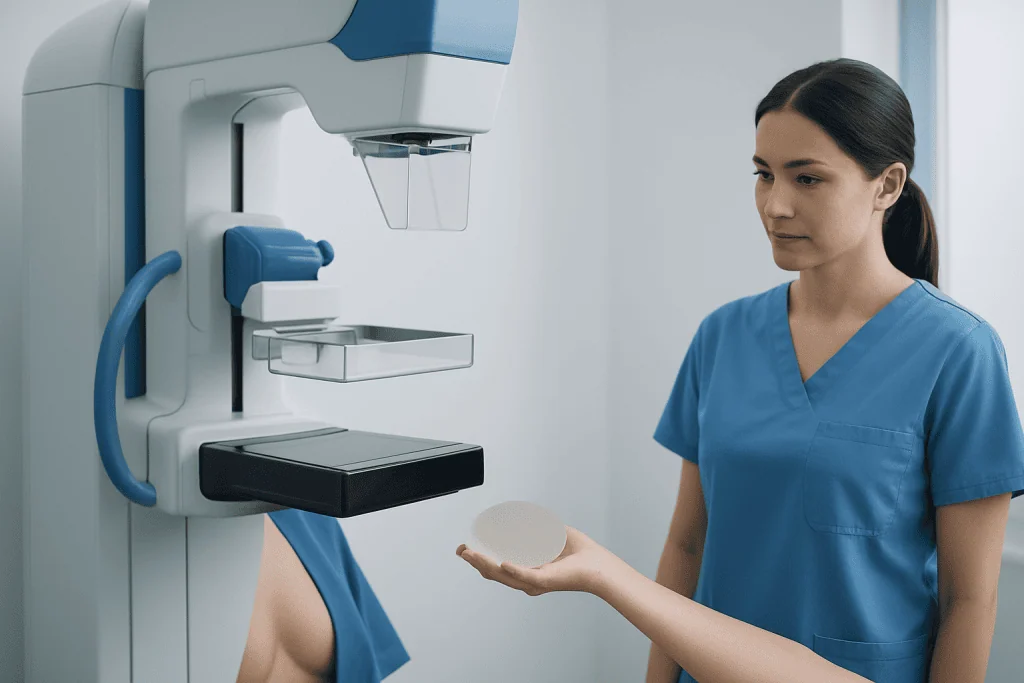
Replacement means removing the existing implants and placing new ones during the same operation or at a later stage. This is often considered when a person still wants upper-breast fullness, cleavage, or a similar overall size after the old implants are taken out. It may also be discussed if an implant has ruptured, shifted, or developed another problem, but the patient still prefers an augmented breast shape.
New implants may differ from the previous ones in size, profile, material, or placement. In some cases, changing to a smaller implant can reduce tissue strain while preserving volume. A surgeon may also recommend replacement if the breast envelope has stretched over time and would otherwise look noticeably empty after removal.
Even when replacement is planned, the decision involves more than simply inserting another implant. The surgeon assesses scar tissue, implant pocket position, skin quality, and the health of the surrounding breast tissue. For patients reviewing their options, breast augmentation and breast reshaping options may be part of the wider conversation about how to restore balance and proportion.
When a breast lift may be the better option
A breast lift, or mastopexy, may be recommended when the main concern after implant removal is sagging rather than loss of volume alone. Over time, implants can stretch the skin and supporting tissues. After removal, the nipple may sit lower, the breast skin may appear loose, and the breast may have a deflated shape. In these situations, a lift can reshape the breast mound and reposition the nipple to a more youthful level.
A lift does not replace the fullness that an implant provides, especially in the upper part of the breast. Instead, it improves contour by tightening skin and reshaping the existing tissue. This can be a good choice for people who want a more natural size and feel, and who are comfortable with less volume than they had with implants.
Some patients choose a lift alone because they want to avoid future implant maintenance or simply prefer not to have another prosthesis. Others combine the lift with a smaller replacement implant or, in selected cases, with breast fat transfer to fine-tune shape. When nipple position, asymmetry, or loose skin are the main issues, a breast lift may provide the most balanced result.
How surgeons decide: key factors that guide the plan
The choice between replacement, a lift, both, or neither depends on several physical and personal factors. Surgeons usually start by examining breast volume, skin elasticity, implant size, how long the implants have been in place, and the position of the nipples. Larger implants and longer implant history often increase the chance of tissue stretching, which can make a lift more helpful after removal.
The condition of the implant and capsule also matters. A thick, tight capsule may distort the breast shape and can influence whether the implant pocket needs revision. If there is rupture, asymmetry, or discomfort, the surgeon may recommend a more complex approach to restore comfort and contour. Medical history, smoking status, body weight changes, and future pregnancy plans can also affect the surgical recommendation.
Just as important are the patient’s goals. Some people want to keep a similar breast size. Others want a lighter, more natural look. Bringing photos, discussing clothing preferences, and being clear about what matters most can help the surgeon explain realistic outcomes. A careful consultation is especially important because breast shape after explant cannot be predicted by implant size alone.
Diagnosis and preoperative evaluation
Before surgery, the plastic surgeon performs a full evaluation to understand why the implants are being removed and what result the patient hopes to achieve. This usually includes a physical exam, review of previous breast surgeries, discussion of symptoms, and assessment of any visible changes such as rippling, firmness, asymmetry, or drooping. The surgeon may measure the breast base, skin quality, and nipple position to decide whether a lift might improve the outcome.
Imaging tests may be recommended in some cases. Ultrasound, mammography, or magnetic resonance imaging can help assess implant integrity or investigate breast symptoms. These tests do not automatically mean there is a serious problem; they are often used to plan surgery safely and accurately, especially if rupture is suspected or if there is uncertainty about the surrounding tissues.
Patients should also discuss general health conditions, medicines, allergies, and smoking or nicotine use. A clear understanding of risks, scars, recovery time, and likely breast appearance after surgery is part of good planning. During this phase, the surgeon may also review whether procedures such as aesthetic breast surgery or reconstructive adjustments are appropriate in the same operation or should be staged.
Treatment options and what recovery is like
The main treatment options are explant alone, explant with capsule removal when needed, explant with replacement, and explant with lift. In selected cases, more than one technique is combined to improve shape and symmetry. The exact plan depends on the patient’s anatomy and the reasons for surgery. A surgeon will explain where scars are likely to be, whether drains may be used, and how much change in size and firmness to expect.
Recovery varies with the extent of surgery. Removal alone may involve less swelling and a somewhat shorter recovery than removal combined with a lift or replacement, although each person heals differently. Temporary soreness, swelling, bruising, and tightness are common. Most patients are advised to limit strenuous activity for a period, wear a supportive surgical bra, and attend follow-up visits so healing can be checked carefully.
Final breast shape often takes time to settle. Early after surgery, the breasts may appear high, swollen, or uneven before softening into a more natural position. Patients who choose replacement should remember that new implants may still require long-term monitoring. Those choosing a lift alone should understand that scars are part of the trade-off for improved breast position and contour. A thoughtful discussion before surgery usually leads to greater satisfaction afterward.
Self-care, expectations, and when to seek medical advice
Good preparation and realistic expectations can make the process smoother. Patients are usually advised to stop smoking if possible, follow preoperative instructions carefully, arrange help at home for the first days, and avoid comparing their early healing to final results. Emotional adjustment can also be part of recovery, especially for people who have had implants for many years and are getting used to a new body image.
After surgery, it is important to watch for symptoms that need prompt medical attention. These include increasing pain rather than gradual improvement, marked swelling on one side, fever, redness that spreads, unusual drainage, shortness of breath, or sudden breast shape changes. Although many postoperative concerns turn out to be minor, it is safest to contact the surgeon if something feels wrong.
Anyone considering breast prosthesis removal should seek evaluation if they have breast firmness, pain, visible distortion, suspected rupture, or dissatisfaction with breast shape. If questions remain about whether replacement or a lift is more suitable, a consultation with a qualified plastic surgeon can clarify the options. Near the end of the decision process, some international patients choose centers such as Acibadem International, where multidisciplinary specialists in JCI-accredited hospitals evaluate and treat breast concerns in a coordinated way.
Frequently asked questions
Does everyone need a replacement after breast prosthesis removal?
No. Some people are happy with removal alone, especially if they have good natural breast tissue and limited skin stretching. Others prefer replacement to keep more volume, while some benefit more from a lift to improve shape.
How do doctors know if a breast lift is needed after implant removal?
A lift is considered when the breast skin is loose, the nipple sits low, or the breast looks deflated after the implant is removed. The decision is based on an examination, measurements, and the person’s goals for size and shape.
Can implant removal and a breast lift be done at the same time?
Yes, in many cases they can be performed during one operation. This may reduce the need for a second anesthesia and can help reshape the breast immediately, although not everyone is a candidate for a combined procedure.
Will the breasts look completely natural after breast prosthesis removal?
Results vary from person to person. Breast appearance depends on the original breast tissue, implant size, skin elasticity, age, and whether a lift or replacement is performed. A surgeon can outline what is realistic based on the individual anatomy.
Is recovery harder if a lift or replacement is done with explant surgery?
Recovery may be somewhat more involved when explant is combined with a lift or replacement because more tissue is being adjusted. Even so, many patients recover well with proper aftercare, rest, and close follow-up.
What if someone wants fullness but does not want another implant?
Some patients ask about alternatives such as fat transfer, depending on their anatomy and goals. This approach may offer modest volume improvement, but it does not create the same fullness as an implant in every case.
References
- U.S. Food and Drug Administration
- American Society of Plastic Surgeons
- National Health Service
- Mayo Clinic
- International Society of Aesthetic Plastic Surgery
This article is for general information only and is not a substitute for professional medical advice. Please consult a qualified doctor about your individual situation.
Breast Prosthesis Removal in Turkey — costs, top hospitals & a free quote
JCI-accredited · board-certified surgeons · reply within 24h
Add us as a Preferred Source to see more of our trusted health content across Google Search, AI Overviews and Discover.

Plastic, Reconstructive & Aesthetic Surgery
Reconstructive and aesthetic procedures for the face and body, performed by experienced surgeons.
35 specialists in this unitRelated Treatments
Related Conditions
More from the Health Library



Related Specialists

Prof. Dr. Şükrü Yazar
Aesthetic Plastic & Reconstructive Surgery
Assoc. Prof. Dr. Erdem Güven (m)
Aesthetic Plastic & Reconstructive Surgery
Prof. Dr. Hakan Ağır
Aesthetic Plastic & Reconstructive Surgery
Prof. Dr. Bülent Saçak
Aesthetic Plastic & Reconstructive Surgery