Ablation vs Pacemaker: Which Heart Rhythm Treatment Is Right for You?
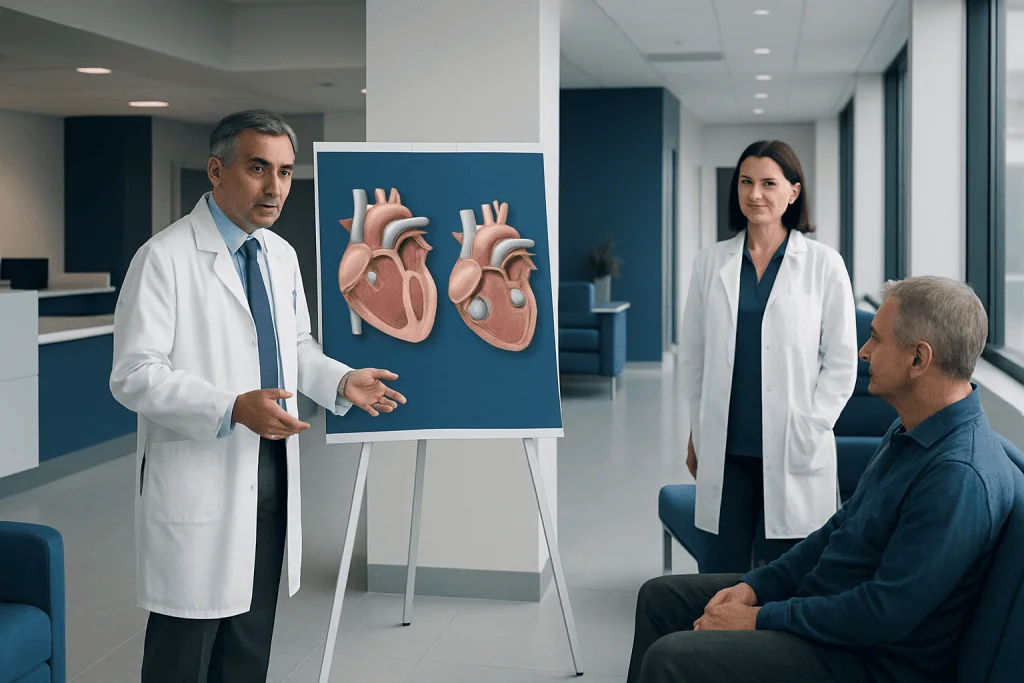
Ablation and pacemakers are not interchangeable; each treats different rhythm problems. Catheter ablation is commonly used for selected fast or abnormal heart rhythms.
Key Takeaways
- Ablation and pacemakers are not interchangeable; each treats different rhythm problems.
- Catheter ablation is commonly used for selected fast or abnormal heart rhythms.
- A pacemaker is mainly used to prevent symptoms and risks from slow heart rhythms or conduction block.
- Some people may need both treatments if they have more than one rhythm issue.
- The best choice depends on the type of arrhythmia, symptoms, age, heart structure, and overall health.
Ablation and pacemakers both treat heart rhythm problems, but they are used for different reasons. In general, ablation targets abnormal electrical signals that cause certain fast rhythms, while a pacemaker helps the heart beat regularly when it is too slow or its natural electrical system is unreliable.
Overview: How Ablation and Pacemakers Differ
When people hear about treatment for an irregular heartbeat, they often wonder whether ablation or a pacemaker is the better option. The answer depends on the specific heart rhythm problem. These two treatments work in very different ways, and they are designed for different types of electrical disturbances in the heart.
Catheter ablation is a procedure that aims to remove or block the small area of heart tissue causing abnormal electrical signals. It is most often used for certain fast heart rhythms, also called tachyarrhythmias. Examples may include atrial flutter, some forms of supraventricular tachycardia, and selected cases of atrial fibrillation or ventricular rhythm disorders. For readers learning about rhythm problems more broadly, cardiac arrhythmia care may help place these treatments in context.
A pacemaker is a small implanted device that sends electrical impulses to help the heart beat at an appropriate rate. It is mainly used when the heart beats too slowly, pauses too long, or the electrical signal does not travel properly from one part of the heart to another. This may happen in conditions such as sick sinus syndrome or heart block.
In some situations, the decision is straightforward. In others, it is more nuanced and may involve symptoms, test results, age, activity level, and whether there is underlying heart disease. A cardiologist or heart rhythm specialist, often called an electrophysiologist, helps match the treatment to the person rather than using a one-size-fits-all approach.
When Ablation May Be the Right Choice

Ablation is usually considered when the problem is an abnormal electrical circuit or focus that triggers a fast or irregular rhythm. During the procedure, thin catheters are guided through blood vessels into the heart. Heat or cold energy is then used to create a very small scar in the targeted area so the abnormal signal can no longer spread.
This approach can be especially helpful for rhythm problems with a well-defined electrical source. These may include supraventricular tachycardia, atrial flutter, Wolff-Parkinson-White syndrome, and some forms of ventricular tachycardia. In selected people, it may also be recommended for atrial fibrillation, particularly when symptoms continue despite medication or when medicines cause troublesome side effects.
Potential benefits of ablation include fewer episodes of palpitations, less dizziness, improved exercise tolerance, and reduced need for long-term antiarrhythmic medication in some patients. However, ablation is not ideal for every rhythm disorder, and success rates vary depending on the specific diagnosis and the structure of the heart.
Common reasons a doctor may suggest ablation include:
- Frequent or bothersome episodes of rapid heartbeat
- Symptoms despite medication
- A wish to reduce reliance on rhythm-control drugs
- A rhythm disorder with a high likelihood of successful catheter treatment
- Concern that the arrhythmia may weaken heart function over time
People who are comparing options may also benefit from reading about ablation procedures in general, since the exact technique differs by rhythm type.
When a Pacemaker May Be the Right Choice

A pacemaker is usually recommended when the heart’s natural pacing system is too slow or unreliable. The device is placed under the skin, often near the collarbone, and connected to one or more leads that reach the heart. It continuously monitors the heart rate and delivers electrical impulses when needed.
This treatment is most useful for bradycardia, which means a slow heart rhythm. It may also help when there are pauses in the heartbeat, episodes of fainting related to conduction problems, or certain forms of heart block. In many people, a pacemaker does not make the heart beat faster all the time; instead, it supports the heart only when the rate drops below a safe level.
Doctors may consider a pacemaker if symptoms such as fatigue, lightheadedness, fainting, exercise intolerance, or shortness of breath are linked to a slow rhythm. It may also be needed if medications that control a fast rhythm cause the heart rate to become too slow. In that situation, the pacemaker protects against bradycardia while allowing other treatment to continue.
A pacemaker may be a better fit when:
- The main problem is a slow heartbeat rather than a fast one
- There are repeated pauses or blackouts
- The electrical signal between the heart’s chambers is blocked or delayed
- The rhythm problem is unlikely to be corrected with ablation alone
- There is age-related or disease-related damage to the natural conduction system
Can Someone Need Both Treatments?
Yes. Although ablation and pacemakers are often presented as alternatives, some people may benefit from both. This usually happens when a person has more than one rhythm problem or when treatment for one issue affects another part of the heart’s electrical system.
For example, someone may have episodes of very fast rhythm and also have long pauses between episodes. In other cases, ablation may be used to control a rapid arrhythmia, while a pacemaker is implanted because the heart rate remains too slow at other times. This can happen in some patients with sinus node disease or complex atrial arrhythmias.
There are also situations in which a pacemaker supports treatment rather than replacing it. A person may need medications to suppress a dangerous or persistent rhythm, but those medicines can slow the heart too much. A pacemaker can allow the use of needed drugs more safely. In certain advanced cases, other implanted devices such as defibrillators may be considered instead of, or in addition to, a standard pacemaker.
The key point is that treatment plans are individualized. A decision that is appropriate for one person with palpitations may not suit another person with the same symptom but a different diagnosis. Careful rhythm testing is what makes the difference.
How Doctors Decide: Tests, Diagnosis, and Personal Factors
Choosing between ablation and a pacemaker begins with identifying the exact rhythm disorder. Symptoms alone are not enough, because palpitations, dizziness, chest discomfort, and fatigue can occur in many different conditions. A doctor usually starts with a medical history, physical examination, and an electrocardiogram, also called an ECG.
Further testing may include ambulatory heart monitoring, such as a Holter monitor or event recorder, to capture episodes that come and go. Echocardiography is often used to look at heart structure and function, especially when there is concern about valve disease, cardiomyopathy, or weakened pumping ability. Patients may also undergo echocardiography or other assessments to evaluate whether there is an underlying structural cause for the rhythm problem.
Sometimes the broader condition matters as much as the rhythm itself. For example, people with cardiomyopathy or heart failure may need a more complex treatment strategy because heart muscle disease can influence both arrhythmia risk and device selection. Blood tests, exercise testing, and an electrophysiology study may also be used in selected cases.
Doctors commonly weigh these factors before recommending treatment:
- The exact diagnosis and whether the rhythm is too fast, too slow, or both
- How often episodes happen and how severe the symptoms are
- Whether medicines have worked or caused side effects
- The person’s age, activity level, and preferences
- Heart structure, pumping function, and other medical conditions
- The expected benefits, limits, and risks of each option
Benefits, Risks, and Recovery
Both ablation and pacemaker implantation are established treatments, but each has its own benefits and limitations. Ablation may offer the possibility of directly treating the source of a rhythm problem, which can reduce or stop episodes in suitable patients. A pacemaker, by contrast, does not eliminate the underlying tendency toward slow rhythm, but it provides reliable support to keep the heartbeat from falling too low.
No procedure is entirely risk-free. With ablation, possible risks can include bleeding, bruising, infection, blood vessel injury, damage to the heart’s normal electrical system, or recurrence of the arrhythmia. With pacemaker implantation, possible risks include infection at the implant site, lead problems, bleeding, or a need for later device checks and battery replacement. The exact risk profile depends on the person’s health and the type of procedure being performed.
Recovery is often measured in days rather than weeks for many patients, although this varies. After ablation, temporary soreness or fatigue can occur, and some people may notice brief rhythm irregularities during healing. After pacemaker implantation, there is usually a short recovery period with guidance on arm movement and wound care while the leads settle into place.
Regular follow-up is important with either treatment. Ablation patients are checked for symptom control and possible recurrence. Pacemaker patients need periodic device monitoring to confirm that the settings, battery, and leads are functioning correctly.
Questions to Ask and When to See a Doctor
People who are deciding between ablation and a pacemaker often benefit from asking clear, practical questions. Useful questions may include: What exact rhythm problem do I have? Is my heart rate too fast, too slow, or both? What are the goals of treatment? Could medication alone be enough, or is a procedure likely to help more? Understanding the diagnosis often makes the treatment choice much easier.
Medical attention is important if a person has repeated fainting, severe dizziness, chest pain, shortness of breath, or a rapid or slow heartbeat that feels persistent or unwell. Even symptoms that seem mild, such as recurring palpitations or unusual fatigue, deserve evaluation if they keep happening. Early assessment can help prevent complications and improve quality of life.
Self-care also matters. Limiting excess caffeine or alcohol, managing stress, taking medicines exactly as prescribed, and controlling related conditions such as high blood pressure can all support heart rhythm health. Some people are assessed through non-invasive cardiology services before a procedure is considered.
For international patients who need specialist assessment, Acibadem International offers diagnosis and treatment for heart rhythm conditions through multidisciplinary teams in JCI-accredited hospitals. The most suitable option is best decided after a full review by a qualified cardiologist or electrophysiologist.
Frequently asked questions
Is ablation better than a pacemaker?
Neither treatment is universally better. Ablation is often preferred for certain fast heart rhythms caused by abnormal electrical pathways, while a pacemaker is mainly used for slow heart rhythms or conduction problems. The right choice depends on the exact diagnosis.
Can a pacemaker fix atrial fibrillation?
A pacemaker does not usually cure atrial fibrillation. It may be used in some people if treatment causes the heart rate to become too slow or if there is another bradycardia problem at the same time. Atrial fibrillation itself is often managed with medicines, ablation, or both.
How long does it take to recover from ablation or pacemaker surgery?
Recovery is often relatively quick, but it varies by person and procedure. Many patients return to light daily activities within a few days, though doctors may advise temporary limits on lifting, driving, or strenuous activity. The medical team provides specific instructions based on the treatment performed.
Can someone need a pacemaker after ablation?
Yes, in some situations. A person may already have an underlying slow rhythm problem, or the heart's normal electrical system may not function reliably afterward. This is not common for every type of ablation, but it can occur in selected cases.
Are these treatments permanent?
Ablation aims to create a lasting change in the heart tissue that is causing the abnormal rhythm, but some arrhythmias can return and may need repeat treatment. A pacemaker is a long-term implanted device, though its battery and occasionally other components may need replacement over time.
What symptoms suggest a heart rhythm problem should be checked?
Palpitations, fainting, near-fainting, unexplained fatigue, dizziness, chest discomfort, and shortness of breath can all be warning signs. These symptoms do not always mean a serious problem, but they should be assessed if they are new, recurrent, or concerning. Urgent care is important for severe symptoms.
This article is for general information only and is not a substitute for professional medical advice. Please consult a qualified doctor about your individual situation.
Explore treatments in Turkey — costs, top hospitals & a free quote
JCI-accredited · board-certified surgeons · reply within 24h
Add us as a Preferred Source to see more of our trusted health content across Google Search, AI Overviews and Discover.
Check your numbers in seconds
BMI, calories, due date, blood pressure and 30+ more clinical calculators — free, instant, doctor-reviewed ranges.

Cardiology Department
Diagnosis and treatment of heart and vascular conditions, from prevention to advanced interventional procedures.
93 specialists in this unitRelated Treatments
Related Conditions
More from the Health Library

Heart Bypass Surgery With Kidney Disease: Risk Planning and Recovery

Heart Valve Surgery Recovery: ICU Stay, Walking, and Returning Home

Peripheral Angioplasty and Stenting: What to Expect for Leg Artery Narrowing

When Is Coronary Artery Bypass Surgery Urgent?

Anemia Before Heart Bypass Surgery: Why Hemoglobin Levels Matter