Ablation for PVCs: When Extra Heartbeats Need Specialist Treatment

PVCs are extra heartbeats that start in the lower chambers of the heart. Occasional PVCs may not need treatment, especially when there is no structural heart disease.
Key Takeaways
- PVCs are extra heartbeats that start in the lower chambers of the heart.
- Occasional PVCs may not need treatment, especially when there is no structural heart disease.
- Ablation may be considered if PVCs cause significant symptoms, happen very often, or weaken the heart over time.
- Diagnosis usually includes an ECG, rhythm monitoring, and imaging to check for underlying heart disease.
- Catheter ablation aims to find and treat the small area of heart tissue triggering the abnormal beats.
- Lifestyle steps such as reducing stimulants and managing stress can help some people, but specialist advice is important when symptoms persist.
Ablation for PVCs is a specialist treatment used when premature ventricular contractions are frequent, troublesome, or begin to affect heart function. Many PVCs are harmless, but some need closer evaluation to decide whether monitoring, medicine, or catheter ablation is the best option.
Overview
Premature ventricular contractions, often called PVCs, are extra heartbeats that begin in the ventricles, the heart’s lower pumping chambers. Many people describe them as a skipped beat, a thump in the chest, or a brief flutter. In many cases, PVCs are occasional and harmless. They may happen in otherwise healthy people and may not require any treatment beyond reassurance and routine follow-up.
However, PVCs can sometimes become frequent enough to cause bothersome symptoms or, less commonly, affect how well the heart pumps. When this happens, a doctor may recommend a more detailed evaluation to understand why the PVCs are occurring and whether they are linked to another heart condition. This is one reason PVCs are often assessed in the broader context of heart palpitations and other rhythm symptoms.
Ablation for PVCs is a procedure designed to target the small area of heart tissue where these extra beats start. It is usually considered when symptoms continue despite lifestyle changes or medication, or when the number of PVCs is high enough to raise concern about long-term heart function. In many cases, it can reduce or stop troublesome PVCs and improve quality of life.
Symptoms and How PVCs May Feel
Some people with PVCs feel nothing at all, and the extra beats are found by chance on an electrocardiogram. Others notice clear symptoms. Common descriptions include a fluttering feeling, a hard or forceful beat, a pause followed by a stronger beat, or the sensation that the heart briefly flips in the chest.
PVCs may also be felt along with lightheadedness, brief shortness of breath, fatigue, or anxiety, especially if they happen often. These symptoms can be uncomfortable, but they do not automatically mean there is a dangerous problem. The way PVCs feel varies from person to person, and symptoms do not always reflect how frequent the extra beats are.
Doctors look carefully at any warning signs that might suggest a more serious rhythm issue. These include fainting, chest pain, severe shortness of breath, or symptoms during exercise. In some cases, PVCs can occur alongside other rhythm conditions such as ventricular tachycardia, which is why specialist assessment matters when symptoms are persistent or concerning.
Causes and Risk Factors

PVCs can happen without any clear cause, especially in otherwise healthy adults. They may become more noticeable with stress, poor sleep, dehydration, caffeine, alcohol, nicotine, or stimulant medications. Emotional stress and heavy physical fatigue can also make extra beats more frequent in some people.
Sometimes PVCs are linked to an underlying heart problem. These may include coronary artery disease, inflammation of the heart muscle, valve disease, heart failure, or inherited rhythm disorders. Doctors also look for high blood pressure, thyroid imbalance, electrolyte abnormalities, and the effects of some medicines. In patients with known cardiomyopathy, frequent PVCs may need especially careful follow-up because they can reflect or worsen strain on the heart.
Not every person with risk factors will need ablation. The decision depends on several points: how often PVCs occur, how severe the symptoms are, whether medicines have helped, and whether heart function remains normal. A person with frequent but harmless-looking PVCs may only need observation, while someone with a high PVC burden and reduced pumping function may benefit from treatment sooner.
How Doctors Diagnose PVCs
The first step is a medical history and physical examination. The doctor asks when the symptoms happen, what they feel like, and whether there are triggers such as exercise, caffeine, or stress. They also ask about fainting, family history of heart rhythm problems, and any known heart disease.
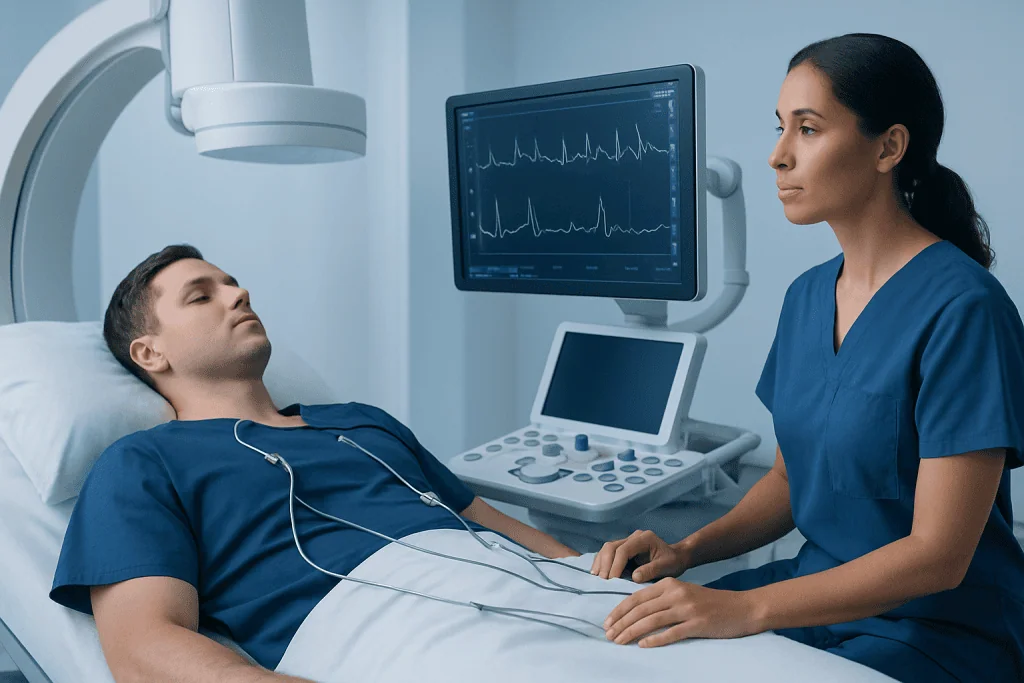
An electrocardiogram, or ECG, can show PVCs if they happen during the test. Because PVCs may come and go, many people also need rhythm monitoring at home with a Holter monitor or event recorder. This helps measure how many PVCs occur in a day, whether they come from one focus or several, and whether other abnormal rhythms are present. This evaluation is often part of a broader assessment for cardiac arrhythmia care.
Imaging may be used to check the heart’s structure and pumping ability. An ultrasound scan of the heart, such as echocardiography, is commonly used to look for valve disease, chamber enlargement, or reduced function. Some patients may also need exercise testing, blood tests, or advanced imaging to rule out underlying disease. The goal is not only to confirm the PVCs but also to decide whether they are benign or part of a condition that needs treatment.
When Ablation for PVCs Is Considered
Ablation is not the first step for every person with PVCs. It is usually considered when the extra beats are frequent and cause significant symptoms, or when they are suspected of weakening the heart muscle over time. Doctors may also suggest ablation when medication does not control symptoms well or causes side effects that make long-term use difficult.
A key concept is PVC burden, meaning the proportion of heartbeats in a day that are PVCs. A high burden can sometimes lead to a form of reversible weakening of the heart muscle called PVC-induced cardiomyopathy. In these situations, treating the source of the extra beats may help symptoms and may allow heart function to improve.
The final decision is individualized. Doctors consider the pattern of the PVCs, the patient’s age and overall health, whether there is structural heart disease, and what the patient hopes to achieve. For some, reassurance and monitoring are enough. For others, ablation procedures offer a targeted option that may reduce the need for ongoing medication.
What Happens During PVC Ablation
PVC ablation is usually performed by a cardiac electrophysiologist, a doctor who specializes in heart rhythm disorders. Thin tubes called catheters are inserted through a blood vessel, often in the groin, and guided to the heart. Using electrical mapping, the team identifies the exact spot where the abnormal extra beats begin.
Once the focus is found, energy is delivered through the catheter to create a small controlled area of scar tissue. This blocks or destroys the tissue responsible for triggering the PVCs. The procedure is commonly done with radiofrequency energy, though in some situations another energy source may be used. The aim is to stop the extra beats while preserving normal heart rhythm.
Recovery is often shorter than with open heart surgery, but it is still an invasive procedure and requires planning, monitoring, and follow-up. Doctors explain possible benefits and risks before treatment. Risks vary by the location of the PVC focus and the patient’s overall health, but may include bleeding at the catheter site, blood vessel injury, infection, or recurrence of the abnormal rhythm. A specialist team using modern non-invasive cardiology testing before and after the procedure helps guide safe care.
Treatment Options Beyond Ablation
Not everyone with PVCs needs a procedure. For mild symptoms and a normal heart evaluation, the main treatment may be reassurance, observation, and attention to triggers. Reducing caffeine or alcohol, improving sleep, staying hydrated, and managing stress can noticeably reduce symptoms for some people.
Medicines may be used if symptoms are frequent or disruptive. Depending on the person’s heart health and symptom pattern, doctors may prescribe drugs that slow the heart or reduce extra beats. These medications can be effective, but they are not ideal for everyone and may have side effects or interactions that need monitoring.
If an underlying condition is found, treatment focuses on that issue as well. For example, controlling blood pressure, treating coronary artery disease, or managing heart muscle disease may reduce the burden of PVCs and improve overall heart health. In people who have developed weakness of the heart, follow-up may include imaging and rehabilitation, and in some cases cardiac rehabilitation may be part of recovery and long-term cardiovascular care.
Prevention, Self-care, and When to See a Doctor
There is no guaranteed way to prevent all PVCs, but healthy habits can make a meaningful difference. Many people benefit from regular sleep, consistent hydration, balanced meals, and avoiding excess stimulants. Limiting nicotine and alcohol, reviewing over-the-counter supplements with a doctor, and managing stress through relaxation techniques or exercise may also help.
Medical follow-up is important if PVCs become more frequent, new symptoms appear, or there is known heart disease. Anyone with chest pain, fainting, severe breathlessness, or prolonged palpitations should seek urgent medical care. A specialist evaluation is also sensible if symptoms interfere with daily life, exercise, or sleep, even when they do not seem severe.
For international patients who need advanced rhythm assessment, Acibadem International’s multidisciplinary specialists in JCI-accredited hospitals diagnose and treat PVCs and related arrhythmias. The best plan depends on the individual, and a cardiologist or electrophysiologist can explain whether observation, medication, or ablation is the most appropriate next step.
Frequently asked questions
Are PVCs always dangerous?
No. Many PVCs are harmless, especially when they are occasional and the heart is otherwise healthy. They should still be assessed if they are frequent, cause symptoms, or occur in someone with known heart disease.
How do doctors know whether I need ablation for PVCs?
Doctors look at symptoms, how often the PVCs occur, whether the heart’s pumping function is normal, and whether medicines have helped. Ablation is usually considered when PVCs are frequent, troublesome, or linked to reduced heart function.
Can lifestyle changes stop extra heartbeats?
Sometimes they can reduce them. Avoiding excess caffeine, alcohol, nicotine, sleep deprivation, and dehydration may help, especially if these are clear triggers. However, persistent or severe symptoms still need medical evaluation.
Is PVC ablation a surgery?
It is a minimally invasive catheter procedure rather than open surgery. Doctors reach the heart through blood vessels using thin tubes and treat the source of the abnormal beats from inside the heart.
What tests are usually done before PVC ablation?
Common tests include an ECG, Holter monitoring or another rhythm recorder, and heart imaging such as echocardiography. Some people also need blood tests, exercise testing, or advanced imaging to look for an underlying cause.
Can PVCs come back after ablation?
They can. Some people have a lasting reduction or complete resolution of symptoms, while others may have recurrence and need further follow-up or additional treatment. Outcomes depend on where the PVCs start and whether there is underlying heart disease.
This article is for general information only and is not a substitute for professional medical advice. Please consult a qualified doctor about your individual situation.
Explore treatments in Turkey — costs, top hospitals & a free quote
JCI-accredited · board-certified surgeons · reply within 24h
Add us as a Preferred Source to see more of our trusted health content across Google Search, AI Overviews and Discover.
Check your numbers in seconds
BMI, calories, due date, blood pressure and 30+ more clinical calculators — free, instant, doctor-reviewed ranges.

Cardiology Department
Diagnosis and treatment of heart and vascular conditions, from prevention to advanced interventional procedures.
93 specialists in this unitRelated Treatments
Related Conditions
More from the Health Library

Cardiac MRI Before CABG: Assessing Heart Muscle Viability

Follow-Up Tests After Heart Bypass Surgery: ECG, Echo, and Stress Testing

Coarctation of the Aorta in Adults: Symptoms, Diagnosis, and Repair Options

Heart Bypass Surgery for Left Main Coronary Artery Disease

Bilateral Internal Mammary Artery Bypass: Benefits, Risks, and Patient Selection