OB-GYN Meaning: What the Specialty Covers and When to See One

An OB-GYN is a doctor trained in both pregnancy care and gynecologic health. This specialty covers routine checkups, contraception, fertility concerns, menstrual problems, menopause, and surgery when needed.
Key Takeaways
- An OB-GYN is a doctor trained in both pregnancy care and gynecologic health.
- This specialty covers routine checkups, contraception, fertility concerns, menstrual problems, menopause, and surgery when needed.
- People may see an OB-GYN for preventive screening as well as symptoms such as pelvic pain, abnormal bleeding, or vaginal concerns.
- Regular visits can support early diagnosis, treatment, and long-term reproductive health.
- Urgent symptoms in pregnancy or severe pelvic symptoms should be assessed promptly by a qualified doctor.
OB-GYN meaning refers to the medical specialty of obstetrics and gynecology. It includes pregnancy care, childbirth, and a wide range of services related to reproductive health, menstruation, menopause, screening, and preventive care.
Overview: What OB-GYN Means
OB-GYN stands for obstetrics and gynecology. Obstetrics focuses on pregnancy, childbirth, and care after delivery. Gynecology focuses on the female reproductive system, including the uterus, ovaries, fallopian tubes, cervix, vagina, and breasts as part of routine women’s health assessment.
An OB-GYN is a physician trained in both areas. Some mainly provide prenatal and delivery care, while others focus more on general gynecologic care, preventive screening, hormonal health, or surgery. Because the specialty includes both routine and complex care, an OB-GYN may support patients through adolescence, reproductive years, pregnancy, and menopause.
This specialty often overlaps with primary care, fertility medicine, endocrinology, radiology, and surgery. For many patients, an OB-GYN is a key doctor for preventive care, symptom evaluation, and ongoing reproductive health guidance. Visits may involve screening tests, counseling, physical exams, imaging, procedures, or treatment planning depending on age, goals, and symptoms.
What an OB-GYN Treats and Manages
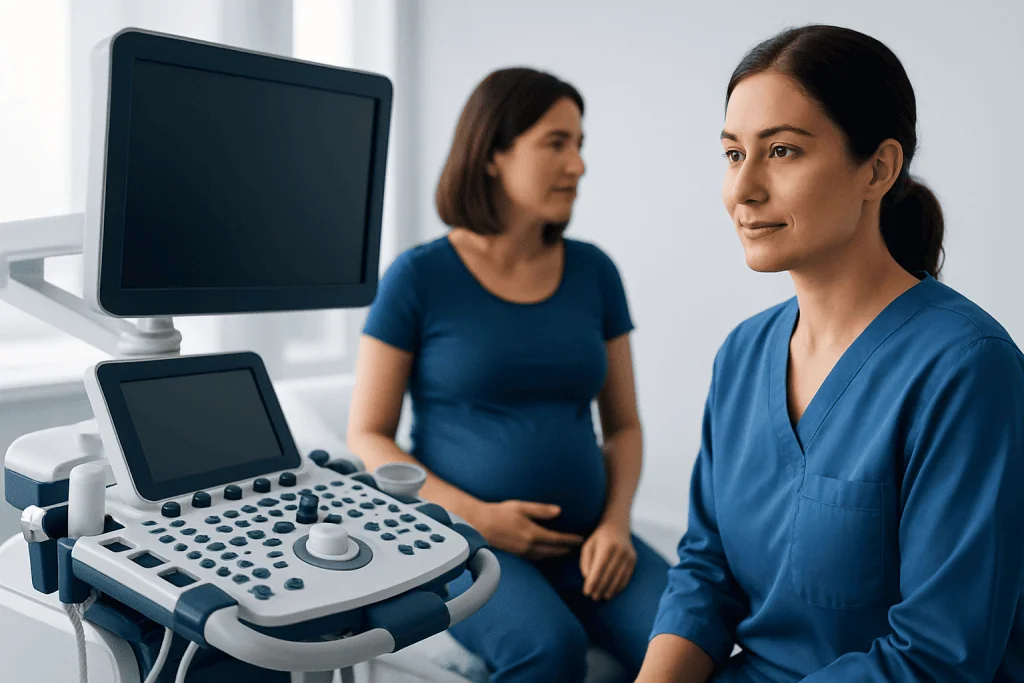
OB-GYN care covers many common and important health needs. In gynecology, this includes menstrual disorders, pelvic pain, ovarian cysts, vaginal infections, cervical screening, contraception, fertility concerns, sexual health, and menopausal symptoms. It also includes diagnosis and treatment of conditions such as endometriosis and uterine fibroids when these are suspected or confirmed.
In obstetrics, an OB-GYN provides care before conception, during pregnancy, during labor and delivery, and in the postpartum period. This may include monitoring fetal development, checking maternal health, managing pregnancy symptoms, identifying complications, and planning birth safely. Some OB-GYNs also manage high-risk pregnancies in coordination with maternal-fetal medicine specialists.
OB-GYNs can also perform or coordinate procedures and surgery. Depending on the patient’s needs, this may involve cervical procedures, treatment of ovarian cysts, management of miscarriage, or operations such as hysterectomy and myomectomy for selected gynecologic conditions. The goal is not only treatment, but also symptom relief, reproductive planning, and long-term health support.
When to See an OB-GYN

A person may see an OB-GYN for routine preventive care even without symptoms. This often includes annual or periodic visits, cervical cancer screening when appropriate, discussion of menstrual cycles, contraception, sexual health, pregnancy planning, and menopause. The exact schedule depends on age, medical history, and national screening guidance.
It is also appropriate to see an OB-GYN when symptoms arise. Common reasons include very painful periods, very heavy bleeding, bleeding between periods, missed periods, unusual vaginal discharge, itching, pain during sex, pelvic pressure, breast concerns, or difficulty becoming pregnant. During pregnancy, an OB-GYN should be involved early to guide prenatal care and monitor the health of both parent and baby.
Some situations need prompt medical attention rather than waiting for a routine appointment. These include severe pelvic pain, fainting, heavy bleeding, symptoms of ectopic pregnancy, a new lump in the breast, high fever with pelvic symptoms, or warning signs in pregnancy such as reduced fetal movement, severe headache, fluid leakage, or vaginal bleeding. Early assessment can help identify the cause and guide safe treatment.
Common Symptoms and Health Concerns
Gynecologic symptoms can vary widely and are not always caused by a serious condition. However, persistent or changing symptoms should not be ignored. Menstrual irregularity, unusually heavy periods, severe cramping, chronic pelvic pain, bloating, or pain with intercourse can be linked to hormonal changes, benign growths, infection, endometriosis, or other reproductive health issues.
Vaginal symptoms are another common reason for a visit. Discharge, odor, itching, burning, or irritation may be related to infection, skin conditions, hormonal changes, or changes in the natural vaginal environment. An OB-GYN can help distinguish common, easily treated causes from conditions that need further testing.
Breast and menopause-related concerns may also be addressed in OB-GYN practice. Patients often seek advice for breast pain, a breast lump, hot flashes, night sweats, vaginal dryness, mood changes, or sleep problems during the menopausal transition. An evaluation helps identify whether symptoms are part of a normal life stage or whether another health issue needs to be considered.
- Abnormal uterine bleeding
- Pelvic or lower abdominal pain
- Painful or irregular periods
- Vaginal discharge, itching, or odor
- Contraception or fertility questions
- Pregnancy-related symptoms or concerns
How OB-GYNs Diagnose Problems
Diagnosis starts with a detailed history. The doctor may ask about menstrual patterns, pain, discharge, sexual activity, pregnancies, contraception, medicines, family history, and any recent changes in symptoms. This conversation is an important part of care and helps guide what examinations or tests may be useful.
A physical exam may include abdominal, pelvic, breast, or external genital examination, depending on the reason for the visit and the patient’s comfort and age. Screening tests may include a Pap test or HPV testing for cervical health, laboratory testing for infection or hormone-related concerns, pregnancy testing, or blood tests when abnormal bleeding or anemia is suspected.
Imaging and procedures may sometimes be needed. Pelvic ultrasound is commonly used to assess the uterus and ovaries. In selected cases, an OB-GYN may recommend colposcopy, hysteroscopy, endometrial sampling, or referral for further fertility assessment. If there are complex findings, a multidisciplinary team may also be involved to plan the most suitable next steps.
Treatment Options and Ongoing Care
Treatment depends on the patient’s symptoms, diagnosis, age, and reproductive goals. Many conditions can be managed with education, monitoring, lifestyle measures, or medication. Examples include treatment for infection, medicines to manage pain or bleeding, hormonal therapies, and support for contraception or menopause symptoms. Not every concern requires a procedure, and many treatment plans begin with the least invasive option.
When needed, procedures or surgery may be part of care. This can include office-based procedures, minimally invasive surgery, and fertility-related treatment pathways. Patients with difficulty conceiving may be referred for specialist evaluation and treatments such as IVF when appropriate. Others may need procedures for fibroids, cysts, abnormal bleeding, or structural concerns affecting quality of life.
Pregnancy care is also individualized. Prenatal follow-up includes routine checks, screening tests, counseling on nutrition and safety, and planning for labor and birth. If surgery or advanced gynecologic treatment is needed, care is typically coordinated with anesthesiologists, radiologists, pathologists, and other specialists. Near the end of the care journey, some patients choose internationally coordinated services; Acibadem International’s multidisciplinary specialists and JCI-accredited hospitals diagnose and treat gynecologic and obstetric conditions for international patients.
Prevention, Self-Care, and Routine Health
Preventive gynecologic care supports long-term health, even when a person feels well. Regular checkups can help with cervical screening, vaccination discussions, contraception planning, pregnancy preparation, and early recognition of problems. They also provide a safe setting to ask questions about periods, intimacy, fertility, and menopause.
Self-care measures can also support reproductive health. These include tracking menstrual cycles, practicing safer sex, following screening recommendations, maintaining a balanced lifestyle, and seeking early advice for symptoms that are new, persistent, or disruptive. Good communication with a doctor is especially helpful when symptoms affect work, sleep, exercise, or emotional well-being.
During pregnancy, prevention includes attending scheduled prenatal visits, discussing medicines before use, avoiding harmful substances, and promptly reporting warning signs. After birth, postpartum care remains important for bleeding, pain, mood symptoms, breastfeeding concerns, and recovery. Reproductive health is not limited to one life stage, so preventive care should continue across the lifespan.
When to Seek Urgent Medical Advice
Most OB-GYN concerns can be assessed in a planned clinic visit, but some symptoms need urgent care. Heavy bleeding that soaks pads quickly, severe or one-sided pelvic pain, fainting, chest pain, shortness of breath, or fever with pelvic symptoms should be evaluated without delay. These symptoms can have different causes, and quick assessment is the safest approach.
In pregnancy, urgent warning signs include vaginal bleeding, severe abdominal pain, fluid leakage, severe headache, vision changes, swelling that appears suddenly, reduced fetal movement, or signs of labor much earlier than expected. Postpartum patients should also seek urgent help for heavy bleeding, fever, severe pain, breathing difficulty, or concerning mood changes.
It is always reasonable to contact a qualified healthcare professional if a symptom feels unusual, severe, or worrying. Clear and early communication often makes diagnosis easier and may reduce the chance of complications. Patients do not need to wait until symptoms become extreme before asking for medical advice.
Frequently asked questions
What does OB-GYN mean?
OB-GYN means obstetrics and gynecology. It is the medical specialty that covers pregnancy and childbirth as well as reproductive and gynecologic health, including periods, contraception, screening, and menopause.
What is the difference between obstetrics and gynecology?
Obstetrics focuses on care before, during, and after pregnancy, including labor and delivery. Gynecology focuses on the reproductive system outside pregnancy, such as menstrual issues, pelvic pain, infections, fertility concerns, and preventive screening.
When should someone start seeing an OB-GYN?
The right time varies by age, symptoms, and health needs. Many people first see an OB-GYN in adolescence or young adulthood for menstrual questions, contraception, or preventive guidance, while others first attend for pregnancy care or a specific symptom.
Do you need symptoms to book an OB-GYN appointment?
No. OB-GYN visits are often preventive and may include routine screening, contraception counseling, pregnancy planning, or menopause support. A person does not need to be ill to benefit from a visit.
Can an OB-GYN help with fertility problems?
Yes. An OB-GYN can assess common causes of difficulty conceiving, review menstrual and medical history, order initial tests, and recommend treatment or referral when needed. Some fertility concerns are managed directly, while others require a reproductive medicine specialist.
What happens during a typical OB-GYN visit?
A typical visit often starts with a discussion of symptoms, menstrual history, medicines, and health goals. Depending on the reason for the appointment, the doctor may perform an exam, recommend screening tests, or discuss treatment and follow-up options.
References
- American College of Obstetricians and Gynecologists
- World Health Organization
- National Health Service
- Centers for Disease Control and Prevention
This article is for general information only and is not a substitute for professional medical advice. Please consult a qualified doctor about your individual situation.
Explore treatments in Turkey — costs, top hospitals & a free quote
JCI-accredited · board-certified surgeons · reply within 24h
Add us as a Preferred Source to see more of our trusted health content across Google Search, AI Overviews and Discover.