

Accessory Breast Tissue in Women: How It Is Diagnosed and Treated

Accessory breast tissue is a common developmental variation, not a dangerous condition by itself. It most often appears in the underarm area and may become more noticeable with puberty, menstrual cycles, pregnancy, or weight changes.
Key Takeaways
- Accessory breast tissue is a common developmental variation, not a dangerous condition by itself.
- It most often appears in the underarm area and may become more noticeable with puberty, menstrual cycles, pregnancy, or weight changes.
- Diagnosis usually involves a physical exam and, when needed, ultrasound or other breast imaging.
- Treatment is not always necessary; it depends on symptoms, appearance, and whether another lump needs to be ruled out.
- Surgical removal or contouring may help when the tissue causes pain, irritation, limited movement, or self-consciousness.
Accessory breast tissue is extra breast tissue that develops outside the usual breast area, most often near the armpit. It is usually benign, but it can cause swelling, discomfort, or cosmetic concern and may be evaluated with an exam and imaging before treatment is considered.
Overview
Accessory breast tissue is breast tissue that develops outside the usual position of the breasts. It is sometimes called ectopic breast tissue or axillary breast tissue when it appears in the armpit. This tissue forms during fetal development along the so-called “milk line,” which extends from the armpit to the groin. In most people, this extra tissue disappears before birth, but in some women a small amount remains.
The most common location is the underarm area, though accessory breast tissue can also appear anywhere along the milk line. It may contain only fatty tissue, or it may include glandular breast tissue and, less commonly, a nipple or areola. Some women notice it as a soft fullness, while others feel a firmer lump that changes over time.
In many cases, accessory breast tissue causes no health problems. However, it can become more noticeable during hormonal changes such as puberty, menstruation, pregnancy, or breastfeeding. This can lead to swelling, tenderness, skin irritation, or concern about appearance. Because any new lump near the breast or armpit should be assessed properly, medical evaluation is important.
Symptoms and How It Can Feel
Accessory breast tissue may look or feel different from one woman to another. Some notice a small bulge near the armpit that becomes more visible in fitted clothing. Others feel a soft or slightly firm area that seems separate from the main breast. In some cases, the tissue is present on one side only, while in others it appears on both sides.
Symptoms often become clearer during times of hormonal change. The area may feel swollen, tender, or heavy before a menstrual period. During pregnancy or breastfeeding, glandular tissue can enlarge and sometimes even produce milk. This can be uncomfortable and may be confusing if a woman does not know accessory breast tissue is present.
Common symptoms include:
- A visible or palpable lump in the armpit or along the milk line
- Swelling that changes with the menstrual cycle
- Tenderness, fullness, or aching
- Skin chafing or irritation from friction
- Restriction or discomfort with arm movement in larger cases
- Cosmetic concern or asymmetry
Although accessory breast tissue is usually benign, not every underarm lump is accessory breast tissue. Enlarged lymph nodes, cysts, lipomas, hidradenitis, or other breast-related conditions may look similar. That is why a new or changing lump should be checked by a qualified doctor.
Causes and Risk Factors

Accessory breast tissue is not caused by an injury, infection, or lifestyle habit. It is a developmental variation that occurs before birth when some tissue along the milk line does not fully regress. Many women do not realize they have it until adolescence or adulthood, when hormonal changes make it more noticeable.
Hormones do not cause accessory breast tissue to form, but they can affect its size and sensitivity. Estrogen and progesterone may lead the tissue to swell cyclically, just as they do in normal breast tissue. Pregnancy and breastfeeding can also stimulate enlargement. Weight gain may make the area appear fuller, especially if the accessory tissue includes both glandular and fatty components.
There is not always a clear reason why one woman develops accessory breast tissue and another does not. A family tendency may be present in some cases, but it is not considered a straightforward inherited disorder. Accessory breast tissue is separate from conditions such as gynecomastia, which refers to enlargement of male breast tissue.
Importantly, accessory breast tissue can develop the same benign and, more rarely, malignant changes that may occur in normal breast tissue. For this reason, persistent pain, a firm fixed mass, skin changes, or nipple-like discharge from the area should be evaluated rather than assumed to be harmless.
How Diagnosis Is Made
Diagnosis begins with a medical history and physical examination. The doctor will ask when the fullness or lump was first noticed, whether it changes with the menstrual cycle, and whether there is pain, discharge, or recent growth. The location, texture, mobility, and symmetry of the tissue can give useful clues.
Imaging is often used when the diagnosis is uncertain or when another breast or underarm condition needs to be excluded. Ultrasound is commonly the first test, especially for younger women and for lumps in the armpit. Mammography may also be recommended depending on age, symptoms, and routine breast screening needs. In selected cases, MRI can help define the extent of the tissue more clearly.
If imaging suggests a simple benign appearance, no further testing may be needed. If there are suspicious features, a doctor may recommend needle aspiration or biopsy to confirm the diagnosis. This is especially important when a lump is new, hard, irregular, or rapidly changing.
The evaluation also considers whether the finding is true accessory breast tissue or another condition such as a lipoma, enlarged lymph node, cyst, or skin-related lesion. A careful diagnosis helps guide whether observation, symptom relief, or a procedure such as accessory breast treatment is the most suitable next step.
Treatment Options
Not every woman with accessory breast tissue needs treatment. If the area is small, painless, and clearly benign on examination or imaging, simple observation may be all that is needed. Regular breast health awareness remains important, and any future changes should still be reported.
Treatment may be considered when the tissue causes discomfort, repeated swelling, irritation from clothing, limited arm movement, or emotional distress about appearance. The best option depends on the amount and type of tissue present. If the fullness is mostly fatty, contouring approaches such as liposuction may be discussed in selected cases. When glandular tissue is significant, direct surgical excision is often preferred because glandular tissue is less reliably treated with suction alone.
Some women have both a contour concern in the underarm and questions about breast shape or symmetry. In that setting, broader planning with a specialist in aesthetic breast surgery may be helpful. The aim is to remove or reduce the accessory tissue while preserving a smooth, natural contour and minimizing visible scarring.
As with any procedure, expected recovery, scar placement, possible asymmetry, fluid collection, numbness, and the chance of residual tissue should be discussed beforehand. A personalized plan is important because the underarm area contains delicate structures and must be approached carefully.
Recovery, Prevention, and Self-care
Accessory breast tissue cannot be prevented because it develops before birth. However, symptoms can often be managed conservatively when treatment is not needed or while waiting for specialist review. Wearing supportive, well-fitted bras or tops may help reduce movement and friction in the underarm area. Soft fabrics can also lessen irritation.
During times of hormonal swelling, some women find that warm or cool compresses and general comfort measures are helpful. Avoiding repeated rubbing from tight clothing may reduce tenderness and skin chafing. If weight changes make the area more noticeable, maintaining a stable, healthy weight can improve comfort, although it will not remove glandular tissue.
After surgery or liposuction, recovery instructions vary by technique and by the amount of tissue removed. A surgeon may recommend a compression garment, limiting vigorous arm activity for a period, and attending follow-up visits to monitor healing. Mild swelling and bruising are common early on, while final contour results may take time to settle.
Women should continue routine breast screening based on age and personal risk factors, because accessory breast tissue does not replace standard breast care. If there is uncertainty about whether a lump is related to accessory tissue or another breast problem, doctors may also evaluate the main breasts and nearby structures to ensure a complete assessment.
When to See a Doctor
Medical review is advisable whenever a woman notices a new lump in the breast or underarm area. Even though accessory breast tissue is usually benign, it is important not to assume the cause without an appropriate examination. Early assessment can clarify whether the finding is harmless, hormone-related, or something that needs further testing.
A doctor should be consulted promptly if the area becomes rapidly larger, feels hard or fixed, develops redness or warmth, or causes significant pain. Skin dimpling, persistent swelling on one side, nipple-like discharge, or a lump that does not change and does not go away also deserve attention. These features do not necessarily mean cancer, but they do require proper evaluation.
Specialist care can also help when the main problem is cosmetic discomfort or difficulty with clothing and movement. In selected patients, the condition may be addressed as part of a broader body contour discussion, including options related to body contouring. Near the end of the care pathway, women seeking international care may wish to know that Acibadem International’s multidisciplinary specialists and JCI-accredited hospitals diagnose and treat accessory breast tissue for international patients.
If a woman is pregnant, breastfeeding, or planning surgery, discussing timing with a breast specialist or plastic surgeon can be especially useful. Care decisions are usually individualized based on symptoms, imaging findings, personal priorities, and overall health.
Frequently asked questions
Is accessory breast tissue normal?
Accessory breast tissue is a recognized developmental variation. It is not unusual and is often benign, although it can become more noticeable at times of hormonal change. A doctor can confirm the diagnosis and rule out other causes of an underarm lump.
Where is accessory breast tissue usually found?
It is most commonly found in the armpit area, where it may appear as a soft bulge or lump. Less often, it can develop anywhere along the milk line, which runs from the armpit to the groin. The exact location varies from person to person.
Can accessory breast tissue get bigger during pregnancy or periods?
Yes. Because it can respond to hormones like normal breast tissue, it may swell, feel tender, or become more prominent before periods, during pregnancy, or while breastfeeding. These changes are common, but sudden or unusual changes should still be checked by a doctor.
Does accessory breast tissue need to be removed?
Not always. If it is clearly benign and does not cause discomfort or concern, monitoring may be enough. Removal is usually considered when there is pain, irritation, limited movement, or a cosmetic concern, or when diagnosis remains uncertain.
How do doctors tell accessory breast tissue from another lump?
Doctors use a physical examination and may recommend imaging such as ultrasound or mammography. These tests help distinguish accessory breast tissue from enlarged lymph nodes, cysts, lipomas, or other breast-related conditions. If needed, a biopsy can provide a definite answer.
Can cancer develop in accessory breast tissue?
Although it is uncommon, accessory breast tissue can develop the same types of changes seen in normal breast tissue, including cancer. That is why any persistent, hard, growing, or unusual lump should be medically evaluated. Routine breast awareness and age-appropriate screening remain important.
References
- American College of Obstetricians and Gynecologists
- American Cancer Society
- Radiological Society of North America
- National Health Service
- Mayo Clinic
This article is for general information only and is not a substitute for professional medical advice. Please consult a qualified doctor about your individual situation.
Accessory Breast in Turkey — costs, top hospitals & a free quote
JCI-accredited · board-certified surgeons · reply within 24h
Add us as a Preferred Source to see more of our trusted health content across Google Search, AI Overviews and Discover.

Plastic, Reconstructive & Aesthetic Surgery
Reconstructive and aesthetic procedures for the face and body, performed by experienced surgeons.
35 specialists in this unitRelated Treatments
Related Conditions
More from the Health Library



Related Specialists
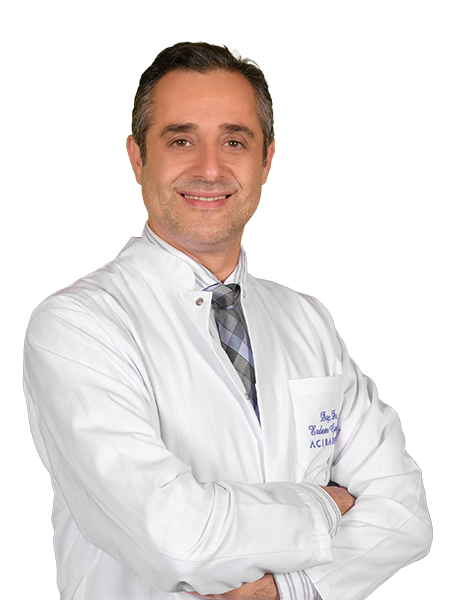
Assoc. Prof. Dr. Erdem Güven (m)
Aesthetic Plastic & Reconstructive Surgery
Prof. Dr. Şükrü Yazar
Aesthetic Plastic & Reconstructive Surgery
Prof. Dr. Hakan Ağır
Aesthetic Plastic & Reconstructive Surgery
Prof. Dr. Bülent Saçak
Aesthetic Plastic & Reconstructive Surgery