Dumping Syndrome After Gastric Sleeve: Why It Happens and What Helps

Dumping syndrome may happen after gastric sleeve surgery because the stomach empties faster than before. Symptoms can occur soon after eating or 1 to 3 hours later, depending on the type of dumping.
Key Takeaways
- Dumping syndrome may happen after gastric sleeve surgery because the stomach empties faster than before.
- Symptoms can occur soon after eating or 1 to 3 hours later, depending on the type of dumping.
- Sugary foods, large meals, and drinking liquids with meals are common triggers.
- Treatment usually starts with dietary changes and regular follow-up with a doctor or dietitian.
- Persistent symptoms should be assessed to rule out other causes and to prevent dehydration or poor nutrition.
Dumping syndrome after gastric sleeve can occur when food, especially sugar-rich meals, passes too quickly from the stomach into the small intestine. Although symptoms can feel unsettling, many people improve with meal timing, food choices, and follow-up care.
Overview
Dumping syndrome after gastric sleeve is a group of symptoms that can develop when food moves from the stomach into the small intestine more quickly than the body can comfortably handle. It is more often discussed after gastric bypass, but it can also happen after gastric sleeve surgery. Because the stomach is smaller and its normal emptying pattern is changed, certain meals may trigger symptoms.
There are two main forms. Early dumping usually begins within 10 to 30 minutes after eating and is linked to rapid fluid shifts in the intestine. Late dumping tends to happen 1 to 3 hours after a meal and is more closely related to a rise and then drop in blood sugar. Some people experience only one type, while others may notice features of both.
Symptoms may be uncomfortable, but dumping syndrome is often manageable. Careful meal planning, avoiding specific triggers, and working with a healthcare team can make a meaningful difference. Follow-up is especially important after bariatric procedures because symptoms can overlap with other post-surgical issues and nutritional concerns.
Symptoms

Early dumping syndrome often causes symptoms shortly after eating. A person may feel abdominal cramping, bloating, nausea, diarrhea, warmth, flushing, sweating, lightheadedness, or a fast heartbeat. Some people describe an urgent need to lie down after meals because they feel suddenly weak or unwell.
Late dumping syndrome usually appears later, often 1 to 3 hours after a meal, especially one high in refined carbohydrates or sugary foods. Symptoms are related to low blood sugar after an exaggerated insulin response. They may include shakiness, sweating, hunger, dizziness, difficulty concentrating, fatigue, and a sense of anxiety or weakness.
Not every symptom after surgery is dumping syndrome. Problems such as dehydration, food intolerance, acid reflux, ulcers, gallstones, or inadequate nutrition may cause similar complaints. If symptoms are frequent, severe, or changing over time, medical review is important rather than assuming dumping is the only explanation.
- Early symptoms: nausea, cramping, bloating, diarrhea, flushing, palpitations
- Late symptoms: shakiness, sweating, hunger, dizziness, weakness, trouble focusing
- Common triggers: sweets, sweet drinks, very large meals, eating too fast, drinking with meals
Why It Happens After Gastric Sleeve
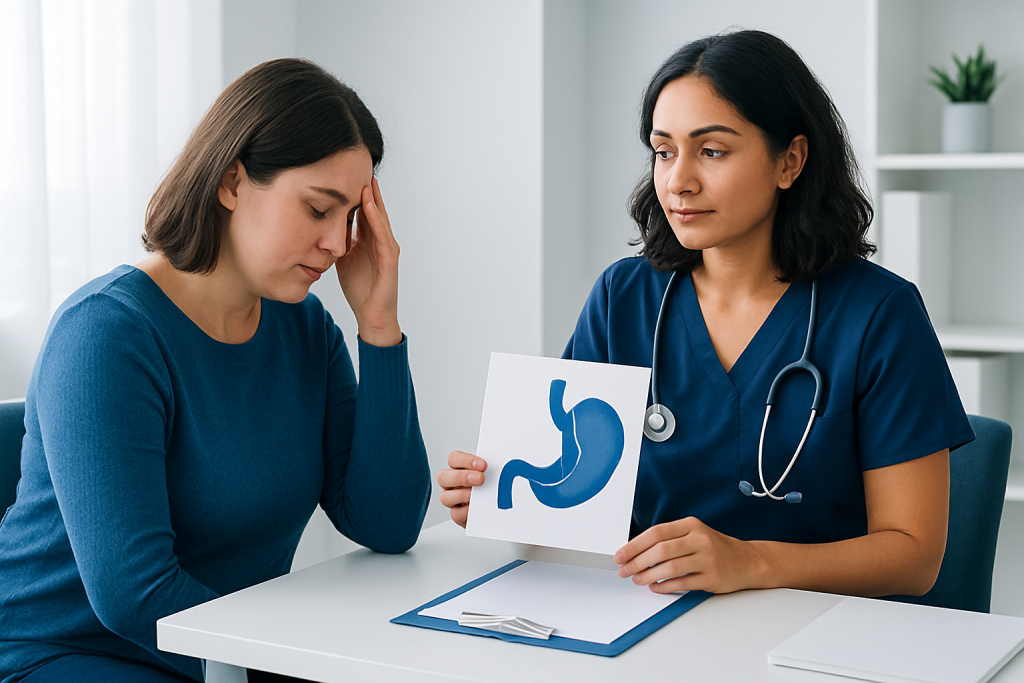
In sleeve gastrectomy, a large portion of the stomach is removed, leaving a narrow tube-shaped stomach. This changes both stomach capacity and the way food is released into the intestine. Food may reach the small intestine more rapidly than before, particularly if it is soft, liquid, or high in simple sugars. That faster movement is the main reason dumping syndrome can occur after sleeve gastrectomy.
Early dumping happens when concentrated food enters the small intestine quickly and draws fluid into the gut. This can lead to bloating, cramping, diarrhea, and a drop in circulating fluid volume that contributes to dizziness or a racing heart. Late dumping develops differently: a rapid absorption of carbohydrates causes a quick rise in blood glucose, followed by a large insulin release and then low blood sugar.
People who have had bariatric surgery may notice that tolerance to food varies from person to person. Meals rich in sugar, highly processed carbohydrates, or large amounts of liquid can move through the stomach very fast. Even foods that were once well tolerated may become troublesome if eaten too quickly or in larger portions than the stomach can comfortably manage.
Dumping syndrome is not necessarily a sign that surgery has failed or that something dangerous is happening. It is better understood as a functional response to the new digestive anatomy. However, because other issues can mimic it, persistent symptoms still deserve proper evaluation.
Risk Factors and Triggers
Several factors can make dumping syndrome more likely after gastric sleeve. Meals that are high in sugar are a classic trigger, including desserts, sweetened coffee drinks, juices, and soda. Refined carbohydrates such as white bread, pastries, and sugary cereals may also bring on symptoms, especially if they are eaten alone without protein or fiber.
Large meals can overwhelm the smaller stomach and move onward too rapidly. Eating quickly, taking large bites, or not chewing well may worsen symptoms. Drinking liquids during meals can also speed stomach emptying in some people, which is why many bariatric teams recommend separating drinks from meals by a set amount of time.
Individual sensitivity matters too. Some people have only occasional symptoms, while others are more reactive during the first months after surgery. The body often adapts over time, but this is not always the case. People recovering from surgery for severe morbid obesity may also be adjusting to new eating patterns, making structured nutrition guidance especially useful.
- High-sugar foods and drinks
- Large portion sizes
- Eating too fast or not chewing thoroughly
- Drinking with meals
- Meals low in protein and fiber
How Doctors Diagnose It
Diagnosis usually starts with a careful discussion of symptoms, meal patterns, and timing. The timing in relation to food is one of the strongest clues. A doctor may ask what was eaten, how quickly the symptoms started, whether there is diarrhea or flushing, and whether shakiness or sweating occurs later in the day. A food and symptom diary can be very helpful.
Doctors also consider other possible causes. After gastric sleeve surgery, symptoms such as nausea, vomiting, pain, reflux, dehydration, or weakness may come from several conditions. Depending on the situation, blood tests may be used to look for nutritional deficiencies, anemia, or glucose problems. In some cases, a clinician may suggest glucose monitoring or tests that help confirm low blood sugar episodes during late dumping.
Further testing is not always needed if the pattern is typical and symptoms improve with dietary measures. However, if symptoms are severe, unexplained, or associated with significant weight loss, fainting, persistent vomiting, or trouble keeping food down, more detailed evaluation may be appropriate. The goal is to confirm the diagnosis and make sure another complication is not being missed.
Treatment Options
Treatment usually begins with nutrition changes rather than medication. Most people are advised to eat smaller, more frequent meals and to limit foods high in sugar. Meals that include protein, healthy fats, and fiber tend to empty more slowly and cause less of a blood sugar swing. Eating slowly, chewing thoroughly, and avoiding liquids during meals can also help reduce symptoms.
For early dumping, spacing fluids away from meals may be especially useful. For late dumping, pairing carbohydrates with protein and choosing complex carbohydrates over sweets often helps stabilize blood sugar. Some people feel better when they lie down briefly after eating, though this should be discussed with their care team and should not replace medical advice.
If symptoms continue despite dietary changes, a doctor may consider medication. Specific choices depend on the pattern of symptoms and the person’s overall health. Medication is generally reserved for people whose symptoms are frequent or disruptive, and it should be used under medical supervision rather than self-treatment.
Persistent or complicated symptoms may require assessment by a bariatric surgeon, gastroenterologist, and dietitian working together. In selected cases, doctors may review the original procedure and broader digestive health to look for contributing problems. Acibadem International’s multidisciplinary specialists at JCI-accredited hospitals diagnose and treat dumping syndrome and other concerns related to gastric laparoscopic surgery for international patients.
Prevention and Self-care
Prevention focuses on eating habits that slow stomach emptying and support stable digestion. Many bariatric programs teach patients to build meals around protein first, then vegetables or other fiber-rich foods, with small amounts of complex carbohydrates. Avoiding concentrated sweets is one of the most practical strategies. Reading food labels can help identify hidden sugars in yogurt, sauces, protein bars, and beverages.
Helpful self-care habits include eating 5 to 6 small meals a day, taking small bites, chewing well, and stopping when comfortably full. It is also common to separate liquids from meals, often by drinking 30 minutes before or after rather than during meals. Carbonated drinks and alcohol may irritate the digestive system or make symptoms worse for some people.
Because rapid weight loss and altered digestion can affect nutrition, regular follow-up after bariatric surgery is important. Vitamin and mineral monitoring, hydration, and guidance from a dietitian can help prevent complications. These follow-up visits are also a chance to discuss other digestive concerns that may arise after surgery, including reflux, constipation, or problems unrelated to dumping.
For those considering surgery, understanding possible side effects beforehand can support better preparation and recovery. Dumping syndrome is just one of several nutrition-related issues discussed when planning treatment for obesity. A clear post-operative meal plan is one of the best tools for prevention.
When to See a Doctor
A person should contact a doctor if symptoms happen often, interfere with eating, or do not improve with basic dietary measures. Medical advice is also important if symptoms are severe enough to cause dehydration, fainting, repeated diarrhea, or inability to maintain normal daily activities. Recurrent episodes of shakiness or sweating several hours after eating may suggest low blood sugar and should be assessed.
Urgent evaluation is needed for persistent vomiting, severe abdominal pain, black stools, signs of significant dehydration, or inability to keep fluids down. These symptoms are not typical of simple dumping syndrome and may point to another problem that needs prompt care. Sudden or worsening symptoms always deserve attention.
Routine bariatric follow-up should not be skipped even when symptoms seem mild. Ongoing care helps protect nutrition, track weight changes, and adjust the eating plan over time. If a patient is unsure whether symptoms fit dumping syndrome or something else, it is safest to ask a qualified healthcare professional rather than self-diagnose.
Frequently asked questions
Is dumping syndrome common after gastric sleeve?
It can happen after gastric sleeve, although it is generally discussed more often after gastric bypass. The risk varies from person to person and depends partly on eating habits, especially intake of sugary foods and liquids with meals.
What foods usually trigger dumping syndrome after gastric sleeve?
Common triggers include sweets, sugary drinks, fruit juice, desserts, and refined carbohydrates such as pastries or white bread. Large meals and meals eaten very quickly can also bring on symptoms, even if the food itself seems simple.
How can someone tell the difference between early and late dumping syndrome?
Early dumping usually starts within about 10 to 30 minutes after eating and often causes cramping, nausea, bloating, flushing, or diarrhea. Late dumping tends to happen 1 to 3 hours later and is more likely to cause shakiness, sweating, hunger, dizziness, and weakness from low blood sugar.
Can dumping syndrome go away on its own?
For many people, symptoms improve over time, especially when they follow bariatric nutrition advice closely. The digestive system often adapts, but some people continue to have symptoms and may need medical review or additional treatment.
Should liquids be avoided completely with meals?
Usually, the advice is not to avoid liquids entirely but to separate them from meals. Many bariatric teams suggest drinking before or after eating rather than during the meal, because this may help slow stomach emptying and reduce symptoms.
When are medicines needed for dumping syndrome?
Medicines may be considered when diet and meal-timing changes do not control symptoms well enough. A doctor decides this based on the type of symptoms, their severity, and whether there are signs of low blood sugar or poor nutrition.
References
- National Institute of Diabetes and Digestive and Kidney Diseases
- American Society for Metabolic and Bariatric Surgery
- Mayo Clinic
- National Health Service
- Cleveland Clinic
This article is for general information only and is not a substitute for professional medical advice. Please consult a qualified doctor about your individual situation.
Medical weight-loss options in Turkey — costs & eligibility
JCI-accredited · board-certified surgeons · reply within 24h
Add us as a Preferred Source to see more of our trusted health content across Google Search, AI Overviews and Discover.