

Malignant Cancer: What Malignant Means

Malignant means cancerous and able to invade nearby tissue. A malignant tumor may also spread to distant organs through blood or lymphatic systems.
Key Takeaways
- Malignant means cancerous and able to invade nearby tissue.
- A malignant tumor may also spread to distant organs through blood or lymphatic systems.
- Not every lump or growth is malignant; many tumors are benign and do not spread.
- Diagnosis usually involves imaging, laboratory tests, and often a biopsy.
- Treatment depends on the cancer type, stage, location, and a person’s overall health.
- Early evaluation of persistent warning signs can improve treatment options and outcomes.
Malignant cancer refers to cancerous cells that can grow into nearby tissues and may spread to other parts of the body. Understanding what “malignant” means can help patients make sense of test results, treatment plans, and follow-up care.
Overview: what does malignant mean?
The word malignant is used in medicine to describe cells or a tumor that are cancerous. In general, malignant cells grow in an uncontrolled way, can invade nearby healthy tissue, and may spread to other parts of the body. This is different from benign growths, which are not cancer and do not spread, although they can still sometimes cause symptoms depending on their size and location.
When doctors say a tumor is malignant, they are describing its behavior rather than naming a single disease. There are many different types of malignant cancer, including cancers that begin in organs, blood cells, skin, or connective tissues. Each type behaves differently, so the term malignant is only one part of the full diagnosis.
For many patients, hearing the word malignant can feel overwhelming. However, it is important to know that cancers vary widely in how fast they grow, how treatable they are, and what treatment options are available. Modern care often combines imaging, pathology, surgery, medicines, and supportive care to create an individualized plan.
Benign vs malignant: the key difference
The main difference between benign and malignant tumors is that malignant tumors are cancerous. A benign tumor usually remains localized, meaning it stays where it started and does not invade nearby tissues or spread to distant organs. A malignant tumor can break through normal tissue boundaries and may enter the bloodstream or lymphatic system.
Doctors also look at how abnormal the cells appear under a microscope. Malignant cells often look more irregular than normal cells and may divide more rapidly. Pathologists use these features, along with other laboratory tests, to help confirm whether a tumor is cancerous and sometimes how aggressive it may be.
Even so, benign does not always mean harmless, and malignant does not automatically mean advanced disease. A benign growth in the brain, for example, may still need treatment because of pressure on nearby structures. Likewise, some malignant cancers are found early and can be treated effectively before they spread.
- Benign: non-cancerous, usually localized, does not spread
- Malignant: cancerous, can invade tissue, may spread
- Locally invasive: growing into nearby structures
- Metastatic: spread to distant parts of the body
Symptoms and warning signs of malignant cancer

Symptoms of malignant cancer depend on where it starts, how large it is, and whether it has spread. Some cancers cause no symptoms at first and are found during screening tests or imaging done for another reason. Others cause local symptoms, such as a new lump, persistent pain, unexplained bleeding, a sore that does not heal, or changes in bowel or bladder habits.
More general symptoms can include unexplained weight loss, unusual fatigue, ongoing fever, loss of appetite, night sweats, or a persistent cough. These signs do not always mean cancer, because many non-cancerous conditions can cause similar symptoms. Still, symptoms that persist, worsen, or have no clear explanation should be assessed by a doctor.
Warning signs can also differ by cancer type. For example, changes in a mole may suggest skin cancer, a breast lump may need evaluation for breast cancer, and blood in the stool may lead to testing for digestive tract conditions including colon cancer. Early assessment helps doctors identify the cause and, if needed, begin treatment sooner.
How malignant cancer develops: causes and risk factors
Malignant cancer begins when genetic changes build up in cells and disrupt the normal controls that regulate growth, repair, and cell death. As these changes accumulate, cells may begin multiplying when they should not, avoid the body’s usual repair mechanisms, and gradually gain the ability to invade nearby tissue. In some cancers, cells can also spread to lymph nodes or distant organs, a process called metastasis.
There is rarely one single cause. Cancer risk usually reflects a combination of age, family history, inherited genetic changes, environmental exposures, infections, hormones, immune function, and lifestyle factors. Smoking, ultraviolet radiation, alcohol use, obesity, some workplace exposures, and certain viruses or bacteria are well-known examples of factors that can contribute to the development of malignant disease.
Having a risk factor does not mean a person will definitely develop cancer, and some people develop cancer without any obvious risk factors. That is why screening, routine medical care, and attention to new symptoms remain important. Understanding risk helps guide prevention strategies, but diagnosis depends on proper medical evaluation rather than risk alone.
How doctors diagnose a malignant tumor
Diagnosing malignant cancer usually starts with a medical history and physical examination. A doctor asks about symptoms, how long they have been present, personal and family history, and possible risk factors. If cancer is suspected, the next steps may include blood tests, imaging studies, and referral to the appropriate specialist.
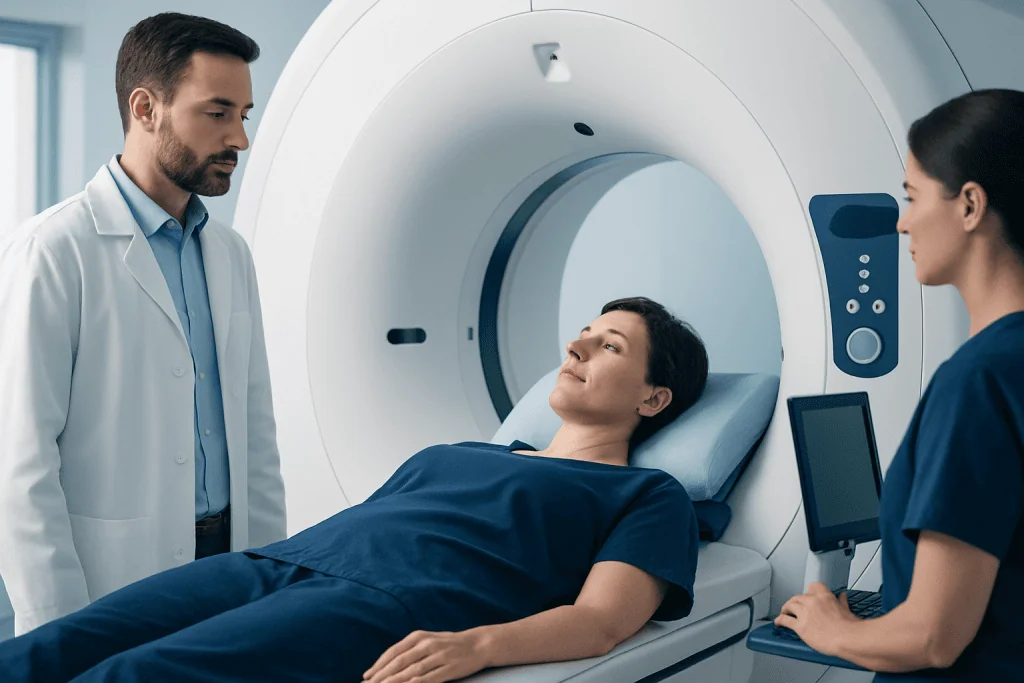
Imaging can help show the location, size, and extent of a suspicious growth. Depending on the situation, this may include ultrasound, mammography, X-ray, computed tomography, magnetic resonance imaging, or PET-CT imaging. Imaging alone cannot always confirm whether a tumor is malignant, but it can help guide further testing and treatment planning.
In many cases, a biopsy is the key test. During a biopsy, a sample of tissue or cells is removed and examined by a pathologist under a microscope. Additional laboratory techniques may be used to identify the exact cancer type, grade, and certain molecular features. Staging tests may follow to determine whether the cancer is localized or has spread, which helps shape prognosis and treatment decisions.
Treatment options for malignant cancer
Treatment for malignant cancer depends on several factors, including the cancer type, where it started, its stage, how quickly it appears to be growing, and the patient’s overall health and preferences. A multidisciplinary team may include medical oncologists, surgical oncologists, radiation oncologists, radiologists, pathologists, and supportive care specialists. The goal may be to cure the cancer, control it, shrink it, or relieve symptoms and improve quality of life.
Common treatment options include surgery, radiation therapy, and medicines such as chemotherapy, targeted therapy, immunotherapy, and hormone therapy. Some patients receive one main treatment, while others need a combination. For example, a patient may have cancer surgery to remove a localized tumor, followed by chemotherapy or radiotherapy to lower the risk of recurrence.
Follow-up is an important part of care. Doctors monitor how well treatment is working, watch for side effects, and check for any signs that the cancer has returned or progressed. Treatment plans are highly individualized, so patients benefit from discussing the expected benefits, possible risks, and practical considerations of each option with their care team.
Prevention, self-care, and living with a malignant diagnosis
Not all cancers can be prevented, but some risks can be reduced. Avoiding tobacco, limiting alcohol, maintaining a healthy weight, staying physically active, protecting skin from excessive sun exposure, and keeping up with recommended vaccines and screening tests can all support cancer prevention. Screening is especially important because some malignant cancers can be found before symptoms appear.
For people living with a malignant diagnosis, self-care is also a key part of treatment. Good nutrition, rest, symptom tracking, emotional support, and taking medicines as directed can help during care. Patients are often encouraged to ask questions, bring a family member to appointments, and report new symptoms or side effects promptly rather than waiting for the next visit.
Cancer affects more than the body alone. It can also influence mood, work, family life, and daily routines. Support groups, counseling, rehabilitation, and palliative care can all be helpful depending on the situation. Near the end of the care pathway, some patients may seek evaluation at centers such as Acibadem International, where multidisciplinary specialists in JCI-accredited hospitals diagnose and treat malignant cancers for international patients.
When to see a doctor
A person should see a doctor if they notice symptoms that are unusual, persistent, or getting worse. Examples include a new lump, unexplained bleeding, an ongoing cough, difficulty swallowing, a changing mole, unexplained weight loss, or pain that does not improve. These symptoms often have causes other than cancer, but they should not be ignored.
It is also wise to seek medical advice if there is a strong family history of certain cancers or if a doctor has recommended screening because of age or risk factors. Early evaluation can lead to earlier diagnosis, which may widen treatment choices and improve outcomes. Waiting for symptoms to become severe can make care more complicated.
Anyone who has already been treated for malignant cancer should keep follow-up appointments and report new concerns promptly. Changes after treatment do not always mean recurrence, but they deserve assessment. A qualified doctor can decide whether further tests, referral, or supportive treatment are needed.
Frequently asked questions
Does malignant always mean cancer?
Yes. In medical use, malignant means cancerous. It describes cells or a tumor that can invade nearby tissue and may spread to other parts of the body.
Is a malignant tumor always life-threatening?
Not always. Some malignant cancers are found early and can be treated effectively, while others may behave more aggressively. The outlook depends on the cancer type, stage, location, and response to treatment.
What is the difference between malignant and metastatic?
Malignant means the tumor is cancerous and has the ability to invade tissue. Metastatic means the cancer has already spread from where it started to another part of the body.
Can imaging alone confirm a malignant cancer?
Imaging is very helpful, but it usually cannot confirm malignancy by itself. In many cases, a biopsy is needed so a pathologist can examine tissue under a microscope.
Can benign tumors become malignant?
Some benign conditions can change over time, but many benign tumors never become cancerous. Whether this is possible depends on the specific condition, which is why follow-up advice from a doctor matters.
What should a patient ask after learning a tumor is malignant?
Helpful questions include what type of cancer it is, whether it has spread, what stage it is, and what treatment options are recommended. Patients may also ask about treatment goals, side effects, follow-up care, and whether a second opinion would be useful.
References
- World Health Organization
- National Cancer Institute
- American Cancer Society
- Centers for Disease Control and Prevention
- National Health Service
This article is for general information only and is not a substitute for professional medical advice. Please consult a qualified doctor about your individual situation.
Oncology care in Turkey — second opinion and treatment plan
JCI-accredited · board-certified surgeons · reply within 24h
Add us as a Preferred Source to see more of our trusted health content across Google Search, AI Overviews and Discover.

More from the Health Library



Related Specialists

Prof. Dr. Zübeyde Gündüz
Pediatrics
Dr. Nezail Demircler
Aesthetic Plastic & Reconstructive Surgery
Prof. Dr. Ender Arıkan
Endocrinology
Assoc. Prof. Dr. Selen Kanar
Ophthalmology