How Much Is LASIK Laser Eye Surgery? Cost Breakdown

A LASIK cost breakdown usually includes pre-operative testing, the procedure, and follow-up visits. Price differences often reflect the technology used, surgeon experience, clinic standards, and the complexity of the prescription.
Key Takeaways
- A LASIK cost breakdown usually includes pre-operative testing, the procedure, and follow-up visits.
- Price differences often reflect the technology used, surgeon experience, clinic standards, and the complexity of the prescription.
- The lowest advertised price may not include important parts of care, such as detailed screening or enhancements.
- Not everyone is a suitable candidate for LASIK; some people may be better served by alternatives such as PRK or other vision correction options.
- Patients should compare total value, safety standards, and aftercare rather than choosing based on price alone.
LASIK cost can vary widely because the total price reflects more than the laser treatment itself. A clear LASIK cost breakdown helps patients understand what is usually included, what can increase the price, and how to compare options safely.
Overview: What LASIK Cost Usually Covers
LASIK is a laser procedure used to reshape the cornea so that light focuses more accurately on the retina. It is commonly used to treat nearsightedness, farsightedness, and certain levels of astigmatism. When people ask how much LASIK costs, the answer is rarely a single fixed number because pricing depends on the individual eye, the clinic, and the type of technology used.
A practical LASIK cost breakdown usually includes several parts of care. These often begin with a detailed eye evaluation to confirm eligibility, followed by the procedure itself, immediate post-operative assessment, and scheduled follow-up visits. Some centers also include medications, protective eye shields, or a limited period during which an enhancement procedure may be considered if vision remains unsatisfactory.
It is important to understand that LASIK is not appropriate for everyone. The right option depends on corneal thickness, refractive error, tear film quality, age, overall eye health, and personal visual needs. In some cases, a doctor may recommend alternatives such as PRK or another form of laser vision correction instead of standard LASIK.
Main Factors That Affect LASIK Price
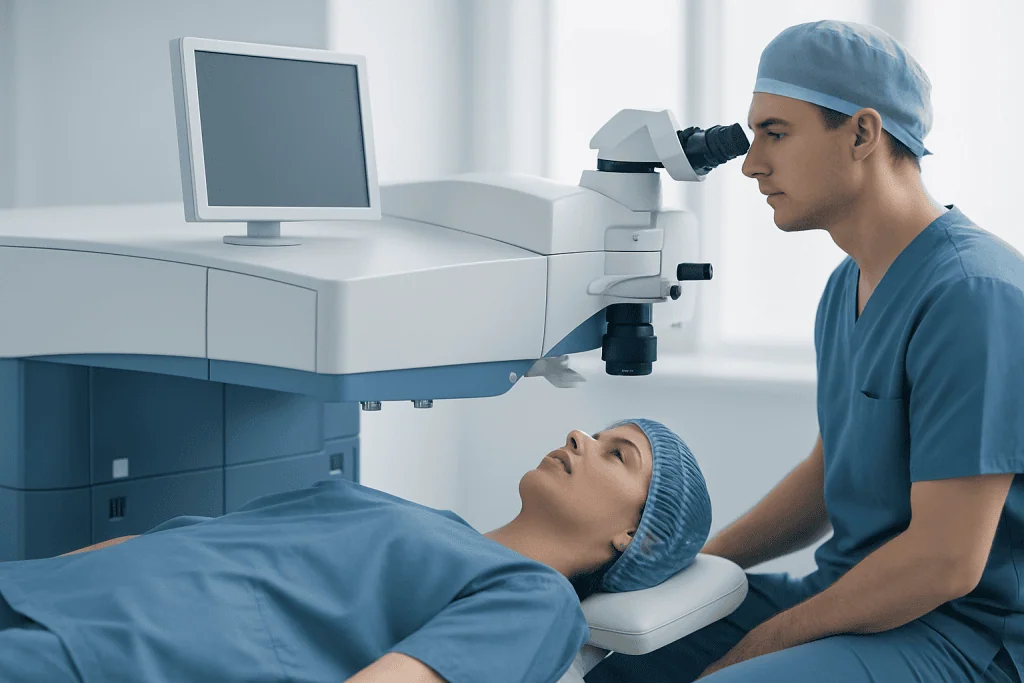
Several factors influence the final price of LASIK. One of the most important is the type of laser platform and whether the treatment is conventional or customized. Advanced approaches, such as wavefront-guided or bladeless techniques, may cost more because they use specialized imaging and equipment designed to personalize treatment.
Surgeon training and experience also affect pricing. A highly experienced ophthalmic surgeon and a center with strong quality control may charge more, but the fee often reflects the depth of clinical assessment, precision of planning, and safety protocols in place. The setting matters as well, including the standards of the operating environment and the support team involved.
The complexity of the prescription can influence the overall cost. Higher refractive errors, mixed astigmatism, irregular corneal features, or dry eye concerns may require more extensive testing or may change the recommended procedure. If a patient is not an ideal LASIK candidate, other choices such as LASEK or surface laser procedures may be discussed, which can come with different pricing structures.
- Type of laser technology used
- Customized versus standard treatment planning
- Surgeon expertise and clinic standards
- Complexity of refractive error
- Included aftercare and possible enhancement policy
What May Be Included in a Detailed LASIK Cost Breakdown

When comparing centers, patients should ask for a full list of what is included rather than focusing only on the headline number. A complete package often starts with a comprehensive pre-operative assessment. This may include refraction testing, corneal mapping, measurement of corneal thickness, pupil evaluation, tear film assessment, and a dilated eye examination to make sure the eye is healthy enough for surgery.
The procedural fee usually covers the laser treatment itself and the use of surgical equipment. If femtosecond laser technology is used to create the corneal flap instead of a mechanical blade, this may be reflected in the price. Some clinics offer advanced options such as iLASIK or other forms of ophthalmic laser treatment, which may be priced differently from standard LASIK.
Post-operative care is another major part of the package. Many centers include one or more follow-up visits, guidance on eye drops, and monitoring of healing. However, not every quote includes the same services. Patients should ask whether enhancement procedures, emergency visits, treatment of dry eye symptoms, or additional medications are included or billed separately.
Why the Cheapest LASIK Option Is Not Always the Best Value
Low promotional prices can be appealing, but they do not always represent the total cost of treatment. In some cases, the advertised fee applies only to a limited prescription range or to one eye rather than both eyes. Additional charges may appear later for eligibility testing, advanced mapping, medications, protective supplies, or extra follow-up visits.
Value in LASIK comes from careful patient selection, accurate measurements, modern equipment, and reliable aftercare. The quality of the initial examination matters because it helps identify who is likely to benefit and who may be at higher risk of side effects. A center that takes time to evaluate the cornea and tear film thoroughly is often providing an important safety service, not just adding cost.
Choosing LASIK based only on price can also lead patients to overlook whether a different procedure would be more suitable. For example, someone with thin corneas, dry eye, or an irregular corneal shape may need another treatment approach. A specialist may first assess for conditions that can affect candidacy, including issues such as keratoconus or age-related lens changes, before recommending surgery.
Insurance, Payment Plans, and Other Cost Considerations
LASIK is often considered an elective procedure, so standard health insurance may not routinely cover it. However, coverage rules vary by country, policy, and medical circumstance. Some insurance plans, employer benefit programs, or vision plans may offer partial discounts through approved provider networks, while others may not provide any contribution at all.
Patients may also be offered financing or staged payment plans. These can make treatment more manageable, but it is wise to review the total repayment amount, any interest charges, and what happens if additional treatment is needed later. Asking for the full written cost before surgery helps prevent confusion and supports informed decision-making.
There can also be indirect costs to consider. These may include time away from work, travel expenses, temporary use of lubricating drops, or updated eye care if an alternative treatment is recommended instead of LASIK. For people whose visual needs are changing with age, a doctor may discuss whether LASIK alone is ideal or whether future lens-based options, such as treatment for presbyopia or cataract surgery, may eventually be relevant.
How to Compare Clinics and Ask the Right Questions
A careful comparison should focus on safety, transparency, and suitability rather than price alone. Patients can begin by asking whether the surgeon is an ophthalmologist experienced in refractive surgery and whether the pre-operative evaluation includes corneal topography, thickness measurements, and dry eye assessment. It is also helpful to ask which type of LASIK or laser platform is recommended and why.
Requesting a written quote can make comparisons easier. The quote should explain whether the price is per eye or for both eyes, what follow-up visits are included, and whether enhancements are covered if needed. Patients may also want to ask how the clinic manages unexpected findings, such as early cataract changes or corneal irregularities that make LASIK less suitable.
For people seeking care abroad, it is especially important to consider standards of diagnosis, communication, and continuity of care after returning home. Near the end of the decision process, some patients choose evaluation at large centers where ophthalmology, refractive surgery, and related subspecialties work together. Acibadem International’s multidisciplinary specialists and JCI-accredited hospitals diagnose and treat eye conditions for international patients, with treatment plans based on individual assessment.
- Is the price listed per eye or total?
- What tests are included in the evaluation?
- Which laser technology will be used?
- Are medications and follow-up visits included?
- What is the policy on enhancements?
- If LASIK is not suitable, what alternatives are offered?
When to See an Eye Specialist Before Deciding on LASIK
Anyone considering LASIK should have a full eye examination before focusing on cost. Vision changes can have many causes, and not all are corrected best with laser surgery. A specialist can determine whether the main issue is refractive error, early lens changes, dry eye, corneal disease, or another condition that needs different treatment.
An eye assessment is especially important for people with fluctuating vision, significant dryness, a history of eye injury, autoimmune disease, previous eye surgery, or very high prescriptions. Pregnancy and breastfeeding can also temporarily affect refractive measurements, so timing matters. A stable prescription is usually preferred before surgery is planned.
Patients should seek prompt medical advice if they have eye pain, sudden vision loss, flashes of light, a curtain-like shadow, redness with reduced vision, or symptoms that suggest infection or acute eye disease. These symptoms need medical evaluation rather than refractive surgery planning. A qualified ophthalmologist can explain whether LASIK is appropriate and provide a realistic estimate of the total cost based on the individual eye.
Frequently asked questions
How much does LASIK usually cost?
LASIK cost varies by country, clinic, technology, and the complexity of the prescription. The most reliable way to know the price is to have a full eye examination and request a written quote that lists exactly what is included.
Is LASIK cost usually listed per eye or for both eyes?
Some clinics quote LASIK per eye, while others provide a total price for both eyes. Patients should always ask this directly, because comparing prices is difficult if one center lists a single-eye fee and another lists a full package.
What should be included in a LASIK price?
A good LASIK package often includes the pre-operative eye examination, the procedure, and follow-up visits. Some centers also include medications, protective supplies, or enhancement policies, while others charge for these separately.
Does insurance cover LASIK?
In many cases, LASIK is treated as an elective procedure, so standard health insurance may not fully cover it. However, some plans, employer programs, or vision benefits may offer discounts or partial support, depending on local rules and policy details.
Why do LASIK prices differ so much between clinics?
Prices can vary because clinics use different technologies, have different levels of surgeon experience, and include different services in their packages. A higher price may reflect more advanced testing, customized treatment planning, or broader aftercare rather than the procedure alone.
If I am not suitable for LASIK, does that change the cost discussion?
Yes. If LASIK is not the best option, the doctor may recommend another procedure such as PRK, LASEK, or a lens-based treatment, and these have different costs and recovery patterns. The most important step is choosing the procedure that is safest and most appropriate for the eye.
This article is for general information only and is not a substitute for professional medical advice. Please consult a qualified doctor about your individual situation.
Eye Surgery in Turkey — costs, top hospitals & a free quote
JCI-accredited · board-certified surgeons · reply within 24h
Add us as a Preferred Source to see more of our trusted health content across Google Search, AI Overviews and Discover.

Ophthalmology
Comprehensive eye care from laser vision correction to retina, cornea and cataract surgery.
75 specialists in this unitRelated Treatments
More from the Health Library

How to Choose a LASIK Surgeon for Safe Results
Dry Eye Syndrome: Symptoms, Causes, and Relief Options
Contact Lenses for Dry Eyes: Are They Still an Option?
iLASIK: How It Works and Who May Benefit

Inherited Eye Diseases: When Genetic Testing Can Help Families