

What Is Facial Plastic Surgery and Which Areas Can It Improve?

Facial plastic surgery may be cosmetic, reconstructive, or a combination of both. Common treatment areas include the nose, eyelids, brows, cheeks, chin, jawline, ears, skin, and neck.
Key Takeaways
- Facial plastic surgery may be cosmetic, reconstructive, or a combination of both.
- Common treatment areas include the nose, eyelids, brows, cheeks, chin, jawline, ears, skin, and neck.
- The best procedure depends on facial anatomy, goals, skin quality, and overall health.
- A consultation with a qualified specialist helps set realistic expectations and create a personalized plan.
- Recovery time and results vary depending on whether treatment is surgical or minimally invasive.
Facial plastic surgery includes procedures that reshape, restore, or rejuvenate the face and neck. It can address cosmetic concerns, signs of aging, and structural changes caused by injury, birth differences, or medical conditions.
Overview: What facial plastic surgery means
Facial plastic surgery is a broad term for procedures that improve the appearance, structure, or function of the face and neck. Some treatments are performed mainly for cosmetic reasons, such as softening signs of aging or refining facial balance. Others are reconstructive and aim to restore normal form and function after trauma, cancer treatment, congenital differences, or disease.
In practice, facial plastic surgery often overlaps with fields such as plastic surgery, otolaryngology, oculoplastic surgery, dermatology, and maxillofacial surgery. The goal is not to create a completely different face, but to support harmony, proportion, and natural-looking results that fit the person’s own features.
Procedures may be surgical, minimally invasive, or combined in a staged treatment plan. Surgical options can reshape deeper tissues and provide longer-lasting structural changes, while non-surgical treatments may help improve skin texture, volume, and fine lines. A careful assessment is important because the face is a complex area where appearance, expression, breathing, vision, and speaking all interact.
Which areas of the face can it improve?
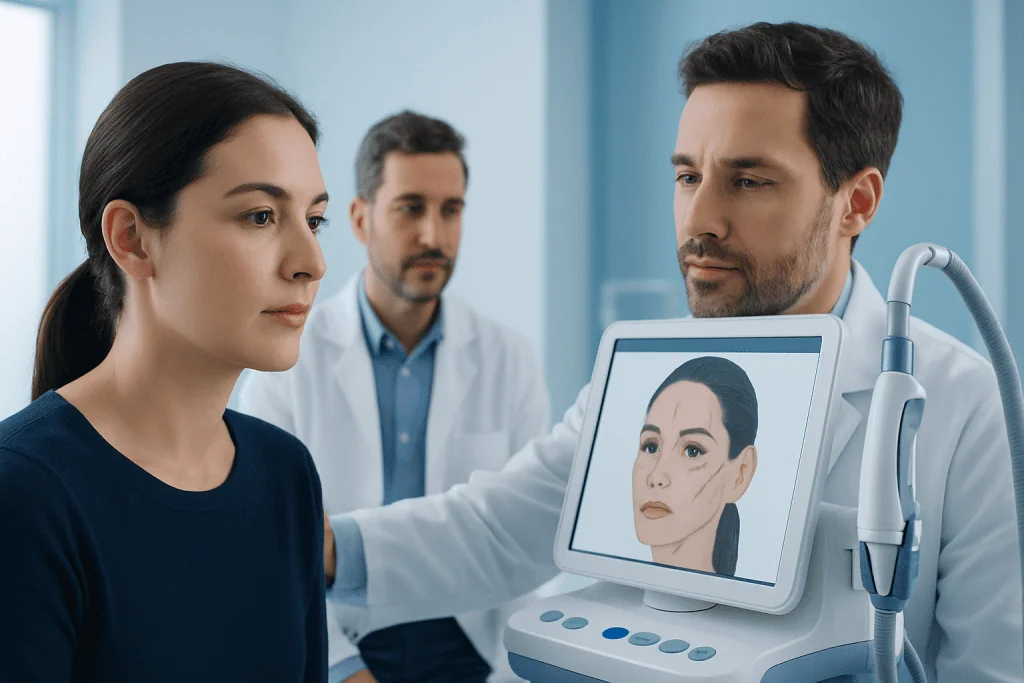
Facial plastic surgery can improve many areas, depending on the person’s anatomy and concerns. The upper face includes the forehead, brows, and eyelids. Treatments here may help reduce heaviness of the brow, improve drooping eyelids, or create a more rested appearance. For selected patients, procedures such as brow lift surgery or reconstructive ophthalmology procedures may be part of a tailored plan.
The middle face includes the nose, cheeks, under-eye area, and facial skin. Surgery may refine nasal shape, improve facial symmetry, restore cheek volume, or address skin changes such as scars. Some people consider cheek augmentation to enhance contour or support age-related volume loss, while others seek treatment for scar-related concerns such as acne scarring treatment.
The lower face and neck include the lips, chin, jawline, ears, and neck. Chin shape can affect facial balance in profile, and selected patients may benefit from chin aesthetic procedures. Ear shape or position may also be addressed, especially in reconstructive settings. The neck is another common focus, because changes in skin elasticity, fat distribution, and muscle bands can alter the jawline; in these cases, aesthetic neck contouring may be discussed.
- Forehead and brows
- Eyelids and under-eye area
- Nose and nasal profile
- Cheeks and midface volume
- Lips, chin, and jawline
- Ears and surrounding facial symmetry
- Skin texture, scars, and neck contour
Cosmetic and reconstructive reasons for treatment
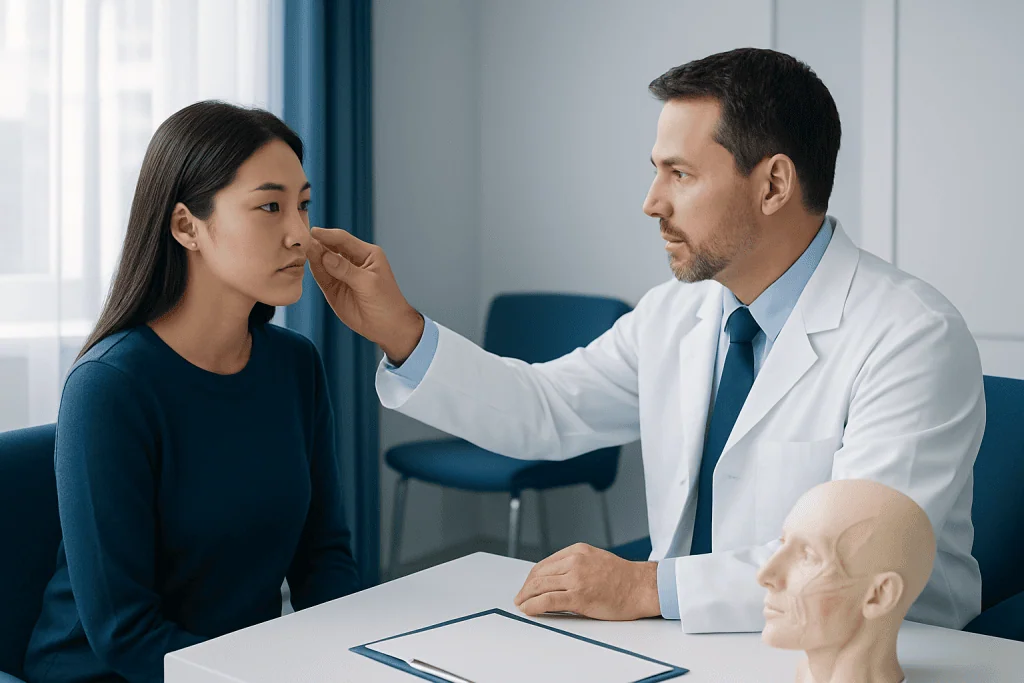
People choose facial plastic surgery for different reasons. Cosmetic goals often include looking more refreshed, improving facial proportions, reducing visible signs of aging, or addressing a feature that has bothered them for many years. These decisions are personal, and treatment planning should focus on realistic goals rather than perfection.
Reconstructive facial plastic surgery is equally important. It may be used after injury, skin cancer removal, burns, or previous surgery, and it can also help people born with structural differences. For example, specialists may treat facial changes related to facial trauma, congenital ear differences such as microtia, or scar problems including keloid scars. In these situations, treatment is often designed to improve both appearance and function.
Sometimes cosmetic and reconstructive needs overlap. A person may want improved appearance but also need better eyelid support, nasal airflow, or scar release. This is why facial surgery planning usually considers skin quality, bone structure, soft tissue support, and practical functions such as breathing, blinking, and facial movement.
Common procedures and non-surgical options
Common facial plastic surgery procedures include eyelid surgery, brow lift, rhinoplasty, otoplasty, chin surgery, facelift, neck lift, scar revision, and facial reconstruction. Each procedure targets a different part of the face and can be performed alone or in combination. Some surgeries reshape cartilage or bone, while others lift soft tissues, remove extra skin, or add structural support.
Non-surgical treatments may also play a role. Depending on the concern, doctors may recommend injectables, laser treatments, energy-based skin tightening, chemical peels, microneedling, or medical skin care. These options do not replace surgery when significant structural change is needed, but they can be helpful for maintaining results, improving skin quality, or treating mild to moderate concerns.
The right option depends on the depth of the issue. For example, loose skin and descended tissues may respond better to surgery, while pigment changes or superficial scars may improve with skin-focused treatment. A combined approach is common because facial aging and asymmetry usually involve more than one tissue layer.
Who may be a good candidate?
A good candidate for facial plastic surgery is usually someone in generally good health, with specific concerns and clear, realistic expectations. Candidacy is not based on age alone. Younger adults may seek treatment for facial balance, nasal shape, ear prominence, or scars, while older adults may focus on aging changes in the eyelids, cheeks, jawline, or neck.
Doctors consider many factors before recommending treatment. These include skin elasticity, bone structure, facial symmetry, dental bite when relevant, previous surgeries, smoking history, medical conditions, and emotional readiness. Certain conditions, such as uncontrolled diabetes, bleeding disorders, or active skin infection, may increase surgical risk or require treatment first.
Psychological well-being also matters. Facial procedures can improve confidence for many people, but they are not a cure for deeper emotional distress or unrealistic expectations. A thorough consultation helps ensure that the treatment plan is appropriate, safe, and aligned with the patient’s goals.
Consultation, diagnosis, and treatment planning
The consultation usually begins with a detailed conversation about what the patient wants to improve and why. The specialist reviews medical history, medications, allergies, previous procedures, and lifestyle factors such as smoking or sun exposure. They then examine facial proportions, skin quality, muscle movement, volume loss, and any asymmetry at rest and during expression.
Photographs are commonly used for planning and comparison. In some cases, additional testing may be needed, especially if there are functional concerns such as breathing problems, eyelid closure issues, or previous injuries. When reconstruction is needed, imaging studies or collaboration with other specialists may be part of the process.
A personalized plan should explain what can realistically be improved, what type of results are expected, how long recovery may take, and whether more than one procedure is advised. The surgeon should also discuss possible risks, scars, anesthesia choices, and the limits of treatment. This step is essential because good communication often has a strong influence on satisfaction with the final outcome.
Recovery, results, and possible risks
Recovery varies widely depending on the procedure. Minimally invasive treatments may involve mild redness or swelling for a short time, while surgery can require a longer period of healing. Swelling, bruising, temporary tightness, numbness, or changes in sensation are common early effects after many facial procedures. Most improve gradually as tissues heal.
Results may not be fully visible right away. The face heals in stages, and subtle swelling can take weeks or even months to settle depending on the area treated. Following aftercare instructions is important for comfort and healing. This may include wound care, sleeping with the head elevated, avoiding strenuous activity for a period, protecting the skin from sun exposure, and attending follow-up visits.
As with any medical procedure, there are risks. These can include bleeding, infection, unfavorable scarring, asymmetry, delayed healing, changes in sensation, anesthesia-related complications, and the possibility of revision treatment. Choosing an appropriately trained specialist and having a clear preoperative assessment can help reduce risk. Near the end of the care journey, some international patients choose centers such as Acibadem International, where multidisciplinary specialists in JCI-accredited hospitals evaluate and treat facial plastic surgery needs.
How to prepare and when to seek expert advice
Preparation starts with choosing a qualified surgeon and having an honest discussion about goals. Patients are often advised to stop smoking, review medications and supplements, arrange help for the first part of recovery, and understand the expected downtime. It is also helpful to ask whether a concern is best treated with surgery, a non-surgical option, or no procedure at all.
Professional advice is important whenever a person has a functional concern, such as difficulty breathing through the nose, drooping eyelids that affect vision, or facial changes after injury. It is also worth seeking evaluation for scars, skin lesions, congenital differences, or asymmetry that causes discomfort or affects confidence. A specialist can explain whether the issue is cosmetic, reconstructive, or both.
Anyone considering facial plastic surgery should look for balanced information rather than trend-based promises. The most suitable treatment is individualized, based on anatomy, safety, and realistic expectations. A careful consultation can help a person understand which facial areas can be improved and which approach is most likely to provide natural-looking, appropriate results.
Frequently asked questions
What is the difference between facial plastic surgery and reconstructive surgery?
Facial plastic surgery is an umbrella term that includes both cosmetic and reconstructive procedures. Cosmetic surgery focuses mainly on appearance, while reconstructive surgery aims to restore form and function after injury, illness, congenital differences, or previous surgery.
Which facial features can facial plastic surgery improve?
It can improve the brows, eyelids, nose, cheeks, chin, jawline, ears, neck, and certain skin or scar concerns. The exact areas treated depend on the person’s anatomy, goals, and whether the concern is cosmetic, functional, or reconstructive.
Are all facial improvements surgical?
No. Some concerns can be addressed with non-surgical treatments such as injectables, lasers, or skin resurfacing. Surgery is usually considered when deeper structural change, tissue lifting, or reconstruction is needed.
How long does recovery take after facial plastic surgery?
Recovery depends on the procedure. Non-surgical treatments may require little downtime, while surgical procedures may involve days to weeks of visible healing and longer for swelling to fully settle. The treating surgeon provides the most accurate timeline for each case.
Will facial plastic surgery look natural?
Natural-looking results are a common goal of modern facial plastic surgery. Careful planning, attention to facial proportions, and realistic expectations help create results that fit the patient’s own features rather than looking overdone.
How does a doctor decide which procedure is best?
The decision is based on medical history, skin quality, bone structure, facial symmetry, functional needs, and the patient’s goals. In some cases, the best plan combines more than one procedure or pairs surgery with non-surgical treatments.
References
- American Society of Plastic Surgeons
- American Academy of Facial Plastic and Reconstructive Surgery
- National Health Service
- Mayo Clinic
- American Academy of Ophthalmology
This article is for general information only and is not a substitute for professional medical advice. Please consult a qualified doctor about your individual situation.
Oncology care in Turkey — second opinion and treatment plan
JCI-accredited · board-certified surgeons · reply within 24h
Add us as a Preferred Source to see more of our trusted health content across Google Search, AI Overviews and Discover.

Related Treatments
Related Conditions
More from the Health Library



Related Specialists
Assoc. Prof. Dr. Erdem Güven (m)
Aesthetic Plastic & Reconstructive Surgery
Prof. Dr. Şükrü Yazar
Aesthetic Plastic & Reconstructive Surgery
Prof. Dr. Hakan Ağır
Aesthetic Plastic & Reconstructive Surgery
Prof. Dr. Bülent Saçak
Aesthetic Plastic & Reconstructive Surgery