

What Is Facial Surgery and When Is It Needed?

Facial surgery may be cosmetic, reconstructive, or functional. It can address appearance concerns, birth differences, trauma, skin changes, or problems with breathing, eyelids, or facial balance.
Key Takeaways
- Facial surgery may be cosmetic, reconstructive, or functional.
- It can address appearance concerns, birth differences, trauma, skin changes, or problems with breathing, eyelids, or facial balance.
- Careful assessment by a qualified specialist is essential to choose the safest and most suitable procedure.
- Recovery varies by procedure, but following aftercare instructions helps support healing and results.
- Not everyone needs surgery; non-surgical treatments may be appropriate in some cases.
- A surgeon should explain benefits, limits, risks, and expected recovery before treatment.
Facial surgery is a broad term that includes procedures done to improve facial appearance, restore function, or repair damage caused by injury, birth differences, or illness. The right approach depends on the person’s goals, anatomy, overall health, and whether the need is cosmetic, reconstructive, or medically necessary.
Overview: What facial surgery means
Facial surgery refers to procedures performed on the face, jawline, ears, eyelids, forehead, cheeks, chin, neck, or surrounding soft tissues. Some operations are done to enhance appearance, such as refining facial contours or reducing signs of aging. Others are reconstructive and aim to restore normal shape or function after injury, congenital differences, burns, skin disease, or prior surgery.
In practice, facial surgery is not one single procedure. It includes many different operations, from eyelid correction and brow surgery to ear reconstruction, scar revision, treatment after facial trauma, and contouring of the chin, cheeks, or neck. Depending on the problem, care may involve plastic surgeons, maxillofacial surgeons, ENT specialists, ophthalmologists, dermatologists, or other doctors working together.
The main goal is usually one or more of the following: improve facial balance, restore normal function, repair tissue damage, or help a person feel more comfortable with their appearance. A careful evaluation helps determine whether surgery is the best option and what outcome can reasonably be expected.
When facial surgery may be needed
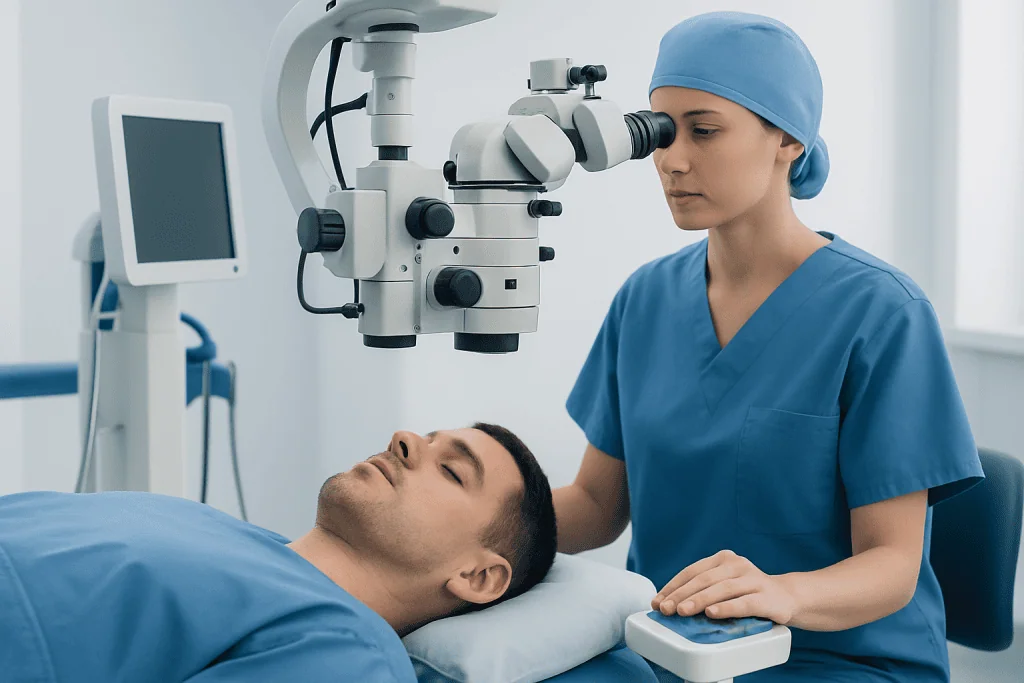
Facial surgery may be considered when a concern affects appearance, daily function, comfort, or emotional well-being. Some people seek treatment because of long-standing features they would like to change, while others need surgery after an accident, a disease, or a congenital condition present from birth.
Common reasons include:
- Repairing injuries such as fractures, cuts, or tissue loss after accidents
- Reconstructing areas affected by burns, tumors, or previous surgery
- Correcting congenital differences, such as ear shape problems including microtia
- Improving breathing or eyelid function when structure interferes with normal activity
- Reducing prominent scars, including thick raised scars such as keloid scars
- Addressing age-related changes like sagging skin, deeper folds, or loss of contour
- Refining facial proportions, for example the chin, cheeks, brow, or neck
Need does not always mean medical urgency. In cosmetic cases, surgery is often elective. In reconstructive or functional cases, it may help protect the eye, improve speech or eating, restore breathing, or support better healing after major injury. A specialist can help distinguish what is medically necessary from what is optional.
Common types of facial surgery

There are many types of facial surgery, and the best choice depends on the specific concern. Cosmetic procedures may focus on harmony, contour, or skin and soft tissue support. Reconstructive procedures aim to rebuild form and function. Some operations combine both goals, especially when trauma or disease has changed appearance and function at the same time.
Examples include surgery on the upper face, midface, lower face, and neck. Procedures may involve skin, fat, muscle, cartilage, bone, or a combination of these structures. Common examples include eyelid surgery, brow repositioning, scar revision, ear reconstruction, and contouring of the cheeks, chin, or neck.
In appropriate cases, treatment options may include brow lift surgery for forehead and brow position, chin aesthetic procedures to improve lower-face balance, cheek augmentation to restore or enhance midface contour, or aesthetic neck contouring when the jawline and neck area are a concern. For conditions around the eye that affect appearance or function, some patients may benefit from reconstructive ophthalmology care.
Not all facial concerns require surgery. Injectable treatments, laser procedures, skin resurfacing, dental or orthodontic treatment, scar therapies, or watchful follow-up may sometimes be better options. The decision should be individualized rather than based on trends or photos alone.
Assessment and diagnosis before surgery
Before facial surgery, a doctor usually performs a detailed consultation and examination. This often includes discussion of symptoms, medical history, previous procedures, medications, allergies, smoking status, and personal goals. If the surgery is reconstructive, the doctor will also assess how the problem affects vision, breathing, eating, speaking, facial movement, or skin healing.
Photographs may be taken for planning and comparison. In some cases, imaging tests such as X-rays or CT scans are used, especially after trauma or when bone structure is involved. Eye evaluation, dental assessment, or ENT examination may also be needed depending on the area being treated.
A good consultation should cover expected benefits, limitations, possible scars, anesthesia choices, recovery time, and potential risks. This is also the time to ask practical questions: how long swelling may last, when work can resume, whether revision surgery may ever be needed, and what realistic results look like for that person’s facial features.
How treatment is planned and performed
Treatment planning for facial surgery is highly individualized. Surgeons consider facial proportions, skin quality, age, tissue support, bone structure, and overall health. They also consider whether the goal is restoration after injury or disease, or elective cosmetic improvement. A procedure that suits one person may not suit another, even when the concern appears similar.
Some surgeries are done under local anesthesia with sedation, while others require general anesthesia. The approach depends on the size and complexity of the procedure. Incisions are usually planned carefully to reduce visible scarring when possible, often hidden in natural creases, hairlines, or less visible areas.
In reconstructive situations, treatment may happen in stages. For example, severe injuries, scars, or tissue loss may first require wound care and stabilization before final reconstruction. Surgeons may use techniques such as tissue rearrangement, cartilage grafting, skin grafts, implants, or flap procedures based on the problem being treated.
For the best outcome, treatment planning often includes balancing appearance with function. This is especially important in areas such as the eyelids, nose, mouth, jawline, and ears, where movement and support matter as much as shape.
Recovery, benefits, and possible risks
Recovery after facial surgery varies widely. Minor procedures may involve swelling and bruising for days to a few weeks, while more complex reconstructive operations may require a longer healing period. Temporary numbness, tightness, mild discomfort, and visible swelling are common early in recovery. Final results often take time because soft tissues settle gradually.
Doctors usually advise keeping the head elevated, avoiding strenuous activity for a period, protecting incisions from sun exposure, and attending all follow-up visits. Good nutrition, hydration, and avoiding smoking can support healing. Patients should always follow their own surgeon’s instructions rather than general timelines found online.
Potential benefits may include improved facial symmetry, better function, greater comfort, easier eyelid closure or breathing, and improved confidence. At the same time, all surgery has risks. These can include bleeding, infection, delayed healing, scarring, fluid buildup, asymmetry, numbness, changes in sensation, dissatisfaction with cosmetic outcome, or the need for further treatment.
Understanding both the possibilities and the limits of surgery is important. A careful, realistic conversation before treatment often leads to better satisfaction than focusing only on idealized results.
Prevention, self-care, and alternatives to surgery
Not every facial concern can be prevented, but some causes of reconstructive facial surgery can be reduced. Wearing seat belts, using helmets, following workplace safety rules, and seeking prompt care after injuries may lower the risk of serious facial damage. Early treatment of wounds, burns, and infections can also help limit later scarring and functional problems.
For age-related changes, healthy skin care habits may help maintain the skin and soft tissues over time. These include sun protection, avoiding tobacco, getting enough sleep, staying hydrated, and managing long-term medical conditions. While these steps do not stop aging, they may support skin health and healing capacity.
Self-care also includes considering non-surgical options when appropriate. Depending on the concern, these may include scar care, dermatologic treatments, dental care, physiotherapy for facial movement, counseling, or cosmetic non-surgical treatments. A trustworthy specialist will explain when surgery is likely to help and when another option may be more suitable.
When to see a doctor
A person should consider seeing a doctor if a facial concern affects function, comfort, healing, or self-confidence, especially when it has not improved with simpler treatments. Medical review is particularly important after injuries, burns, deep scars, new deformities, or symptoms such as difficulty closing the eye, facial weakness, trouble breathing through the nose, or persistent pain.
Anyone thinking about elective facial surgery should schedule a consultation with a qualified specialist rather than relying only on social media images or non-medical advice. The most suitable doctor may be a plastic surgeon, facial plastic surgeon, maxillofacial surgeon, oculoplastic surgeon, or another specialist depending on the area involved.
Choosing an experienced team and an accredited hospital can help patients feel informed and supported throughout the process. Near the end of the care pathway, some international patients choose centers such as Acibadem International, where multidisciplinary specialists and JCI-accredited hospitals diagnose and treat facial conditions with cosmetic and reconstructive approaches when appropriate.
Frequently asked questions
Is facial surgery only for cosmetic reasons?
No. Facial surgery may be cosmetic, reconstructive, or functional. It can be used to improve appearance, repair injuries, correct birth differences, or restore normal function such as eyelid closure or facial support.
How does someone know if facial surgery is needed?
A specialist decides this after a full assessment of the person’s symptoms, anatomy, health, and goals. Surgery may be considered when a concern affects function, healing, comfort, or appearance and when non-surgical options are unlikely to give enough benefit.
What doctors perform facial surgery?
Different specialists may perform facial surgery depending on the area and reason for treatment. These can include plastic surgeons, facial plastic surgeons, oral and maxillofacial surgeons, ENT specialists, and oculoplastic or ophthalmic reconstructive surgeons.
How long does recovery from facial surgery take?
Recovery depends on the type and complexity of the operation. Some people return to light daily activities within days, while others need several weeks or longer for swelling to settle and tissues to heal more fully.
Will facial surgery leave scars?
Any operation that uses incisions can leave scars, but surgeons usually place them as discreetly as possible. Over time, many scars fade and soften, although the final appearance varies with skin type, healing, and the type of procedure.
Are there non-surgical alternatives to facial surgery?
Sometimes. Depending on the concern, alternatives may include skin treatments, scar therapy, injectables, dental or orthodontic care, laser procedures, or simple observation. A doctor can explain whether these options are likely to meet the person’s goals.
What should a patient ask during a facial surgery consultation?
Helpful questions include why the procedure is recommended, what results are realistic, what risks and scars to expect, what the recovery will involve, and whether alternatives exist. It is also reasonable to ask who will perform the surgery and what follow-up care will be needed.
References
- American Society of Plastic Surgeons
- NHS
- Mayo Clinic
- American Academy of Facial Plastic and Reconstructive Surgery
- MedlinePlus
This article is for general information only and is not a substitute for professional medical advice. Please consult a qualified doctor about your individual situation.
Explore treatments in Turkey — costs, top hospitals & a free quote
JCI-accredited · board-certified surgeons · reply within 24h
Add us as a Preferred Source to see more of our trusted health content across Google Search, AI Overviews and Discover.

Related Treatments
Related Conditions
More from the Health Library



Related Specialists
Assoc. Prof. Dr. Erdem Güven (m)
Aesthetic Plastic & Reconstructive Surgery
Prof. Dr. Şükrü Yazar
Aesthetic Plastic & Reconstructive Surgery
Prof. Dr. Hakan Ağır
Aesthetic Plastic & Reconstructive Surgery
Prof. Dr. Bülent Saçak
Aesthetic Plastic & Reconstructive Surgery