Bariatric Surgery for High BMI: When a Two-Stage Approach Is Considered

A two-stage bariatric approach is usually considered for people with very high BMI or higher surgical risk. The first stage is often sleeve gastrectomy, with a second procedure considered later only if needed.
Key Takeaways
- A two-stage bariatric approach is usually considered for people with very high BMI or higher surgical risk.
- The first stage is often sleeve gastrectomy, with a second procedure considered later only if needed.
- The goal is to improve safety, support gradual weight loss, and reduce obesity-related complications.
- Not every patient needs two operations; the plan depends on overall health, weight-loss goals, and surgical assessment.
- Long-term success still depends on nutrition, activity, follow-up, and treatment of related medical conditions.
For some people with a very high body mass index, bariatric surgery may be planned in two stages rather than one. This approach can lower surgical risk by helping with early weight loss and improving obesity-related health problems before a second procedure is considered.
Overview: What a Two-Stage Bariatric Approach Means
Bariatric surgery for high BMI is sometimes performed as a planned two-stage treatment instead of a single operation. In this approach, the first procedure is done to help a person lose weight and reduce immediate surgical risk. After the body has adjusted and health conditions have improved, a second operation may be considered if further weight loss or metabolic improvement is needed.
This strategy is most often discussed for people with severe or very severe obesity, including some patients with morbid obesity. A very high BMI can make anesthesia, surgery time, wound healing, breathing, and recovery more challenging. Dividing treatment into stages may allow the surgical team to take a safer and more gradual path.
In many cases, the first operation is sleeve gastrectomy, which reduces stomach size and helps limit food intake. Some patients do well with this alone and never need a second procedure. Others may later benefit from another operation, such as gastric bypass, depending on weight-loss progress, reflux symptoms, diabetes control, and overall health goals.
Who May Be Considered for This Strategy

A two-stage plan is not routine for everyone seeking weight-loss surgery. It is usually considered for patients whose BMI is especially high or who have medical problems that increase the risk of a longer, more complex operation. Examples include obstructive sleep apnea, reduced mobility, heart or lung strain, poorly controlled type 2 diabetes, fatty liver disease, and a history of previous abdominal surgery.
Surgeons also look at body shape, distribution of abdominal fat, liver size, and the technical difficulty of surgery. In some people, an enlarged fatty liver or thick abdominal wall can make a more extensive procedure less suitable as a first operation. A shorter first-stage operation may help lower risk while still beginning meaningful treatment.
Age, functional status, eating behaviors, emotional health, and readiness for long-term follow-up also matter. Bariatric care works best when the treatment plan fits the person as a whole, not only the BMI number. A multidisciplinary team typically decides whether one procedure or a staged approach is the better option.
Why Surgeons Sometimes Prefer Two Stages
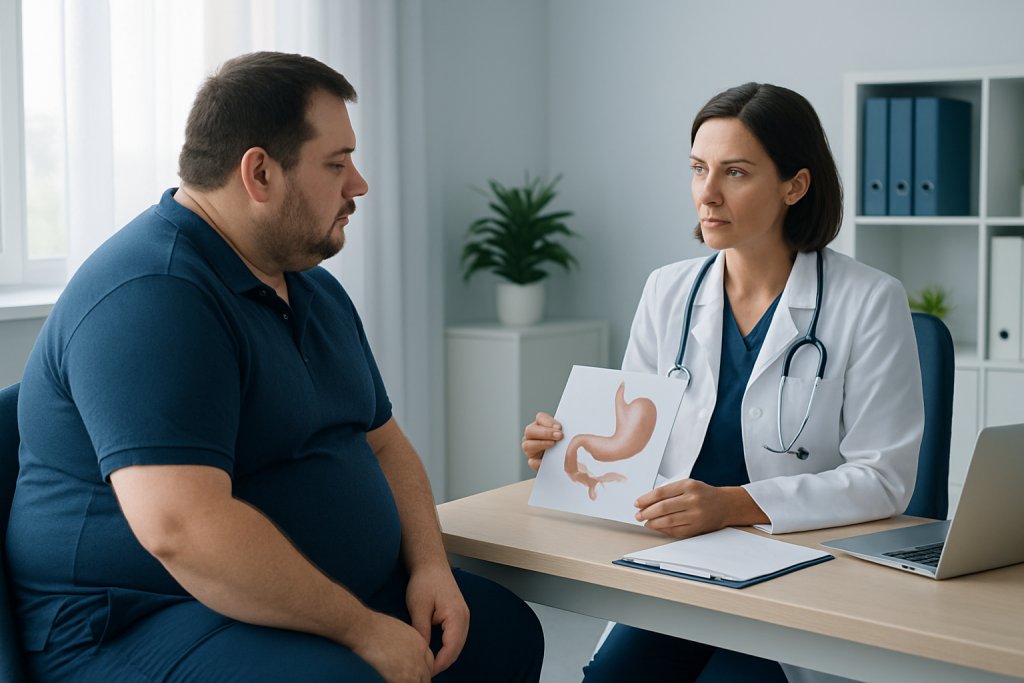
The main reason to consider bariatric surgery for high BMI in two stages is safety. A person with severe obesity may face greater risks during anesthesia, airway management, blood clots, infection, and breathing problems after surgery. A first-stage operation can help produce early weight loss, which may make any later surgery technically easier and safer.
Another reason is to improve obesity-related conditions before a second procedure. Weight loss after the first stage may reduce blood pressure, improve blood sugar control, lessen sleep apnea severity, and ease strain on the heart and joints. Better general health may support smoother recovery if additional surgery is needed later.
There can also be practical benefits. A simpler first-stage operation may involve less intestinal rerouting and a shorter time in the operating room. However, a two-stage plan also means the possibility of a second hospitalization, more follow-up, and another recovery period. The balance of risks and benefits should be reviewed carefully with an experienced bariatric team.
Common First- and Second-Stage Procedures
The most common first-stage procedure is gastric sleeve surgery. In this operation, a large portion of the stomach is removed, leaving a narrow tube-shaped stomach. This helps a person feel full with smaller meals and may also affect hunger-related hormones. For many patients, sleeve gastrectomy provides significant weight loss and improvement in obesity-related disease.
If a second stage becomes appropriate, surgeons may recommend conversion to another operation, often bariatric surgery in the form of gastric bypass. This may be considered if weight loss is not enough, if weight regain occurs, or if reflux symptoms are troublesome after the sleeve. The exact timing varies and depends on progress, nutrition, and medical stability.
Less commonly, other tools may be used before surgery to lower risk, such as structured medical weight loss or temporary endoscopic options. These are not the same as a formal two-stage surgical plan, but they may serve a similar purpose by helping the patient lose some weight before a major operation. The final approach depends on anatomy, health conditions, and the goals of treatment.
- First stage often aims to reduce immediate operative risk.
- Second stage is considered only if the first procedure is not enough.
- Some patients achieve their goals after stage one alone.
- Ongoing nutritional monitoring is essential after any bariatric procedure.
Assessment and Preparation Before Surgery
Before surgery, patients usually undergo a detailed evaluation. This often includes blood tests, heart and lung assessment, screening for sleep apnea, nutritional review, and discussion of medications. Doctors also check for conditions that can affect surgery or recovery, such as hernias, including an incisional hernia in patients who have had prior abdominal operations.
Nutrition and lifestyle counseling are important parts of preparation. Patients may be advised to follow a preoperative eating plan, increase activity as tolerated, stop smoking, and limit alcohol. Some are asked to lose a small amount of weight before surgery to help reduce liver size and improve operating conditions.
Psychological and behavioral assessment is also common. Bariatric surgery changes eating habits permanently, so it helps to understand emotional eating, binge eating, stress, and support systems in advance. Education about recovery, supplements, hydration, and follow-up visits gives patients a clearer idea of what life after surgery will involve.
Benefits, Limitations, and Possible Risks
A staged approach may offer several advantages. It can lower the stress of surgery on the body, support early weight loss, and create time for obesity-related conditions to improve. For some people with extreme obesity, this measured path makes treatment more feasible and may reduce the chance of complications linked to a longer and more complex initial operation.
At the same time, a two-stage plan is not automatically better than a single operation. It may require two recovery periods, additional costs, more clinic visits, and the emotional burden of waiting to see whether another surgery will be needed. There is also no guarantee that every patient will want or qualify for a second procedure later.
All bariatric procedures carry possible risks, including bleeding, infection, blood clots, leakage at staple lines or surgical connections, reflux, nausea, vomiting, gallstones, and vitamin or mineral deficiencies. Over time, people may also experience inadequate weight loss or weight regain. Careful follow-up reduces these risks and helps address problems early.
Recovery, Long-Term Care, and Self-Management
Recovery after the first stage usually involves a gradual return to fluids, then pureed foods, soft foods, and regular textured meals based on the team’s guidance. Patients need to focus on hydration, protein intake, vitamin and mineral supplementation, and slow, mindful eating. Regular movement is encouraged early to support circulation, breathing, and healing.
Long-term success depends on more than the operation itself. Follow-up visits help monitor weight loss, nutritional status, blood sugar, blood pressure, reflux, and mental well-being. Some patients may need treatment for excess skin, hernias, or gastrointestinal symptoms as their bodies change after major weight loss.
If progress after the first operation is limited, the team may discuss whether a second stage would be useful and safe. If progress is good, no further surgery may be necessary. Near the end of the care journey, some international patients may choose evaluation at centers such as Acibadem International, where multidisciplinary specialists in JCI-accredited hospitals diagnose and treat obesity and bariatric conditions.
When to Speak With a Doctor
A person should speak with a doctor about bariatric surgery for high BMI if weight has not improved with structured diet, physical activity, behavioral support, and medical treatment, especially when obesity-related conditions are present. A bariatric specialist can explain whether surgery is appropriate, which procedure may fit best, and whether a staged approach offers a safer path.
Medical advice is also important after surgery if symptoms such as persistent vomiting, severe reflux, trouble swallowing, dehydration, abdominal pain, fever, chest pain, leg swelling, or shortness of breath appear. These symptoms do not always mean a serious complication, but they need prompt assessment.
Even without urgent symptoms, regular follow-up matters. Bariatric surgery changes digestion, appetite, and nutrient absorption, so ongoing contact with surgeons, physicians, dietitians, and other specialists helps protect long-term health and maintain weight-loss results.
Frequently asked questions
What is two-stage bariatric surgery?
Two-stage bariatric surgery means treatment is planned in two separate operations rather than one. The first surgery helps lower weight and reduce risk, and a second procedure is considered later only if it is still needed.
Why is a two-stage approach used for high BMI?
People with a very high BMI may have higher risks related to anesthesia, breathing, wound healing, and longer operations. A staged approach can make treatment safer by allowing some weight loss and health improvement before a more complex second surgery.
Is sleeve gastrectomy usually the first step?
Yes, sleeve gastrectomy is commonly used as the first-stage procedure because it is effective and technically less complex than some alternatives. It can produce meaningful weight loss on its own, so some patients do not need a second operation.
Does everyone with a high BMI need two surgeries?
No. Many people with a high BMI can safely have one bariatric procedure, while others may benefit from a staged plan. The decision depends on BMI, medical conditions, anatomy, previous surgery, and the bariatric team's assessment.
How long do doctors wait before considering the second stage?
There is no single timeline for every patient. Doctors usually wait until weight loss, nutritional status, recovery, and control of related conditions can be reviewed carefully, which may take months or longer.
What are the main risks after bariatric surgery?
Possible risks include bleeding, infection, blood clots, dehydration, reflux, nausea, leaks from staple lines or surgical connections, and vitamin or mineral deficiencies. Long-term follow-up helps detect and manage these issues early.
Can lifestyle changes still matter after surgery?
Yes, they remain essential. Surgery is a powerful tool, but lasting results depend on eating habits, physical activity, supplements, hydration, sleep, and regular medical follow-up.
References
- American Society for Metabolic and Bariatric Surgery
- National Institute of Diabetes and Digestive and Kidney Diseases
- National Institute for Health and Care Excellence
- World Health Organization
- Society of American Gastrointestinal and Endoscopic Surgeons
This article is for general information only and is not a substitute for professional medical advice. Please consult a qualified doctor about your individual situation.
Bariatric Surgery in Turkey — costs, top hospitals & a free quote
JCI-accredited · board-certified surgeons · reply within 24h
Add us as a Preferred Source to see more of our trusted health content across Google Search, AI Overviews and Discover.
Check your numbers in seconds
BMI, calories, due date, blood pressure and 30+ more clinical calculators — free, instant, doctor-reviewed ranges.

Bariatric & Metabolic Surgery
Surgical and endoscopic treatments for obesity and metabolic conditions.