Obesity Causes and Risk Factors: Why Weight Gain Is Not Just About Willpower

Obesity develops through a combination of genetic, hormonal, environmental, psychological, and lifestyle factors. Willpower alone does not explain weight gain or long-term difficulty losing weight.
Key Takeaways
- Obesity develops through a combination of genetic, hormonal, environmental, psychological, and lifestyle factors.
- Willpower alone does not explain weight gain or long-term difficulty losing weight.
- Medical conditions, medications, sleep problems, and chronic stress can all contribute to obesity.
- Evaluation should look beyond body weight to overall health, risk factors, and possible underlying causes.
- Treatment may include nutrition changes, physical activity, behavior support, medicines, and bariatric procedures when appropriate.
Obesity is a complex chronic condition influenced by biology, environment, behavior, and health status. Weight gain is not simply a matter of willpower, and understanding its causes can help people seek effective, compassionate care.
Overview: Why Obesity Is More Complex Than It Seems
Obesity is a chronic health condition in which excess body fat can affect overall health and increase the risk of other medical problems. It is often discussed as if it results only from eating too much or exercising too little, but modern medical understanding shows that the picture is far more complex. Body weight is shaped by the interaction of the brain, hormones, metabolism, genetics, daily habits, emotional health, medications, sleep, and the surrounding environment.
This means two people with similar diets and activity levels may still have very different experiences with weight gain or weight loss. The body has biological systems designed to protect energy stores, and these systems can make weight loss difficult to achieve and even harder to maintain. For many people, obesity is not a personal failure but a condition that deserves the same thoughtful medical attention as other long-term health issues.
Understanding obesity causes and risk factors can reduce blame and support more effective treatment. It also helps patients recognize when weight changes may be linked to a treatable medical issue. In some cases, specialists may evaluate concerns related to morbid obesity when excess weight is severe and associated with significant health risks.
Common Signs and Health Effects
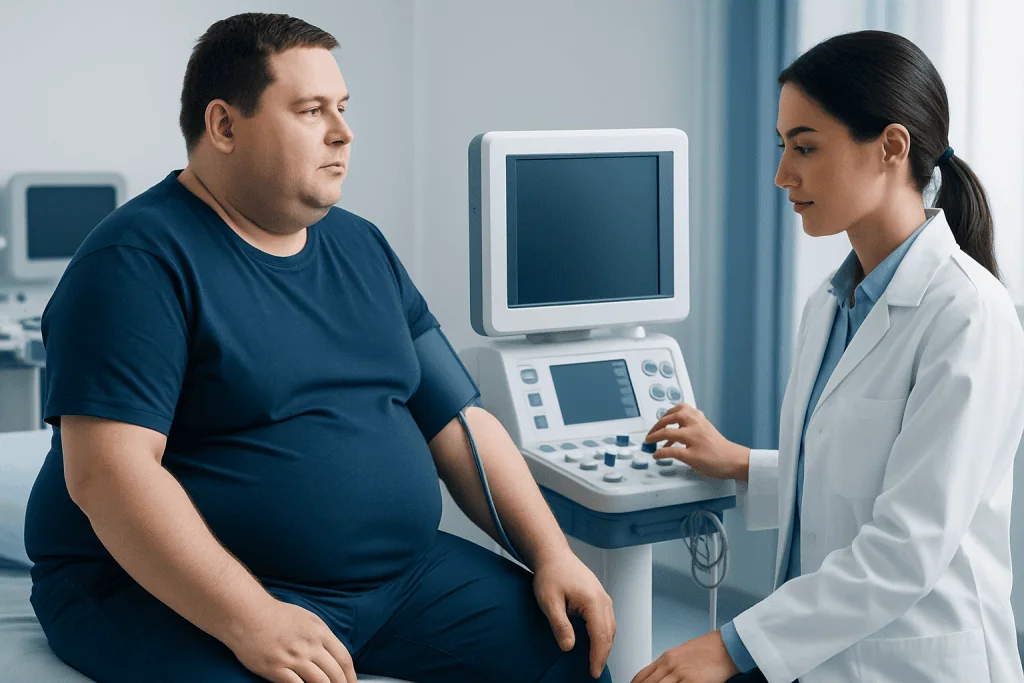
Obesity itself may not always cause obvious symptoms in the early stages, but it can gradually affect daily comfort, mobility, and long-term health. Some people notice shortness of breath with activity, joint pain, fatigue, snoring, poor sleep, reduced exercise tolerance, or difficulty with routine movements such as climbing stairs. Others may feel emotionally affected by body image concerns, stigma, or repeated unsuccessful attempts to lose weight.
Doctors often assess obesity using body mass index, waist circumference, and the presence of weight-related health conditions. These can include type 2 diabetes, high blood pressure, fatty liver disease, sleep apnea, heart disease, osteoarthritis, and some reproductive or hormone-related problems. The impact of obesity varies widely from person to person, so medical assessment usually considers the whole individual rather than a number on the scale alone.
When weight gain is rapid, unexplained, or accompanied by other symptoms such as swelling, menstrual changes, severe fatigue, or marked mood changes, a doctor may look for contributing conditions. This is important because obesity can be both a disease in itself and a sign that another health issue is affecting metabolism or appetite regulation.
Main Causes of Obesity

The most direct cause of weight gain is a long-term imbalance between energy intake and energy use, but that statement alone does not explain why the imbalance happens. Appetite, fullness, cravings, stress eating, energy levels, and metabolism are influenced by the brain and hormones. These systems can increase hunger, reduce satiety, and encourage the body to conserve energy, especially after repeated dieting or weight loss attempts.
Genetics also play an important role. Some people inherit a stronger tendency to store fat, feel hungry sooner, or burn fewer calories at rest. Family patterns around food, sleep, stress, and activity can also contribute. Genetics do not make obesity inevitable, but they can increase susceptibility when combined with other factors in everyday life.
Highly processed foods, large portion sizes, sedentary work, frequent screen time, and easy access to calorie-dense meals can all promote weight gain. At the same time, many people face barriers to healthier choices, such as long working hours, limited access to fresh food, pain with exercise, unsafe neighborhoods for walking, or caregiving responsibilities. This is one reason obesity should be understood as a medical and social issue, not just an individual choice.
Emotional health matters as well. Anxiety, depression, trauma, loneliness, and chronic stress may affect eating patterns, sleep quality, and physical activity. Some people eat in response to emotions rather than hunger, while others experience appetite changes linked to mental health conditions or treatment.
Risk Factors That Make Weight Gain More Likely
Several risk factors increase the likelihood of developing obesity. Age is one factor, because muscle mass and metabolic rate may decline over time while work and family routines become more sedentary. Weight can also increase during key life stages such as pregnancy, menopause, or after stopping competitive sports or physically active jobs.
Hormonal and medical conditions can contribute to weight gain in some people. Examples include hypothyroidism, polycystic ovary syndrome, Cushing syndrome, insulin resistance, and certain sleep disorders. Although these conditions are not the most common cause of obesity overall, they are important to consider when weight changes seem disproportionate, difficult to explain, or linked with other symptoms.
Medications are another often overlooked factor. Some antidepressants, antipsychotics, corticosteroids, anti-seizure drugs, insulin, and other diabetes medicines can increase appetite, fluid retention, or fat storage. A patient should never stop a prescribed medicine without medical advice, but a doctor may sometimes adjust treatment or suggest strategies to reduce weight-related side effects.
Sleep deprivation and chronic stress are major contributors. Poor sleep can disrupt hormones that help regulate hunger and satiety, making high-calorie foods more appealing. Stress may raise cortisol levels, affect blood sugar regulation, and lead to habits such as emotional eating, irregular meals, or reduced motivation for movement.
- Family history of obesity
- Limited physical activity
- Frequent consumption of ultra-processed foods or sugary drinks
- Inadequate sleep or sleep apnea
- Certain medical conditions or medications
- Chronic stress, anxiety, depression, or trauma
- Pregnancy-related or menopause-related body changes
How Doctors Evaluate the Cause
A medical evaluation for obesity aims to understand not only how much weight a person has gained, but why it may be happening and how it is affecting health. The doctor will usually ask about weight history, eating patterns, physical activity, sleep, stress, mental health, family history, pregnancy history, and medications. This conversation helps identify contributing factors without assuming that all cases have the same cause.
Examination may include height, weight, waist measurements, blood pressure, and signs of hormone or metabolic problems. Blood tests can be used to check blood sugar, cholesterol, liver function, thyroid function, and sometimes other markers depending on symptoms. If sleep apnea is suspected, a sleep assessment may be recommended, especially in people with loud snoring, poor sleep quality, or daytime tiredness.
Doctors also look for complications related to obesity, because treatment planning depends on overall risk rather than body weight alone. This may include checking for diabetes, cardiovascular disease, joint problems, fatty liver disease, and reproductive or hormonal concerns. In this way, diagnosis becomes the starting point for personalized care instead of a simple label.
Treatment Options: From Lifestyle Support to Medical Care
Treatment works best when it addresses the root causes of weight gain as well as overall health. Lifestyle changes remain important, but these should be realistic, structured, and sustainable rather than extreme. Nutrition plans often focus on improving food quality, regular meal timing, portion awareness, and reducing ultra-processed foods. Physical activity is also helpful, but it should match a person’s abilities, joint health, and starting fitness level.
Behavioral support can make a major difference. Working with a doctor, dietitian, psychologist, or obesity specialist may help people understand triggers for overeating, emotional eating, low motivation, or all-or-nothing thinking. Treatment of sleep disorders, depression, anxiety, or endocrine conditions may also support healthier weight regulation.
For some patients, prescription weight-management medicines may be appropriate when lifestyle measures alone are not enough. In people with more severe obesity or obesity-related complications, procedural or surgical treatment may be considered. Options can include bariatric surgery, gastric sleeve surgery, gastric bypass, or selected non-surgical approaches such as gastric balloon treatment when recommended by a specialist.
The right treatment depends on health status, body weight, previous weight-loss efforts, eating behaviors, and personal preferences. Near the end of the care pathway, some international patients choose multidisciplinary assessment at Acibadem International, where JCI-accredited hospitals and specialist teams diagnose and treat obesity-related conditions in a coordinated way.
Prevention and Self-Care
Because obesity develops over time, prevention also depends on long-term habits and support systems. Helpful steps include eating regular balanced meals, choosing more whole foods, limiting sugary drinks, improving sleep routines, and building movement into daily life. Small, steady changes are usually more realistic and more sustainable than strict diets or intense exercise plans that are hard to maintain.
Self-care also means paying attention to the factors around eating, not just the food itself. Stress management, mental health care, and healthy routines can reduce the biological and emotional drivers of overeating. Keeping a simple record of meals, sleep, activity, and mood may help identify patterns that are otherwise easy to miss.
Children and families benefit from a supportive, non-judgmental approach. Shared meals, active time together, limited screen time, and good sleep habits can support healthier weight without focusing on blame. For adults, practical planning such as preparing meals ahead, taking movement breaks during work, and seeking early medical advice for unexpected weight gain can be very helpful.
When to See a Doctor
A person should consider medical advice if weight gain is persistent, difficult to reverse, or beginning to affect physical or emotional health. It is especially important to seek help when obesity is linked with shortness of breath, chest discomfort, loud snoring, daytime sleepiness, menstrual changes, infertility, rising blood sugar, or worsening joint pain. Professional support can help uncover treatable causes and reduce the risk of future complications.
Medical review is also sensible when someone has tried multiple diets without lasting results, since repeated cycles of weight loss and regain can be discouraging and physically stressful. A doctor can help create a plan based on health needs rather than pressure or unrealistic expectations. This can include referral to specialists in nutrition, endocrinology, sleep medicine, psychology, or obesity treatment.
Anyone considering a procedural approach should have a full evaluation to understand benefits, risks, and long-term follow-up needs. In severe cases, assessment for advanced obesity treatment may be appropriate, particularly if related conditions such as diabetes or sleep apnea are present. Seeking care early often provides more options and better support over time.
Frequently asked questions
Is obesity caused only by overeating?
No. Overeating can contribute, but obesity is also influenced by genetics, hormones, sleep, stress, medications, mental health, and the surrounding environment. For many people, several of these factors act together.
Can someone have obesity even if they try hard to eat well?
Yes. A person may still gain weight despite sincere efforts because metabolism, appetite regulation, medical conditions, and medications can all affect body weight. This is one reason a medical evaluation can be useful.
What medical conditions can lead to weight gain?
Some conditions linked with weight gain include hypothyroidism, polycystic ovary syndrome, Cushing syndrome, insulin resistance, and sleep disorders such as sleep apnea. These are not the cause in every case, but they are important to rule out when symptoms suggest them.
Do certain medications increase the risk of obesity?
Yes. Some antidepressants, antipsychotics, corticosteroids, insulin, and other medicines can make weight gain more likely in certain people. A doctor may be able to review alternatives or help manage the side effects safely.
When should weight gain be checked by a doctor?
A doctor should be consulted if weight gain is rapid, unexplained, or associated with fatigue, shortness of breath, sleep problems, high blood sugar, menstrual changes, or joint pain. It is also wise to seek help if repeated self-directed weight loss attempts have not worked.
Can obesity be treated without surgery?
Yes. Many people are treated with structured nutrition changes, physical activity, behavior support, treatment of underlying conditions, and sometimes prescription medicines. Surgery is usually considered when obesity is more severe or when other methods have not been effective enough.
References
- World Health Organization
- Centers for Disease Control and Prevention
- National Institute of Diabetes and Digestive and Kidney Diseases
- American Society for Metabolic and Bariatric Surgery
- Endocrine Society
This article is for general information only and is not a substitute for professional medical advice. Please consult a qualified doctor about your individual situation.
Obesity in Turkey — costs, top hospitals & a free quote
JCI-accredited · board-certified surgeons · reply within 24h
Add us as a Preferred Source to see more of our trusted health content across Google Search, AI Overviews and Discover.
Check your numbers in seconds
BMI, calories, due date, blood pressure and 30+ more clinical calculators — free, instant, doctor-reviewed ranges.