Operation to Lose Weight: Which Surgical Options May Be Considered?

Weight loss surgery is usually considered for people with obesity who have not achieved enough benefit from non-surgical methods. Common procedures include sleeve gastrectomy, gastric bypass, adjustable gastric banding, and non-surgical or less invasive options in selected cases.
Key Takeaways
- Weight loss surgery is usually considered for people with obesity who have not achieved enough benefit from non-surgical methods.
- Common procedures include sleeve gastrectomy, gastric bypass, adjustable gastric banding, and non-surgical or less invasive options in selected cases.
- Bariatric surgery can improve weight-related conditions such as type 2 diabetes, sleep apnea, and high blood pressure.
- Careful evaluation, nutritional support, and lifelong follow-up are essential for safety and lasting results.
- The most suitable procedure depends on medical history, body weight, reflux symptoms, eating habits, and personal preferences.
An operation to lose weight may be considered for people with obesity when lifestyle changes and medical treatment have not led to enough improvement. Different bariatric procedures work in different ways, so the best option depends on overall health, eating patterns, weight-loss goals, and long-term follow-up needs.
Overview: What Is an Operation to Lose Weight?
An operation to lose weight usually refers to bariatric surgery, a group of procedures designed to help people with obesity lose weight and improve related health conditions. These operations change the digestive system so that a person feels full sooner, eats less, absorbs fewer calories, or a combination of these effects. They are not cosmetic procedures; they are medical treatments used to support long-term health.
Doctors may consider surgery when structured efforts with nutrition, physical activity, behavior change, and sometimes medication have not led to enough improvement. Surgery is often part of a broader treatment plan for morbid obesity and other severe forms of excess weight that affect daily life and health. For many patients, the goal is not only weight reduction but also better control of obesity-related conditions.
An operation to lose weight can be highly effective, but it also requires commitment. Patients need ongoing follow-up, changes in eating habits, regular physical activity, and vitamin or mineral supplementation after some procedures. A good result depends on choosing the right operation and having support before and after treatment.
Who May Be a Candidate for Weight Loss Surgery?
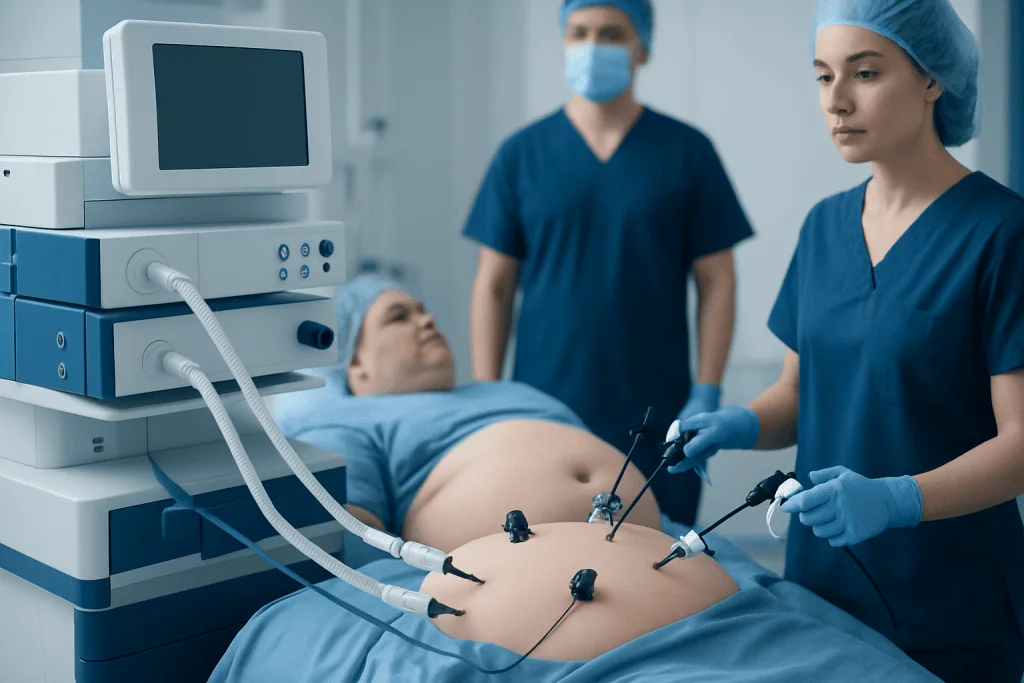
Not everyone who wants to lose weight needs surgery. In general, bariatric procedures may be considered for adults with obesity that is severe enough to threaten health or quality of life, especially when non-surgical treatments have not worked well enough. Doctors look at body mass index, but they also consider conditions such as type 2 diabetes, high blood pressure, fatty liver disease, sleep apnea, joint pain, and reduced mobility.
A full assessment is important because obesity is complex. Some people may benefit from surgery because of repeated weight regain after supervised programs. Others may need a different approach if certain medical problems, previous abdominal surgery, digestive disorders, or untreated mental health concerns are present. Smoking, alcohol use, and plans for pregnancy may also affect timing and procedure choice.
Before an operation, patients usually meet a multidisciplinary team that may include a bariatric surgeon, physician, dietitian, psychologist, and anesthesiologist. This evaluation helps clarify whether bariatric surgery is appropriate and which option is safest and most suitable for the individual.
Which Surgical Options May Be Considered?

Several procedures may be used as an operation to lose weight. The most common is sleeve gastrectomy, often called gastric sleeve surgery. In this procedure, a large portion of the stomach is removed, leaving a narrow sleeve-shaped stomach. This reduces how much food the stomach can hold and also changes hormones involved in hunger and fullness.
Another established option is gastric bypass, which creates a small stomach pouch and reroutes part of the small intestine. This helps with weight loss by limiting food intake and reducing absorption of some calories and nutrients. Gastric bypass may be especially helpful in selected patients with type 2 diabetes or significant reflux, although individual circumstances vary.
Adjustable gastric banding places a band around the upper part of the stomach to create a small pouch. It is less commonly performed today in many centers because long-term weight loss can be less predictable and some patients need reoperation or band removal. Still, it may be considered in selected situations as adjustable gastric banding.
There are also less invasive options that are not traditional surgery, such as a gastric balloon or endoscopic stomach-reduction techniques. These may be considered for some patients who do not meet criteria for surgery or prefer a temporary or non-surgical approach. However, they are different from standard bariatric operations and may produce more modest results.
How Doctors Choose the Best Procedure
No single operation is best for everyone. The choice depends on current weight, age, previous abdominal procedures, eating patterns, medical conditions, and the balance between expected benefits and possible risks. For example, some patients have severe acid reflux, others have poorly controlled diabetes, and some are more likely to snack frequently or consume calorie-dense liquids. These details can influence which procedure is likely to work best.
Nutritional considerations are also important. Procedures that bypass part of the intestine can lead to greater deficiencies in iron, vitamin B12, calcium, folate, and other nutrients if follow-up is poor. Some patients may prefer a simpler anatomy with fewer malabsorption concerns, while others may prioritize greater metabolic effect. A specialist team explains what each operation can and cannot do.
Most bariatric procedures are now performed using minimally invasive techniques, often through laparoscopic surgery. This approach usually means smaller incisions and a faster early recovery than open surgery, although the exact method depends on the patient and the surgeon’s assessment.
Benefits, Risks, and Expected Results
Weight loss surgery can lead to meaningful and sustained weight loss for many people. It may also improve or even help control conditions linked to obesity, such as type 2 diabetes, high blood pressure, obstructive sleep apnea, fatty liver disease, and some fertility-related concerns. Many patients also report better mobility, less joint strain, improved self-confidence, and a better quality of life.
Even so, surgery is a serious medical treatment and carries risks. Possible short-term complications can include bleeding, infection, leakage from staple lines or surgical connections, blood clots, and reactions to anesthesia. Longer-term concerns vary by procedure and may include reflux, ulcers, bowel obstruction, gallstones, vomiting, dumping syndrome, or nutritional deficiencies. These problems are not inevitable, but they should be discussed clearly in advance.
Results are not identical for every patient. Weight loss usually happens most rapidly in the first months after surgery, then slows and stabilizes. Long-term success depends heavily on follow-up care, eating behavior, physical activity, sleep, and emotional support. Surgery is a powerful tool, but it works best when combined with lifelong healthy habits.
Preparation, Recovery, and Life After Surgery
Preparation commonly starts weeks or months before the operation. Patients may be advised to follow a supervised eating plan, increase physical activity as able, stop smoking, limit alcohol, and attend education sessions. Blood tests, imaging, heart evaluation, sleep studies, or endoscopy may be needed depending on medical history. This process helps reduce risk and prepare patients for lasting lifestyle changes.
After surgery, the diet progresses in stages, usually starting with liquids and gradually moving to soft foods and then regular textured meals. Small portions, slow eating, thorough chewing, and careful attention to hydration become essential. Many patients need lifelong vitamin and mineral supplements, especially after procedures that affect nutrient absorption.
Regular follow-up visits are a key part of recovery. The care team monitors healing, weight loss, nutrition, emotional adjustment, and any symptoms such as nausea, reflux, abdominal pain, or fatigue. In some people, loose abdominal tissues after major weight loss may contribute to concerns such as incisional hernia after previous operations, so ongoing medical review remains important.
Near the end of treatment planning, patients may also discuss where care will be delivered. Acibadem International offers diagnosis and treatment for international patients through multidisciplinary specialists in JCI-accredited hospitals, with bariatric care tailored to individual needs and follow-up plans.
Prevention, Self-care, and Non-Surgical Alternatives
Surgery is one option within obesity care, but it is not the only path. Many people benefit from structured lifestyle treatment that includes medical nutrition therapy, regular exercise, behavior support, sleep improvement, and treatment of contributing conditions. Prescription weight-loss medications may also be appropriate for some patients, depending on their health profile and goals.
For people who are not ready for surgery or do not meet criteria, less invasive approaches may help. These can include a gastric balloon or medically supervised non-surgical stomach-reduction methods in selected cases. These options still require commitment to eating changes and follow-up, and they may not offer the same long-term effect as surgery.
Self-care after any weight-loss treatment focuses on consistency rather than perfection. Helpful habits include planned meals, adequate protein intake, avoiding sugary drinks, regular movement, stress management, and attending all follow-up appointments. Support groups, counseling, and family involvement can make behavior change easier to maintain over time.
When to See a Doctor
A person should speak with a doctor if excess weight is affecting breathing during sleep, blood sugar, blood pressure, fertility, mobility, liver health, or emotional well-being. Medical advice is also important when repeated attempts with diet and exercise have not resulted in enough improvement, or when weight regain keeps returning after structured programs.
Anyone considering an operation to lose weight should seek evaluation from a qualified bariatric team rather than trying to decide alone. A specialist can explain realistic expectations, alternatives, benefits, and risks based on the patient’s health history. This helps ensure that the chosen treatment is appropriate and safe.
After surgery, urgent medical attention is needed for severe abdominal pain, fever, persistent vomiting, chest pain, shortness of breath, difficulty swallowing, black stools, signs of dehydration, or sudden swelling in the legs. These symptoms do not always mean a serious complication, but they should be checked promptly.
Frequently asked questions
What is the most common operation to lose weight?
One of the most commonly performed bariatric procedures is sleeve gastrectomy. It reduces stomach size and can help lower hunger, making it easier to eat smaller amounts and lose weight over time.
How much weight can a person lose after bariatric surgery?
Weight loss varies by procedure and by individual factors such as eating habits, physical activity, and follow-up care. Most people lose a significant amount of weight, especially in the first year, but long-term results depend on sustained lifestyle changes and regular medical monitoring.
Is weight loss surgery safe?
Modern bariatric surgery is generally considered safe when performed in experienced centers after careful evaluation. Like any operation, it carries risks, so the decision should be made after discussing benefits, possible complications, and long-term responsibilities with a qualified doctor.
Can bariatric surgery help with diabetes and high blood pressure?
Yes, many patients experience improvement in obesity-related conditions after surgery, including type 2 diabetes and high blood pressure. In some cases, medication needs may decrease, but ongoing medical follow-up is still important.
Will a person need vitamins after weight loss surgery?
Many patients do need long-term vitamin and mineral supplements after bariatric procedures. The exact supplements depend on the type of operation and the person's lab results, so routine blood tests and follow-up visits are essential.
How long is recovery after an operation to lose weight?
Early recovery often takes a few weeks, although this can vary by procedure and by overall health. Most people return gradually to normal daily activities, but full adjustment to new eating habits and follow-up care continues for months.
References
- World Health Organization
- American Society for Metabolic and Bariatric Surgery
- National Institute of Diabetes and Digestive and Kidney Diseases
- National Health Service
- Mayo Clinic
This article is for general information only and is not a substitute for professional medical advice. Please consult a qualified doctor about your individual situation.
Medical weight-loss options in Turkey — costs & eligibility
JCI-accredited · board-certified surgeons · reply within 24h
Add us as a Preferred Source to see more of our trusted health content across Google Search, AI Overviews and Discover.
Check your numbers in seconds
BMI, calories, due date, blood pressure and 30+ more clinical calculators — free, instant, doctor-reviewed ranges.